
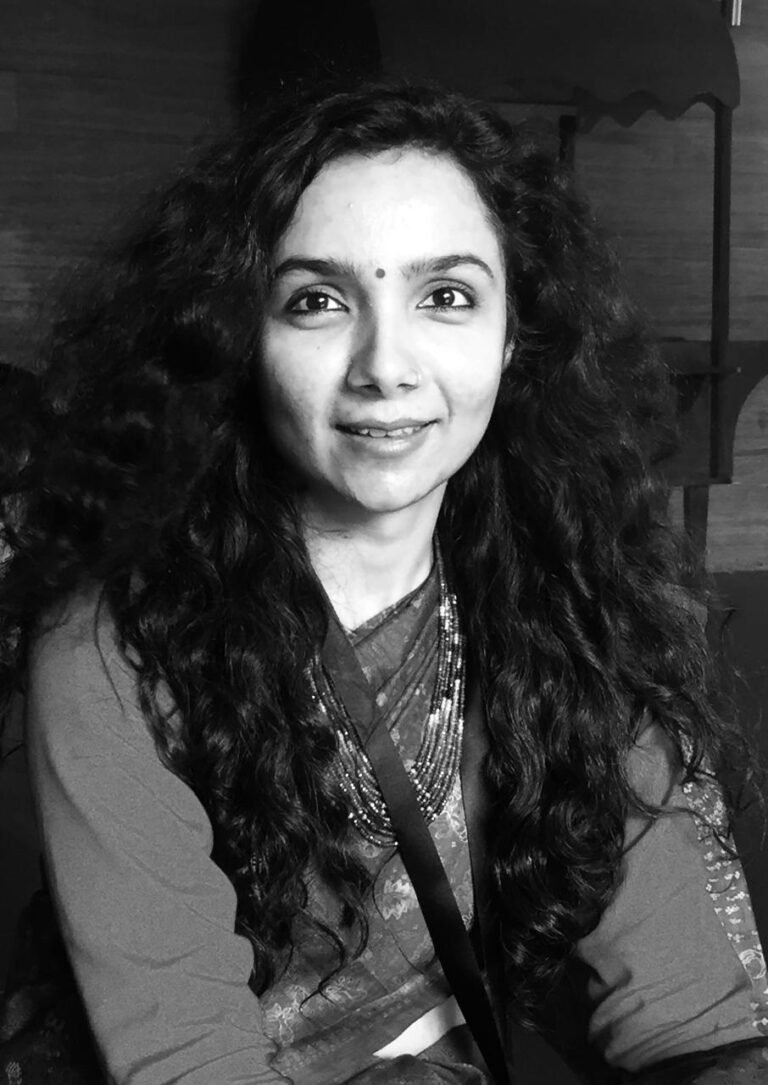
Varuna began her career in 2007 with ICICI’s Rural Banking and Agri Business division, where she learned the fundamentals of marketing, sales, and building relationships. Working closely with rural communities gave her a firsthand understanding of resilience and showed her that lasting progress comes from creating opportunities that are inclusive and accessible to everyone.
Curious to make a bigger impact, she decided to move into the sustainability space by pursuing a two-year full-time degree to build the right skills and knowledge.
Since then, her career has been shaped by learning, adapting, and taking on new challenges. From working in ESG to experiencing the fast-paced world of a startup, each role has helped her grow.
Today, at Eternal (formerly Zomato), she brings together sustainability, innovation, and collaboration to create meaningful impact.
She believes life is full of surprises-embracing change, staying curious, and finding joy in the journey have been the guiding principles of her career.
Location: Gurgaon
Linkedin: https://in.linkedin.com/in/varuna-chauhan-6a51551b3
Q. Tell us about your School and College before you came to IIFM. How was your experience there? And how did IIFM happen?
A. Like a typical army brat, I moved across several cities before completing my schooling at The Army Public School, Delhi. These experiences helped me become adaptable and open to new environments and people.
I then pursued a B.Sc. in Industrial Microbiology from Gargi College, University of Delhi, where I developed a strong analytical mindset and interest in learning beyond the classroom.
Like many management aspirants, I appeared for the CAT examination while exploring options for higher education. Around that time, I came across an article about the Indian Institute of Forest Management (IIFM) in a newspaper. As someone who has always had a deep appreciation for nature and environmental issues, I was immediately intrigued by the institute’s unique blend of management education and sustainability. The more I learned about IIFM, the more it resonated with my interests and aspirations. The institute’s beautiful green campus, its focus on sustainable development, and the opportunity to learn management through an environmental lens made it stand apart from conventional business schools.
Q. How has been your journey from IIFM so far?
A. My journey after IIFM has been both enriching and unconventional. I began my career with ICICI Bank, working in the Rural Banking and Agri Business divisions before moving into the retail banking segment. The experience provided me with tremendous exposure to diverse markets, customers, and business challenges, helping me build a strong professional foundation.
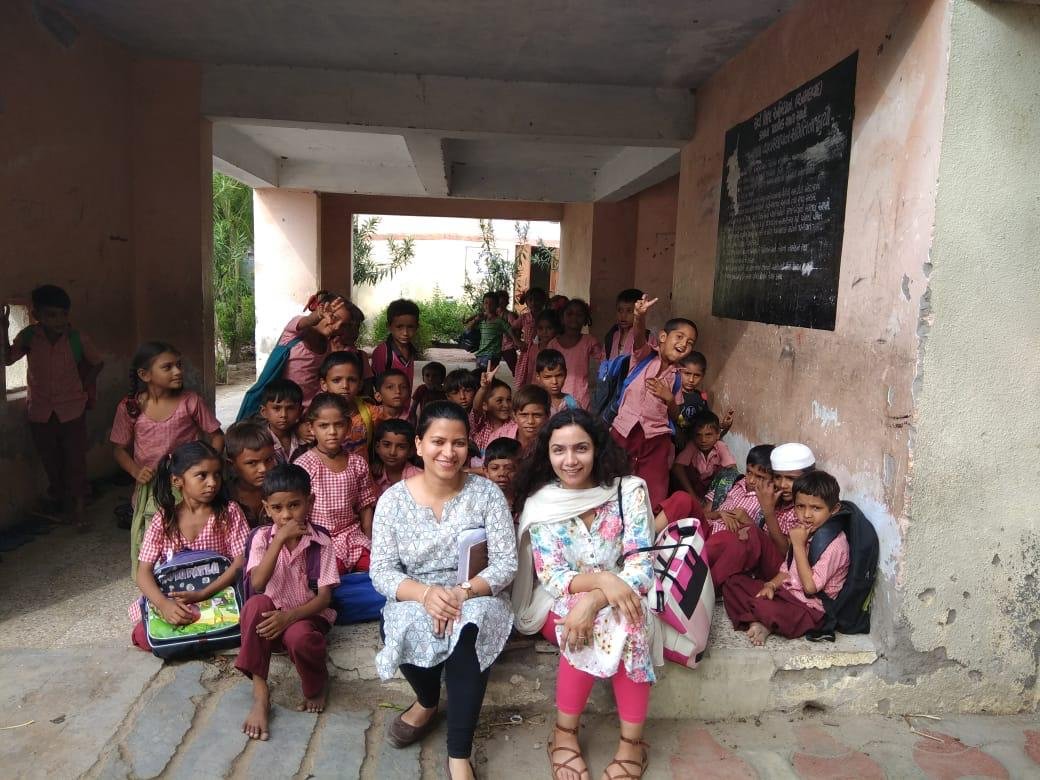 Field visit during CII days
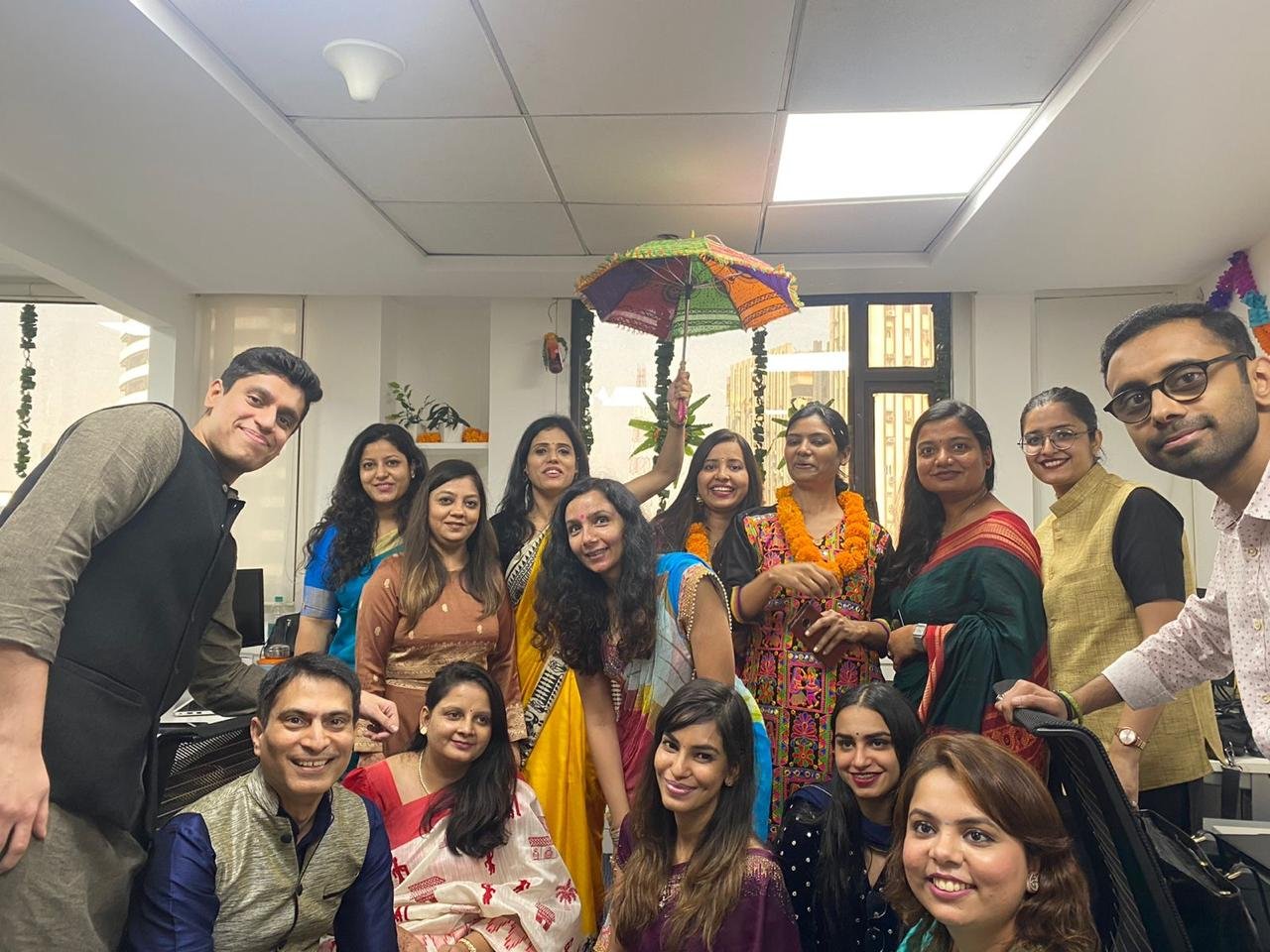 My days in ESG Book
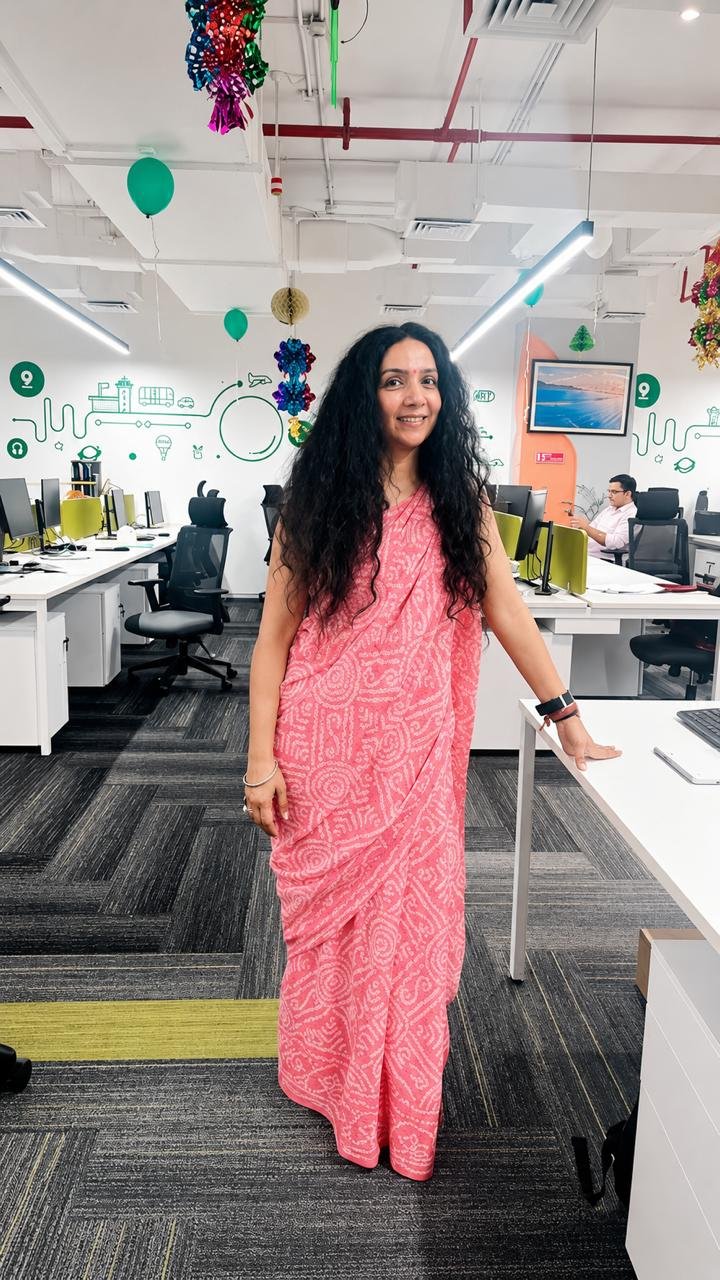 Just another day at ERM
After my stint in banking, I decided to take a career break to pursue something I had always wanted to do-travel the world. Over the next five years, I travelled across more than 14 countries, experiencing diverse cultures, communities, and ways of life. While it wasn’t a formal educational experience, it became one of the most enriching learning journeys of my life. It broadened my perspective, challenged many of my assumptions, and gave me a deeper appreciation of people, societies, and the interconnectedness of our world. Those experiences continue to shape how I approach both my personal life and my professional work.
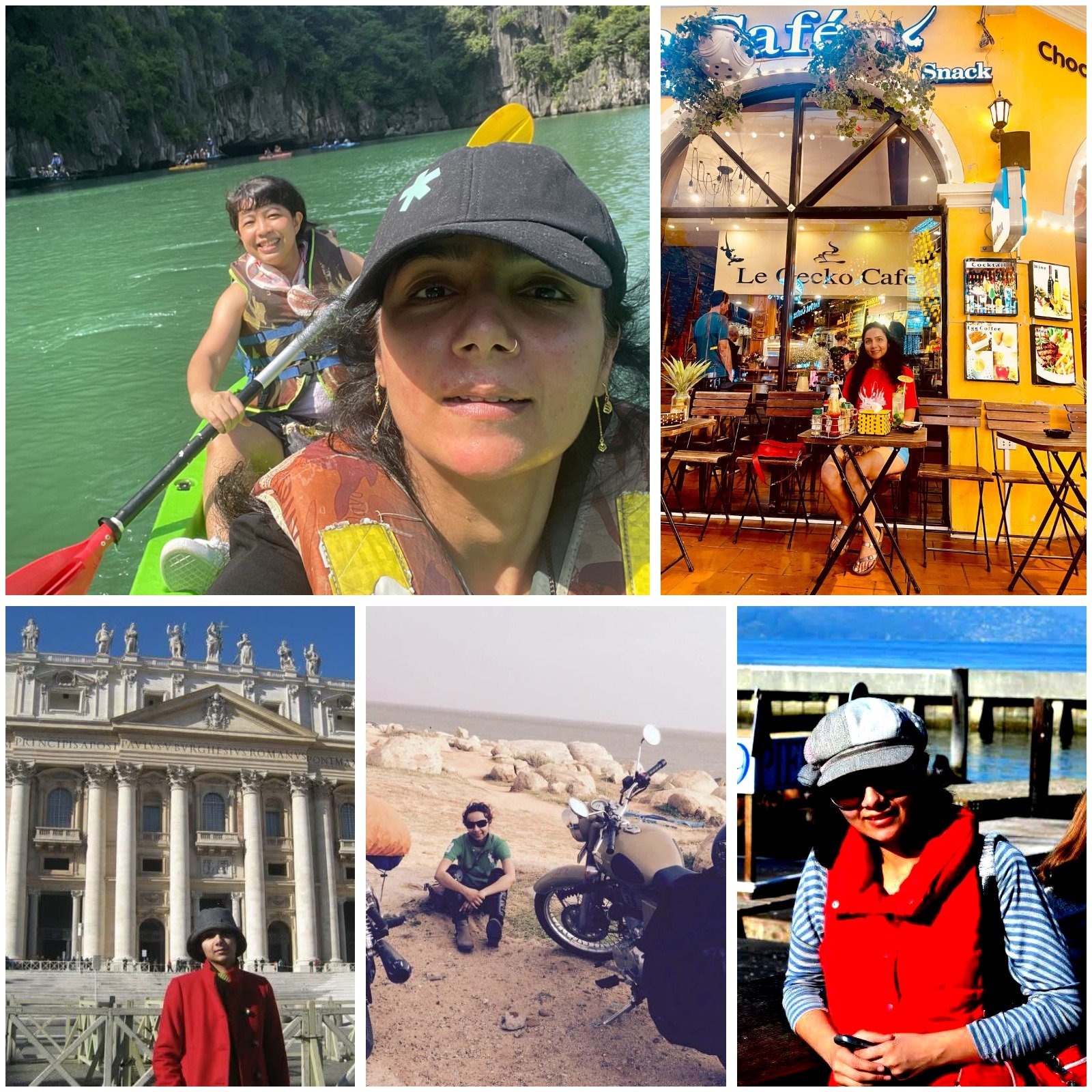 Around the world in 5 years 😁
When I decided to return to the professional world, I had opportunities to continue in the banking sector. However,I always felt drawn towards the world of sustainability. That pull eventually led me to pursue Masters in Sustainable Practices from TERI School of Advanced Studies which helped me transition back into the sustainability space.
Q. What were some of the key milestones/learning in this journey that you would like to share with us?
A. Joining IIFM, I believe, was the biggest milestone. Growing up in an Army family meant I spent most of my childhood in a disciplined and protected environment. Life on cantonments was safe, structured, and close-knit, and in many ways I was sheltered from the realities and complexities of the outside world.
Coming to IIFM and living away from home for the first time changed that. It became my learning ground for life beyond the classroom. Interacting with people from diverse backgrounds, going on field visits, understanding rural realities, and engaging with communities, NGOs, and government officials gave me a completely new perspective. It taught me to appreciate different viewpoints, understand real-world challenges, and become more independent. Looking back, those two years at IIFM prepared me not just for a career, but for life itself.
One of the biggest learnings from my journey has been that careers rarely follow a straight line. When I graduated from IIFM, I did not imagine I would be in banking, take a break to travel the world, and eventually find my way back to sustainability. Looking back, each experience added a different dimension to my personal and professional growth.
Perhaps the most important learning has been to stay open to opportunities and trust the journey, even when the path ahead is unclear. Some of the most meaningful decisions in my life were not part of a carefully crafted plan but were driven by curiosity, passion, and a willingness to explore.
Q. How has been your experience in your current Organization? What all areas have you been working here?
A. My experience at Eternal (formerly Zomato) has been both challenging and rewarding. Working in a fast-paced, high-growth organization has given me the opportunity to contribute to sustainability in a way that is closely integrated with business strategy and decision-making.
In my current role, I lead sustainability strategy and reporting, driving the company’s ESG disclosures and helping strengthen its overall sustainability framework. Beyond reporting, I have had the opportunity to work on a diverse range of initiatives, including ESG ratings and assessments, human rights assessments, energy efficiency projects, materiality assessments, and broader sustainability governance and stakeholder engagement efforts.
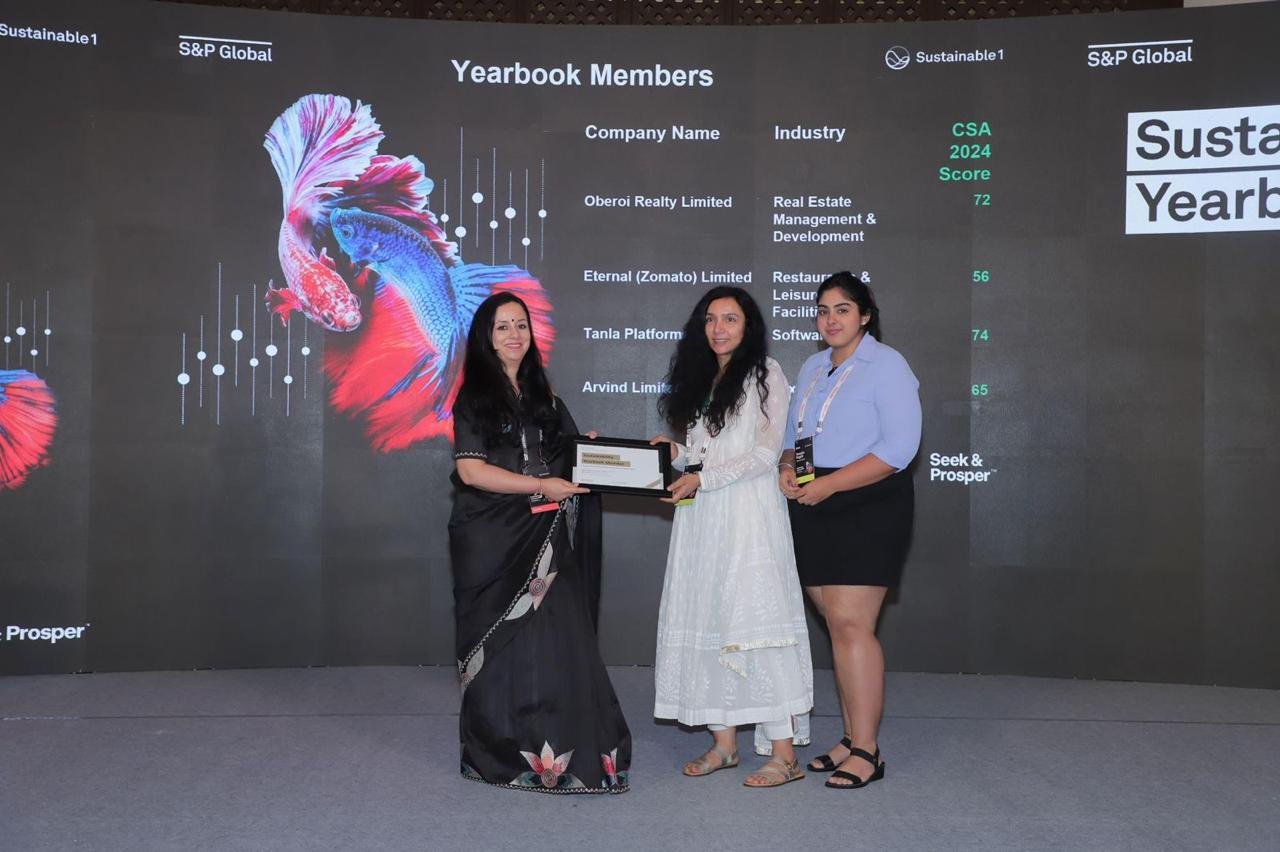 Eternal awarded ‘Industry Mover’ by S&P
What I particularly enjoy is the variety of work. Sustainability today goes far beyond reporting-it requires collaboration across functions, balancing business priorities with long-term environmental and social considerations, and continuously identifying opportunities to create positive impact. The role has allowed me to work on complex and evolving sustainability challenges while contributing to the organization’s long-term value creation journey.
Q. What is the most satisfying part in your career?
A. What gives me the greatest sense of satisfaction is knowing that the work I do contributes, even in a small way, towards building more responsible businesses and a more sustainable future. Seeing sustainability move from being a peripheral topic to a strategic business priority, and being able to influence that journey, has been incredibly rewarding.
Equally fulfilling has been the continuous learning that comes with the profession. From working with diverse teams and stakeholders to understanding complex environmental and social challenges, every role has expanded my perspective and reinforced my belief that meaningful work is often found where purpose and profession come together.
Q. Has your learning at IIFM helped in shaping how you approach your professional roles?
A. One of the biggest contributions of IIFM was that it opened my eyes to new ways of thinking and problem-solving. The interdisciplinary nature of the curriculum encouraged me to look beyond conventional management approaches and understand the interconnectedness between business, society, and the environment.
Q. Who (or what) are the biggest influences or drivers in your careers? What would be your advice to freshers and IIFM graduates who are looking to choose similar sectors/roles.
A. My father has been the biggest influence in my life and career. Growing up, I saw his love for nature and the environment, and it naturally became a part of my own thinking. At every place he was posted, he made it a point to plant trees. By his estimate, he has planted over 50,000 trees, though I believe the number has crossed one lakh by now and counting as he continues to do so.
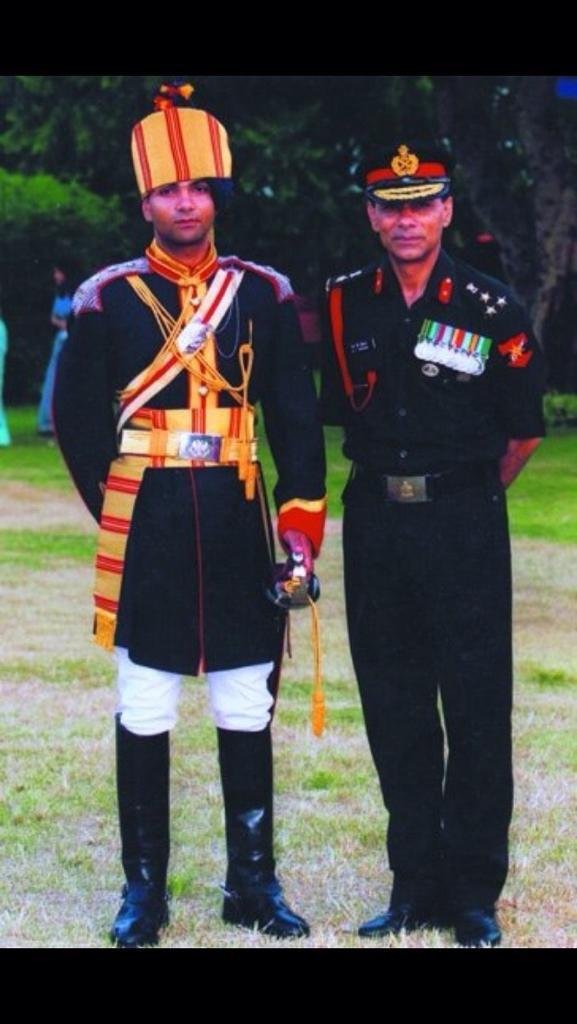 Favourite Men in my life: My Father and my Brother
His visiting card even carried the tagline, “Grow More Trees,” and he would often say, “The best thing you can leave for future generations is trees.”
Looking back, that early exposure probably planted the seeds of my interest in sustainability long before I consciously chose it as a career path.
One piece of advice that has stayed with me came from a conversation with one of our seniors, Santosh K. Singh, when I was planning to restart my career after taking a break. Instead of asking me which company I wanted to join, he asked, “Which field do you want to build your career in?” Until then, I was focused on finding a job and earning a salary. That simple question made me think about the bigger picture. Until then, I was focused on finding a job and earning a salary. From that point onwards, before every career move, I have consciously asked myself three questions: Will this role help me build new skills? What value can I contribute? And what will I learn in the long run?
My advice to freshers and IIFM graduates is the same: don’t focus too much on the pay package in the early years of your career. Instead, think about the kind of career you want to build and invest in developing the technical and non-technical skills needed to get there. Careers are built over decades, not years, and every role, project, and experience teaches you something valuable.
Career paths are rarely linear-mine certainly wasn’t-but if you have a broad direction and keep learning, the opportunities and experiences will eventually come together in meaningful ways.
Q. How did you decide to go for higher studies post IIFM? And how was the experience?
A. Taking a five-year break to travel the world was one of the best decisions I have ever made. It was wonderful to wake up without worrying about work, deadlines, or Monday blues! I travelled across more than 14 countries, creating memories that I will cherish for a lifetime. More importantly, the journey gave me the time and space to introspect, reflect on what truly mattered to me, and think about the direction I wanted my career to take.
When I decided to return to the professional world, I knew I wanted to build a career in sustainability. That led me to pursue a Master’s in Sustainable Practices from TERI School of Advanced Studies, which helped me make the transition into the field.
Going back to being a full-time student after several years wasn’t easy. Most of my classmates were younger than me, and getting back into the discipline of assignments, exams, and classroom learning took some effort. But I knew there were no shortcuts if I wanted to make a meaningful career shift. Looking back, it was one of the toughest yet most rewarding decisions I have made. It gave me the knowledge, confidence, and foundation to rebuild my career from scratch in the sustainability space.
Q. What are your favorite memories during your IIFM days?
A. Many many memories popped up while thinking about this question. Some of my favorite memories from IIFM are the field visits and outdoor activities. I especially enjoyed the trekking trips and rappelling at Kerwa. I also fondly remember playing volleyball and badminton late into the night especially the mixed doubles me and Pradyuman were part of.
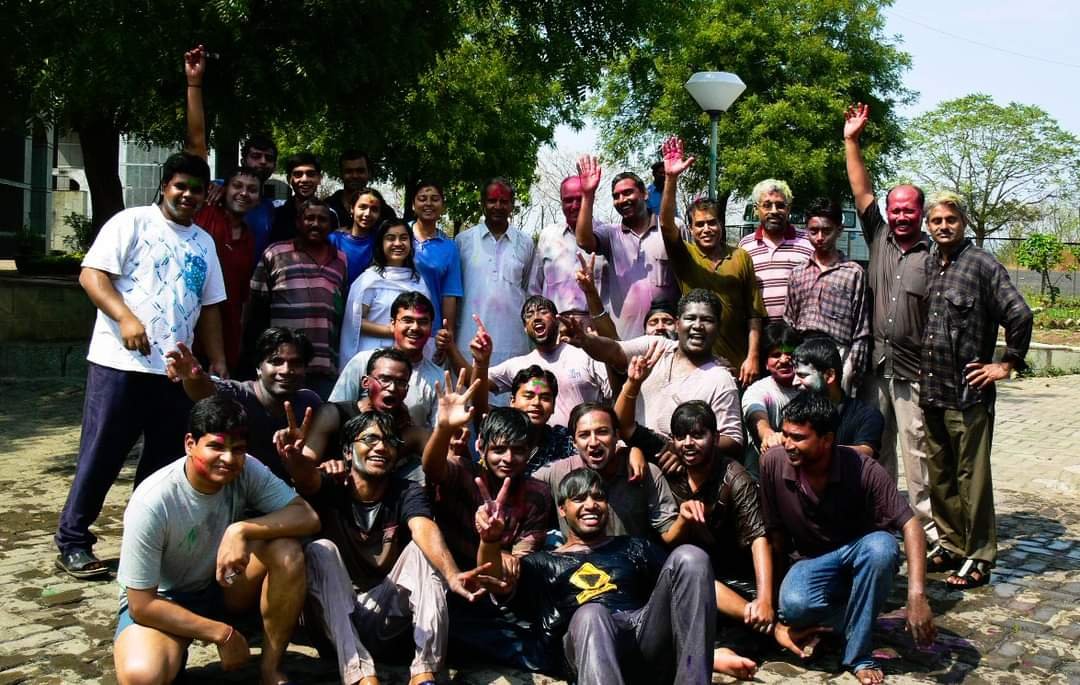 Holi@IIFM was so much fun
However, the memory that stands out the most is getting elected as the Class Representative in the fifth term. My batchmates will definitely remember the drama that led to it ;-). Ironically, I had managed to avoid taking up the role for almost four months, but in the end, there was no escaping it. Looking back, serving as the Class Representative turned out to be one of the most rewarding experiences at IIFM. It gave me the opportunity to interact closely with both students and faculty, taught me a lot about leadership, responsibility, and teamwork, and made my fifth term the most memorable of all my semesters at IIFM.
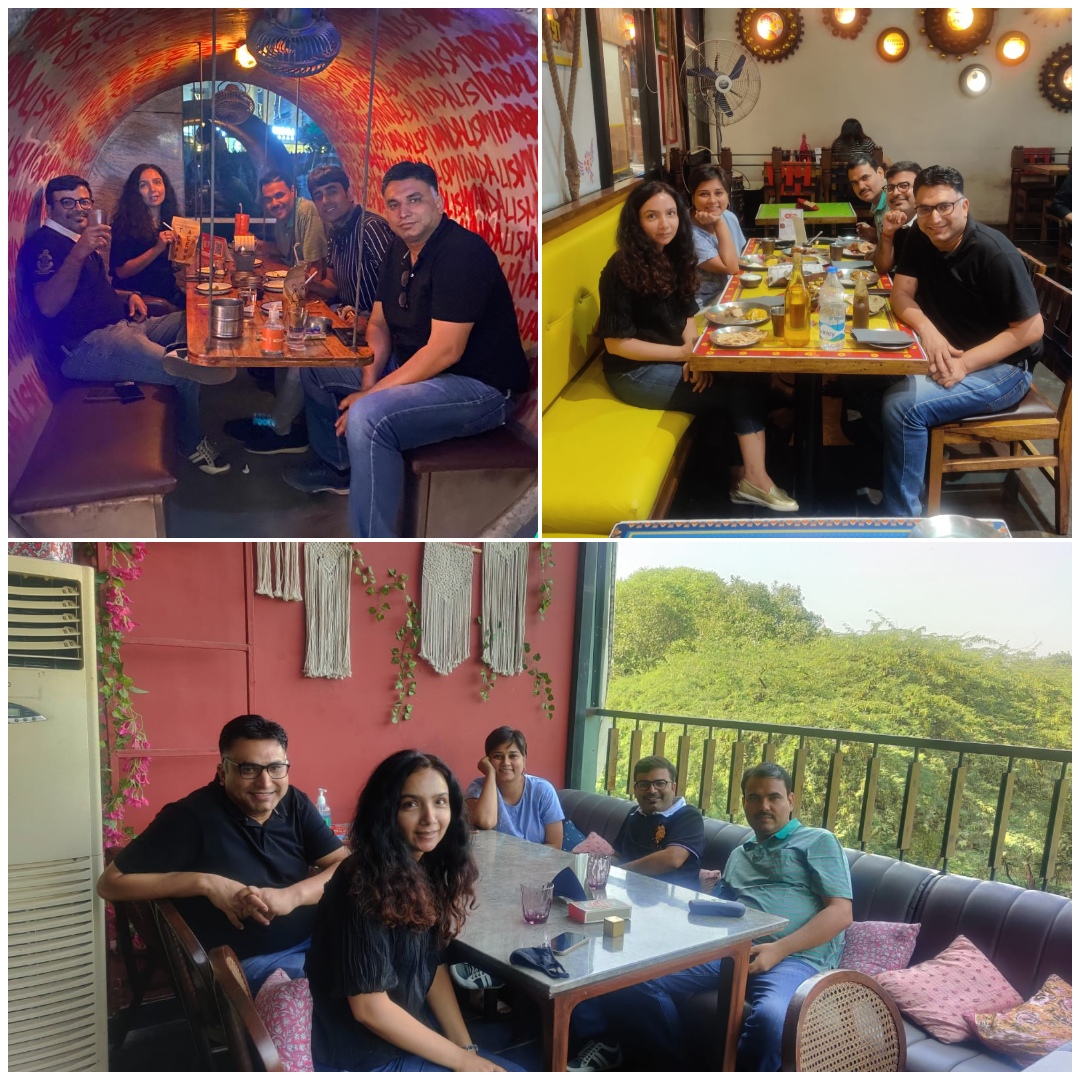 Our 18th Batch catchup@Delhi NCR
Q. In hindsight, what was the biggest contribution or take away from IIFM that you think played a critical role in shaping you as an individual or professional?
A. Looking back, one of the biggest contributions of IIFM was the field exposure it provided. I still remember the field trip to Himachal Pradesh-it was my first real exposure to the realities on the ground. Interacting with local communities, NGOs, and Forest Department officials helped me understand that sustainability and natural resource management are far more complex than what we learn in classrooms.
Another defining experience was OT-1 (now called SI). It was my first real introduction to the concept of microfinance and its potential to transform lives. Seeing how access to small amounts of credit could empower individuals and communities made a lasting impression on me. It was one of the key reasons I chose microfinance as my major at IIFM. More importantly, it taught me that management is not just about business-it can also be a powerful tool for creating meaningful social impact.
Q. The best buddies / seniors /faculty at IIFM? Some memorable tidbits that you like to share?
A. It is difficult to single out just a few people because so many faculty members left a lasting impression on me. If I had to name a few faculty members, I would certainly mention Dr. Madhu Verma, Dr. H.S. Gupta, Dr Yogesh Dubey, Dr Pethiya, Dr. Vinay Sinha, Dr. CSR, Dr. Parag Dubey, Dr. Suparva, Dr. CVRS, Dr. Manmohan and how can I forget my mentor in IIFM Dr B.R Mehta.
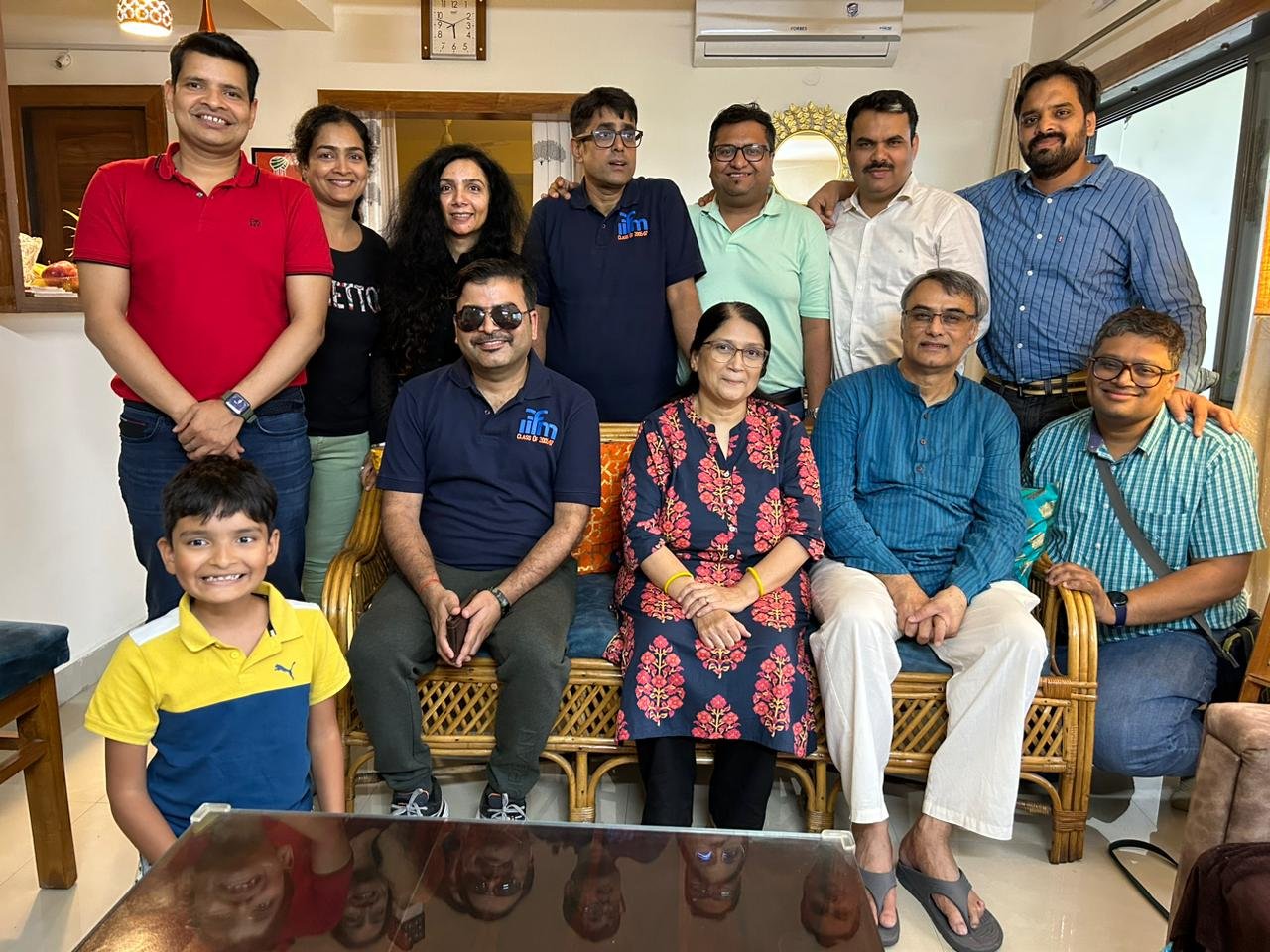 CSR Sir & Maam hosted our Batch very warmly in our 2023 Independence day trip
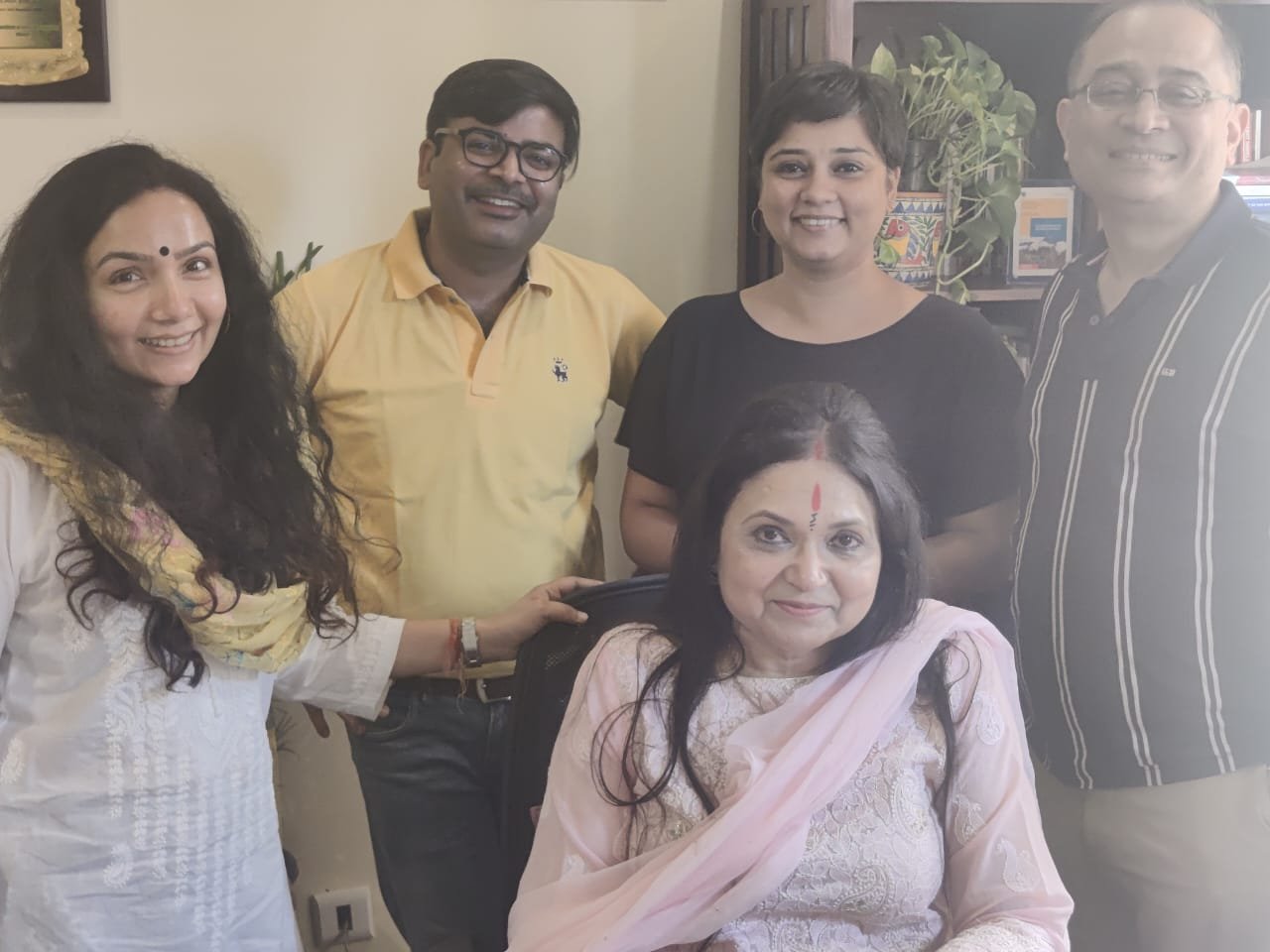 Madhu Maam hosted us at her Delhi home with Sandeep Sir(Our AA President),Bigsna(my IIFM classmate) & Rishi
We also had a visiting faculty teaching us Strategic Management; Dr. G.R Chandrashekhar. His classes left a lasting impact on the way I think about strategy and leadership.
Each of them, in their own way, influenced my thinking and encouraged me to look at problems from different perspectives.
And of course, how can I forget my roommate, Trayee! Sharing a room, countless conversations, late-night discussions One memory that still makes me smile is the night a snake found its way into our room. Needless to say, neither of us got much sleep that night!
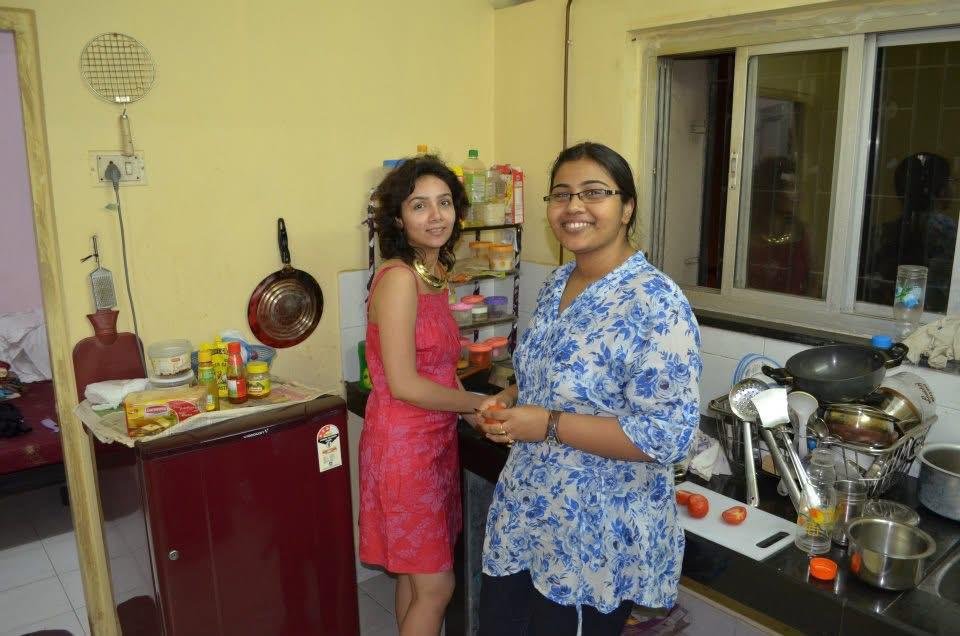 With Trayee at her Mumbai home years ago!
Q. As an alumni, what’s your advice to freshers or those are joining IIFM to get best out of the 2 years there?
A. Be curious and read as much as possible. This is one of my biggest regrets from my time at IIFM-I didn’t make the most of the opportunity to read more. I still remember our senior, Swapan Mehra, constantly encouraging us to read beyond the classroom, but I probably didn’t take that advice as seriously as I should have! Looking back, I wish I had.
The world of sustainability is vast and truly interdisciplinary. It brings together the environment, business, economics, policy, technology, sociology, and much more. Without reading widely, it is difficult to appreciate the complete picture or develop a well-rounded perspective.
IIFM exposes you to a diverse range of subjects, ideas, and viewpoints. The more you read, the better you become at connecting the dots, thinking critically, and forming your own perspective. The habit of continuous learning will stay with you long after you leave the campus and will be one of the biggest assets in your professional journey.
Q. What would be your advise for recent graduates who look for changing their sector after working for couple of years?
A. Changing sectors is not as difficult as it may seem, provided you have the willingness to learn and continuously upskill yourself. My own career has taken me from banking to CSR, then to sustainable finance, consulting, and finally into the corporate sustainability space. Each transition required me to learn new concepts, build new skills, and stay updated with the rapidly evolving landscape.
My advice would be to not let your previous experience define your future. Instead, identify the direction you want your career to take and start building the technical knowledge, domain expertise, and soft skills needed to get there.
Q. What is your typical day at the work? And how does it look like while you are on a break?
A. There is no such thing as a typical day in my current role, and that’s what I enjoy the most. One day I could be working on sustainability reporting, another on ESG ratings, human rights assessments, stakeholder discussions, or energy efficiency projects.
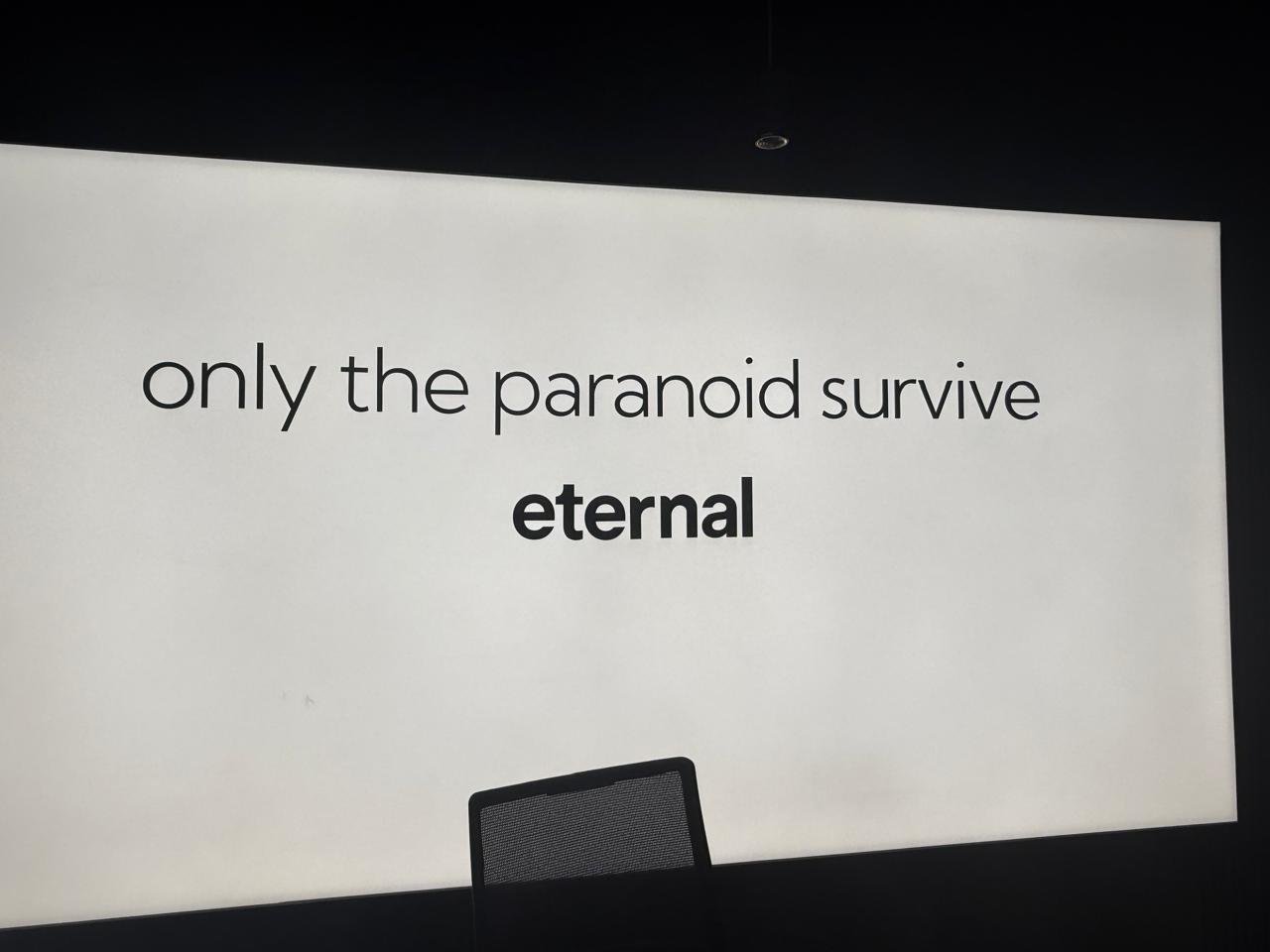 The tag line says it all
A big part of my role goes beyond sustainability reporting, ESG ratings, and assessments. Sustainability in a corporate environment is all about working with different business functions, understanding their priorities, and helping them integrate more sustainable and efficient systems and practices into their day-to-day operations. It requires a lot of collaboration, communication, and problem-solving, which makes the role both challenging and rewarding.
Q. And how about weekends, hobbies, family and anything else you want to add?
A. Weekends are usually my time to unwind, recharge, and just laze around. I enjoy spending time with my family and friends, catching up on sleep, and watching a lot of Netflix-I’m a big fan of well-made thriller movies and series. During the polo season, one of my favourite things to do is head to the polo grounds to watch my brother play. It’s a great way to spend time with family while enjoying a sport I have grown up around.
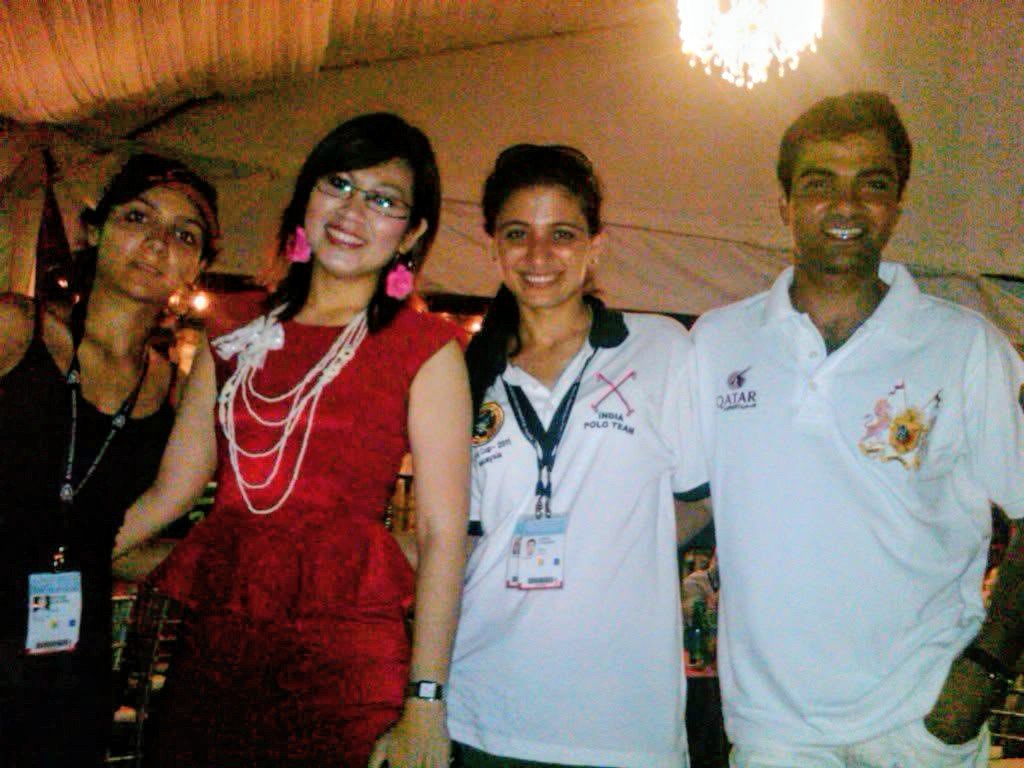 Polo world cup playoffs with Lt Col Vishal Chauhan(my brother):a member of Indian Team
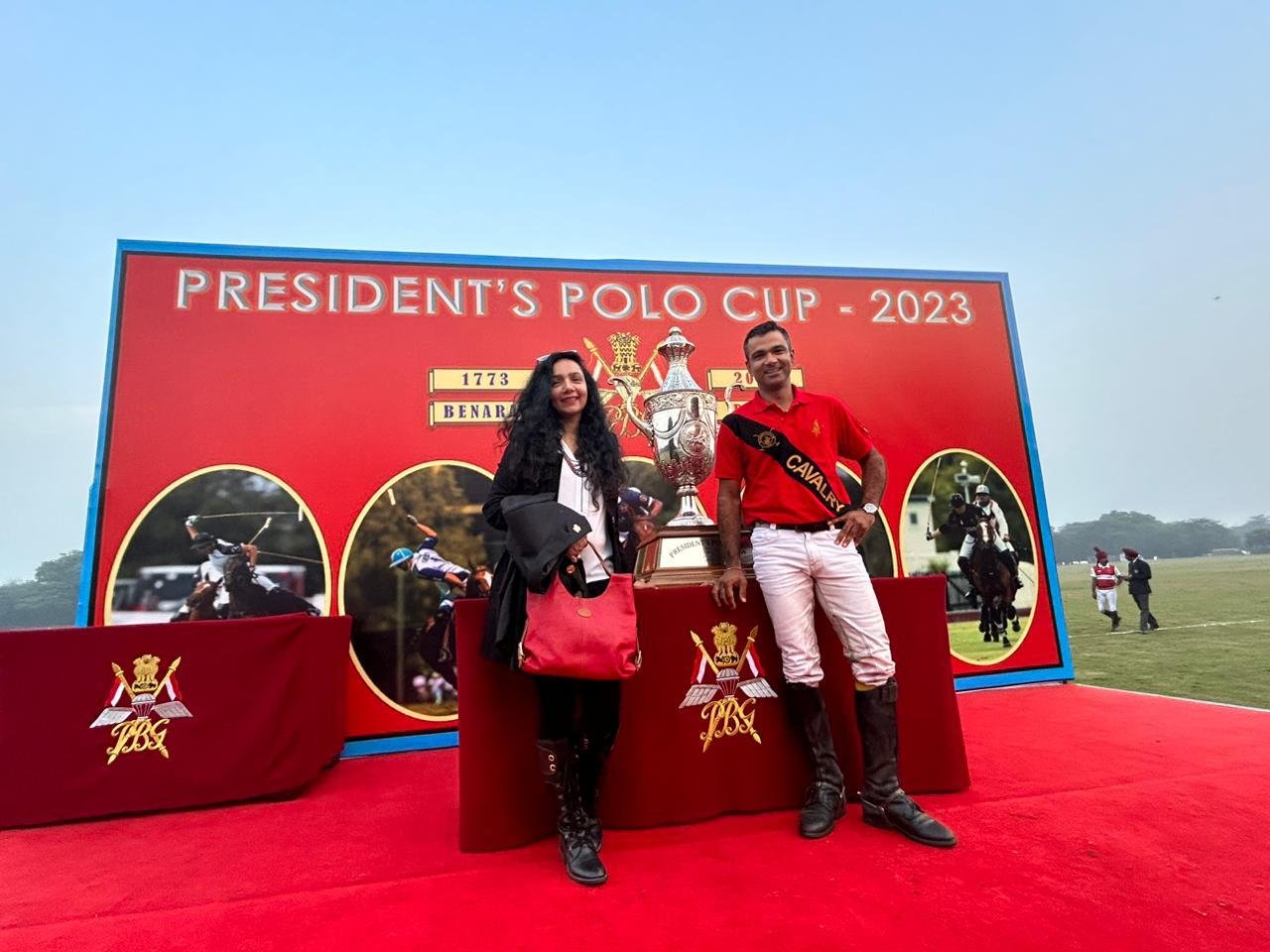 Celebrating with my brother after his team won the Presidential Polo Cup
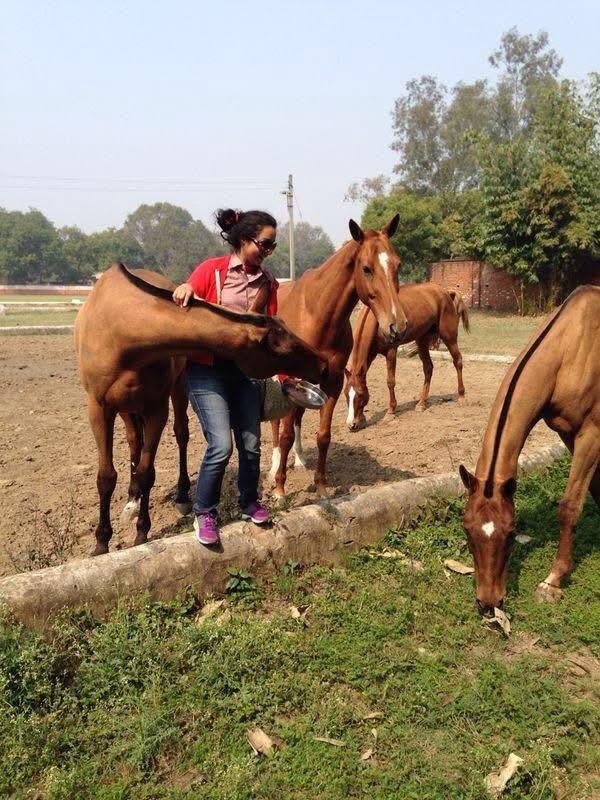 With my brother’s friends!
Q. Favorite Books, movies, authors?
A. I’m a big fan of well-made thriller movies and series, especially those with strong storytelling and unexpected twists. I enjoy watching everything from crime dramas to psychological thrillers. These days, I’m also trying to read more and am currently reading Build It by Albinder Singh Dhindsa.
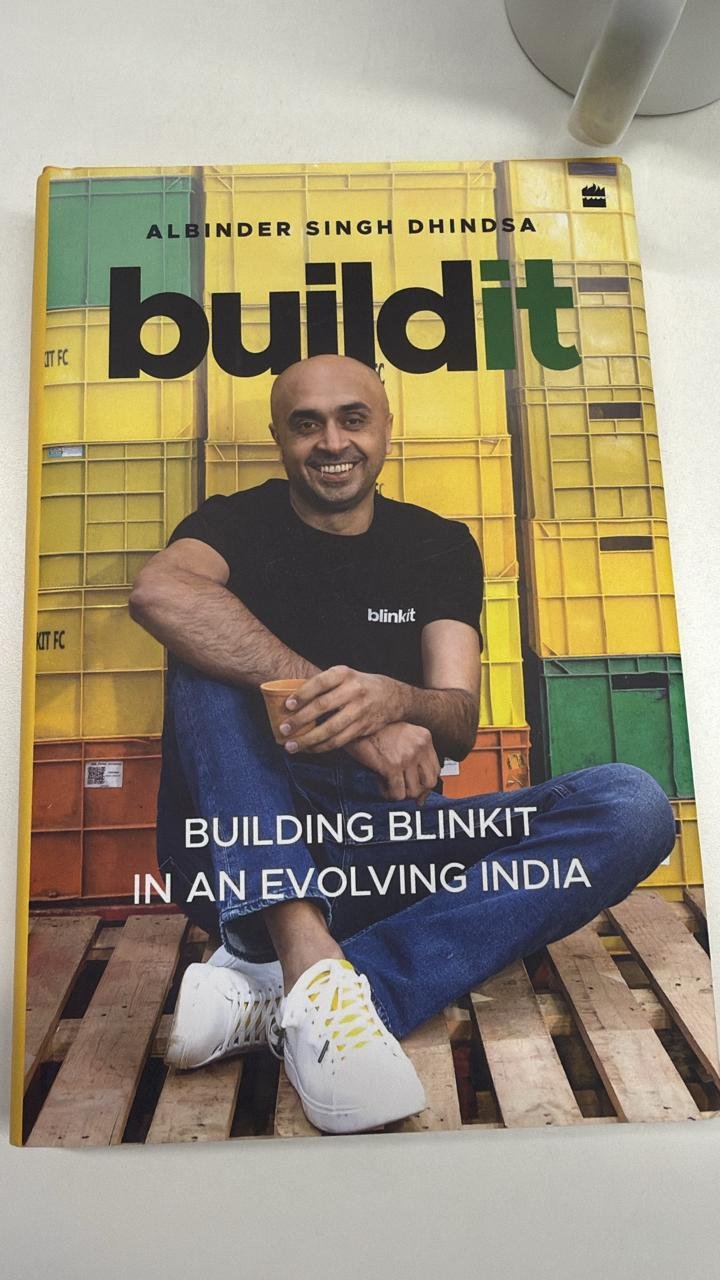 My current book
Q. IIFM is driven by alumni’s passion and commitments towards its goal. How would you like to contribute to IIFM or IIFM alumni, students?
A. I would be glad to engage with students and share my journey, the skills needed to build a career in sustainability, and the evolving expectations from professionals in this space.
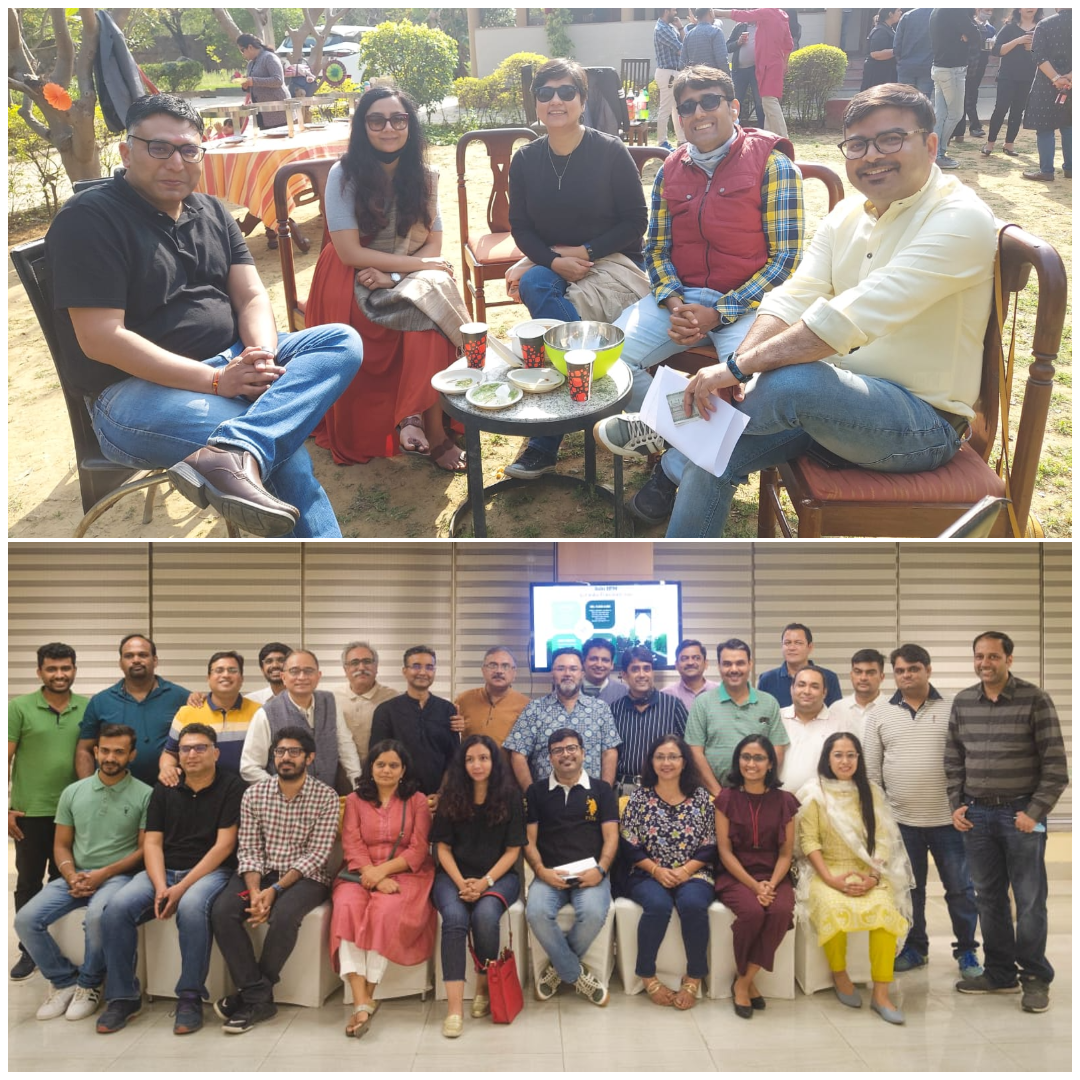 @IIFM Delhi NCR Meets: a great initiative post Covid
Q. What do you think is different at IIFM now vs when you studied there? When was the last time you visited IIFM?
A. Thanks to Rishi, some of our PFM 2005–07 batchmates makes it a point to visit IIFM every year around Independence Day, and I was fortunate to tag along in one of those reunions in 2023. It was wonderful to be back on campus and reconnect with old friends.
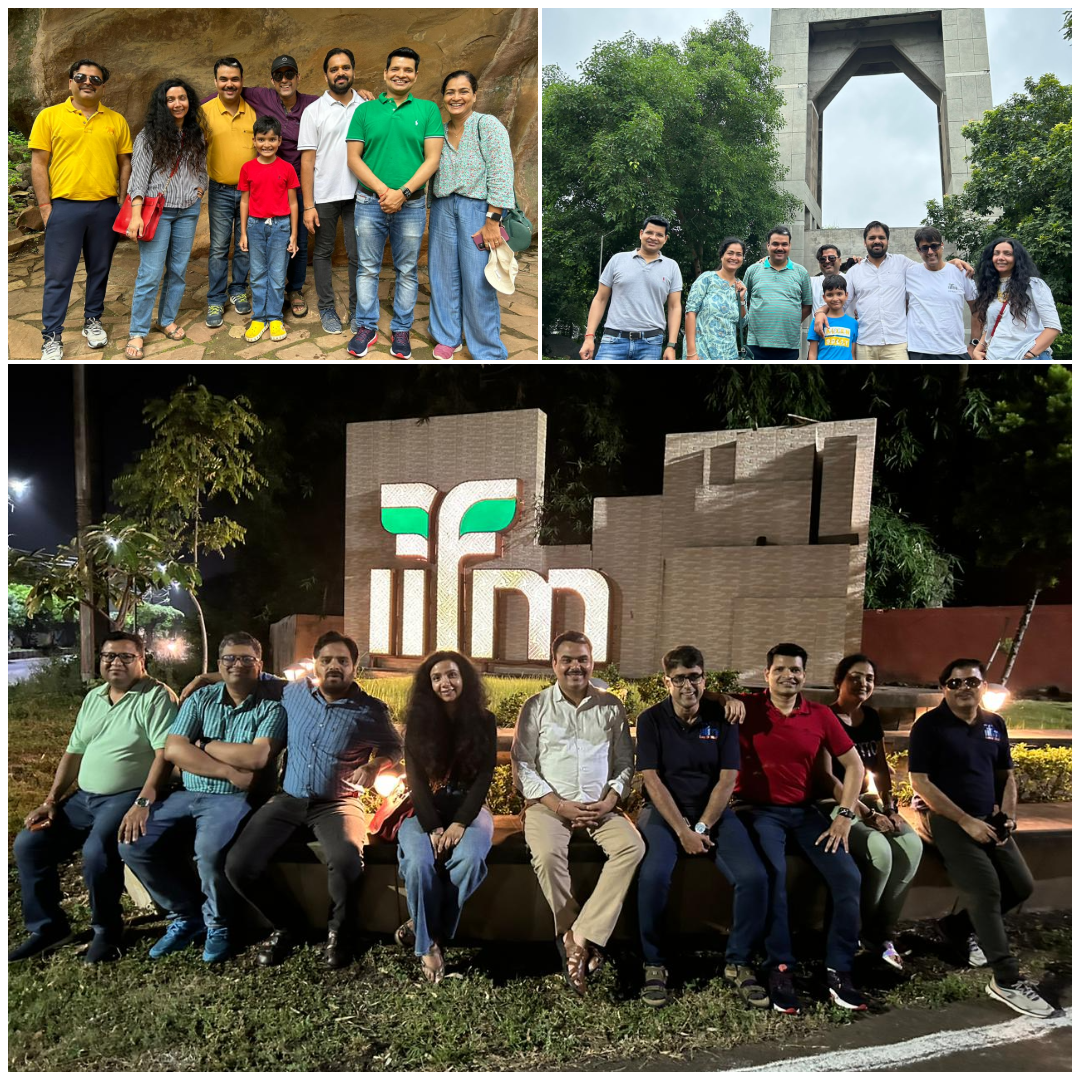 ‘Our Independence Day 2023 IIFM Trip’
The campus has evolved a lot over the years-with new buildings, better classrooms, and improved facilities. But what made me happiest was listening to the vision that the Director Sir has for IIFM and the passion with which he is working to take the institute forward. It was inspiring to see the progress while knowing that the values and spirit of IIFM remain just the same.
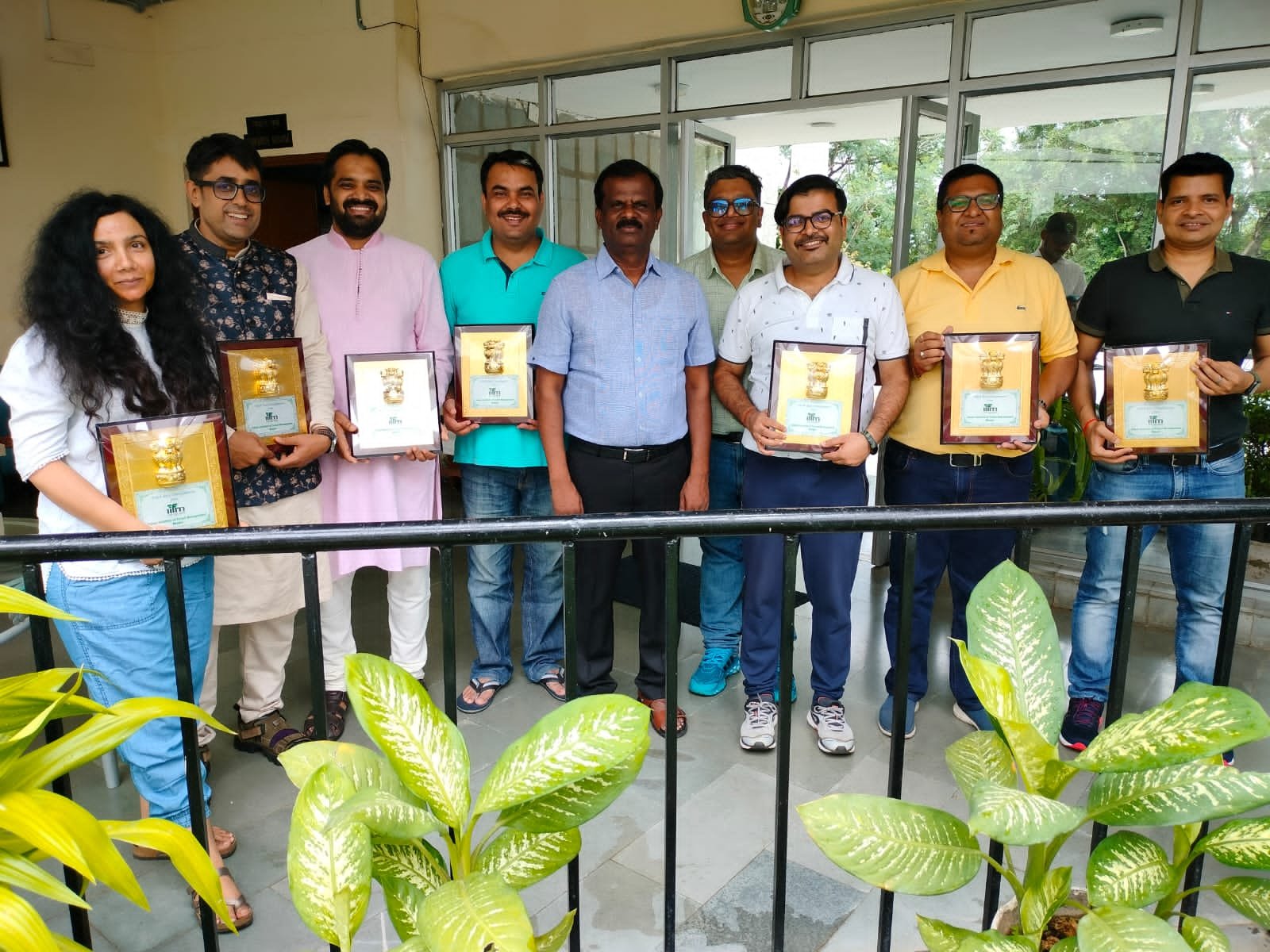 Our Batch with Director Sir in 2023 Reunion@IIFM
Q. Any suggestions on who you want to get profiled/interviewed here?
A. I think many of us from the batch have been waiting to see Rishi Prakash featured. He has had an interesting journey and has always been one of the stalwarts of our batch, so it would be great to hear his story and experiences through an alumni profile.
Also many from our batch have shared their journey but there are still few who haven’t like Satya, Shreekant, Himanshu, Kamal, Krishnan and others so would be wonderful to have them here.
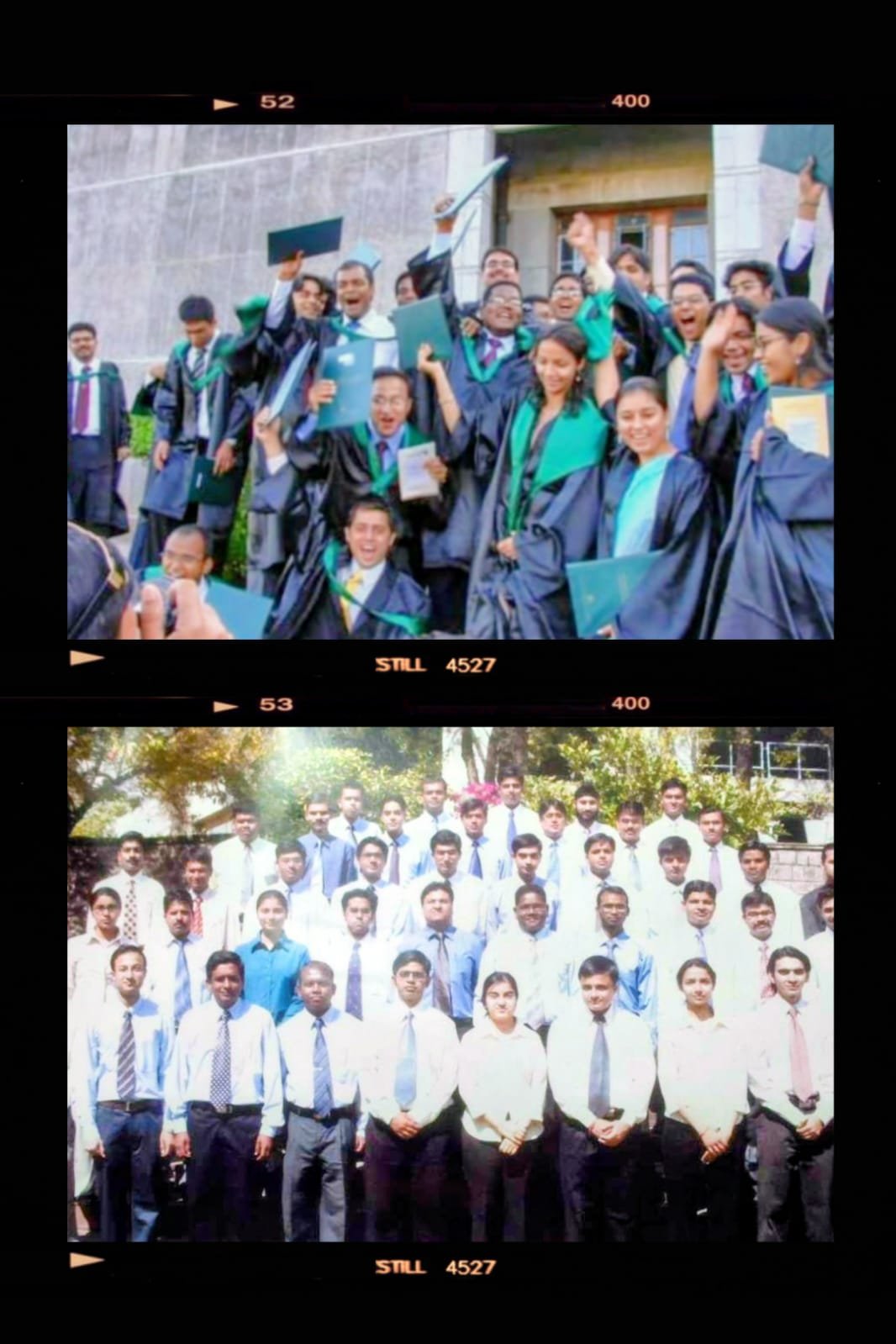 Convocation & Placements time in 2007