
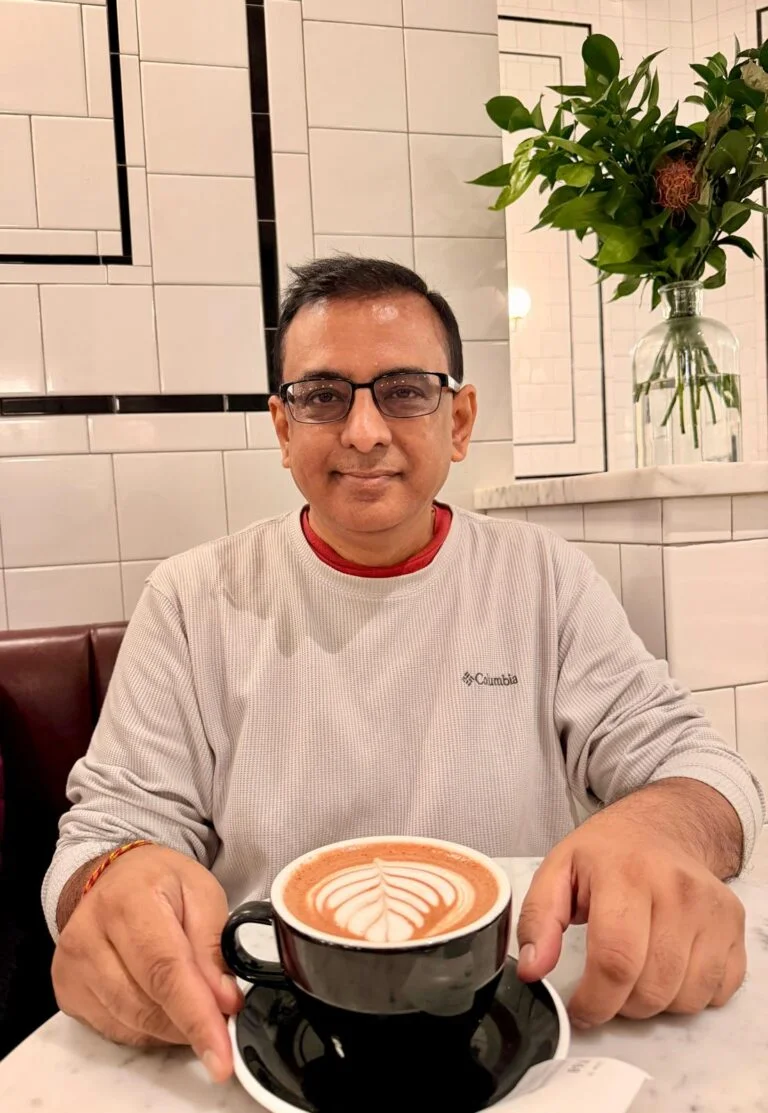
Finance leader by profession. Environmentalist by calling. Story Listener by instinct!
Chandra Kishore belongs to the 1989–91 batch of IIFM. By profession he is a finance leader — Senior Finance Professional at M.C. Dean Inc. in Virginia, where he was part of the founding team that built a converged voice-video-data telecom group and helped deliver one of the Mid-Atlantic’s first Fibre-to-the-Premise networks. He led the financial management of government contracts across the world, including facilities management programs across data centers.
By calling, he is an environmentalist and a connector. For over twenty-six years he has built and run Paryavaran.com — the Indian Environment Network — now roday out with roughly 7,000 members across 2,000+ organizations. He paused the network recently to build a global platform “Green Corporate Club” 24X7 virtual platform, AI Multiplied to mentor the next generation of environmental leaders and help them create a million hours of work in the service of the earth. He has interviewed more than 100 Environmental leaders globally through his Day out with a Star platform. He was recognized as Global Environment Leader by the Tällberg Forum and India Currents Magazine in US featured him as one of the few Indian American environment leaders working for the “Greater Common Good”.
Location: Northern Virginia (Washington, D.C. metro), USA
LinkedIn: https://www.linkedin.com/in/chandrakishore/
Green Corporate Club: https://greencorporateclub.com/
Indian Environment Network: https://www.paryavaran.com/
I. Roots — Road to IIFM
Q. Tell us where you come from, and what that landscape planted in you before you reached IIFM.
A. I grew up in the Chotanagpur region of Bihar, the son of a mining engineer, which means I spent my childhood with front-row access to some of the richest biodiversity in the country — and watched large-scale mining slowly eat it away. That contradiction shaped me before I had words for it: my father’s world drew its living from what lay under the earth, and I was quietly grieving what disappeared from the surface as it did. You could say I became an environmentalist by watching, up close, the true price of extraction.
It also left me with a lifelong suspicion of how we measure wealth. Even now I am amazed that the poorest people on earth so often live in the richest natural surroundings — and that we still call them poor. That early sense of belonging to a place, and of what it costs when we treat nature as merely a resource to be spent, is the seed of everything I have done since, in the environment and in finance alike.
I finished my High School in Delhi, DPS-Mathura Road and completed my graduation in Economics (Hons) from Kirorimal College, Delhi University.
Q. How did IIFM happen and where did you work just after it?
A. IIFM sat at exactly the crossroads I’d been living at without knowing it: a management school whose subject was the natural world and the people who depend on it. The stipend being provided by the institute and the towering building was the biggest draw.
After my master’s at IIFM Bhopal, I went straight to the front line of the most contested environmental question of its era — I spent roughly nine years mitigating and monitoring the large-scale environmental impact of the mega Sardar Sarovar Dam on the Narmada. That work marked me. It is where I learned, in the field and not in theory, what “development” costs, who pays for it, and why the phrase “for the greater common good” is never as simple as it sounds. I still cherish the first few years of my service working in the ravine and barren areas of Sabarmati River with villagers to create a social fence around ravine lands. I visited the area recently after 30 years and was proud to see a breathing forest in that place!
II. The Turn — how a forester ended up running the books
Q. From the Narmada valley to finance in the United States — how did that happen?
A. It surprises people, and honestly it sometimes surprises me. After nearly a decade on the Sardar Sarovar work, my path (following my wife!) carried me to the United States and into the world of converged telecommunications, facilities management and government contracting. IIFM is a management institute, and management is portable — a balance sheet, a project plan, a way of thinking about resources and risk doesn’t care whether the resource is a river valley or a fibre network. Over time I moved deeper into finance, project management and administration until that became my profession. What looked like a detour away from the environment was really the same instinct applied to a different landscape: I have spent my career at the meeting point of finance and infrastructure — most recently managing a $200M contract for facilities management of data centers, ensuring that they are energy efficient and run smoothly 24X7.
Q. Did it ever feel like you’d left the forest behind? How did you make peace with a finance career and an environmental heart?
A. I never made peace with leaving it behind, because I never fully did ☺️ I decided quite deliberately that my profession and my calling could run on two tracks — that I would be excellent at finance to earn my living and my credibility, and that I would pour my evenings, weekends and a good part of my soul into the environment. Most people are told to choose. I refused to. The finance career gave me discipline, reach and the means to build things; the environmental work gave all of it meaning. I am so proud to have touched the lives of young Indian environment professionals all over the world through my web portal www.paryavaran.com pouring my nights and weekends solving their problems and helping build their careers. At the peak, whenever I visited India in any city and town or countryside, there was a young member professional from my network to greet me and share his/her story of courage and resilience choosing the environment profession while other professionals earned a bigger paycheck!
III. The Calling — 26 years of the network, and the art of the interview
Q. You’ve spent over twenty-six years building Paryavaran.com, the Indian Environment Network. Why start it, and why keep going for a quarter of a century?
A. I started it because it did not exist and it needed to. Environment professionals from India were scattered all over the world — brilliant, committed people working in silos, often invisible to one another. I wanted to build the connective tissue: one place where they could find each other, share work, hire and be hired, collaborate, and simply feel less alone in a hard vocation. Now it has spun off a new portal, a virtual Green Corporate Club, where we can support green leaders in building energy efficient and resilient green infrastructure, AI multiplied. Why keep going for twenty-six years? Because a network is not a launch, it’s a garden. It only means anything if someone tends it, year after year, without applause. I decided a long time ago that I would be that someone.
Q. Recognition came early. In 2002, a US magazine listed you one of a handful of leading Indian American environment leaders in the U.S., in a feature titled “For the Greater Common Good.” Reading it back now, what strikes you?
A. Two things strike me, more than twenty years on. The first is that the title fit my life almost too well: I had just spent nine years on the Sardar Sarovar Dam, and “the greater common good” is the exact phrase people used to justify submerging whole valleys — so I knew, first-hand, how much that phrase can hide about who pays and who is forgotten. The second is more humbling. In that 2002 piece I told the journalist what my life’s mission was, in plain words: to create a million man-hours of work, over my lifetime, for environment and nature professionals — to nurture their careers and give their work the dignity the world denies it. I said it before I had any idea how to do it.
Back then it infuriated me — it still does — that a doctor who saves a thousand lives earns wealth and acclaim, while an environment professional trying to save all life earns censure, or worse. I built the network because I wanted to change the status of these professionals. Later recognitions carried the same meaning: being counted at the Tällberg Forum in Sweden was proof that a thing built patiently, from a home desk, could be felt across the world. But the recognition I value most is still a quiet note from a young member saying the work helped them find their way. That, to me, is the greater common good — working one person at a time.
Q. “Day out with a Star” is your other great labor of love. What is it, and what made you want to interview people?
A. “Day out with a Star” was a simple, almost stubborn idea: that the people who deserve the spotlight are usually the ones who never get it. Not celebrities — grassroots innovators, a man who has protected wildlife for twenty years, a moth scientist, a nature poet, a teacher reinventing his classroom, an angel investor who started as a door-to-door salesman. I sat with each of them over a virtual cup of coffee and simply let them tell their story, live, so that anyone watching can be inspired and even book time to learn from them directly. I wanted to interview people because I believe the most valuable thing we can hand the next generation is not advice — it’s real, unpolished human stories that say: this life was possible, so yours is too.
Q. You sat with more than a hundred of these stars. Distil it for us — what has all that listening taught you?
A. More than I could have learned any other way. When you let a hundred people tell you their real story, unpolished and live, the same handful of truths keep surfacing — across a moth scientist and an angel investor, a forest officer and a farmer’s champion. I’ve come to trust five of them enough to stake my name on. They are, in a sense, the whole curriculum of the series.
FIVE LESSONS FROM A HUNDRED CUPS OF COFFEE
1. The straight line is a myth. The most remarkable people I’ve met arrived by the strangest routes — a door-to-door salesman who became an angel investor, an oil-tanker captain who became a water-tech founder, corporate managers who walked out to work with farmers. Their detours weren’t delays; they were the whole point. Trust your own winding road — mine ran from forests to finance.
2. Find the one thing you can’t stop caring about. The stars who shine longest are the obsessed ones — the woman who gave her life to moths, the man who has stood on the frontline of every local nature disaster for twenty years. A single deep obsession will organize a whole life better than ten sensible plans.
3. Marry the passion to a model that can pay for itself. Idealism needs an engine. The ones who endure found a way to make the green cause viable — decoding the “returns on biodiversity,” putting an economic value on a tiger’s habitat, patenting the humble composter. Purpose and profit are not enemies; the future belongs to those who braid them.
4. Persistence beats brilliance. Twenty years. Twenty-three. Thirty-four. The numbers in these stories are always long. Almost no one I admire was the most gifted person in their field — they were the one still there, still showing up, long after everyone flashier had drifted away.
5. Give it away — generosity is the multiplier. Every single star, without my asking, turns around to mentor the ones coming up behind. That’s the secret hiding in plain sight: the way to make your impact outlast your lifetime is to hand it to others. It’s why I keep doing this — and the whole idea behind what comes next.
IV. IIFM — what it built in you, and the days you’d relive
Q. Looking back, what did IIFM give you that shaped both careers?
A. IIFM gave me the one thing that turned out to be portable across forests, fibre and finance: a way of thinking. It taught management as a discipline for looking after resources and people responsibly, and it insisted — unusually for a management school — that the environment and society were part of the ledger, not externalities. That framing never left me. Whether I’m reading a contract worth millions of dollars or nurturing a volunteer-run network, I’m doing the same thing IIFM trained me to do: steward something valuable, for the long term, honestly, for people who are counting on it.
Q. Favorite memories of your IIFM days? The people, the campus, the small things.
A. The campus on its hill above the water; the flora and fauna; the friendships forged in a small batch of PFM 89-91 and beyond; the late nights, the field visits to Pauri Garhwal, Chotanagpur Tribal forests, the wildlands of Hunsur in Karnataka and above all the Gluttons Club. The memories I return to aren’t the exams (although I did well!) — they’re the ordinary evenings tasting food with fellow Gluttons that somehow became the foundation of lifelong friendships. My wife just has a name for me- “Chatora”. It helps that she is an amazing cook too!
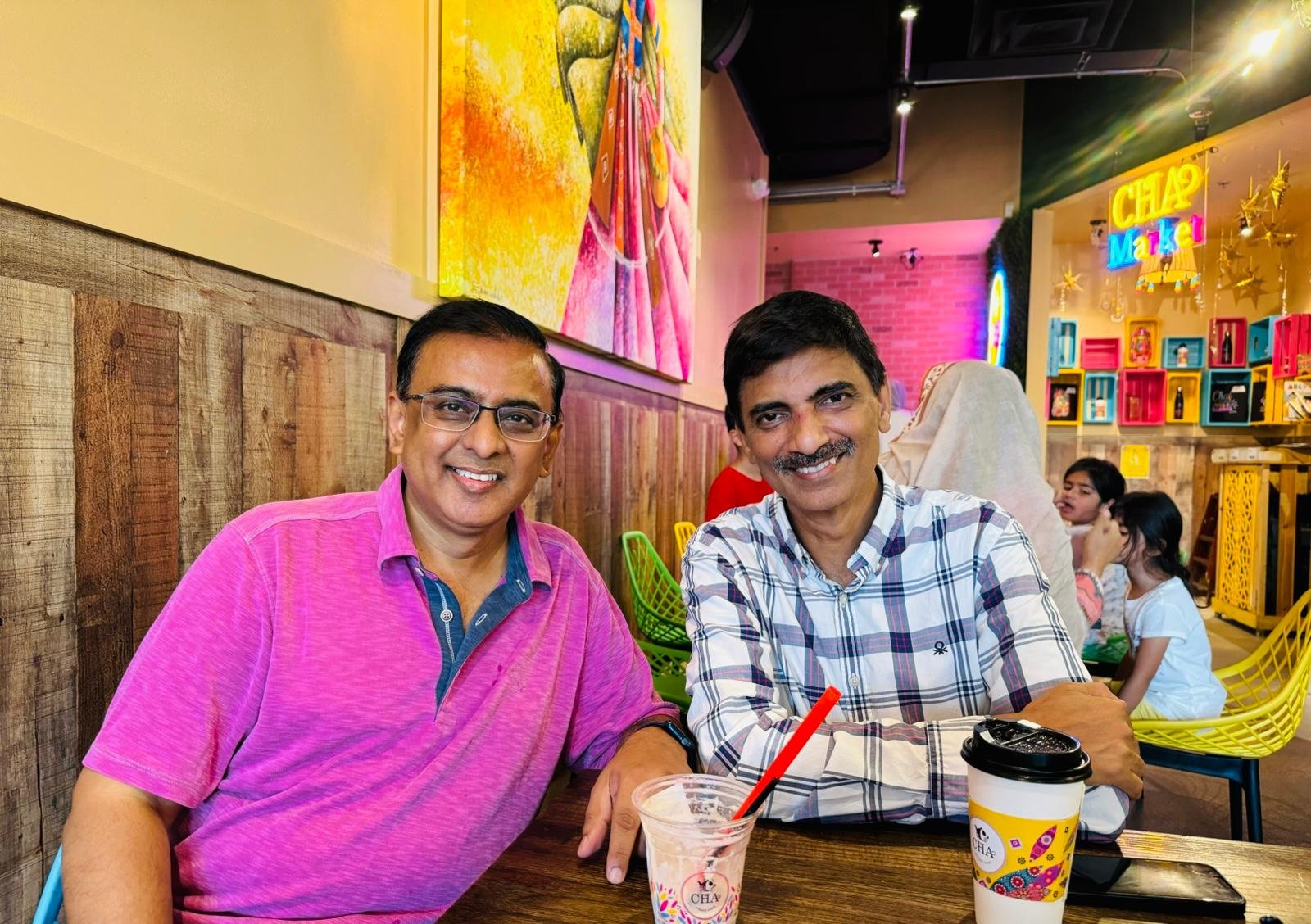
Q. The best buddies, seniors and faculty — any tidbits you’ll share with us?
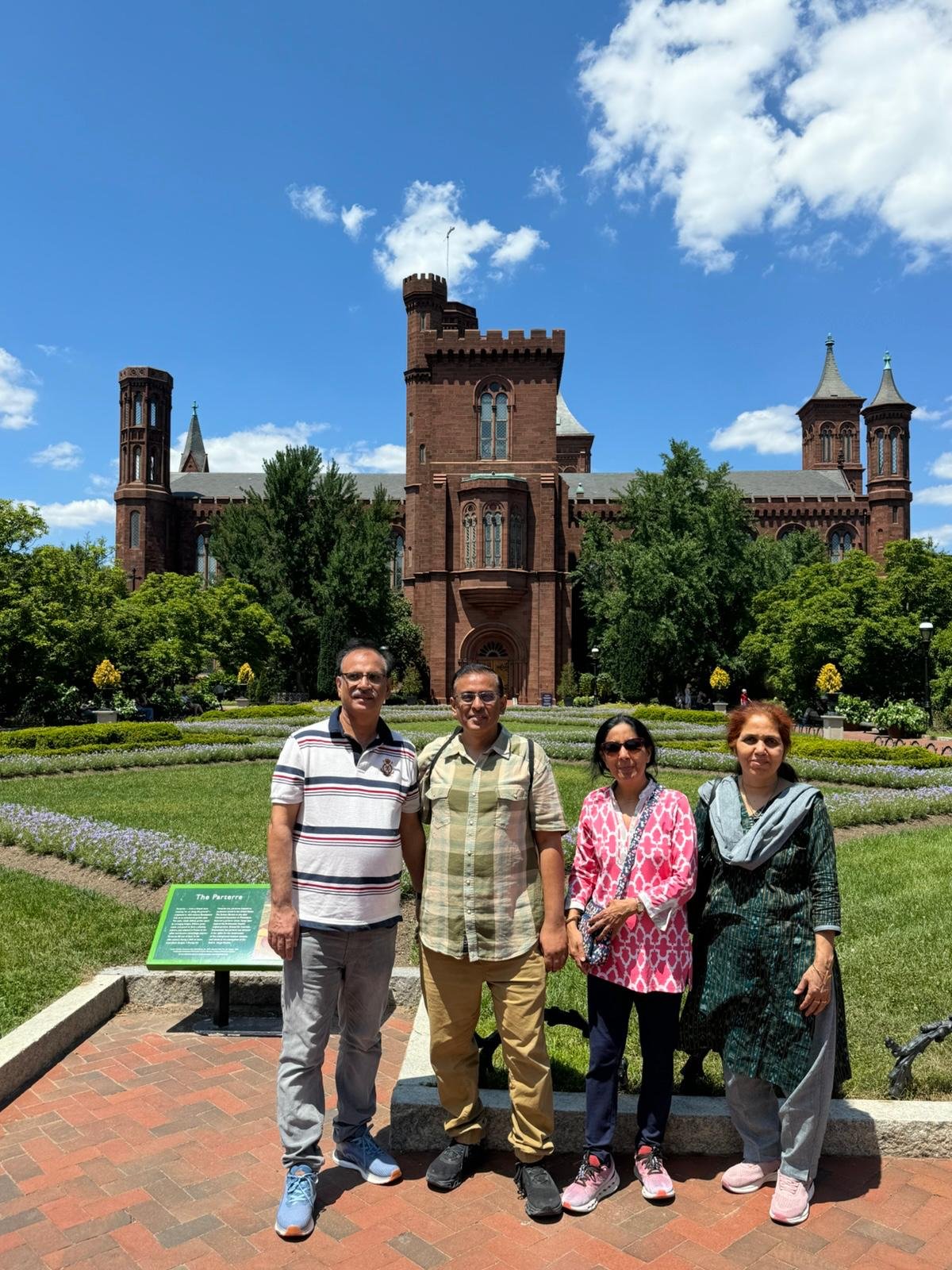
A. I am indebted to Prof. Pethiya, Prof Shashikant, Prof Biswas and many others who left an indelible mark on my way of thinking. I later interviewed most of them in my “Day out with a Star” show trying to understand how ordinary mentors can change the lives of their mentees. My batchmates from PFM 89–91 are my extended family. Even beyond that, I have always considered every IIFMite as my mentees and they were indeed my cheerleaders when I started Indian Environment Network long back. For years, my home near Washington DC was a “must stop” for every IIFMite who visited USA.
Q. As an alumnus, what’s your advice to someone joining IIFM today — how to get the best out of those two years?
A. Learn the discipline sincerely, but do not mistake the syllabus for the education. The two years are really about three things: a way of thinking you’ll use for forty years, friendships that will outlast every job, and the discovery of the one issue you can’t stop caring about. Find that issue while you’re there. And build the habit of connecting people, stop and listen to their problems and help them in their need— it compounds by nurturing you in return for the rest of your life.
V. The Person & the Family
Q. What does a typical day look like — and what does a break look like?
A. By day, finance: monthly closing of books, budgets, forecasts, reviews, contracts, the steady discipline of keeping a complex business honest and on course. Around the edges — early mornings, evenings, weekends — the other life: these days most of my evenings and nights are spent talking to Claude AI, my technical assistant building the vision for the Green Corporate Club together!
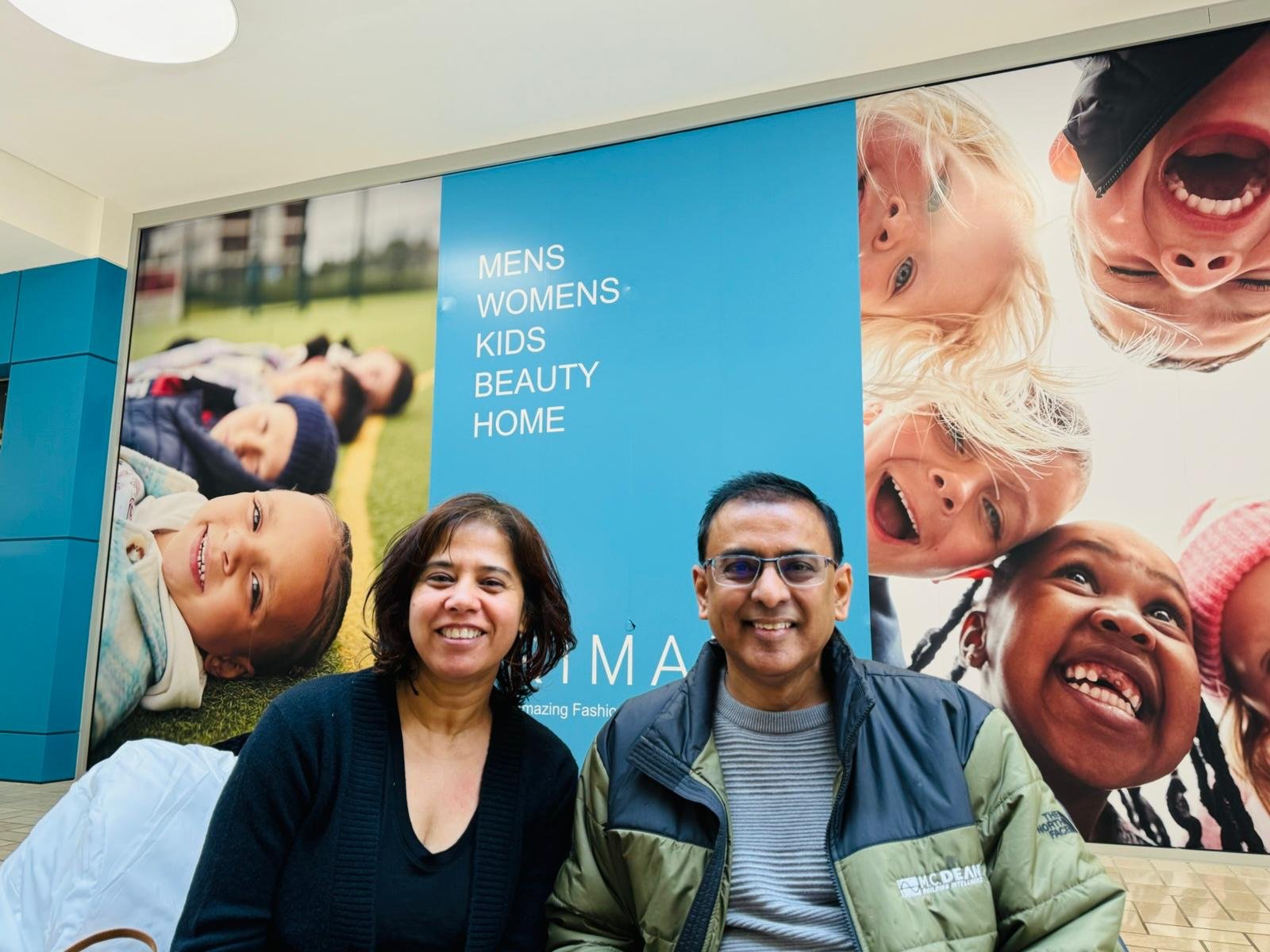
Q. Tell us about your family.
A. The short version: everything I’ve built rests on Rosy, my wife — a woman of steel who shaped our son’s destiny and mine and made us both better every single day. A life split between finance and a calling, between India and the United States, only works because home has been that steady.
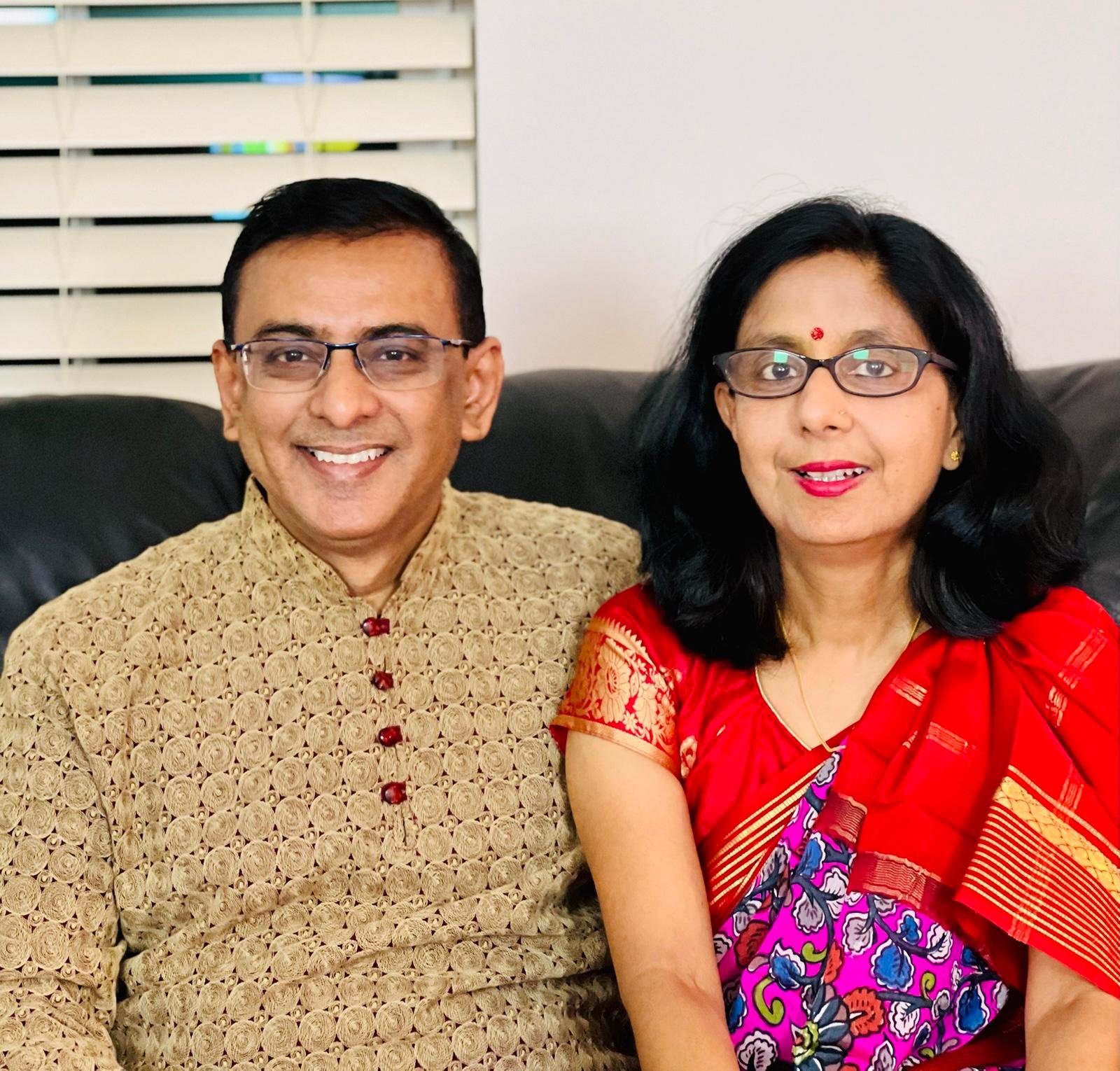
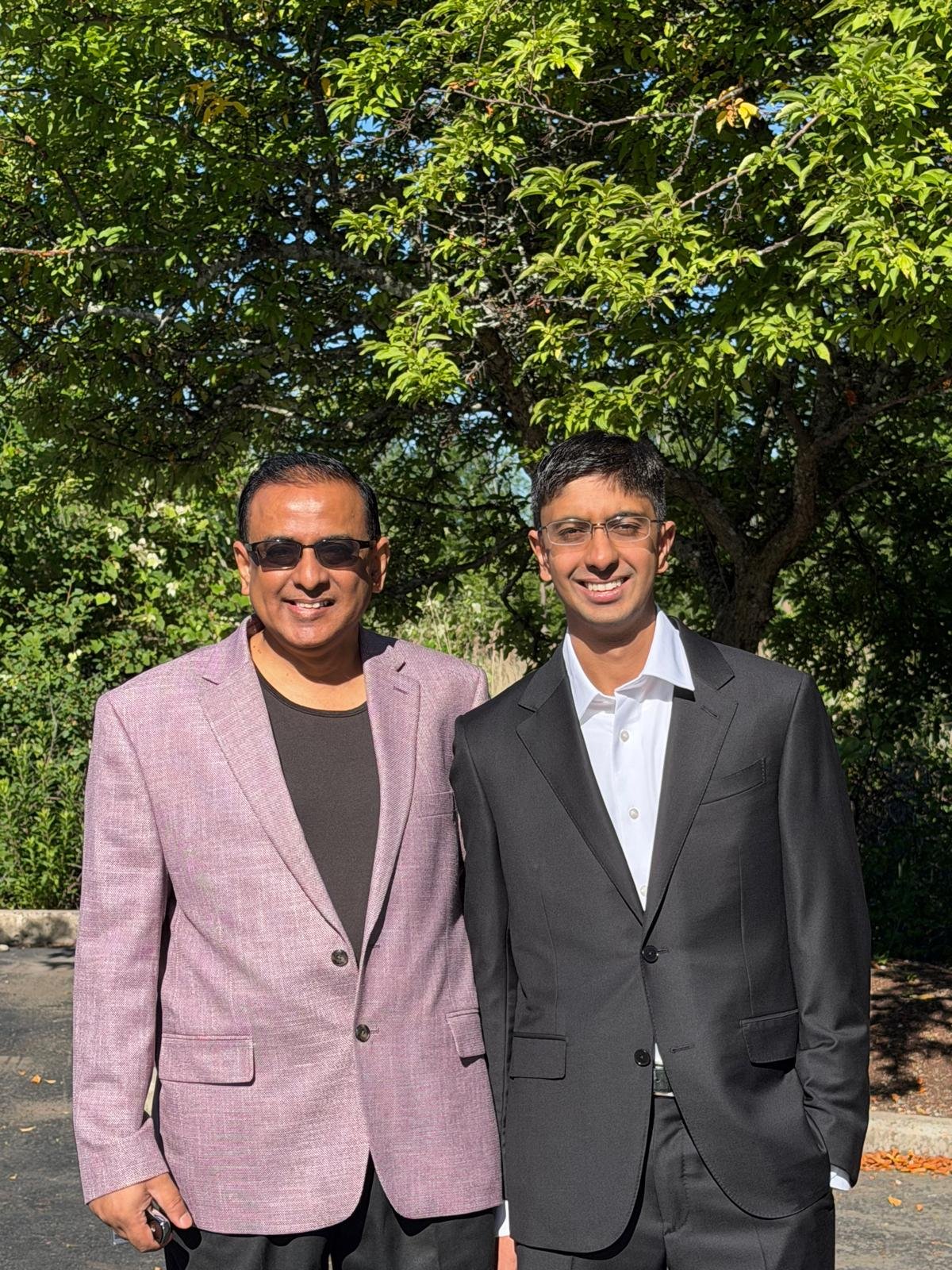
Two lessons I’ll never forget. When my son Nand was in grade one, the school complained that he wouldn’t sit down — he did all his work standing up. Years before the best companies in the world started handing their smartest people standing desks, I learned to read that not as a problem but as restless energy — and energy like that, channeled the right way, can take a person anywhere. The lesson stuck with me for life: don’t crush the thing that makes a child different; find out what it’s for. Today, I am so proud to see him grow into one of the best AI and Machine Learning engineers in the world.
The second came later. I realized you cannot simply tell a child to learn — you must sit down beside him and learn it yourself. So, I’d buy probability books above his grade level and work the problems while he watched, both of us determined that he would beat his old man. I couldn’t tell you the exact day he passed me and left me far behind — but he did, and nothing has ever made me happier. That is the whole of parenting, really: teach by doing it beside them, and want, with your whole heart, to be overtaken.
Q. Weekends and the things that keep you whole?
A. Time outdoors, the walks (Ashburn, VA where I live is such a beautiful place), the writing — and the community work, which never feels like work; it’s the thing I’d do even if no one were watching.
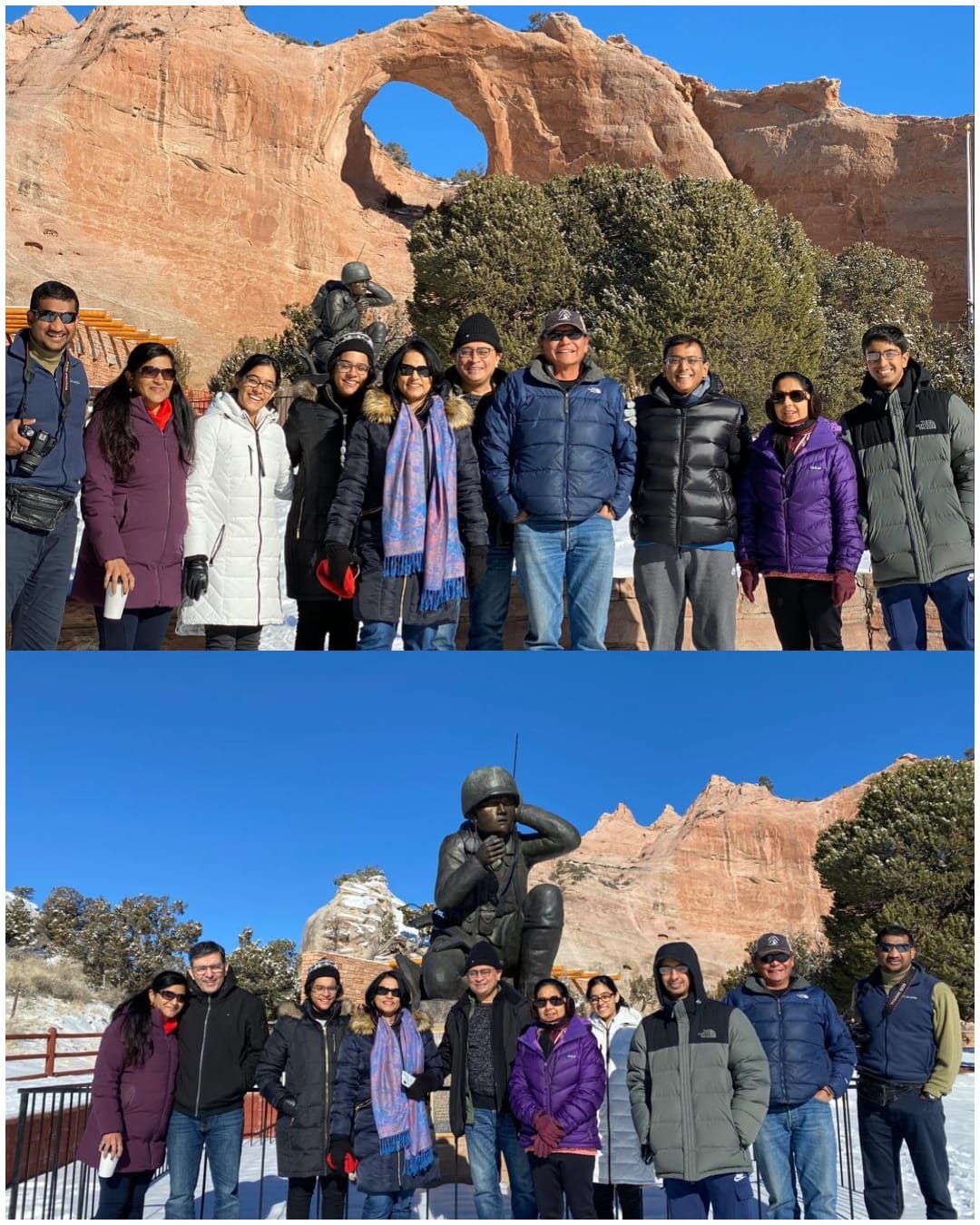
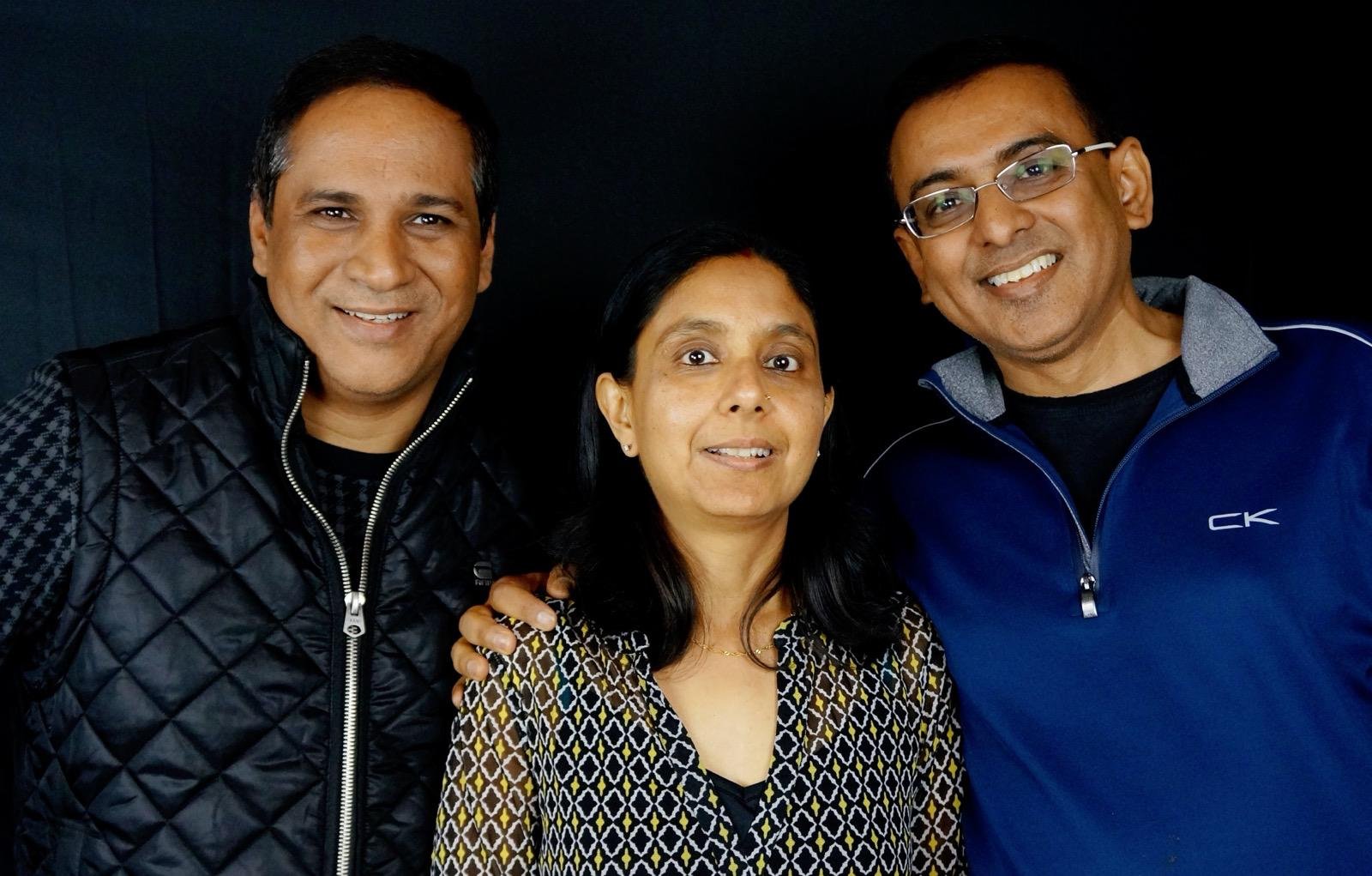
Families: Chandra Kishore, Sandeep Chakravarty, Alark and Vijay & Anjali Kaul.
Q. Favorite books, films, authors — what feeds you?
A. “Start with Why” by Simon Sinek, because it mirrors my own philosophy of knowing why we need to do certain things in life. And yes, all the Robert Greene Books. Start with “48 Laws of Power” and the “33 Strategies of War”. It again grounds you in the historical context of why we do, what we do!! Once you understand that, you will feel great about doing amazing things when no one is looking. Life is not about seeking fame, it is about doing little things that make you happy, every day!!
Q. IIFM runs on its alumni’s passion. How would you like to contribute?
A. I have already contributed my own little bit to IIFM Alumni through my networks and platforms. Feels great to see the next generation of Alumni taking it forward in a very meaningful way. Through the Green Corporate Club, I am now building the platform where the mentors and mentees can walk the long walk together. I hope they will use it to fulfill a common dream to keep our environment safe.
Q. What feels different about IIFM now versus your time there?
A. What hasn’t changed, I hope, is the core idea that first drew me: management with a conscience, pointed at the natural world. If anything, the world has finally caught up to what IIFM understood in 1982 — that the environment is not a department, it’s the whole balance sheet.
VI. The Legacy — the Green Corporate Club, and a million hours for the Earth
Q. For twenty-six years the Indian Environment Network connected professionals across India. The Green Corporate Club feels like that same idea, reborn for the whole world. Is that how you see it?
A. Exactly that. The Green Corporate Club is the Indian Environment Network grown up and gone global — the same DNA, a far wider stage. They even share the same roots literally: both are run by the Network of Indian Environment Professionals. Twenty-six years of building the network taught me the three problems worth solving, and the Club is my answer to all three at once.
Green professionals still work in isolation — a sustainability engineer in Mumbai has already cracked the exact problem a facility manager in Dallas is losing sleep over tonight, but with no platform between them that knowledge just dies in a PDF nobody opens. Serious green advice is still priced out of reach — hundreds of dollars an hour that a mid-career professional in India or Brazil or Nigeria simply cannot pay, which I think is both wrong and fixable. And green innovation still crawls from one industry to the next when it should sprint. The network proved that people will gather. The Club is built to make that gathering actually change what gets built.
Q. The Club’s mission is “Building Green Infrastructure, AI-Multiplied,” and its one collective goal is a million hours in the service of the Earth. Unpack that — why hours, and why a million?
A. Because the planet doesn’t need more awareness; it needs work done. I grew tired of the annual ritual of environmental platitudes — the arm-chair publishing, the well-meaning posts that change nothing — so the Club measures the one thing that actually matters: real hours of green work delivered in the world. Every compliance plan deployed, every regulatory gap closed, every professional coached into a green role, every methodology packaged so someone else can use it counts as measurable hours of service to the Earth, by a method that’s published and auditable.
“AI-multiplied” is what makes it possible: one professional’s effort, amplified by AI, now does the work of many. And a million is deliberately concrete — not a slogan you can’t hold, but a number a global community can march toward together, hour by counted hour. It reframes saving the Earth as what it honestly is: organized human labor, at scale, in the service of something far larger than ourselves. Every member is a Green Leader, and every Green Leader puts hours on the board.
Q. Why have you launched something brand new at this stage of life? Why now — and why the urgency?
A. Because the deadline is real, and it isn’t mine — it’s the Earth’s. The regulations that will finally force green infrastructure into existence are landing right now: Europe’s reporting and due-diligence rules, deforestation rules, India’s first carbon market — with compliance dates measured in weeks, not decades. The world has either grown more hostile to environmental effort or gone numb to it, and I refuse to answer that with one more World Environment Day essay. For the first time we have tools — AI — that can compress years of expertise into weeks and hand it to someone who could never afford a consultant.
So, the honest answer to “why now” is simple: the need is urgent, the tools finally exist, and I have twenty-six years of exactly the right community to mobilize. The journey isn’t over. After everything, it feels like it’s only just getting started — and that isn’t a weight, it’s the most alive I’ve felt in years.
Q. Beneath the network, the interviews, the Club and the million hours — what is the world you are actually trying to build?
A. Underneath all of it is a single word: together. I’m not really trying to build an organization — I’m trying to build a world where serving mother earth is the profession of choice for this generation and the next — where “ecopreneurs” command the same respect as entrepreneurs, and our thought leaders are environmental leaders. Living together is significant; living together to make the earth survive is what turns a life into a contented one. The million hours, the Club, the network — those are only the scaffolding. This is the building.
Q. Let’s make it a direct appeal. How can IIFM alumni help you build the Green Corporate Club — and why is IIFM the right family to build it with?
A. Because IIFM alumni are the Club’s natural founders. Think about what our two years in Bhopal made us: managers of the environment — people fluent in both the spreadsheet and the forest. That intersection is the entire premise of the Green Corporate Club, and there is no community on Earth better wired for it than ours. So, this is my open invitation, and I mean it as “let’s build this together,” not “come look at my project.”
Join as Green Leaders and put your hours on the board. Become Founding Fellows and Trusted Mentors — hold office hours, mentor the young professionals coming up behind us. Package what you’ve learned over decades with the help of AI in the World EcoMarket and share your expertise to the world. I cannot build a million hours by myself. That’s the entire point: I’m not meant to. Join here at https://greencorporateclub.com/. WhatsApp me for connecting direct and share your vision on how we can build together!