
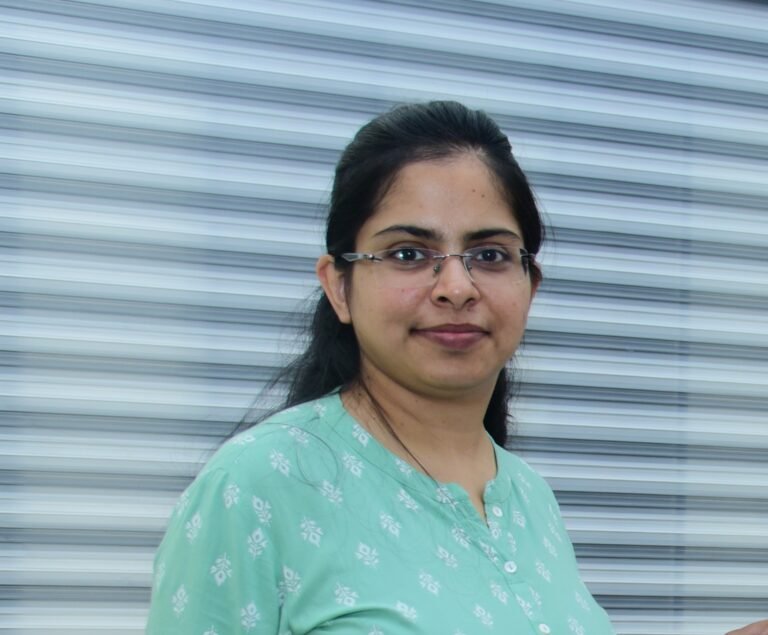
Linkedin: https://www.linkedin.com/in/sherin-mathew-a03b8682/
A. A Malayali by origin and a Bhopali at heart, I was born and raised in Bhopal. I completed my schooling at St. Joseph’s and went on to pursue my graduation in Computer Applications—also in Bhopal. Having spent all my formative years in the same city, my initial plan for postgraduation was simply to step out and explore new horizons.
Back in my school days, I had developed a deep fascination for nature and biodiversity, driven by a few environmental projects that sparkled my curiosity. When I learned about IIFM and its unique ethos, it resonated instantly with that long-standing desire. The PGDFM offered the perfect bridge between my personal interests and professional ambitions. The opportunity was so compelling that leaving Bhopal no longer mattered—I grabbed it with both hands, and it turned out to be one of the best decisions of my life.
Q. How has been your journey from IIFM so far?
A. My journey since graduating from IIFM has been both enriching and wonderfully dynamic. During my time at IIFM, I was quite inspired by the conservation work WWF was leading across remote corners of India. I was fortunate to secure my Summer Internship with WWF in the Khangchendzonga Landscape in Sikkim, where I surveyed 18 high-altitude villages to study the impact of climate change on local agriculture. That immersive experience grounded my passion for field-level conservation and community resilience.
The internship paved the way for my first job through campus placement—again with WWF, but this time in the Western Ghats Landscape, stationed at Wayanad, Kerala. Wayanad was an extraordinary classroom for understanding the real-world complexities of human-wildlife interaction. I was deeply intrigued by the rich culture, distinct dialects, and traditional ways of life of the local tribal communities. On the research front, I was involved in mapping and analyzing the fragmentation of a critical Elephant Corridor. My time there gifted me unforgettable, raw field experiences—from observing first hand an Elephant Postmortem (what an unappetizing day!) to being with the tracking team during a high-stakes operation to tranquilize a Tiger which had turned into Man-Eater.
Following my tenure with WWF, I transitioned into the government sector initiatives with the MP Ecotourism Development Board. Managing the project cell gave me a ring-side view of governance, state-level planning, and policy drafting. I contributed in formulating Recreational and Wildlife Experience Rules and led on-ground site identifications. Conducting exploratory assessments for Ecotourism in lesser-known pockets of the Sanjay Dubri Tiger Reserve remains a personal highlight.
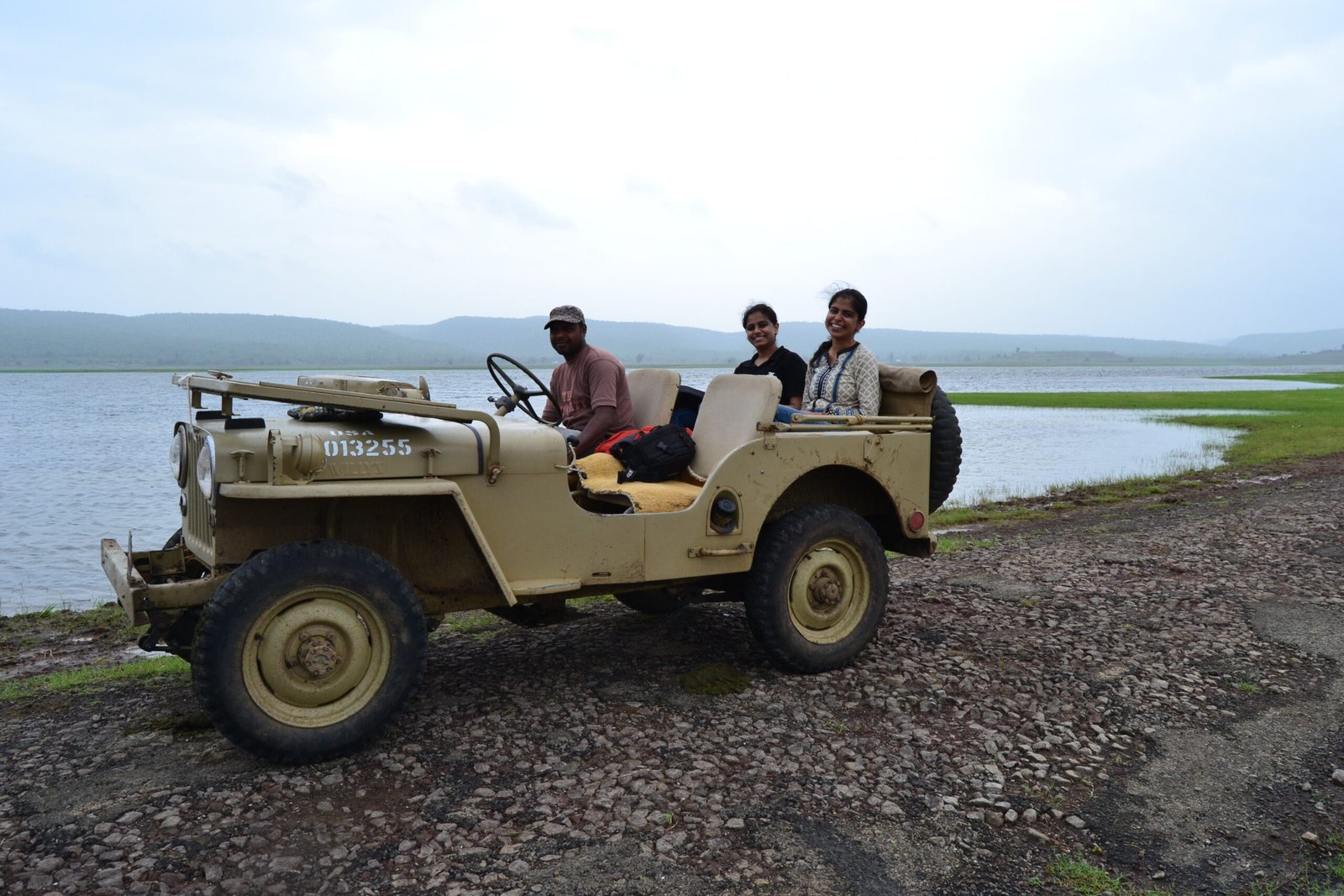 Field Visit in MPEDB with Nupur Maroti
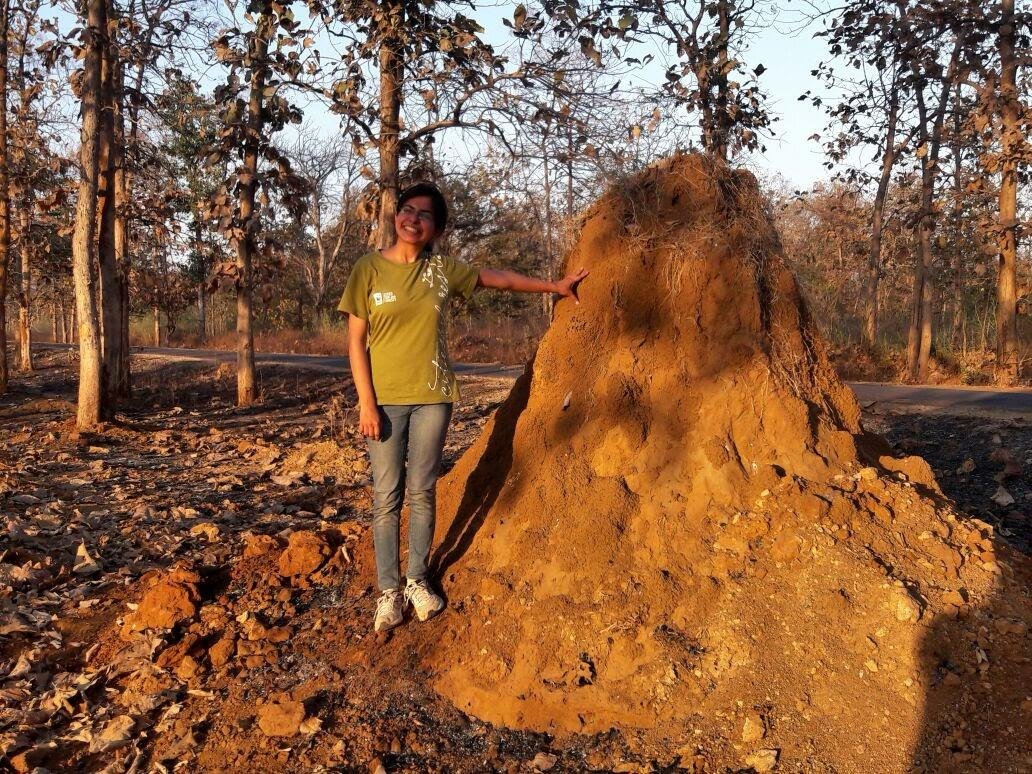 Somewhere in the middle of a Field Visit in MPEDB
Life took an exciting personal turn when I moved to Jamshedpur after my marriage. I began working remotely for a Bhubaneswar-based firm, Starshield Security Solutions. This role expanded my professional horizon beyond conservation, offering me a crash course in core business operations. I oversaw HR and finance functions, streamlined operational processes, ensured statutory compliance, and coordinated directly with executive leadership.
Yet, throughout this phase, my heart never stopped beating for biodiversity and natural resource management.
That deep-rooted passion—which sprouted on the IIFM campus—eventually led me to take the entrepreneurial plunge and start Purple Group Ventures last year. An enterprise which aims to bridge community empowerment, technology, and natural resource management. Through its flagship vertical, Purple Stories, it collaborates with tribal artisan groups to turn natural fibers into premium handcrafted goods, alongside delivering tech solutions for sustainability and forestry consulting.
Looking back, every milestone—from remote field stations and state boardrooms to corporate operations and my own startup—traces its roots directly back to the values and exposure I gained at IIFM.
Q. What were some of the key learning in this journey that you would like to share with us?
A. When I look back, I feel that the biggest takeaway from my journey is that no experience is ever wasted—every single turn teaches you something invaluable.
When you chart a career path, especially in a specialized field like Environmental Management, it is easy to assume that growth only happens in a straight line. But my journey has been a blend of grassroots conservation, state-level policy drafting, corporate operations, and entrepreneurship. On the surface, managing HR compliance or tracking business metrics in a corporate setup might seem distant from field of Forestry or Biodiversity Conservation. However, that very phase gave me the operational rigor, financial discipline, and leadership insight required to start Purple Group Ventures.
Q. How has been your experience in your current Organization? What all areas have you been working here?
A. Building and leading Purple has been one of the most fulfilling, humbling, and intellectually stimulating phases of my career. This venture was born out of a desire to create tangible impact at the intersection of community livelihoods, environmental sustainability, and technology.
Our work spans three distinct yet complementary verticals:
1. Purple Stories (Sustainable Livelihoods & Artisan Empowerment)
The idea for Purple Stories took shape during my interactions with tribal artisans. I was struck by their innate mastery of weaving and carving—transforming natural fibers and even invasive environmental waste like Water Hyacinth into exquisite products. However, due to remote geography and a lack of direct market access, these artisans struggled for steady income, putting their rich heritage at risk. Meanwhile, eco-conscious consumers were searching for authentic, premium, and story-rich sustainable goods.
We bridge this gap by taking charge of design innovation, quality control, eco-certification, sustainable packaging, and market reach. By handling the business and logistical heavy lifting, we de-risk the process for our artisans while offering high-quality products to the market. Today, we actively collaborate with tribal artisan groups across Odisha and Jharkhand, working alongside the Bonda, Gadaba, Mahali, and Paroja communities. Partnering with the Bonda tribe—one of India’s most ancient Particularly Vulnerable Tribal Groups (PVTGs) living in the isolated hills of Odisha—has been a deeply humbling privilege.
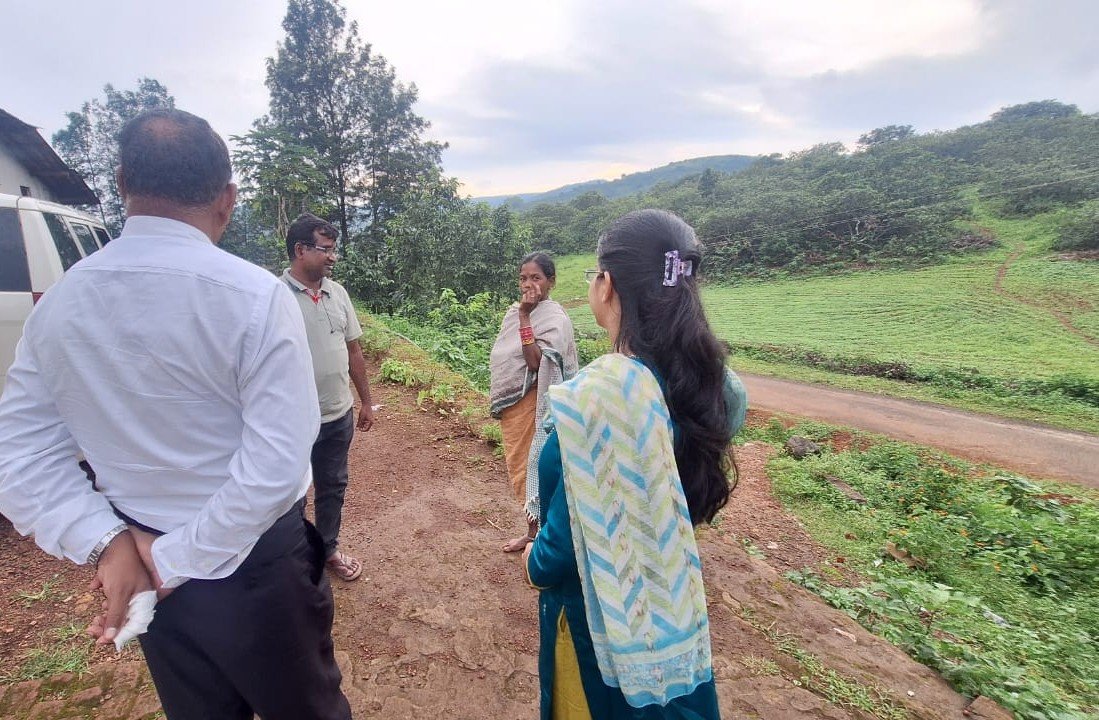 Field Visit to Bondo Hills
2. Forestry & Environmental Consulting
We also desire to remain rooted in traditional forestry and natural resource management. As a part of this vertical, we recently collaborated on a primary data collection project along with Myristika Sustainable Solutions (founded by Ashish Raj, IIFM PFM ’99 alumnus). As a part of this short-term project, our team conducted field surveys to support the preparation of the Working Plan for a forest range within the historic Saranda Forest Division in Jharkhand.
Across all three verticals, my days are spent with my team, balancing field coordination, product strategy, partner relations, and tech development—a multi-disciplinary mandate that constantly echoes the diverse training I received at IIFM.
3. Digital Solutions for Sustainability
Drawing from insights gained during my corporate operations experience, our second vertical focuses on developing technology for sustainable solutions, built around three pillars — People, Planet, and Profit. Our team recently built a digital platform called HARVEST in the People space designed for small and medium enterprises, especially those working in the rural & agriculture sector, giving decision-makers a comprehensive, “bird’s-eye view” of their operations to drive efficiency in their organization.
Q. What is the most satisfying part in your career?
A. The most satisfying part of my career has been the ability to create real, tangible impact at the intersection of nature and human lives—and seeing that impact take different shapes as I evolved.
There is immense joy in knowing that an invasive aquatic weed like Water Hyacinth, which harms aquatic ecosystems, can be harvested and transformed by a skilled artisan from a PVTG community in Odisha into a beautiful, handcrafted product—and then seeing an eco-conscious consumer cherish that product for its story and craft. Being able to de-risk the lives of tribal artisans, help preserve ancient art forms, and provide sustainable livelihoods while solving environmental challenges gives me a profound sense of purpose.
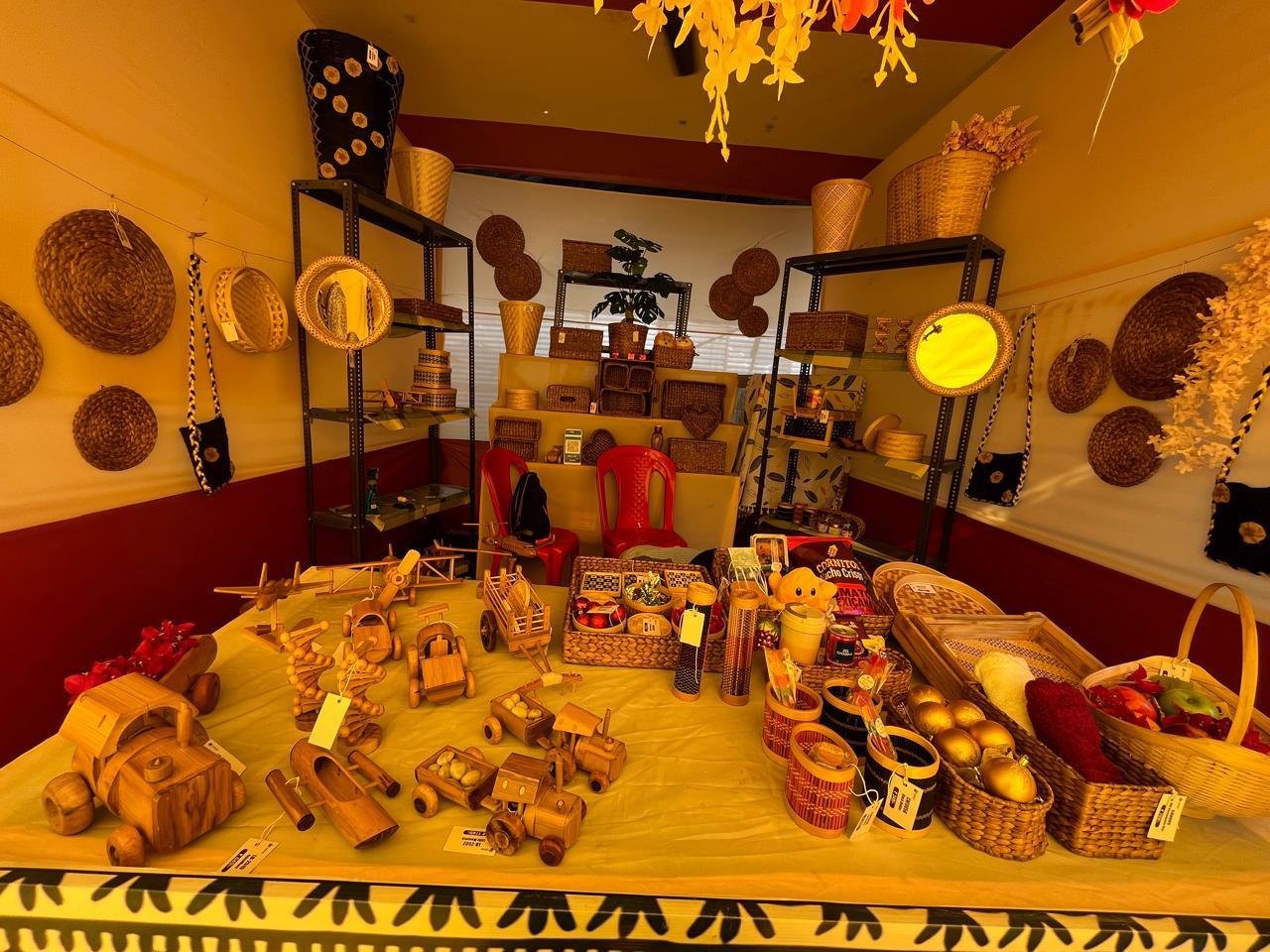 Purple Group partcipating in an exhibition
Ultimately, knowing that my work honors both the environment and the communities who protect it—and that I have stayed true to the passion that first brought me to IIFM—is what makes this journey so deeply fulfilling.
Q. Has your learning at IIFM helped in shaping how you approach your professional roles?
A. Absolutely, without a doubt. IIFM fundamentally shaped my worldview and problem-solving framework.
What sets IIFM apart is its unique blend of rigorous management principles with a deep-rooted understanding of natural resource management, environmental economics, and social systems. This multi-disciplinary grounding taught me to see every challenge through a systems-thinking lens. It enabled me to build a sustainable enterprise that balances financial viability with social and environmental impact.
Q. What are your favorite memories during your IIFM days?
A. Ahh.. Its hard to pick just one or two. IIFM was more like a vibrant home where life unfolded in every corner of the campus. One of my earliest memories was singing the song “O Ri Chiraiya” in our Official Fresher’s meet, which earned me the nickname ‘Chiraiyya’ among my friends for quite some time.
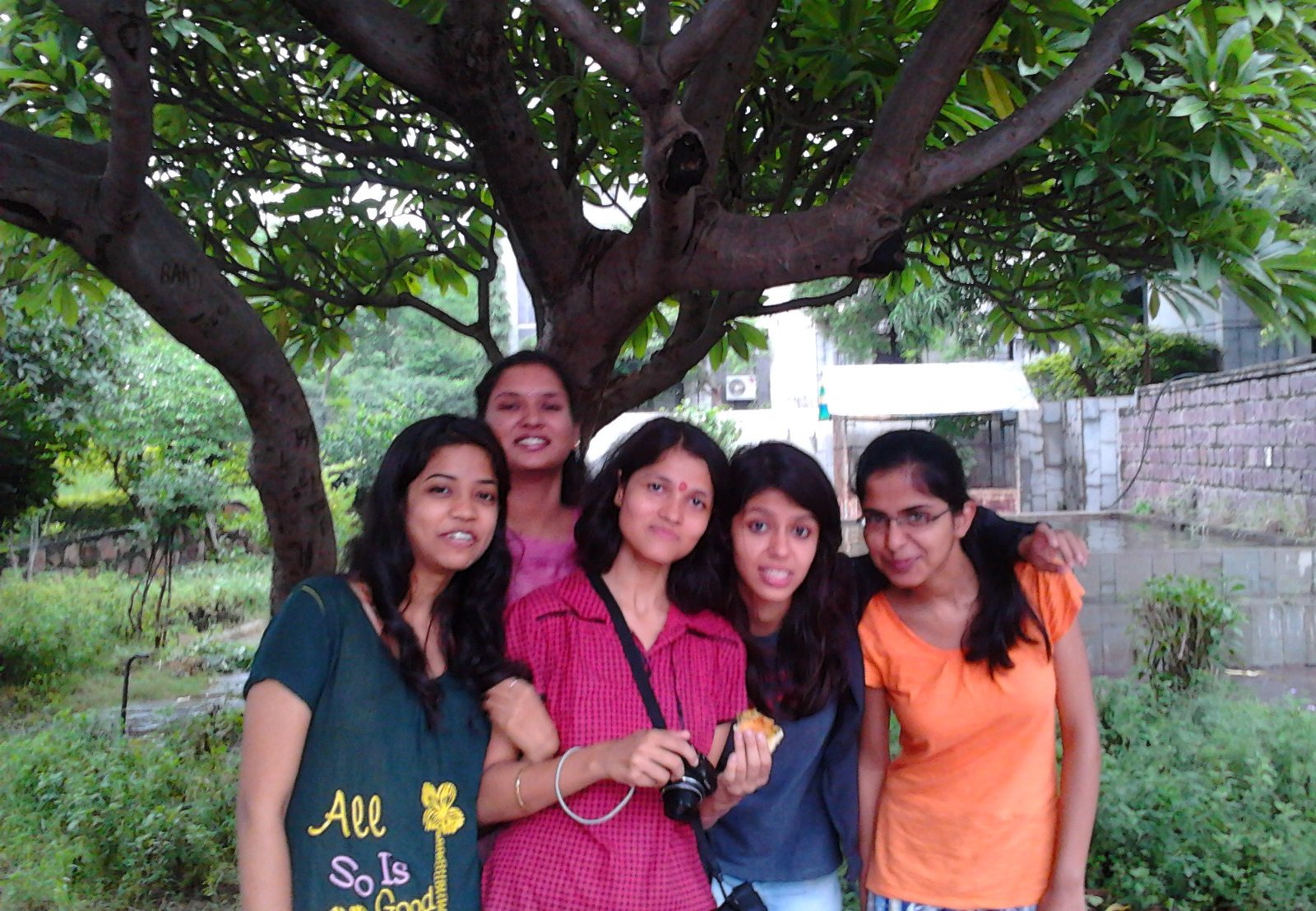 During some celebration in IIFM
I thoroughly enjoyed being a part of campus life—whether it was getting involved in the activities of Nature Club and Adventure Club (the trek to Kathotiya was memorable!), participating in Cultural Club activities, emceeing conclaves, or playing badminton and table tennis.
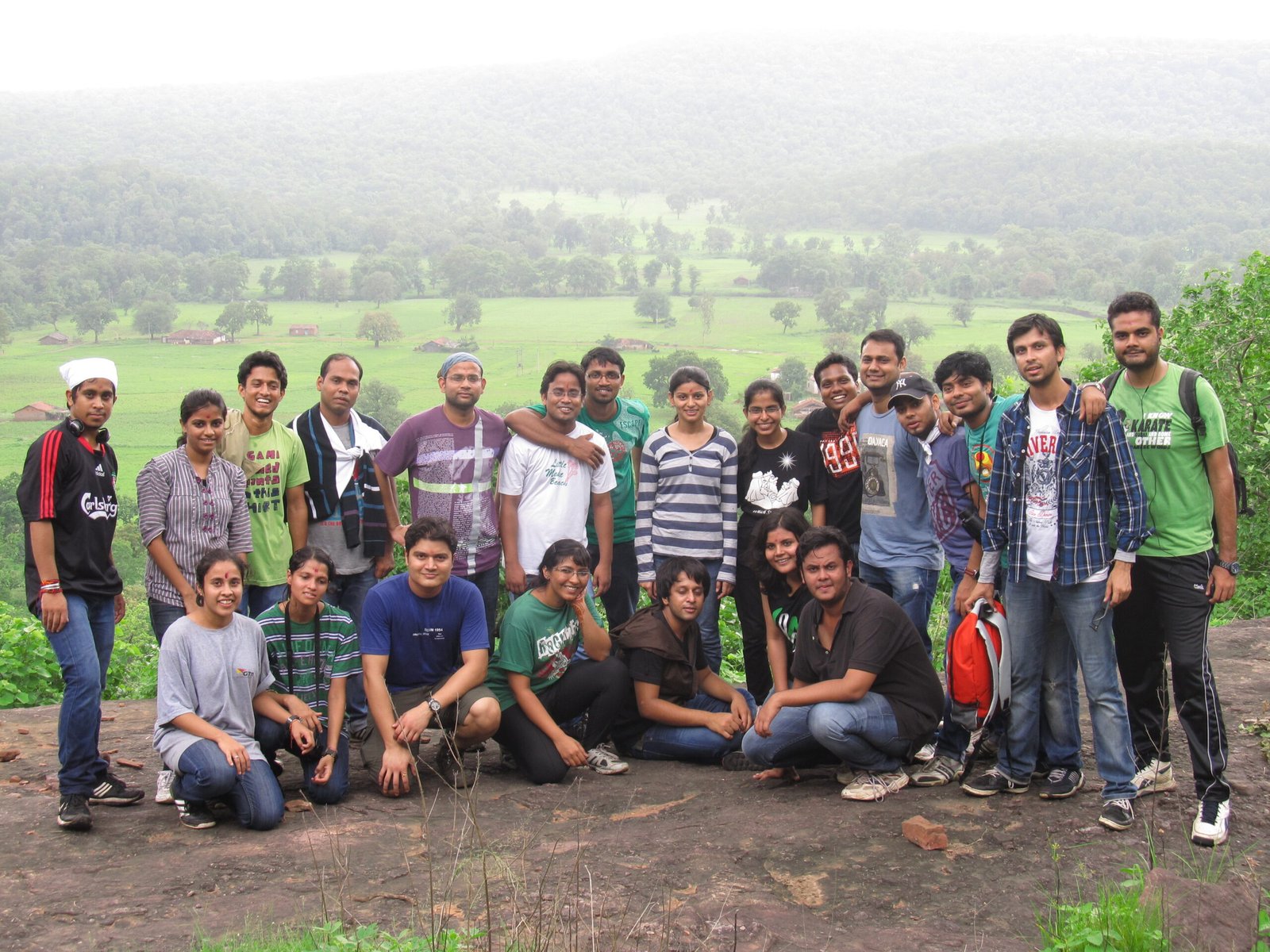 Trip to Kathotiya
Our field trips were another highlight—educative, adventurous, and filled with memories. And, of course, my Summer Internship in Sikkim along with Sushant was an extraordinary chapter of its own. Traversing high-altitude terrains, discovering local cuisines, immersing in the rich culture, and experiencing the incredible warmth and hospitality of the Himalayan people made that period truly special.
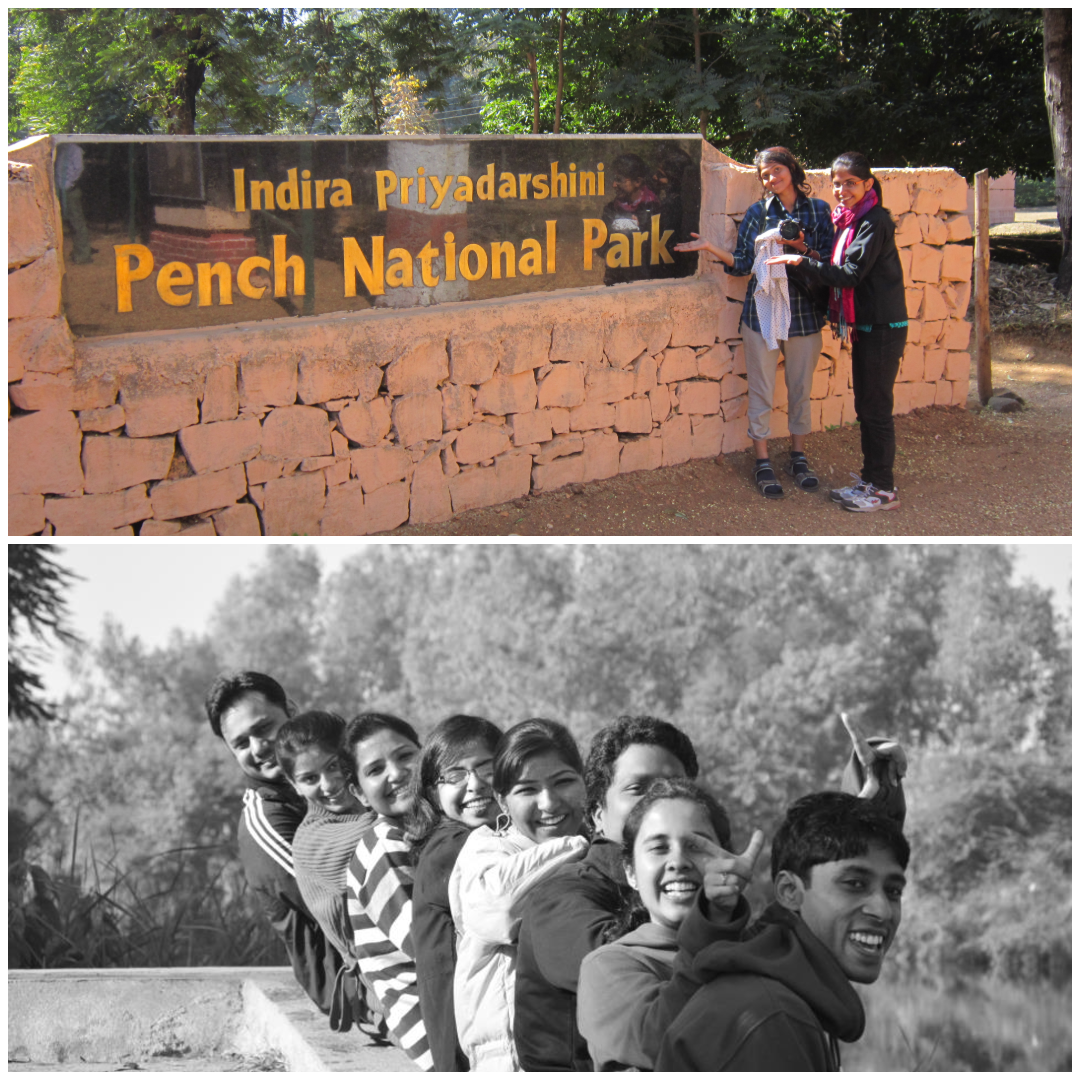 Field Trip Memories
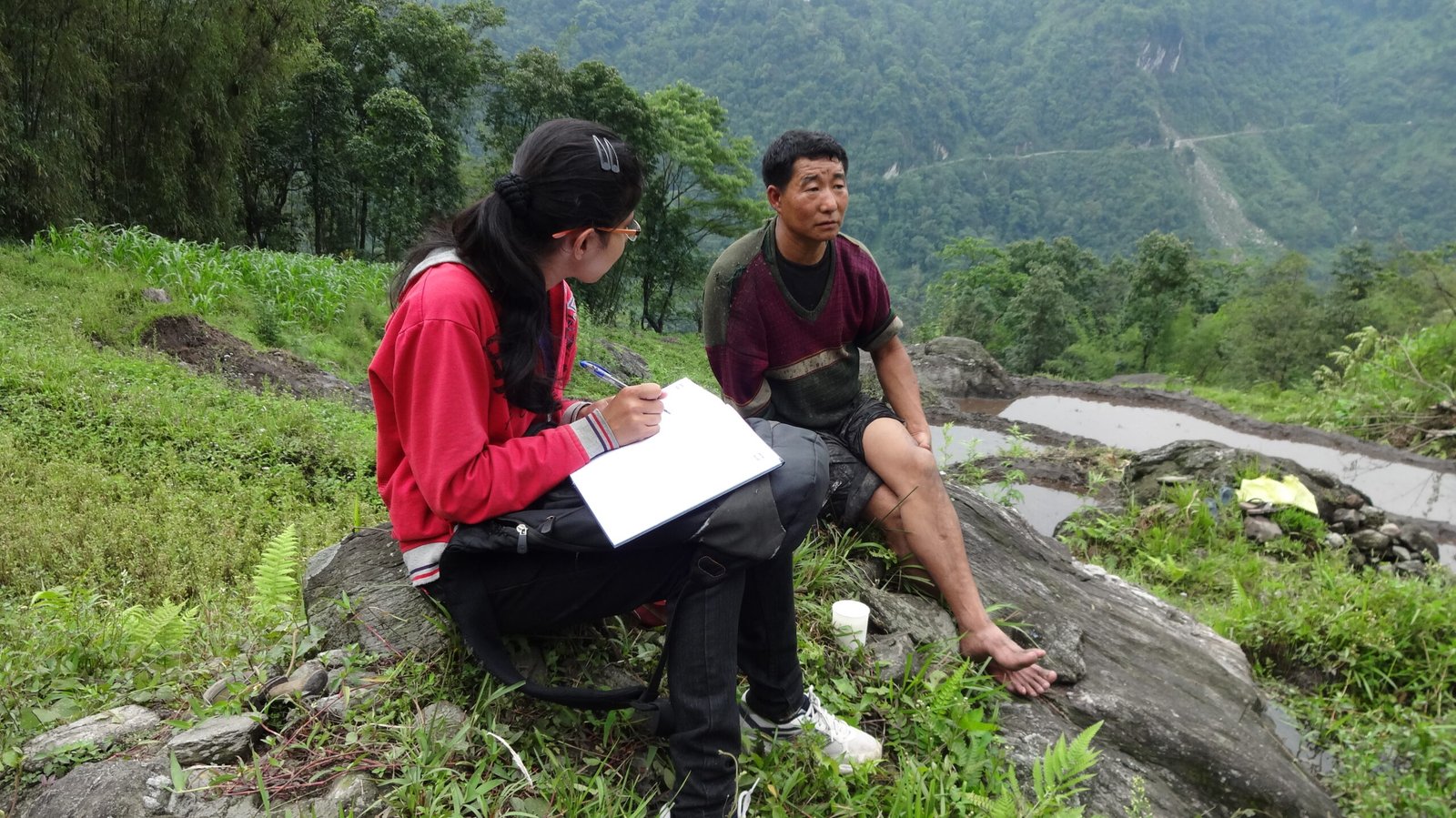 Internship with WWF in Sikkim
Q. In hindsight, what was the biggest contribution or take away from IIFM that you think played a critical role in shaping you as an individual or professional?
A. IIFM fundamentally reshaped my perspective and introduced me to a completely new dimension—one that merged purpose with management. It taught me how to look at complex socio-environmental problems not as impassable roadblocks, but as opportunities to design thoughtful, sustainable solutions.
I am so grateful for our incredible faculty who brought a wealth of real-world field experience, wisdom, and passion into every lecture. I particularly loved attending classes by Dr. Chinmaya Singh Rathore (CSR), Dharni Sir, and Dr. Yogesh Dubey (YD). The insights and real-world stories they shared back then still ring in my head today. I feel deeply privileged to have been taught by professors like Dr. Madhu Verma, Dr. Ujjwal Sarma, Prof. Suparva Patnaik, and Prof. A.K. Patil. Ever so grateful for their guidance and encouragement.
Q. The best buddies / seniors /faculty at IIFM? Some memorable tidbits that you like to share?
A. Siddhu (M Sidhhartha) and Divya Rajvanshi have been my constants during college days and also all these 12 years after passing out of college; my dear friend Asha, Sprih (my long lost friend-‘Sprih if you are reading this please give me a call :P’), late Garvita (my dear friend and roommate- losing her just few days before my wedding reception was devastating), TP Anoop (my vonly mallu friend from IIFM who calls me once in a blue moon just to complain how busy I’ve become), Sushant (my SI buddy), Rupinder, Nupur (we shared a lot of laughs and tears during our MPEDB stint), Sireesh, Pragati, Divya, Sahil, Swati (from FPM) and some more.
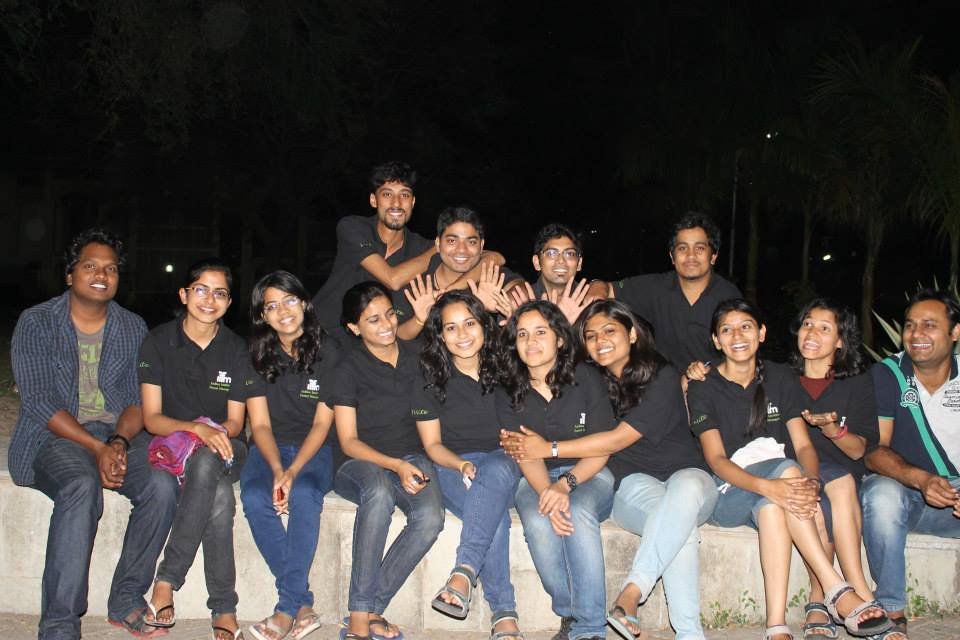 Last day memories
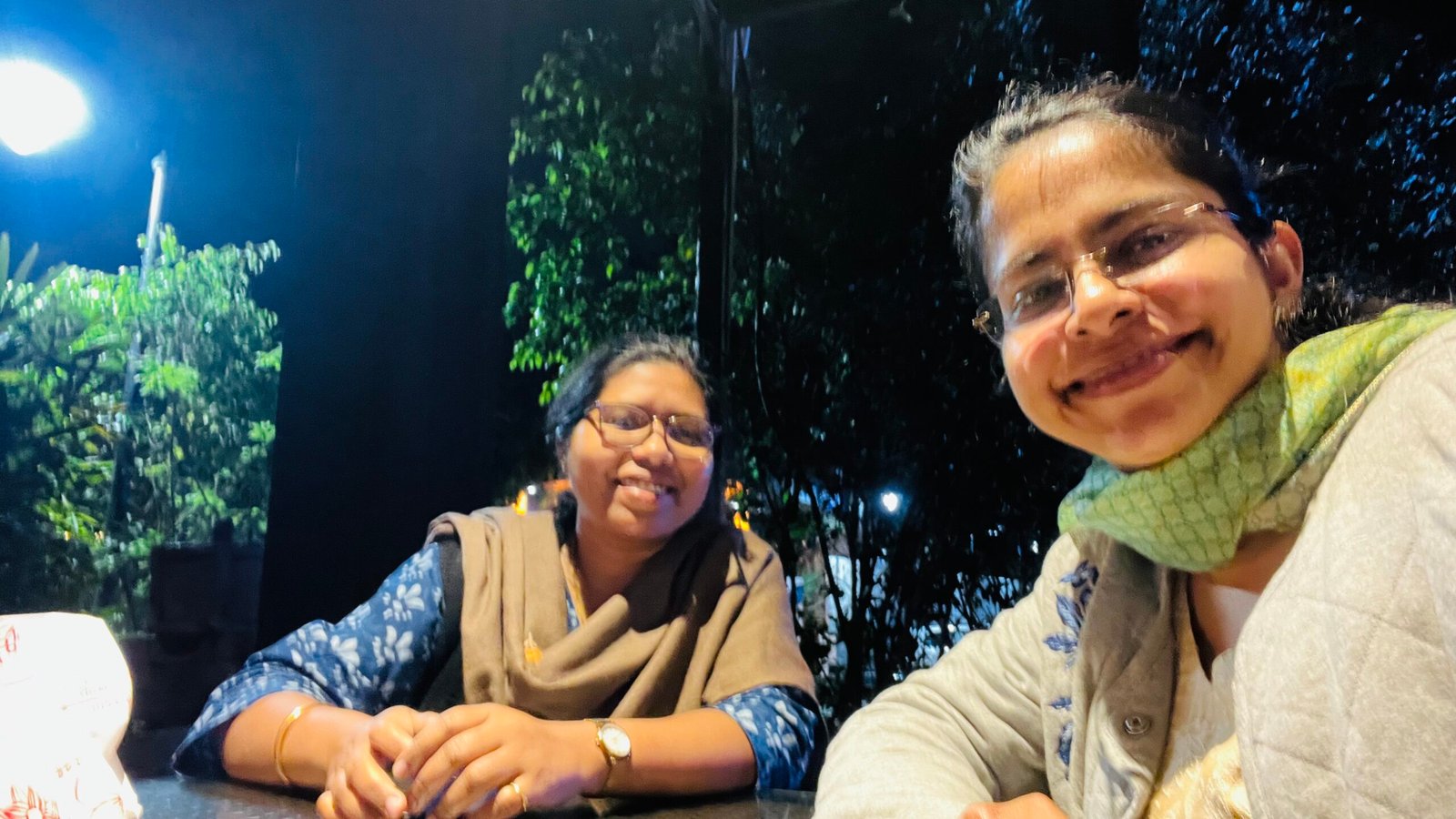 Catching up with Asha Roseline
Q. As an alumni, what’s your advice to freshers or those are joining IIFM to get best out of the 2 years there?
A. Make the absolute most of these two years because you are never going to get it back. Treat every field trip, internship as a chance to understand ground realities because that’s where real learning happens. Actively reach out and stay connected with the faculty and alumni network. I regret not doing enough of that. The wisdom, mentorship, and opportunities within the IIFM community are incredible.
Q. What is your typical day at the work?
A. A typical workday is a balancing act of juggling team meetings, aligning with suppliers and ground artisan clusters, connecting with customers, and sharpening our product and digital strategies.
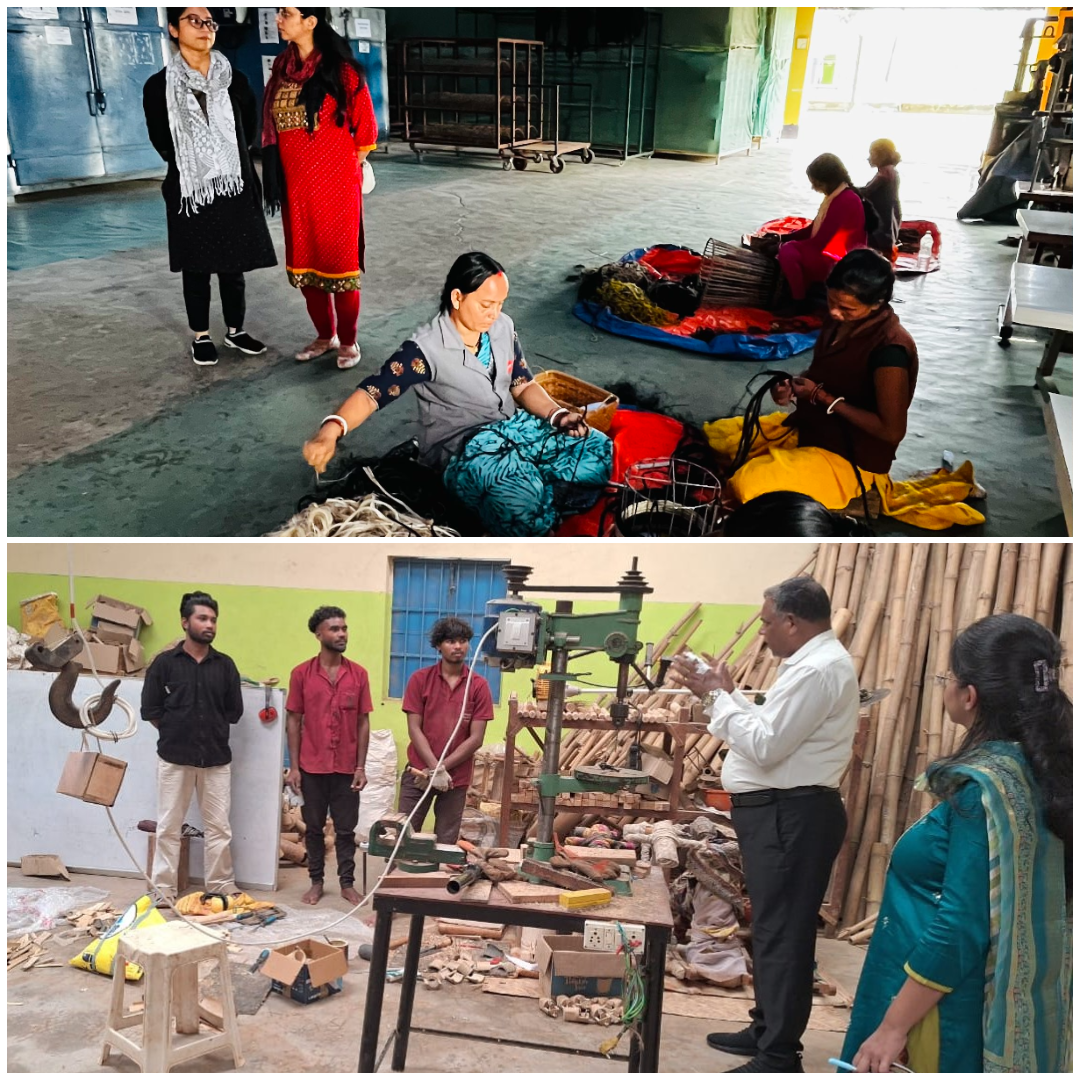 Field Visit to Artisan workshop
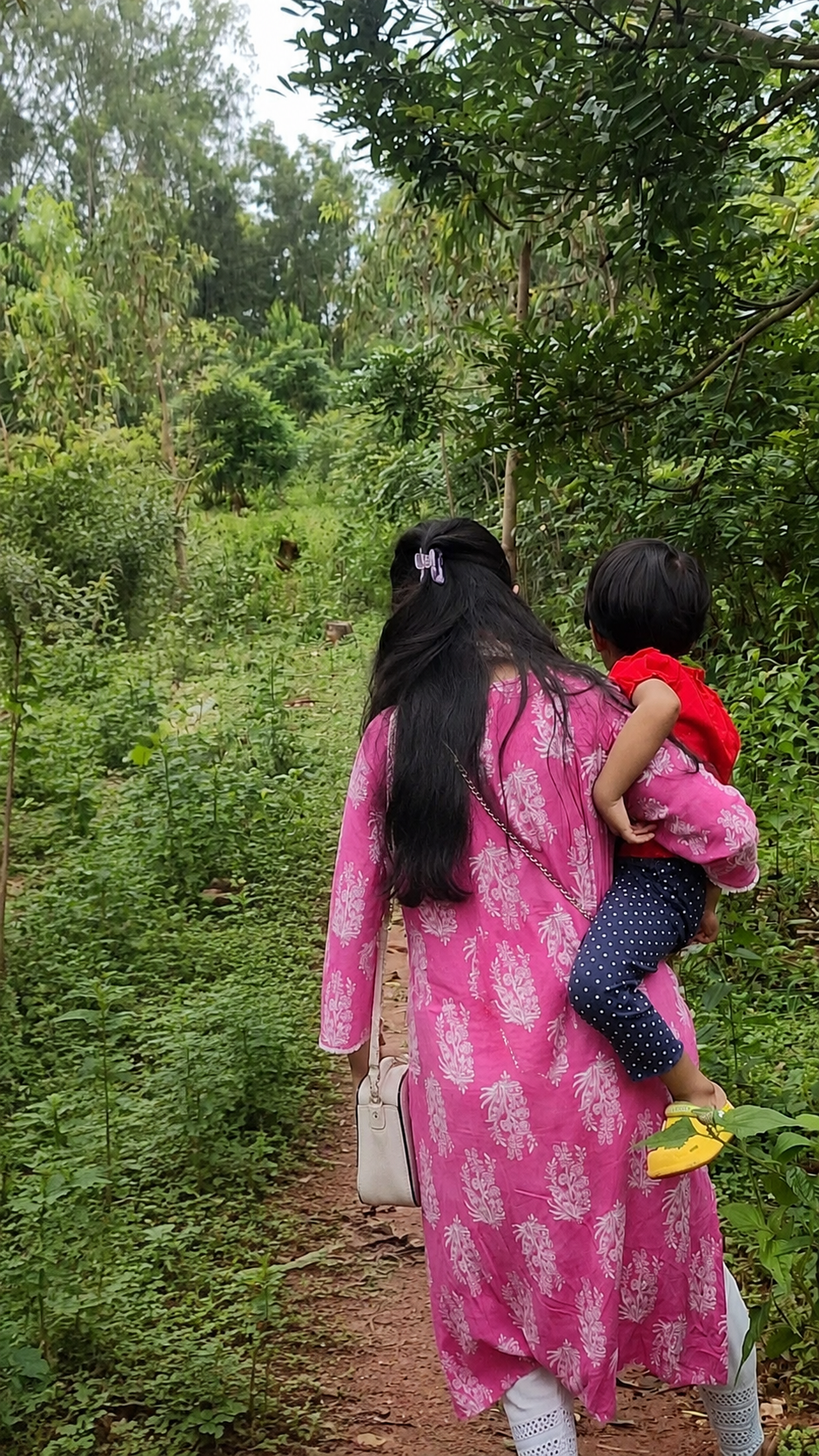 My 3yr old accompanying me during a Field visit
Q. And how about weekends, hobbies, family and anything else you want to add?
A. My weekends are usually busier than the weekdays. It’s usually spent with family, church and friends. My 4-year-old makes sure I’m constantly on my toes!
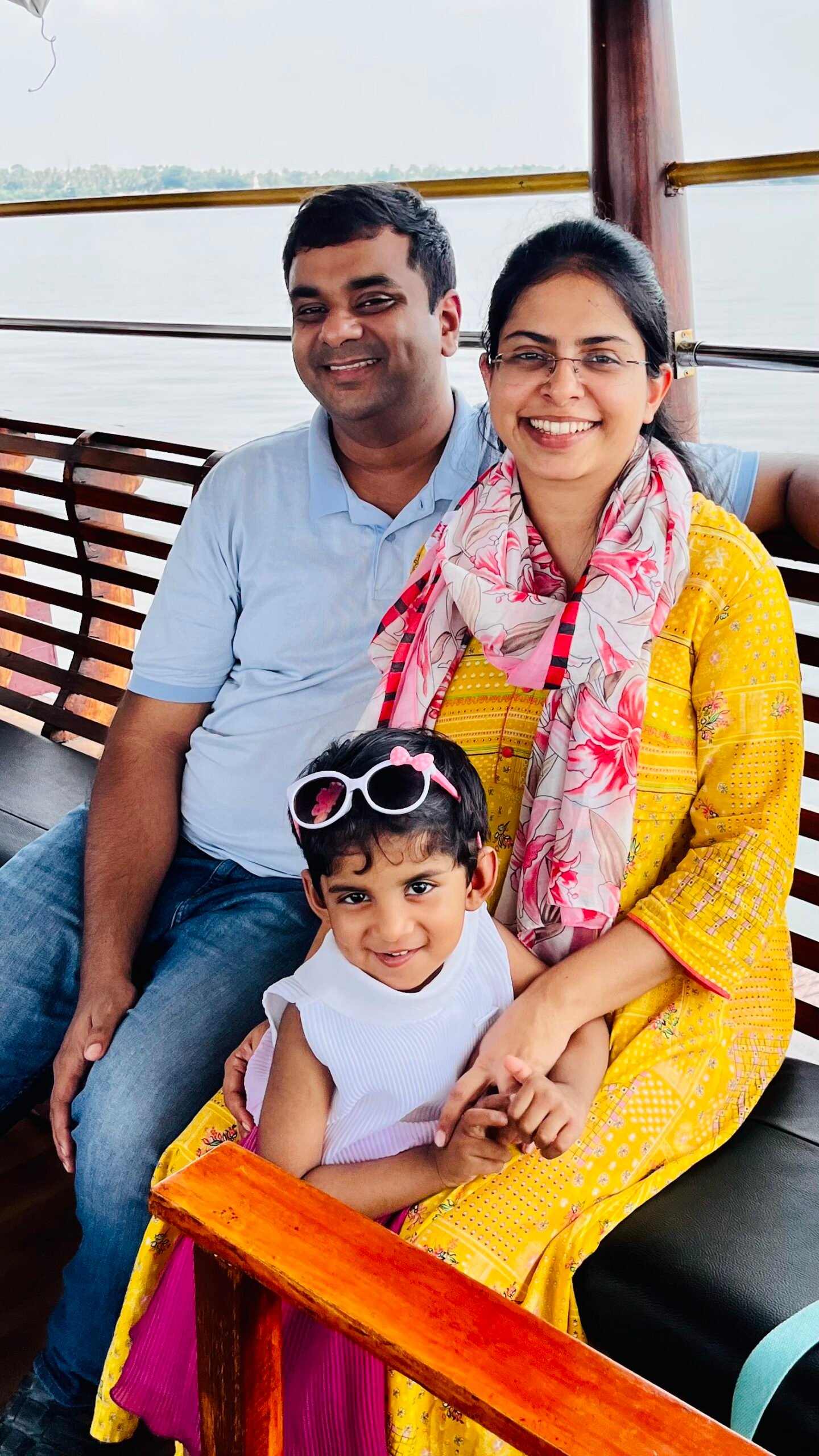 With Husband Jaison and daughter Abigail
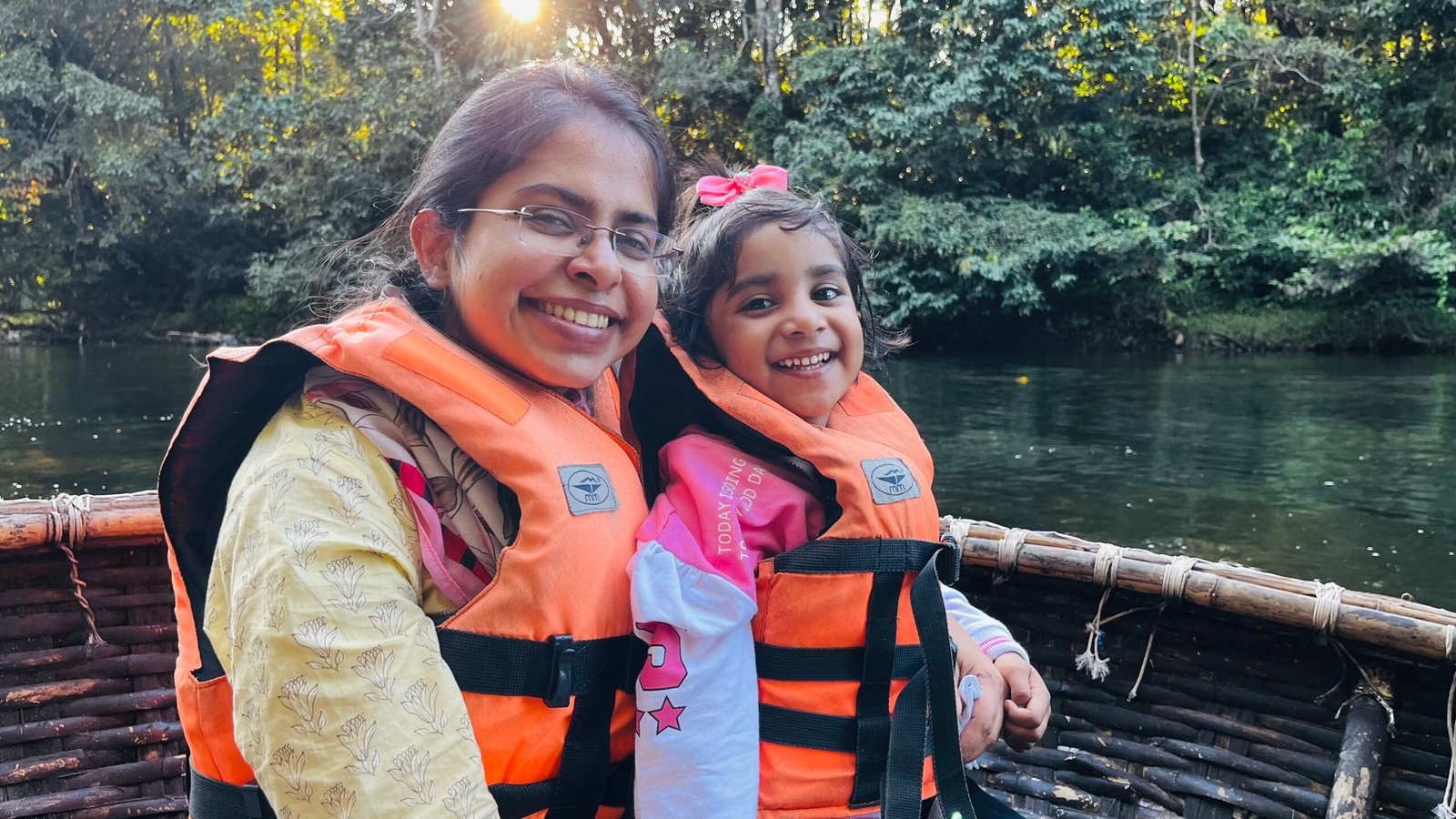 With my daughter during our visit to Adavi, Kerala
Q. IIFM is driven by alumni’s passion and commitments towards its goal. How would you like to contribute to IIFM or IIFM alumni, students? Your engagement with IIFM Placement or OT/SI?
A. I would love to help anyone who is desiring to take on the entrepreneurship journey. I also look forward to engaging directly with the placement cell to offer Summer Internships and full-time roles.
Q. What do you think is different at IIFM now vs when you studied there? When was the last time you visited IIFM?
A. It’s been quite some time since I last visited the IIFM campus. But I’ve heard the infrastructure has been upgraded. And yes, the alumni community has grown much stronger now than before.
Q. Any suggestions on who you want to get profiled/interviewed here?
A. M Siddhartha, Divya Rajvanshi, Sushant Agarwal, Anoop TP, Ashish Raj, Kiran KP