
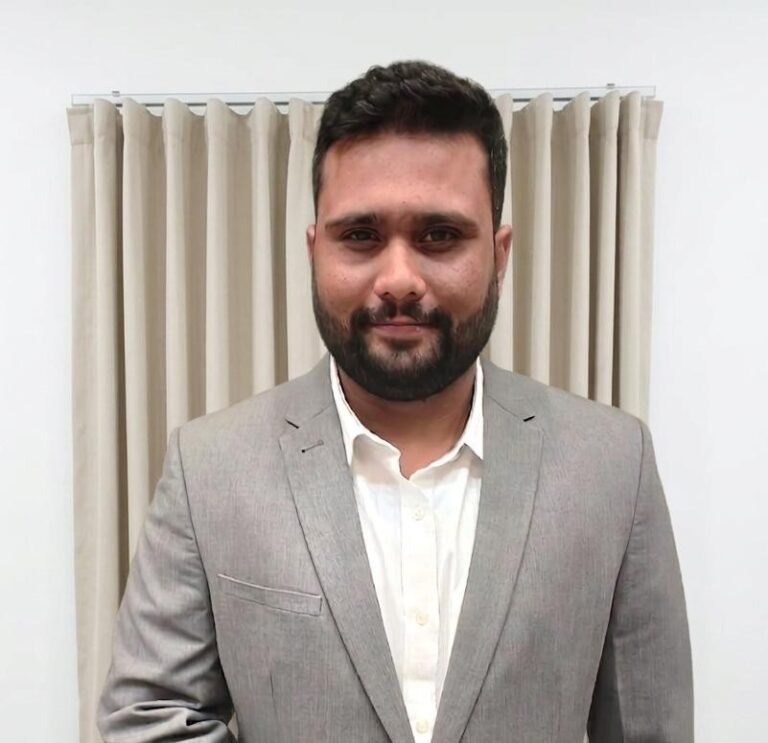
Born and brought up in Guwahati, my journey has been shaped by experiences rooted in public systems, people, and continuous learning. I completed my schooling and graduation in Guwahati and was actively involved in sports like cricket, basketball, and football, which taught me teamwork and resilience early on. Until joining Indian Institute of Forest Management, I had hardly travelled outside Assam, making the move to Bhopal a transformative experience that broadened my perspective significantly.
After graduating from IIFM, I worked with the Madhya Pradesh Forest Department for two years before joining Piramal Foundation, where I have spent the last eight years. During this period, I have worked across domains such as water security, climate change, education, governance, and public health. While I have handled roles in operations, donor management, and government relations, most of my work has focused on strategy and strengthening public systems to create sustainable impact at scale.
Location: Guwahati
Linkedin: saini.rohan26@gmail.com
Insta: you_dont_mess_with_the_rohaan
FB: Rohan Saini
Q. Tell us about your School and College before you came to IIFM. How was your experience there? And how did IIFM happen?
A. I completed my schooling at Faculty Higher Secondary School, located on the outskirts of Guwahati. I was never among the brightest students academically and would describe myself as fairly average in studies during school. However, I was deeply involved in sports and extracurricular activities, especially cricket, basketball, and football, which played a huge role in shaping my personality, teamwork skills, and confidence.
I later pursued B.Com (Hons.) in Finance from Gauhati University. Transitioning from a commerce background into Forestry Management at Indian Institute of Forest Management was a major shift and, honestly, not something I had planned very strategically at the time. But looking back, it became one of the most transformative decisions of my life.
After my CAT results, I was exploring good management institutes, and IIFM stood out because of the unique career pathways and development sector exposure it offered. The experience at IIFM, the faculty, peers, field exposure, and learning environment, significantly broadened my perspective, built my confidence, and helped me grow both personally and professionally to an extent I could never have imagined then.
Q. How has been your journey from IIFM so far?
A. My journey after graduating from Indian Institute of Forest Management has been extremely enriching and full of diverse learning experiences. I started my professional journey with the Madhya Pradesh Forest Department, where I worked for close to two years. That experience gave me first-hand exposure to government systems, field implementation, and the realities of working at the grassroots.
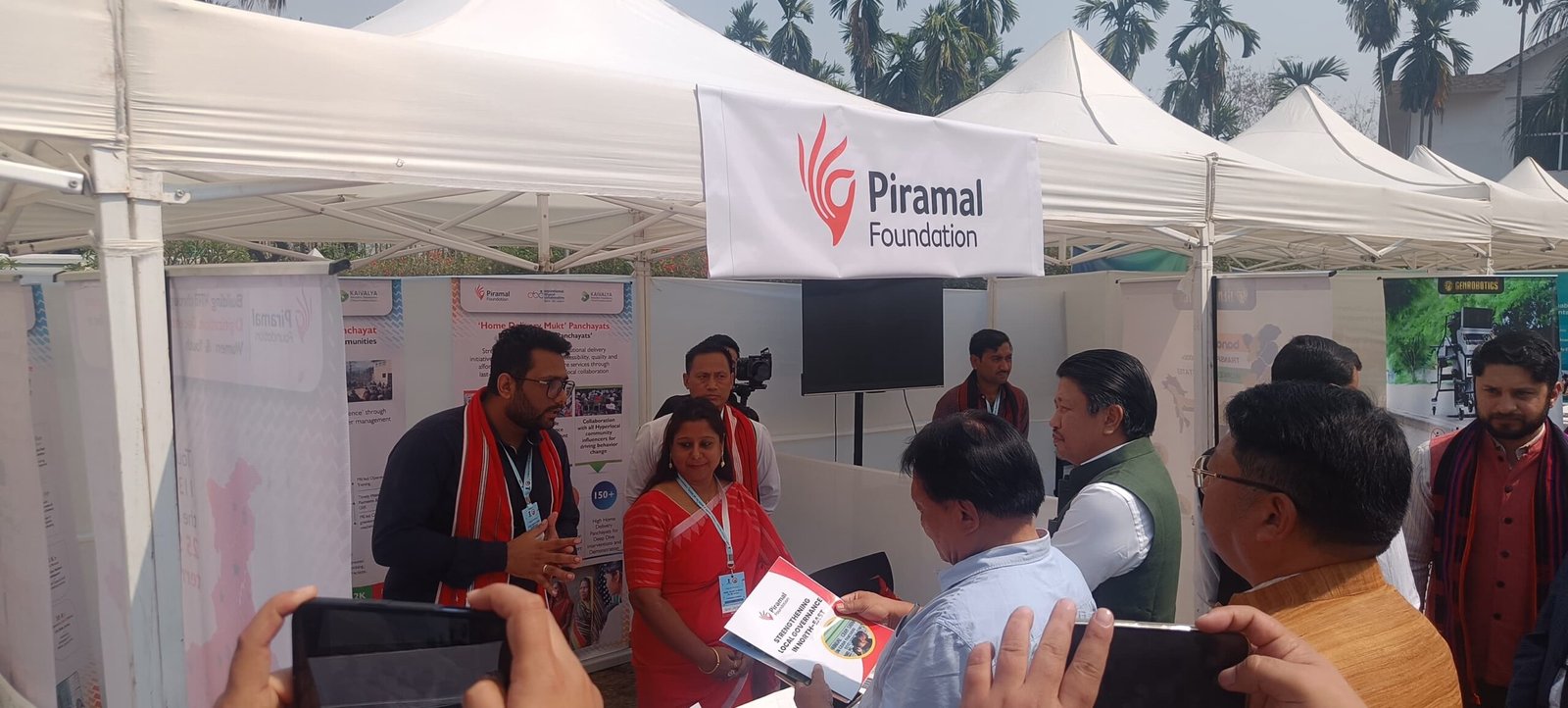
After that, I joined Piramal Foundation, where I have been working for the past eight years. The journey at Piramal Foundation has been particularly transformative because it gave me the opportunity to work across diverse sectors such as water security, climate change, governance, education, and public health. Over the years, I have handled multiple roles including operations, donor management, government relations, and strategy, while working closely with state governments, district administrations, and field teams across different geographies.
A large part of my work has involved designing and strengthening large-scale public system interventions, especially around Panchayati Raj Institutions, water security, climate action, and more recently maternal and child health systems in Assam. What has made this journey especially meaningful is the chance to continuously learn, adapt, and work on complex developmental challenges while collaborating with people from very different backgrounds and disciplines.
Looking back, I feel IIFM laid the foundation for this journey by helping me develop both a systems perspective and a strong connection with field realities.
Q. What were some of the key milestones/learning in this journey that you would like to share with us?
A. A few milestones in my journey stand out not only because of the scale of work involved, but because they fundamentally shaped the way I think about development, public systems, and leadership.
One of the earliest turning points was starting my career with the Madhya Pradesh Forest Department right after IIFM. For someone who had spent most of his life in Guwahati, moving to a completely different geography and working closely with government systems at the grassroots was a huge learning experience. It taught me how deeply implementation challenges are linked to local realities and institutional capacities.
At Piramal Foundation, one of the major milestones for me was working on rural water security and helping introduce the idea of water conservation within Piramal Sarvajal’s drinking water solutions. While access to drinking water was critical, we also felt strongly about addressing sustainability and groundwater recharge alongside it. During this phase, I designed and implemented a water recharge model called the Multi-Layered Aquifer Recharge System, which was later scaled across multiple states. Seeing a concept evolve from an idea into an on-ground implementation model being adopted across geographies was extremely fulfilling.
Another defining phase was working on the Carbon Neutral Gram Panchayat initiative. At that time, the idea of Panchayat-led climate action and carbon neutrality in rural India was still very new, with limited proof of concept available. Building the initiative required extensive experimentation, systems thinking, and collaboration across multiple stakeholders. The experience pushed me to think beyond conventional program implementation and focus more on long-term institutional and behavioral change at the grassroots level.
A particularly proud moment during this journey was when our team’s work under the Jal Jeevan Mission received appreciation from the President of India in 2022. That recognition felt meaningful because it represented the collective effort of teams working tirelessly on strengthening rural water systems and local governance.
Over the years, I have also learned that some of the most valuable contributions often happen at the intersection of field understanding and strategic thinking — whether it is designing frameworks, building partnerships, strengthening government engagement, or translating complex ideas into actionable programs. More than anything else, this journey has taught me the importance of adaptability, continuous learning, and staying deeply connected to ground realities while working on large-scale systems change.
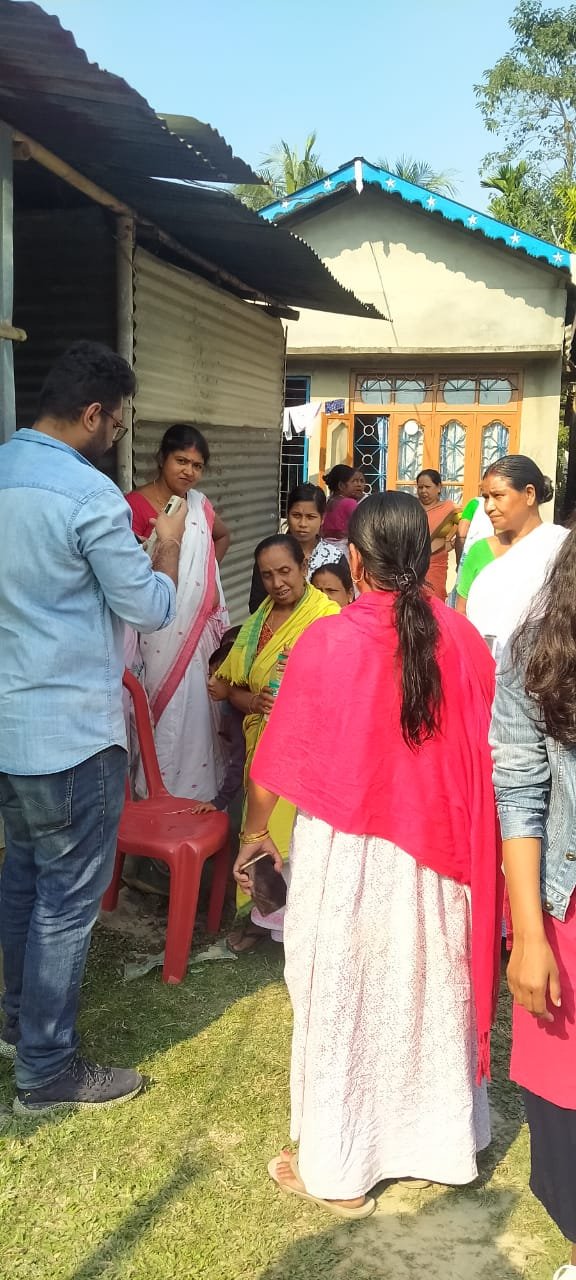
Q. How has been your experience in your current Organization? What all areas have you been working here?
A. My experience at Piramal Foundation has been extremely dynamic and enriching because it has continuously pushed me to work across sectors, geographies, and very different kinds of problem statements. Over the last eight years, I have had the opportunity to take on roles that combined field engagement, strategy, program design, stakeholder management, and systems thinking, which has made the learning curve very steep but equally rewarding.
A large part of my journey at the Foundation has been around strengthening public systems and enabling community-led development processes. I initially worked extensively on rural water security and sustainability, where my work involved program design, implementation strategy, community engagement models, and government partnerships. This included work around water conservation, groundwater recharge, and Panchayat-led planning processes under initiatives linked to the Jal Jeevan Mission.
Over time, I also got the opportunity to work on larger thematic areas such as climate action and decentralized governance. One of the most exciting experiences for me was contributing to the design of the Carbon Neutral Gram Panchayat initiative, which attempted to bring together themes like water management, afforestation, waste management, and community participation into a Panchayat-led climate action framework.
Apart from thematic work, I have also worked extensively on strategy and organizational initiatives, developing frameworks, designing training modules, building partnerships with government and ecosystem stakeholders, creating strategic narratives, and supporting leadership-level engagements. More recently, my work has involved areas like civic participation, youth engagement, and public health systems strengthening in Assam.
What I value most about my experience at Piramal Foundation is the level of ownership and trust people are given very early in their journey. The organization has allowed me to experiment, learn from failures, work closely with diverse teams, and contribute to initiatives that operate at both grassroots and systems levels simultaneously.
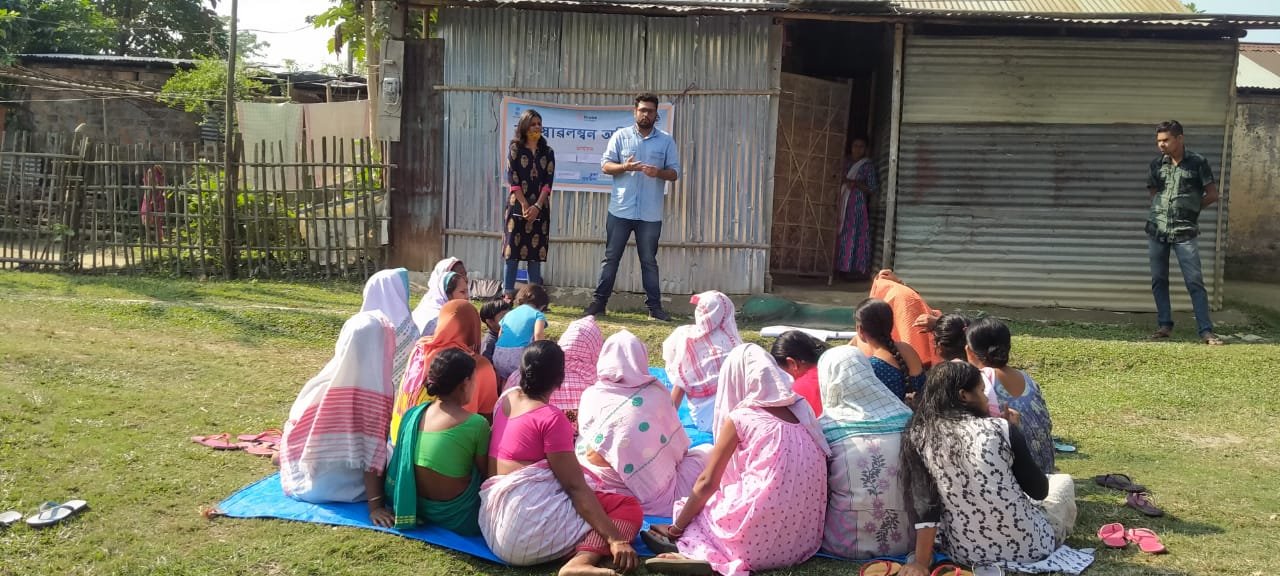
Q. What is the most satisfying part in your career?
A. The most satisfying part of my career has been the opportunity to work on problems that directly impact people’s lives while also contributing to strengthening larger public systems.
Over the years, whether I was working on water security, Panchayat-led governance, climate action, or public health, the most fulfilling moments have always come from seeing ideas translate into real change on the ground.
I particularly enjoy working at the intersection of strategy and implementation, taking complex problems, structuring them into actionable frameworks, and then seeing those ideas evolve through collaboration with communities, governments, and field teams. There is something deeply satisfying about watching an initiative move from an early concept or discussion into an actual program being implemented across villages or districts.
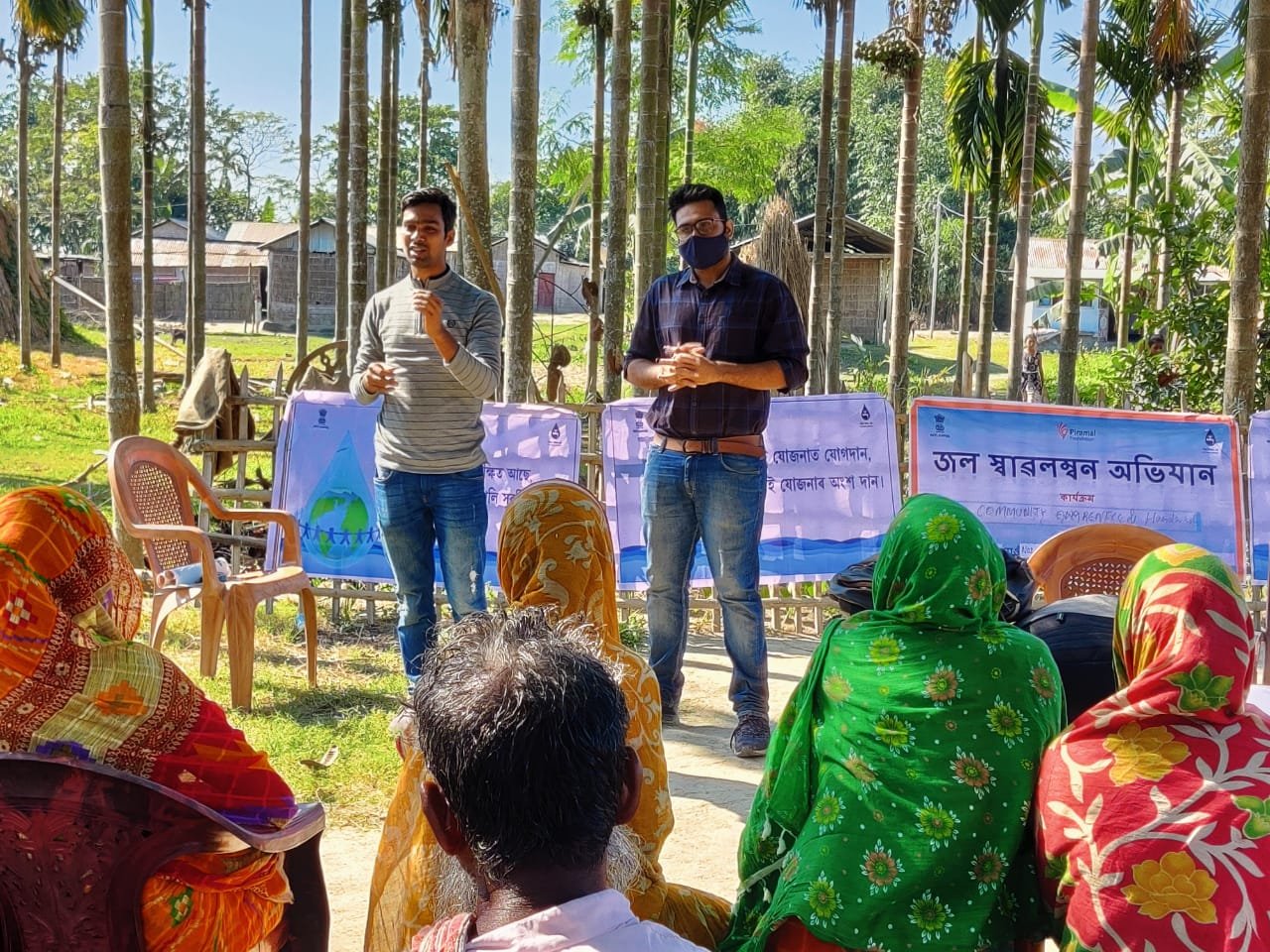
Another aspect that has been extremely meaningful for me is working closely with grassroots institutions and local stakeholders. Some of my strongest learning and most memorable experiences have come from field interactions, whether during Jal Choupals, discussions with Panchayat representatives, or engagements with frontline workers and district administrations. Those interactions constantly remind me that sustainable change is built through participation, trust, and local ownership.
I also feel fortunate to have worked with teams and mentors who gave me the freedom to experiment, take ownership, and continuously grow across different domains. Looking back, the biggest satisfaction comes from knowing that the work has not only helped me grow professionally, but has also allowed me to contribute, in some way, towards building stronger and more responsive systems at the grassroots.
Q. Has your learning at IIFM helped in shaping how you approach your professional roles?
A. Absolutely. Looking back, I feel my learning at Indian Institute of Forest Management has influenced my professional journey in far more ways than I had initially realized. More than just academic knowledge, IIFM shaped the way I think, approach problems, and engage with people and systems.
One of the biggest learnings from IIFM was developing the ability to look at issues from a systems perspective. The institute exposed us to the interconnectedness of environment, governance, livelihoods, communities, and policy, which has been extremely valuable in my professional roles across water, climate change, governance, and public health. Even today, when working on complex developmental challenges, I naturally tend to look beyond isolated interventions and think about institutional ownership, community participation, and long-term sustainability.
The strong emphasis on field exposure at IIFM also had a lasting impact on me. It helped bridge the gap between theory and reality very early in our careers. That experience made me comfortable working closely with communities, government stakeholders, and field teams across very different contexts.
Another important contribution of IIFM was the confidence and adaptability it built in me. Coming from a commerce background and transitioning into development management was initially intimidating, but the environment at IIFM pushed me to learn continuously, engage with diverse perspectives, and step outside my comfort zone. I think that ability to adapt and keep learning has helped me navigate very different domains and roles throughout my career.
Most importantly, IIFM gave me a strong sense of purpose around working in the development sector. It helped me see development not just as a profession, but as a space where thoughtful, grounded, and collaborative work can create meaningful long-term impact.
Q. Who (or what) are the biggest influences or drivers in your careers? What would be your advice to freshers and IIFM graduates who are looking to choose similar sectors/roles.
A. I do not think there has been one single influence that shaped my career. Instead, my journey has been influenced by a combination of family, close friends, mentors, and the diverse experiences I have had over the years, especially my wife, mother, brother and aunt and the friendships and peer learning during my time at Indian Institute of Forest Management, which continue to influence me even today.
A major driver for me has always been the opportunity to work on meaningful real-world problems and contribute to strengthening public systems. Whether it has been water security, climate action, governance, or public health, I have always been motivated by work that connects strategy with grassroots realities and community impact.
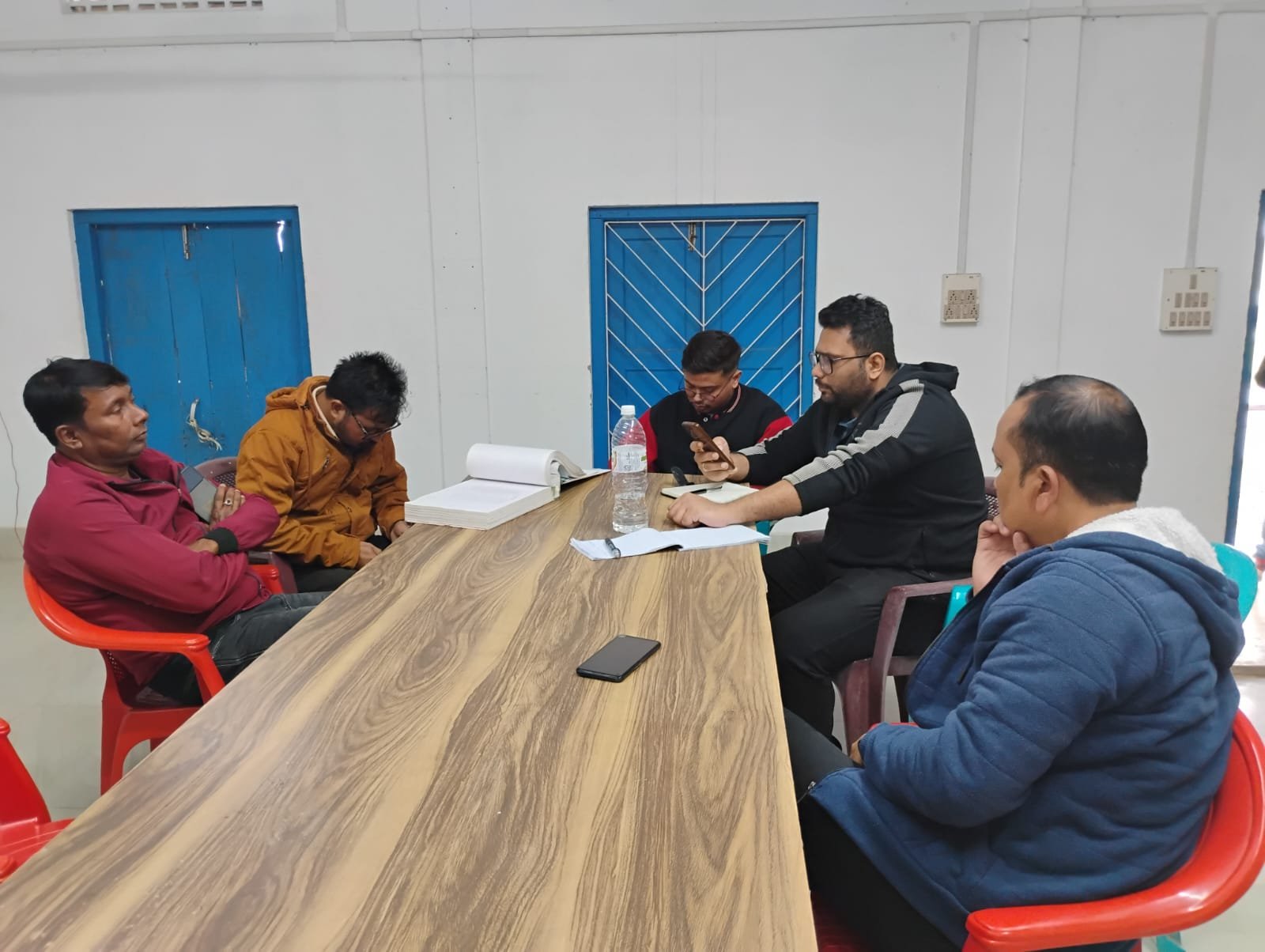
For freshers and IIFM graduates looking to enter similar sectors, my biggest advice would be to stay patient, curious, and open to learning. The development sector may not always offer linear career paths, but it gives you immense exposure and opportunities to grow if you are willing to step outside your comfort zone. Spend time understanding the field, work closely with people on the ground, and do not hesitate to take up challenging assignments early in your career.
Most importantly, avoid limiting yourself too early to one specific domain or role. Some of the best learning comes from exploring diverse sectors, teams, and experiences.
Q. What are your favorite memories during your IIFM days?
A. Some of my favorite memories from my time at Indian Institute of Forest Management are actually the simple everyday experiences that, at that time, felt ordinary but today feel incredibly special.
A huge part of those memories revolves around the hostel life and the friendships we built during those two years. The late-night conversations, endless discussions, group studies before exams, sports sessions, celebrations, trips, and all the chaos of campus life created bonds that have stayed strong even today.
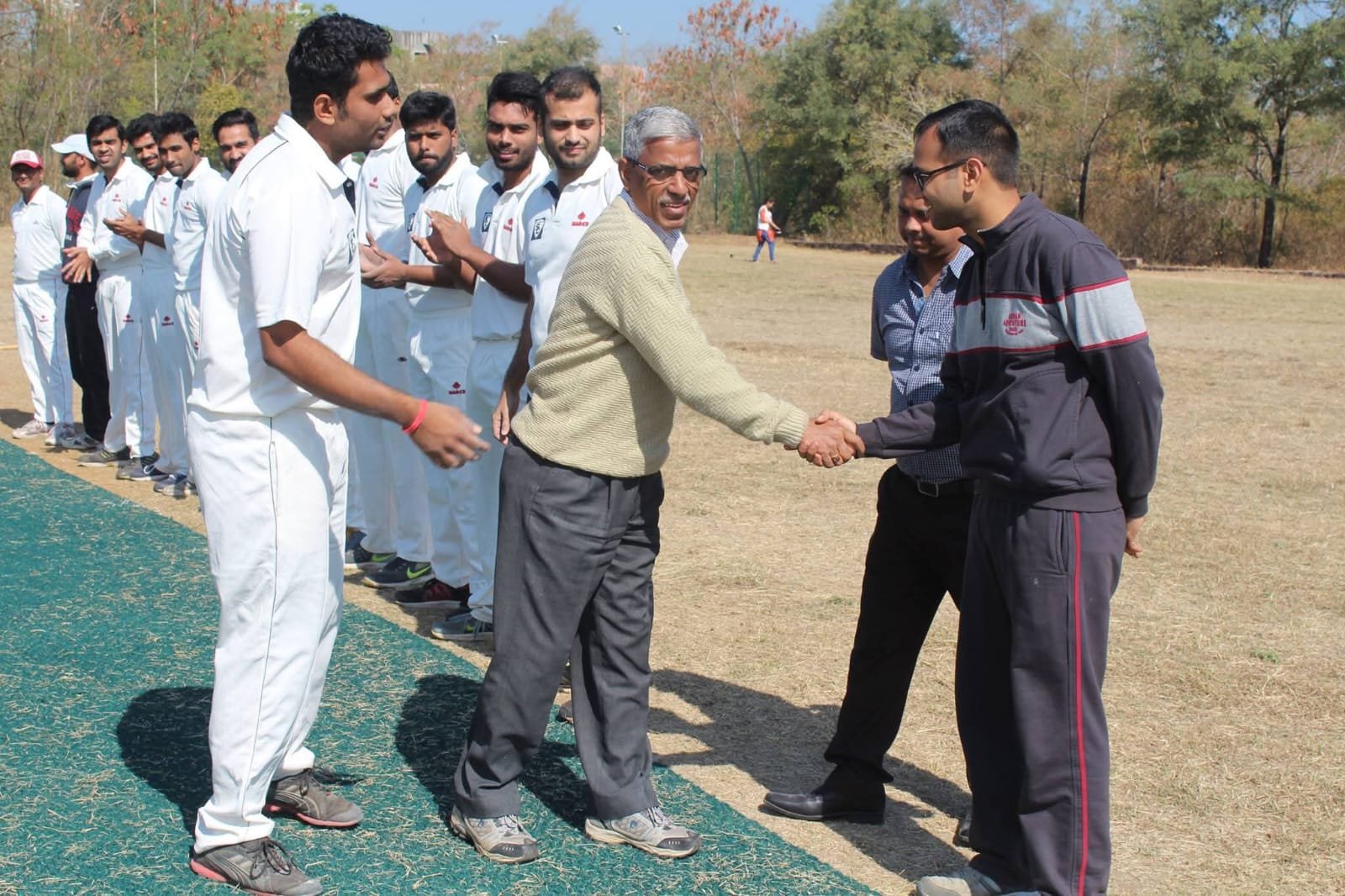
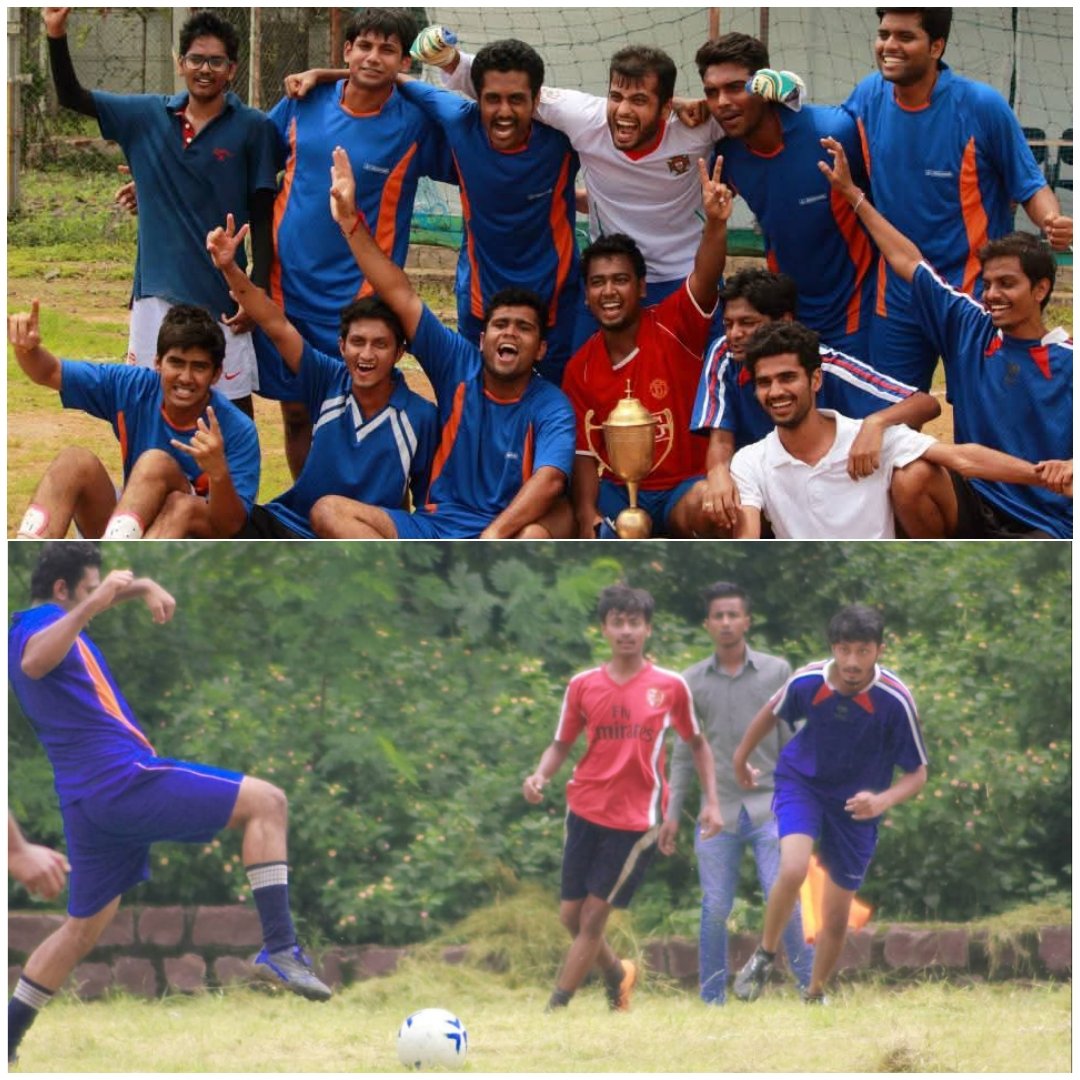
Sports was also a very important part of my IIFM journey. Being actively involved in sports on campus, winning the Independence Day Cup twice, and later becoming the Sports Coordinator are memories I still cherish deeply. Those experiences taught me leadership, teamwork, and the importance of bringing people together beyond classrooms and academics.
Apart from that, I think the campus itself added a lot to the experience. IIFM is one of those places where you grow not just professionally, but personally as well. Looking back now, it was the people, friendships, and shared experiences that truly made those years unforgettable for me.
Q. In hindsight, what was the biggest contribution or take away from IIFM that you think played a critical role in shaping you as an individual or professional?
A. In hindsight, I think the biggest contribution of Indian Institute of Forest Management was that it fundamentally changed the way I viewed both people and problems. Before joining IIFM, my understanding of development, governance, environment, or public systems was quite limited. IIFM exposed me to a completely different way of thinking, one that encouraged curiosity, questioning, and looking at issues through multiple perspectives.
More than any single course or subject, I think the overall ecosystem of the institute played the biggest role in shaping me. The diversity of peers, interactions with faculty, field exposure, campus discussions, student-led activities, and alumni interactions collectively pushed me to become more aware, confident, and adaptable.
I also feel IIFM taught us to remain comfortable with ambiguity. In the development sector, there are rarely perfect answers or textbook solutions, and I think the institute prepared us well for navigating that complexity. The ability to work across disciplines, engage with different stakeholders, and think beyond silos has helped me immensely throughout my professional journey.
Personally, one of the biggest takeaways from IIFM was the confidence that someone coming from a completely different background could still find his space, grow, and contribute meaningfully. That belief probably shaped me as much as any classroom learning did.
Q. The best buddies / seniors /faculty at IIFM? Some memorable tidbits that you like to share?
A. Honestly, one of the biggest gifts Indian Institute of Forest Management gave me was the people. When I look back at my IIFM days, the strongest memories are not just of classrooms or events, but of the friendships and relationships that became such an important part of my life.
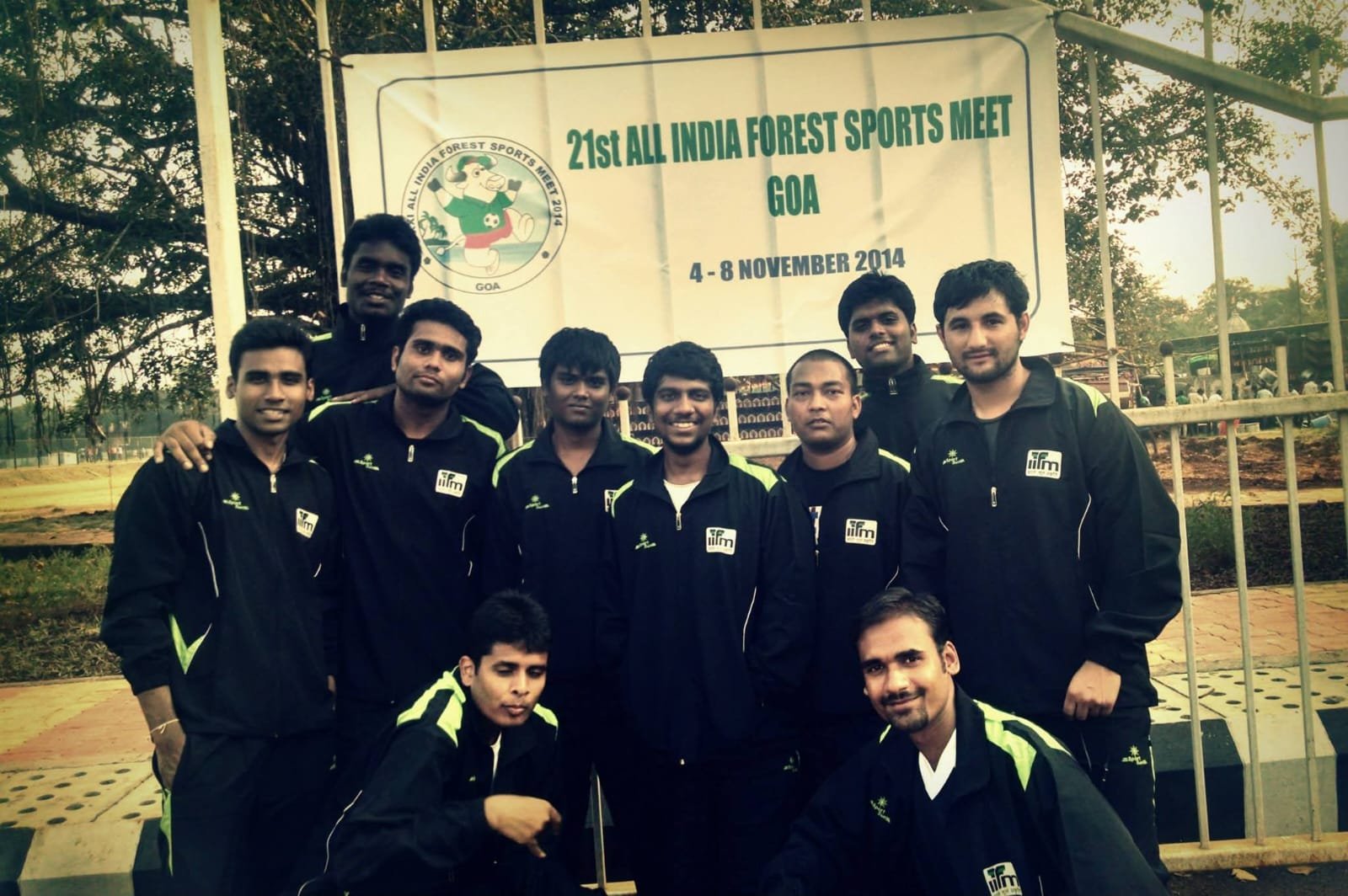
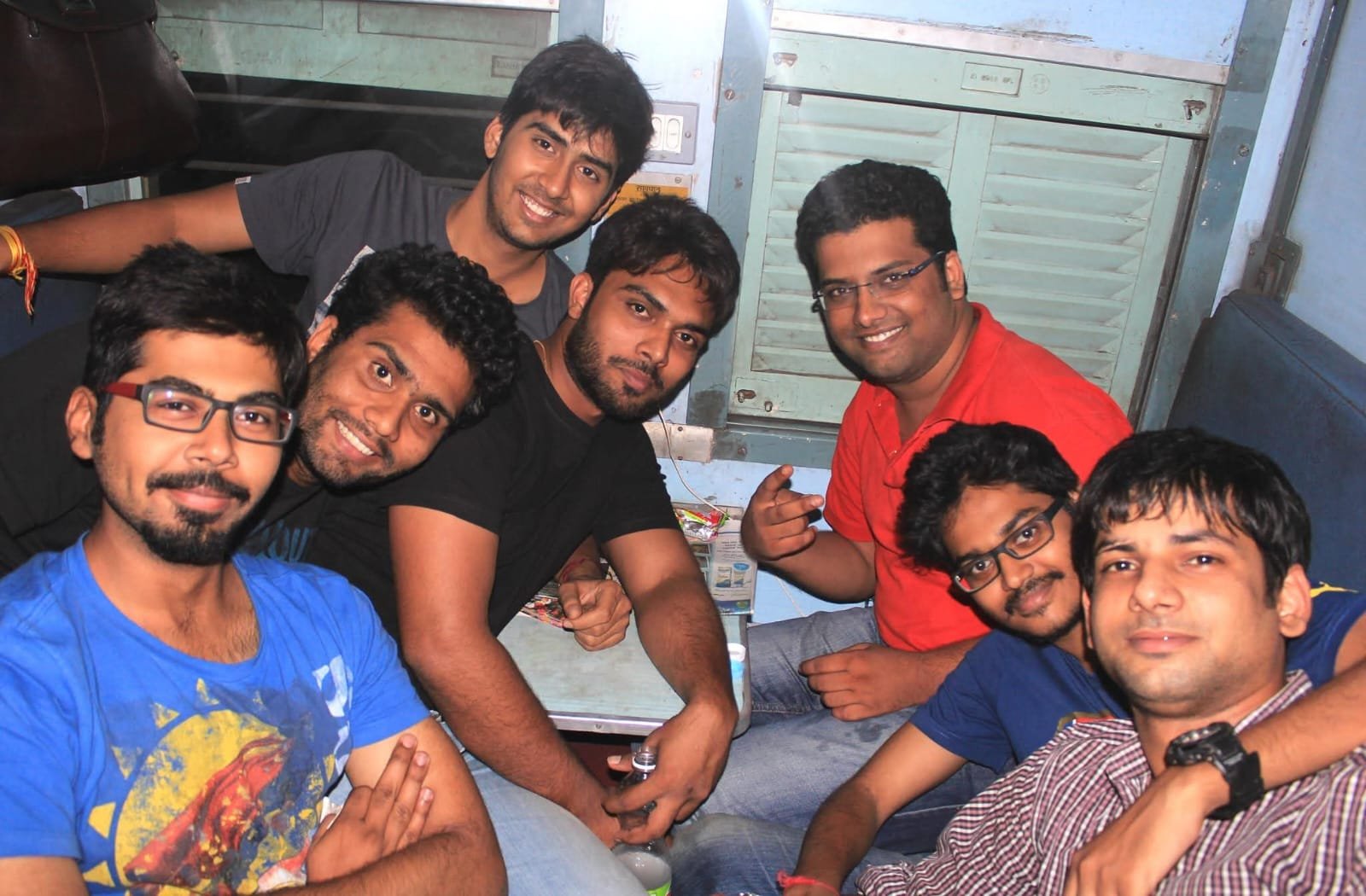
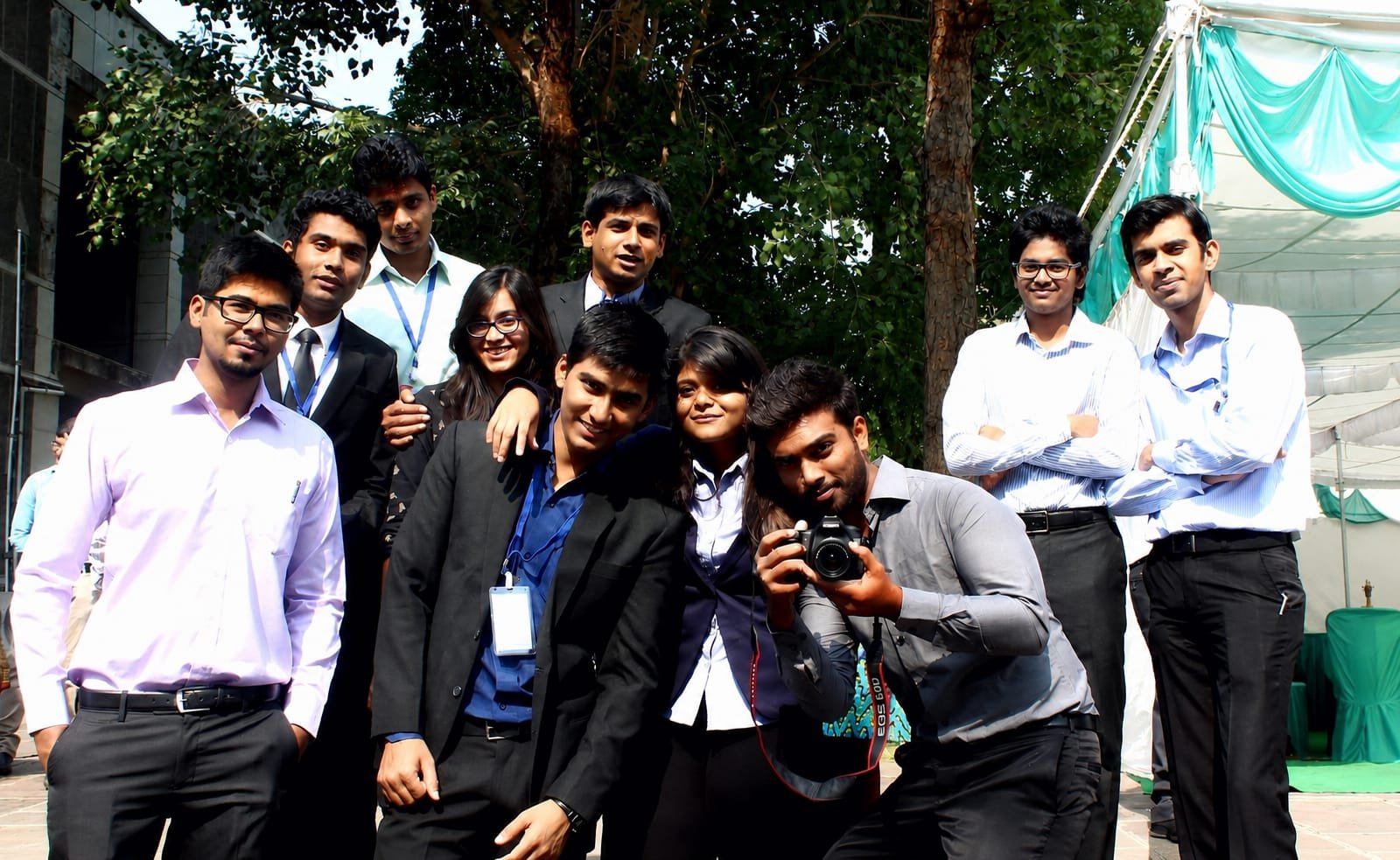
My core gang at IIFM, Kuldeep, Yash, Tushar, Vivek Patil, Abhinav Pandey, Asim, Rakesh, Varun, Anshuman, Rishab, Shraddha, Swanzil, and Shyna were much more than just friends. They became family. We practically grew up together during those two years. From hostel madness, sports, trips, celebrations, and late-night conversations and parties to stressful placements and difficult phases, we experienced everything together. Some of the happiest and most emotionally vulnerable moments of my life were shared with them. Even today, whenever we meet or talk, it feels like nothing has changed.
Beyond this core group, I also have incredibly fond memories with friends like Jatan, Horil, Siddhant, Raju, Nitish, and Vivek Anand, who made campus life even more memorable in their own unique ways.
I think what made these friendships so special was that they were built during a phase where all of us were figuring ourselves out, our careers, personalities, ambitions, insecurities, everything. We celebrated each other’s successes, pulled each other through difficult times, and created memories that will stay with us for life. If there is one thing I genuinely miss about IIFM, it is probably those people and that phase of life more than anything else.
Q. As an alumni, what’s your advice to freshers or those are joining IIFM to get best out of the 2 years there?
A. My advice to freshers joining Indian Institute of Forest Management would be to stay open to experiences beyond academics. IIFM offers a very unique environment where a lot of learning happens outside classrooms through field visits, hostel discussions, student activities, friendships, and interactions with people from very diverse backgrounds.
Use these two years to explore, experiment, and step outside your comfort zone. Build genuine relationships, participate in campus life, and do not hesitate to take up responsibilities, whether in sports, clubs, events, or academic activities. Some of your biggest learnings and best memories will come from those experiences.
Also, do not get too anxious about having everything figured out immediately. The two years at IIFM have a way of shaping you gradually, personally as well as professionally. Enjoy the journey, stay curious, and make the most of the people around you.
Q. What would be your advise for recent graduates who look for changing their sector after working for couple of years?
A. I would say do not be afraid of changing sectors if you genuinely feel the need to explore something new or align your work more closely with your interests and purpose. Some of the most meaningful learning in my own journey has come from transitioning across very different domains over the years.
At the same time, sector transitions require humility and patience. You may carry transferable skills, but every sector has its own context, language, and realities that take time to understand. Be willing to learn from scratch again, listen more, and spend time building domain understanding before trying to lead or influence change.
I would also advise people not to look at their careers in very rigid silos. Skills like problem-solving, stakeholder management, communication, systems thinking, and adaptability often matter across sectors. If you stay curious and open to learning, transitions become much smoother than they initially appear.
Q. What is your typical day at the work? And how does it look like while you are on a break?
A. A typical workday for me is usually a mix of strategy discussions, stakeholder coordination, reviewing program plans, and a lot of problem-solving conversations with teams. Depending on the phase of work, the day could involve anything from designing frameworks and presentations to discussions with government officials, field teams, or partners. One thing I enjoy about my work is that no two days are exactly the same, especially while working across public systems and developmental programs.
At the same time, I try to stay closely connected to field realities because a lot of the best insights come from on-ground interactions and conversations with people implementing the work directly.
When I am on a break, I prefer slowing things down completely. I enjoy spending time with family and close friends, watching sports, travelling, exploring local food and partying. Cricket and basketball continue to remain close to my heart, and even now I rarely miss following important matches. I also enjoy moments where I can disconnect from constant work discussions and just relax without a schedule or agenda.
Q. And how about weekends, hobbies, family and anything else you want to add?
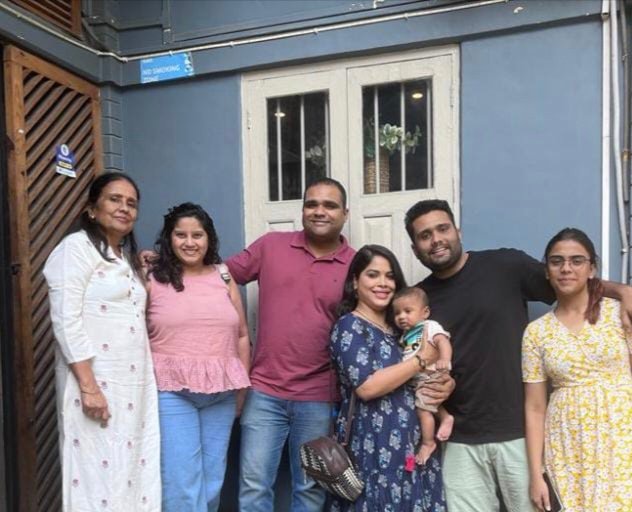
A. Weekends for me are usually about unwinding and spending quality time with family and friends. I enjoy going out and partying with close friends whenever everyone manages to get together. After hectic work schedules and travel, those moments help me disconnect and recharge.
I also love travelling, especially exploring the beautiful places across the North East. Being from Guwahati, I have always felt very connected to the region, and short trips to the hills, riversides, or quieter destinations nearby are something I genuinely enjoy. The North East has an incredible mix of natural beauty, food, culture, and warmth that I never get tired of experiencing.
Apart from that, sports continue to remain an important part of my life, whether it is actively playing whenever possible or just passionately following cricket and basketball.
Q. Favorite Books, movies, authors?
A. I would honestly not call myself an avid reader outside of work-related themes and professional interests. Most of my reading usually revolves around development, governance, public systems, and strategy-related subjects connected to my work. When it comes to unwinding, music plays a much bigger role for me. I especially enjoy listening to old classic rock during long drives.
Q. IIFM is driven by alumni’s passion and commitments towards its goal. How would you like to contribute to IIFM or IIFM alumni, students? Your engagement with IIFM Placement or OT/SI?
A. Indian Institute of Forest Management has played a very important role in shaping my journey, so I have always felt strongly connected to the institute and its students.
Going forward, I would like to contribute through mentorship, career guidance, and interactions with students interested in the development and public systems space. I have also been associated with supporting placement and Summer Internship opportunities through Piramal Foundation whenever possible, and I believe the organization offers students a very unique learning experience across sectors like governance, water, climate action, and public health.
Q. What do you think is different at IIFM now vs when you studied there? When was the last time you visited IIFM?
A. I think Indian Institute of Forest Management has evolved quite a lot over the years in a positive way. The introduction of new courses, increasing batch diversity, and expansion in opportunities have definitely helped the institute grow and adapt to changing professional landscapes. It is good to see IIFM expanding its reach while still retaining its unique identity and strong connection with the development and environment sector.
The last time I visited IIFM was around 2021–22, and visiting the campus after several years was a very nostalgic experience. A lot had changed, but at the same time, it still felt like home the moment I entered the campus.
Q. Any suggestions on who you want to get profiled/interviewed here?
A. Asim Juneja, PFM (2014-16)