
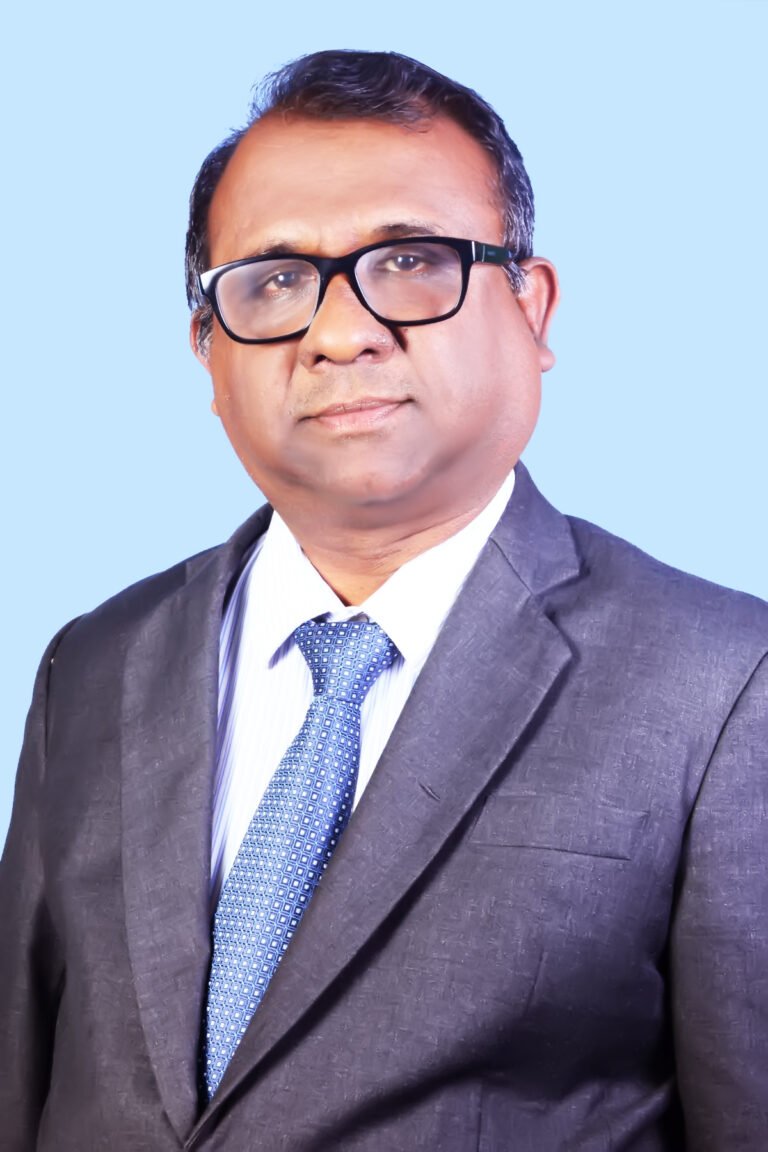
With over 29 years of distinguished experience in forest management, conservation, and policy development, I offer a proven track record of leading national-scale forestry initiatives. My expertise spans the management of World Natural Heritage sites and International Biosphere Reserves, large-scale forest restoration, and GIS-integrated resource planning. I have successfully directed complex programs in biodiversity conservation, watershed management, and participatory natural resource governance. A strategic leader skilled in human resource management and international partnership building, I was notably recognized for heading the UN Flagship award-winning mangrove restoration program and have received multiple accolades for my contributions to sustainable forest management.
Location: Kottawa, Colombo District, Sri Lanka
FB: https://web.facebook.com/nishantha.edirisinhe
Q. Tell us about your School and College before you came to IIFM. How was your experience there? And how did IIFM happen? Also how was your experience at IIFM?
A. Education and Professional Background
I completed my schooling in 1984 and enrolled in the Faculty of Agriculture at the University of Peradeniya, Sri Lanka. I earned my bachelor’s degree in Agriculture in 1991. My professional journey began at the International Irrigation Management Institute (IIMI) now known as IWMI where I served as a Research Officer until 1996. That same year, I joined the Department of Forest Conservation in Sri Lanka as an Assistant Conservator of Forests, based at the head office.
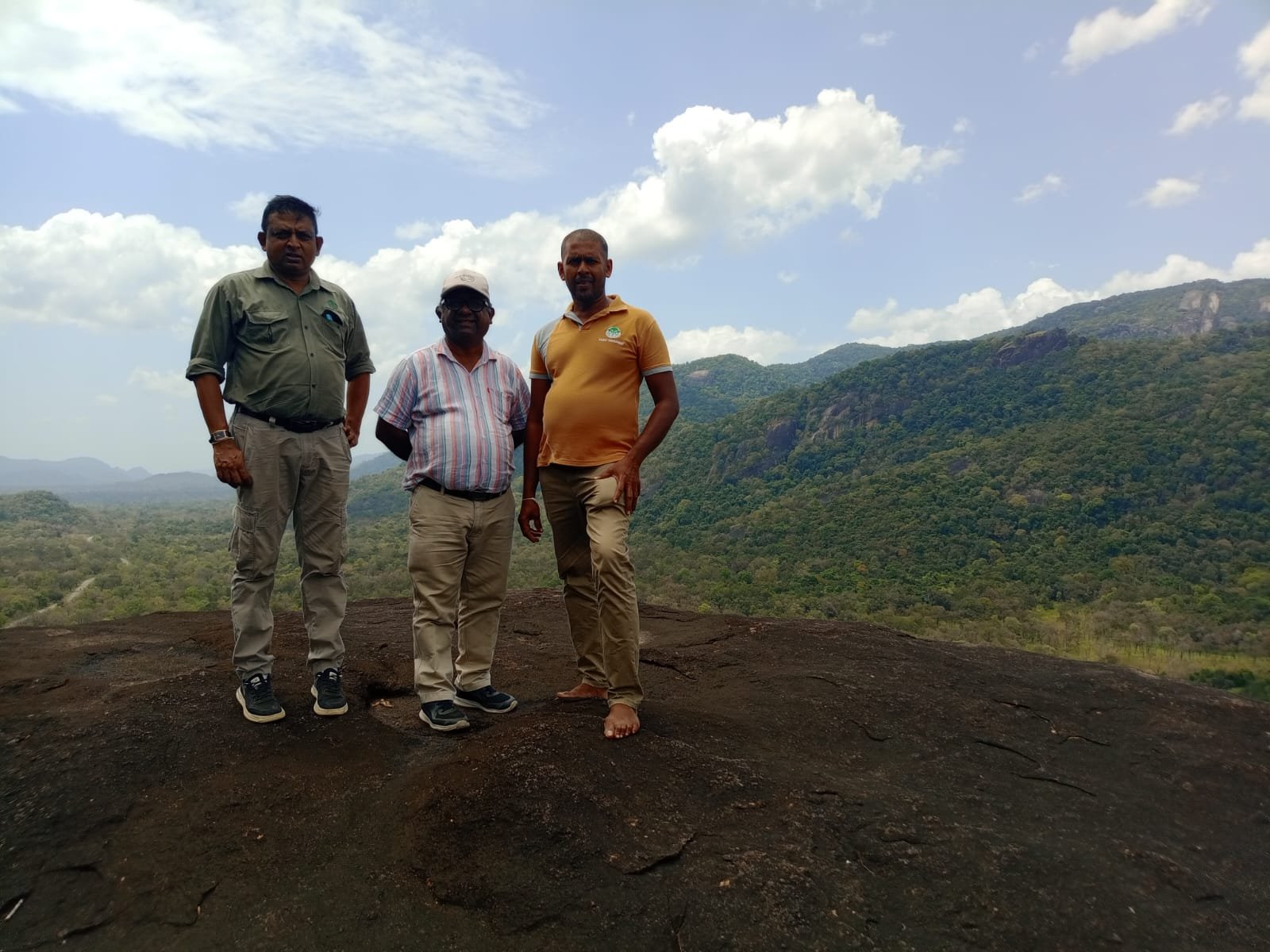 Field visit to the unique savanna ecosystems of Sri Lanka
The Path to IIFM
During my early years at the Department, the authorities were seeking specialized training opportunities in India for newly recruited forest officers. After coordinating with the Director of IIFM, three slots were secured for the PGDFM class of 1998-2000. When I was offered the opportunity, I accepted enthusiastically. Many of my senior colleagues had received their forestry training in India and were performing exceptionally well, so I knew this was a prestigious opportunity. Consequently, three of us newly appointed Assistant Conservators set off for IIFM to pursue the PGDFM.
Life at IIFM: A Home Away from Home
My class consisted of about 40 students, most of whom were fresh, talented graduates from various Indian universities. Being slightly older than my peers and representing the Sri Lankan Department of Forest Conservation, I felt a deep sense of responsibility. While I didn’t enjoy the same freedoms as my younger classmates, choosing instead to focus heavily on my studies, their cordiality and warmth made IIFM feel like a true home.
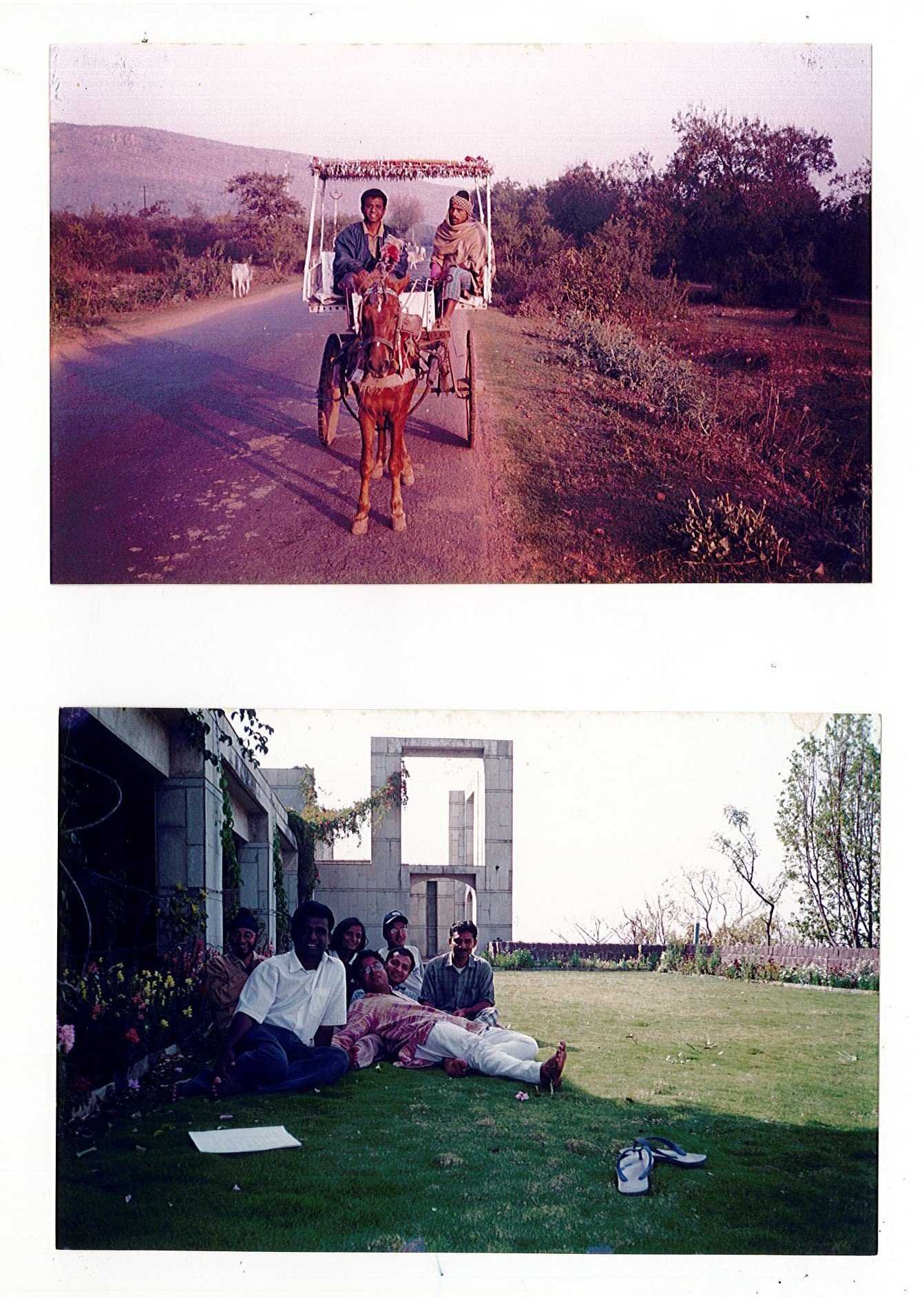 Rajgir visit, laughter, and relaxation with classmates
Communication in those days was a challenge; without modern technology, we relied on expensive phone calls, letters, and emails to stay in touch with our families. However, the hospitality of my classmates and seniors eased the ache of being away from my loved ones. I will always appreciate the kindness shown to us by the faculty and students alike.
Academic and Practical Experience
The curriculum was a blend of forestry, environmental science, and management. Initially, as a forester, I was doubtful about the relevance of financial, marketing, and strategic management. I found these subjects quite dry at first, but as I progressed, I gained a deep appreciation for them. Once I returned to my professional duties, I realized just how vital those management skills were for a successful career.
The practical components were equally transformative. Our field module took a group of eight of us to Maharashtra, where we studied diverse forestry practices, forest industries, Joint Forest Management (JFM), and park management. This exposure to Indian forest operations was invaluable.
For my two Organizational Training (now called SI & Project Work) programs, I returned to Sri Lanka to focus on local contexts. My first OT explored the potential for eco-tourism development in the Knuckles Forest. I was honored to receive the Director’s Prize for Best Organizational Training in 1999. I successfully completed the PGDFM in April 2000 and returned home, equipped with the knowledge that would shape the rest of my career.
Q. How has been your journey from IIFM so far?
A. Sharing Knowledge: The Early Years post IIFM
I returned from IIFM equipped with a wealth of new knowledge and a strong desire to disseminate it among my colleagues. When my superiors asked for my placement preference, I chose the Sri Lanka Forestry Institute (SLFI) in Nuwara Eliya, despite it being 175 km from my home. As an in-service training institute for the Department of Forest Conservation, it was the perfect platform for me to serve as Deputy Director starting in April 2000. The management and forestry insights I gained at IIFM proved invaluable as I conducted lectures for fellow officers.
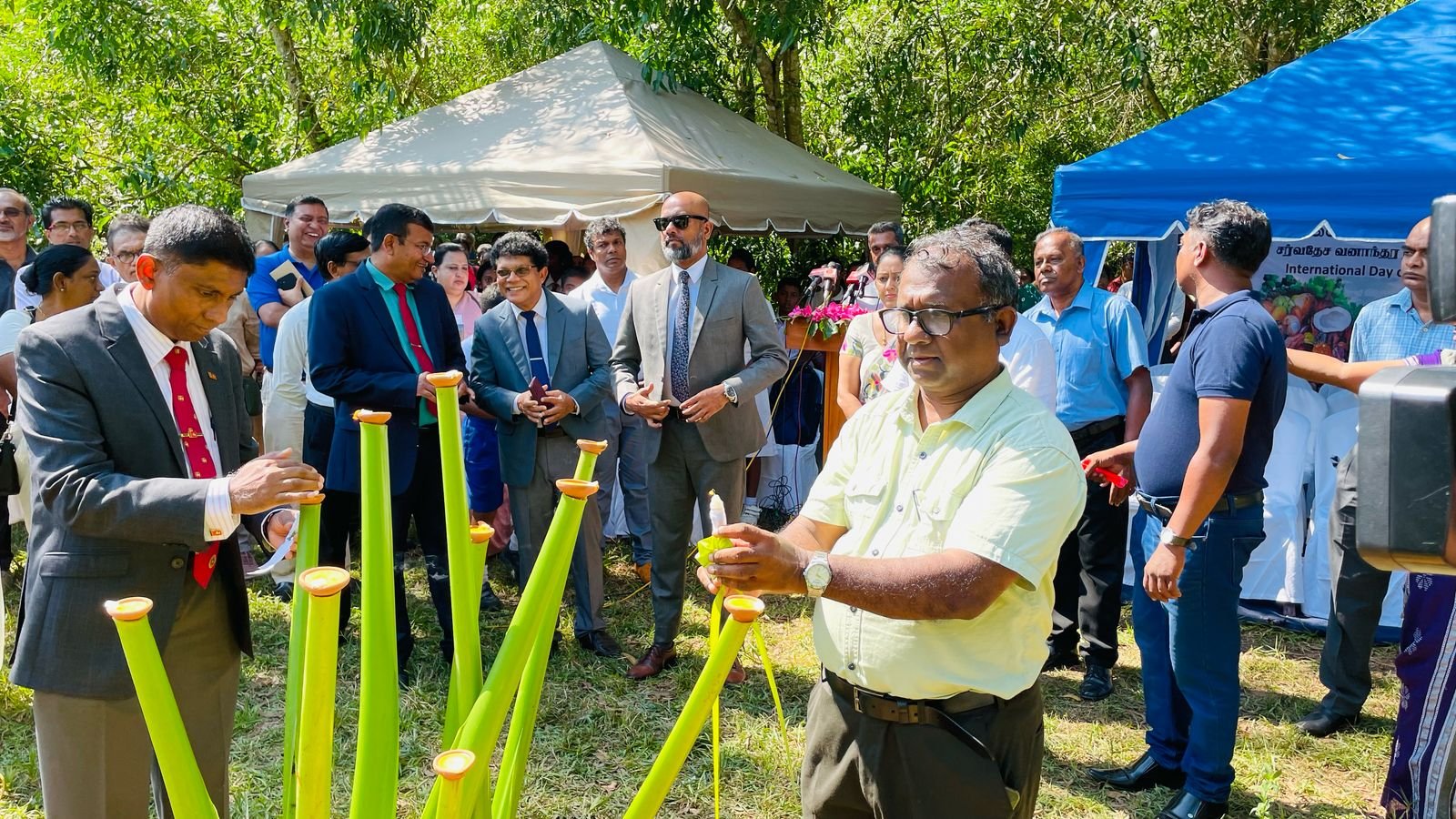 Lighting of the traditional oil lamp at the commencement of the International Day of Forestry celebration with the Secretary and Ministers
Field Leadership and Advanced Specialization
After two years in academia, I transitioned into field operations, serving as an Additional Divisional Forest Officer and subsequently as a Divisional Forest Officer (DFO) across several divisions over a five-year period. It was during this time that I truly appreciated the general management skills I had acquired at IIFM; they were essential for navigating complex relationships with various stakeholders.
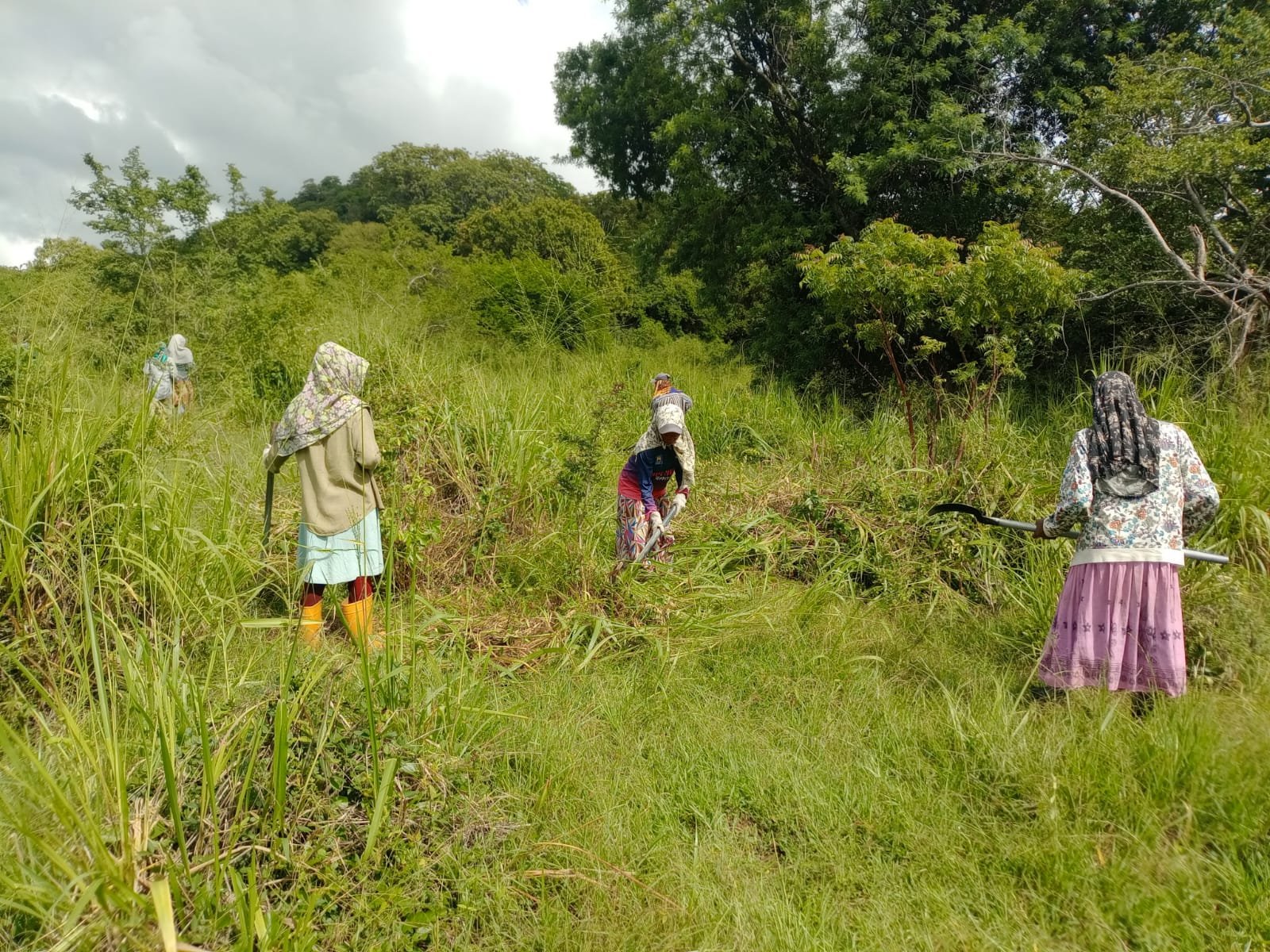 Supervising the removal of invasive plant species
In 2007, I was offered the opportunity to pursue a Master’s degree at the International Institute for Geo-Information Science and Earth Observation (ITC) in the Netherlands. I specialized in the application of GIS and Remote Sensing for Natural Resources Management, ultimately graduating with Distinction.
Strategic Impact and National Conservation
Upon my return in 2008, I joined the GIS and Remote Sensing Unit of the department. Leveraging my Master’s research, I took the lead in preparing the national forest cover map of Sri Lanka. My tenure in this unit was marked by a significant achievement: the declaration of 350,000 hectares of forest as reserved forests. Following this, I focused on forest restoration. My career progressed steadily:
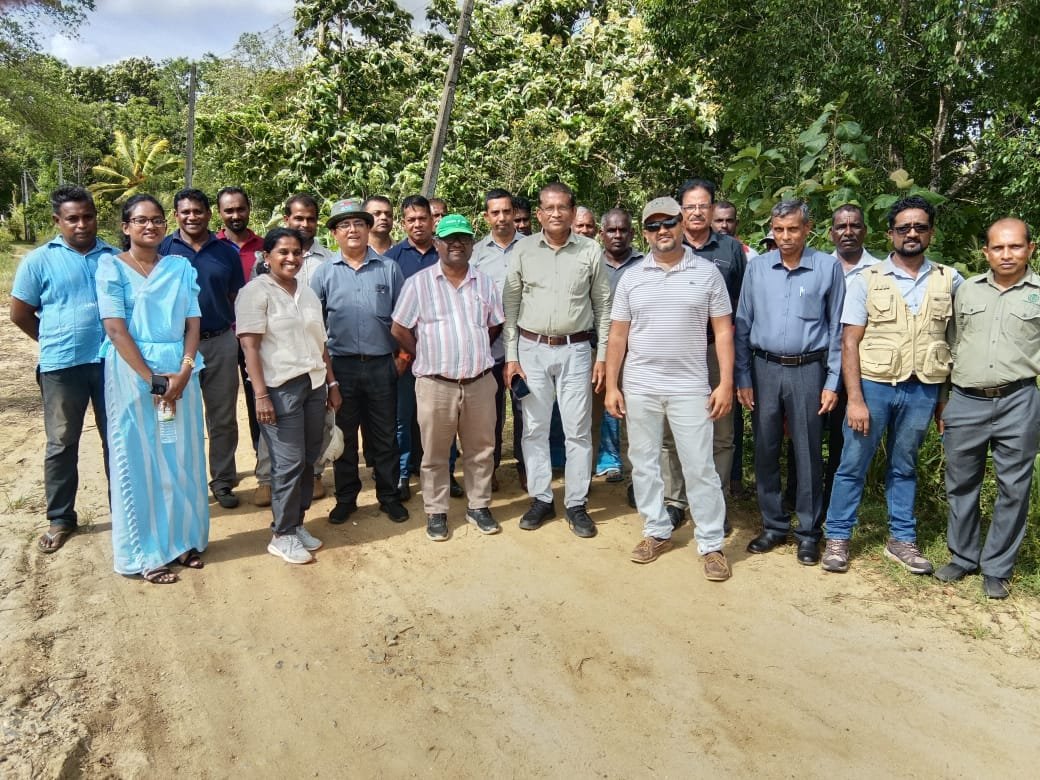 Joint field inspection conducted with the General Manager of Railways and officials from the Department of Wildlife Conservation and our department to identify strategic locations for camera systems
2017: Promoted to Deputy Conservator of Forests.
2018: Appointed Conservator of Forests (Biodiversity and Watershed Conservation).
In this role, I expanded our restoration programs to include mangrove ecosystems. This effort culminated in a proud moment for our nation in 2023, when Sri Lanka won the UN World Restoration Flagship award for its mangrove restoration program.
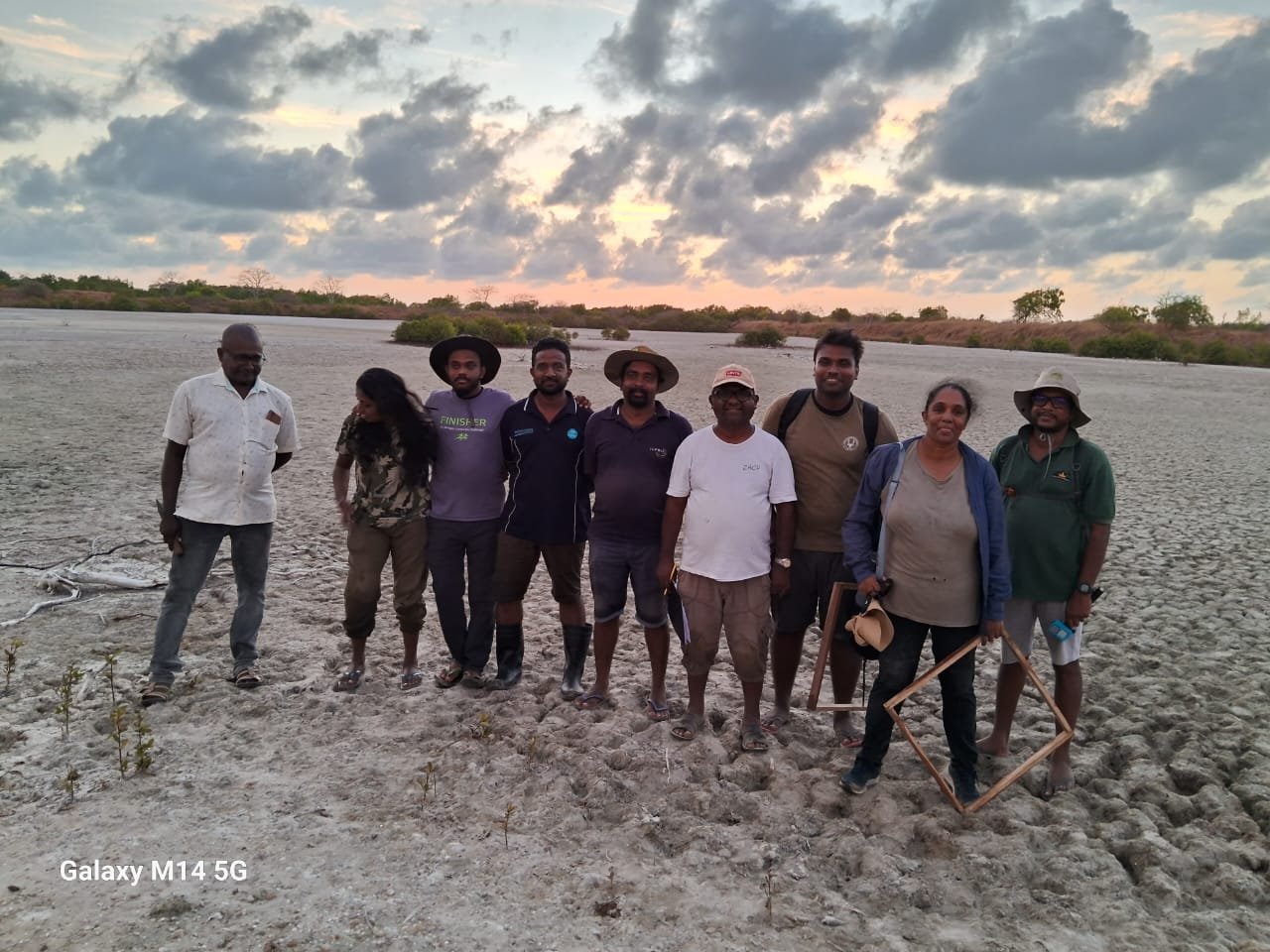 Field visit to identify potential lands for mangrove restoration
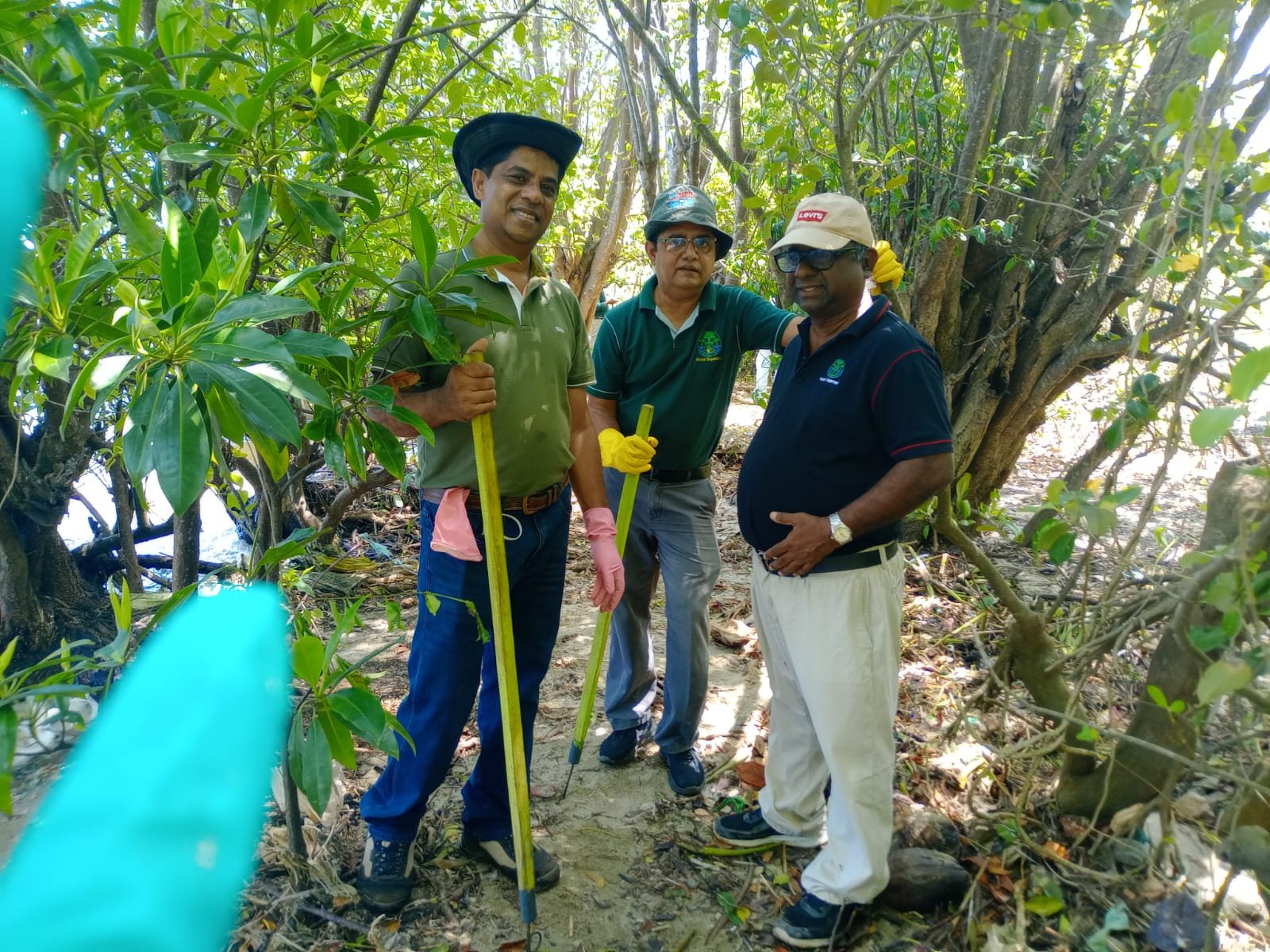 Cleaning mangrove forests – new conservator general is on left side
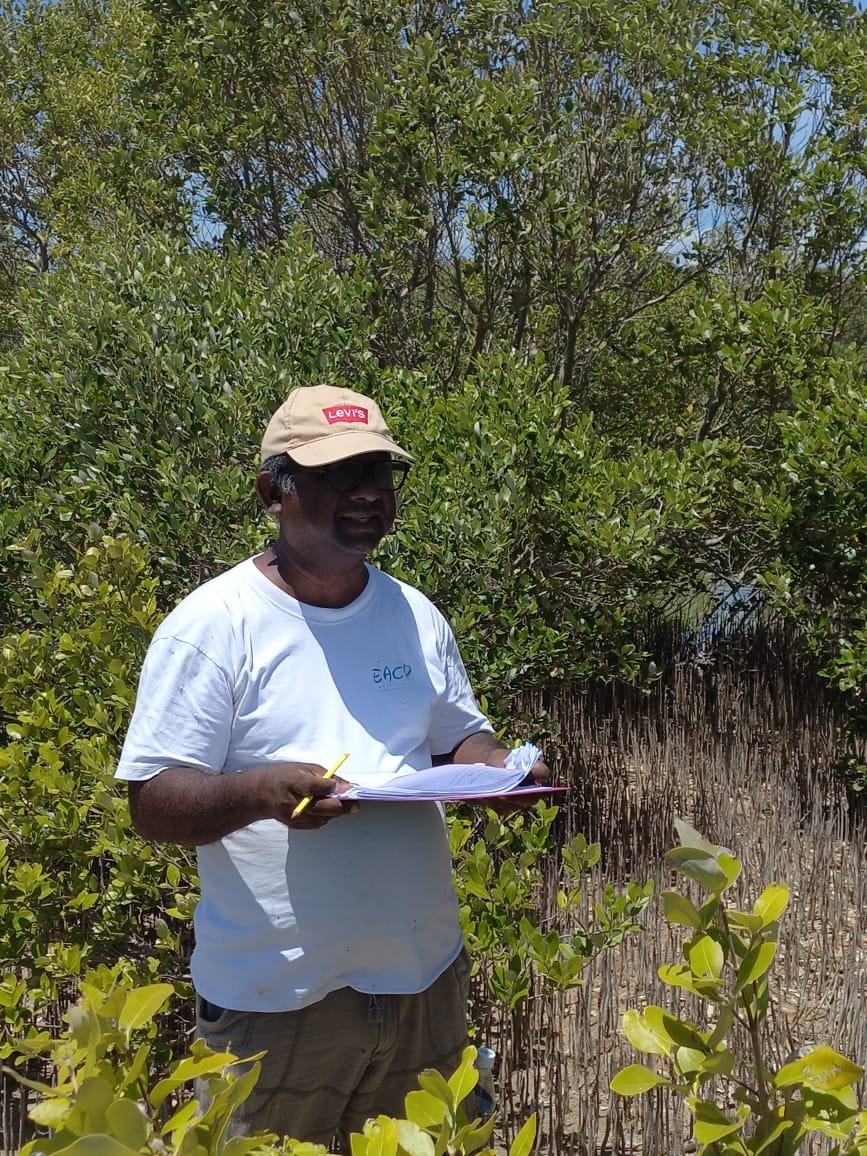 Study the performance of mangrove restoration
Challenges and the Ascent to Leadership
During my time in the Biodiversity Division, I faced a period of immense personal and professional challenge. My colleague and fellow IIFM alumnus, who headed the Protection and Law Enforcement Division, fell seriously ill. I took on his responsibilities in addition to my own, working late into the evenings and through weekends. During this time, I spearheaded the preparation of regulations for the Forest Conservation Ordinance and initiated its amendment.
In June 2023, I was promoted to Additional Conservator General of Forests (Operations and Protection). Shortly thereafter, in December 2023, the Cabinet of Ministers appointed me as the Conservator General of Forests, the head of the department.
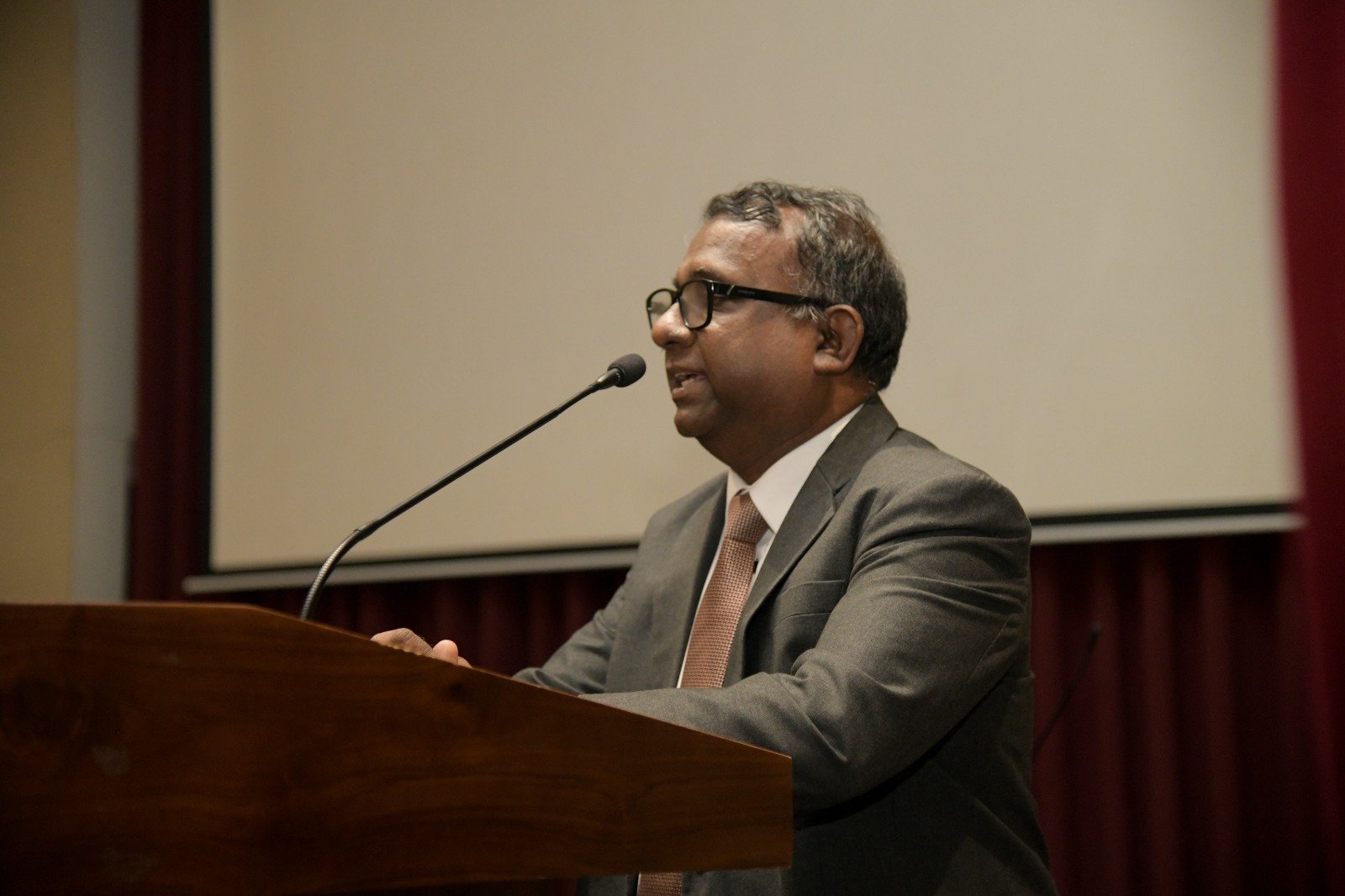 Addressing a meeting as the Conservator General of Forests
Legacy as Conservator General
As the Conservator General, I focused on:
● Resolving long-standing forest boundary conflicts among stakeholders.
● Expanding the protected area network.
● Modernizing forest protection through the establishment of a drone operation system.
● Enhancing inter-agency relationships between the Department, NGOs, and the private sector.
My journey, which began with the foundational training at IIFM, came to a close when I retired in July 2025, leaving behind a legacy of conservation and institutional growth.
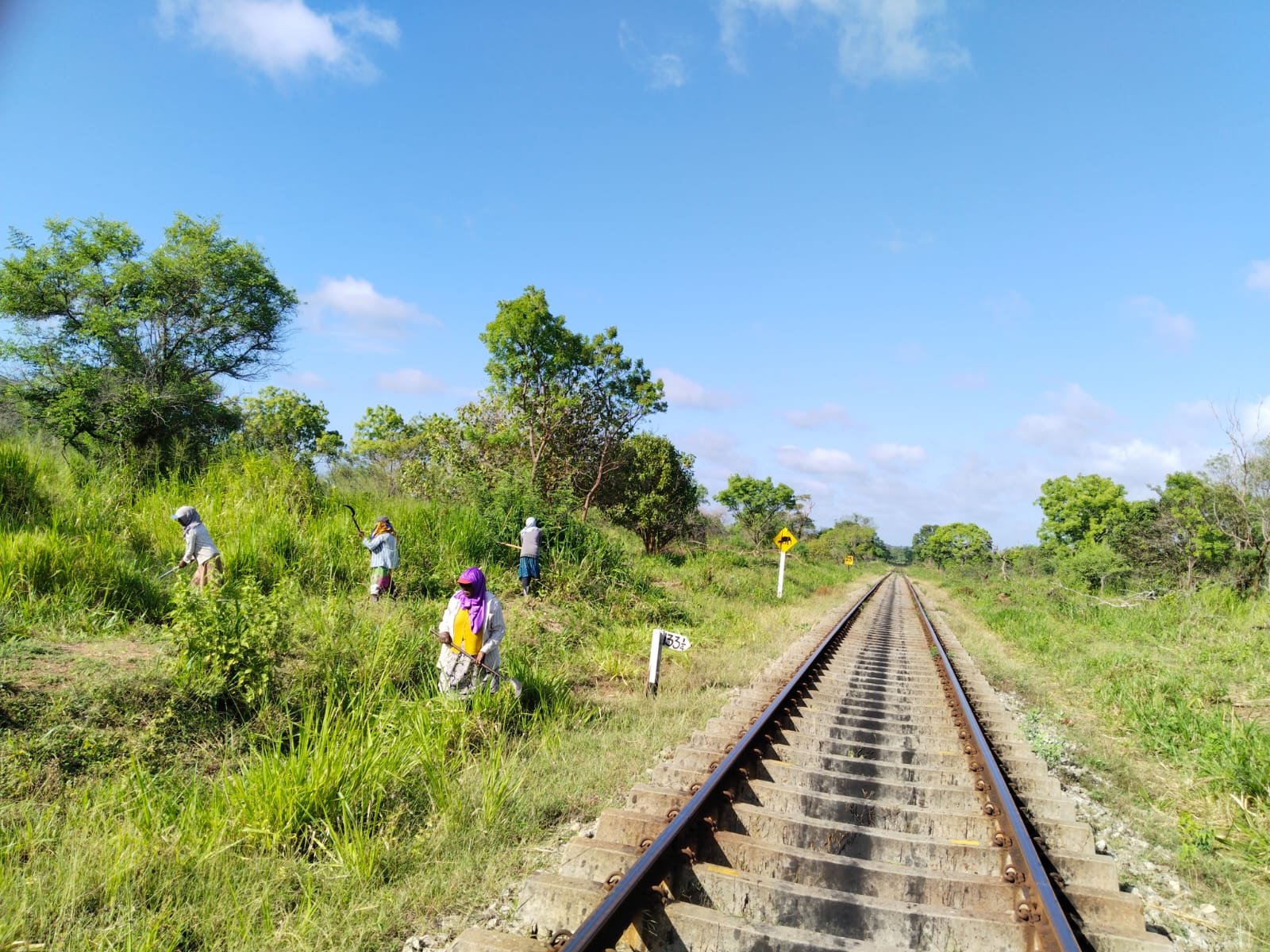
Clearing the sides of the railway line to reduce the risk of wild elephant collisions during the rainy season
Q. What were some of the key milestones/learning in this journey that you would like to share with us?
A. The most significant milestone of my career was my appointment as the Conservator General of Forests by the Cabinet of Ministers. For many officers entering government service, reaching the helm of their department is a lifelong ambition.
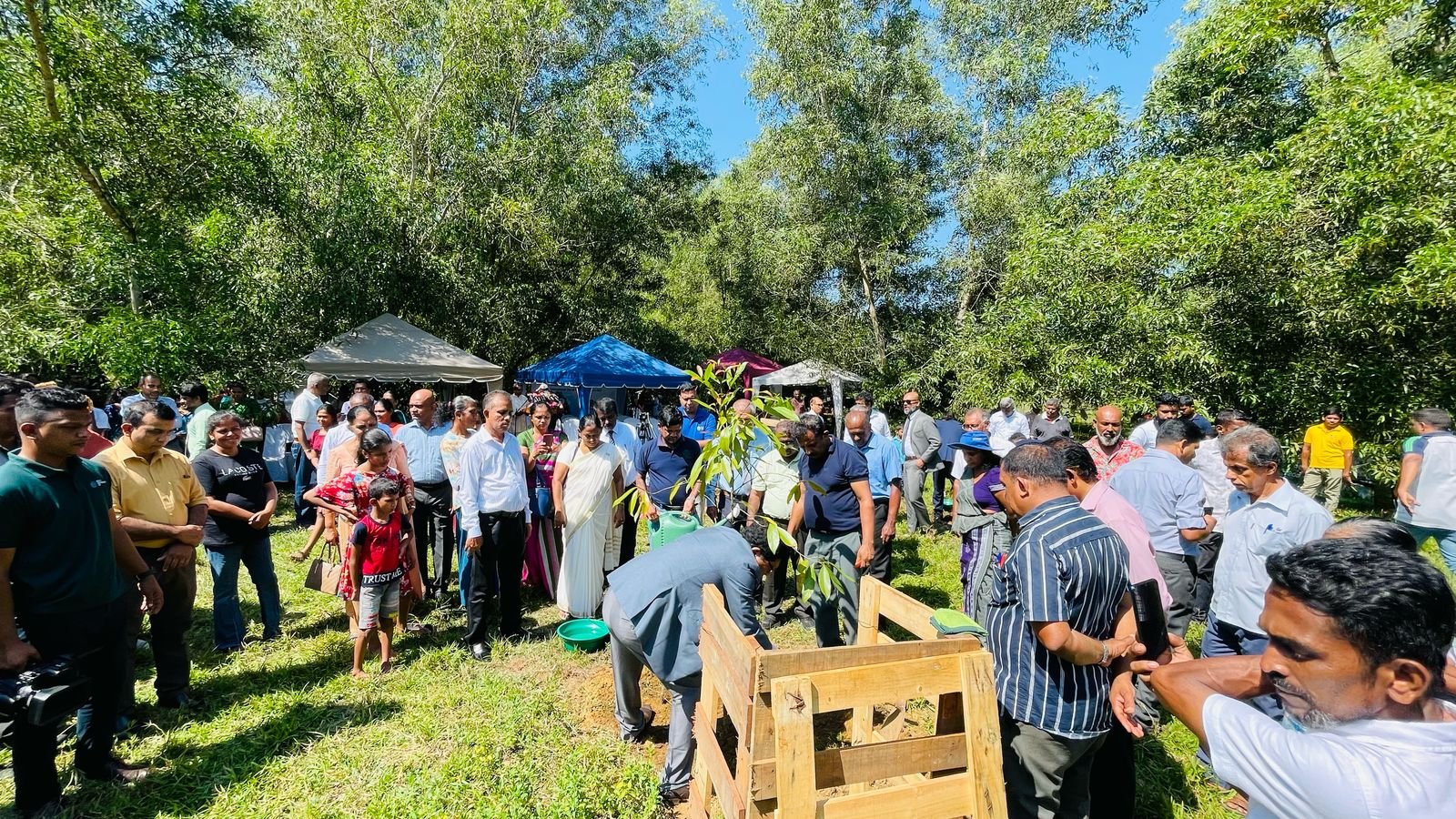 Participating in a tree planting programme on the International Day of Forests
Throughout my journey, my philosophy has been simple: to work with genuine dedication and integrity, without being driven by the pursuit of promotions or personal gain. I have found that when you commit yourself fully to the service of the environment and the public, professional rewards follow naturally. My experience has taught me that genuine hard work and a steadfast commitment to one’s mission are the true keys to success.
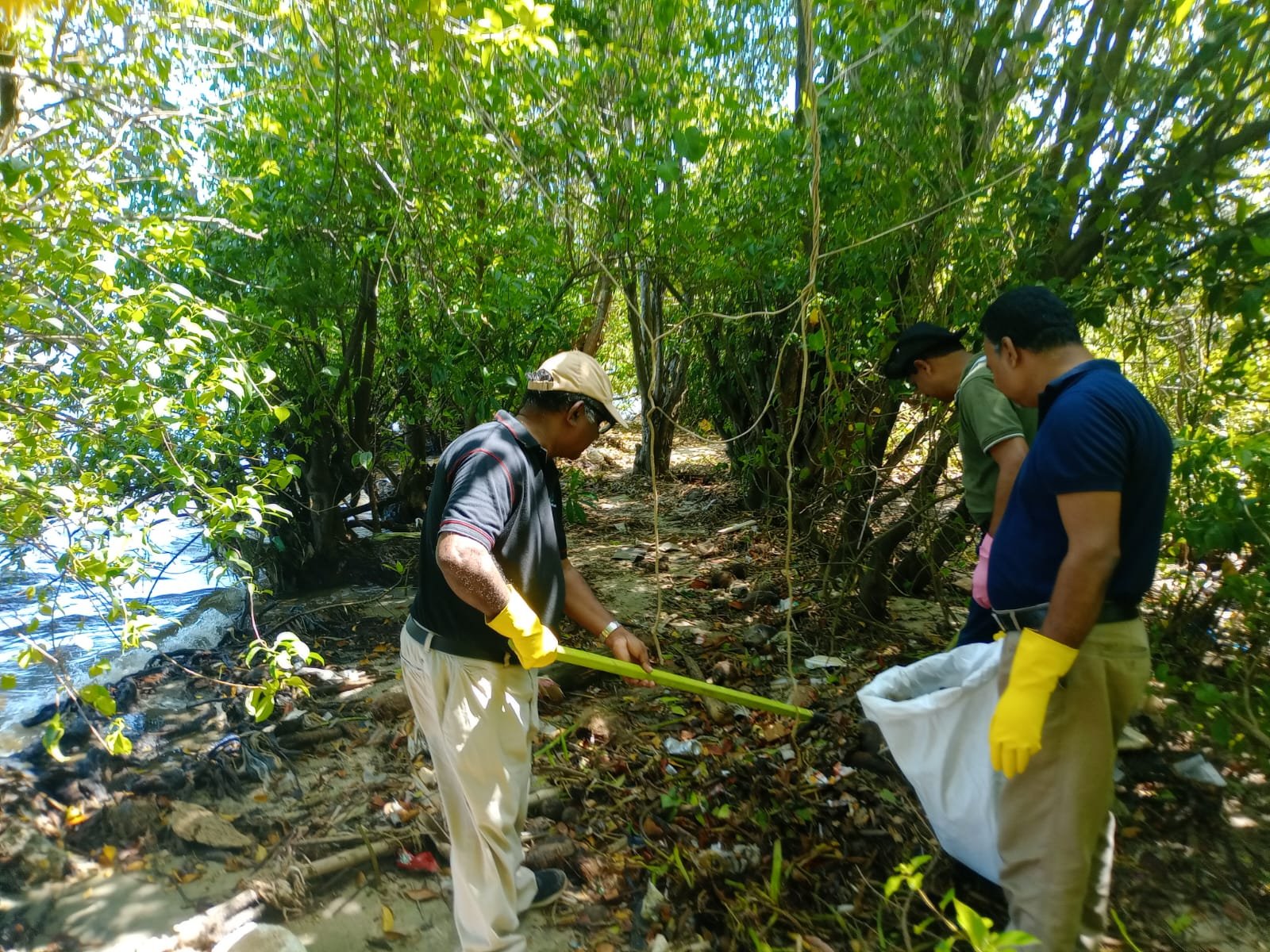 Participating in the mangrove cleaning programme on World Environment Day
Q. What all areas have you been working now?
A. Although I am now retired from formal government service, my commitment to the forestry sector remains as active as ever. I currently leverage my decades of technical expertise and leadership experience to serve as a consultant and advisor, ensuring the continued betterment of natural resource management in Sri Lanka.
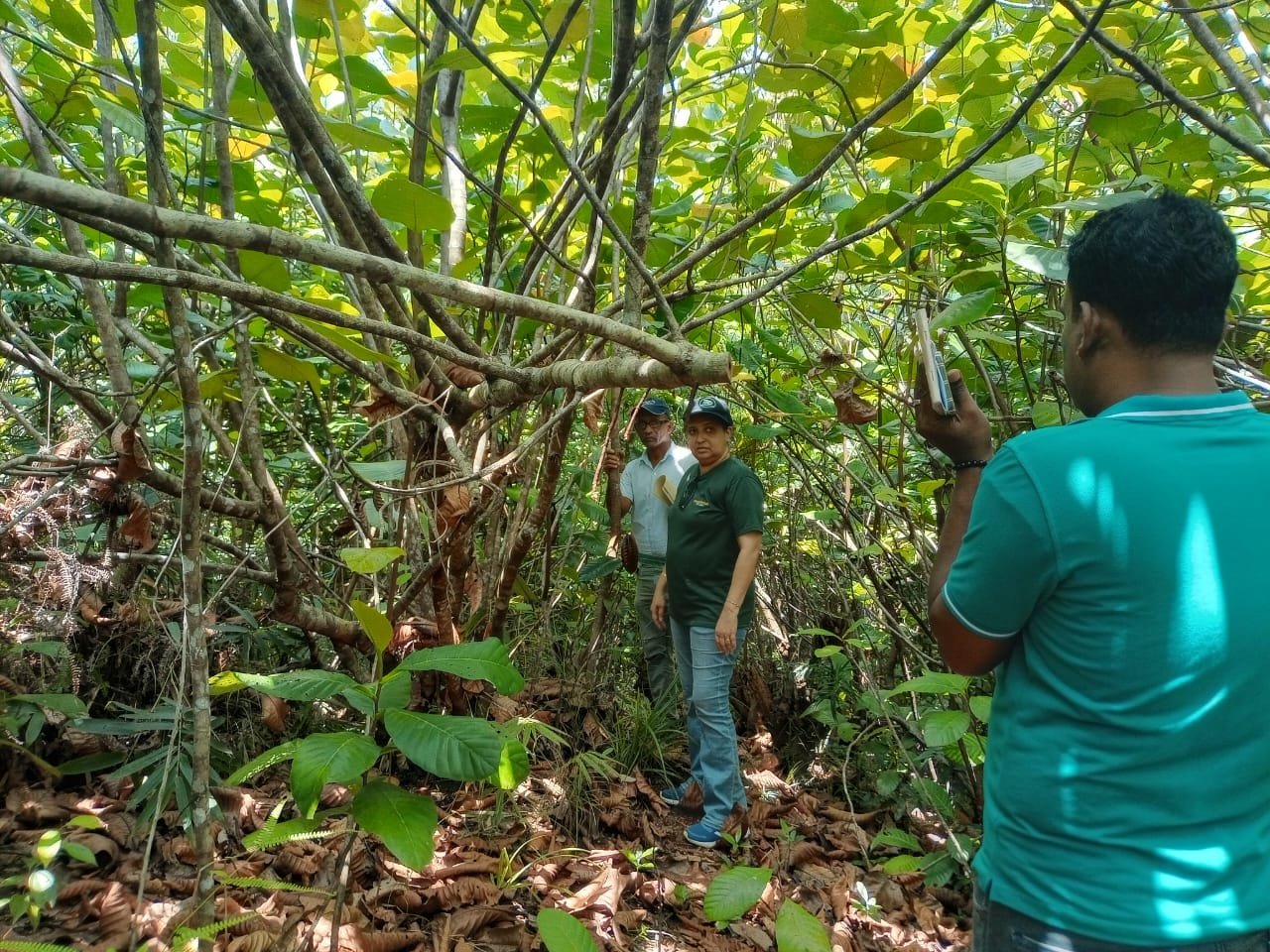 Field observation invasive affected area post retirement work
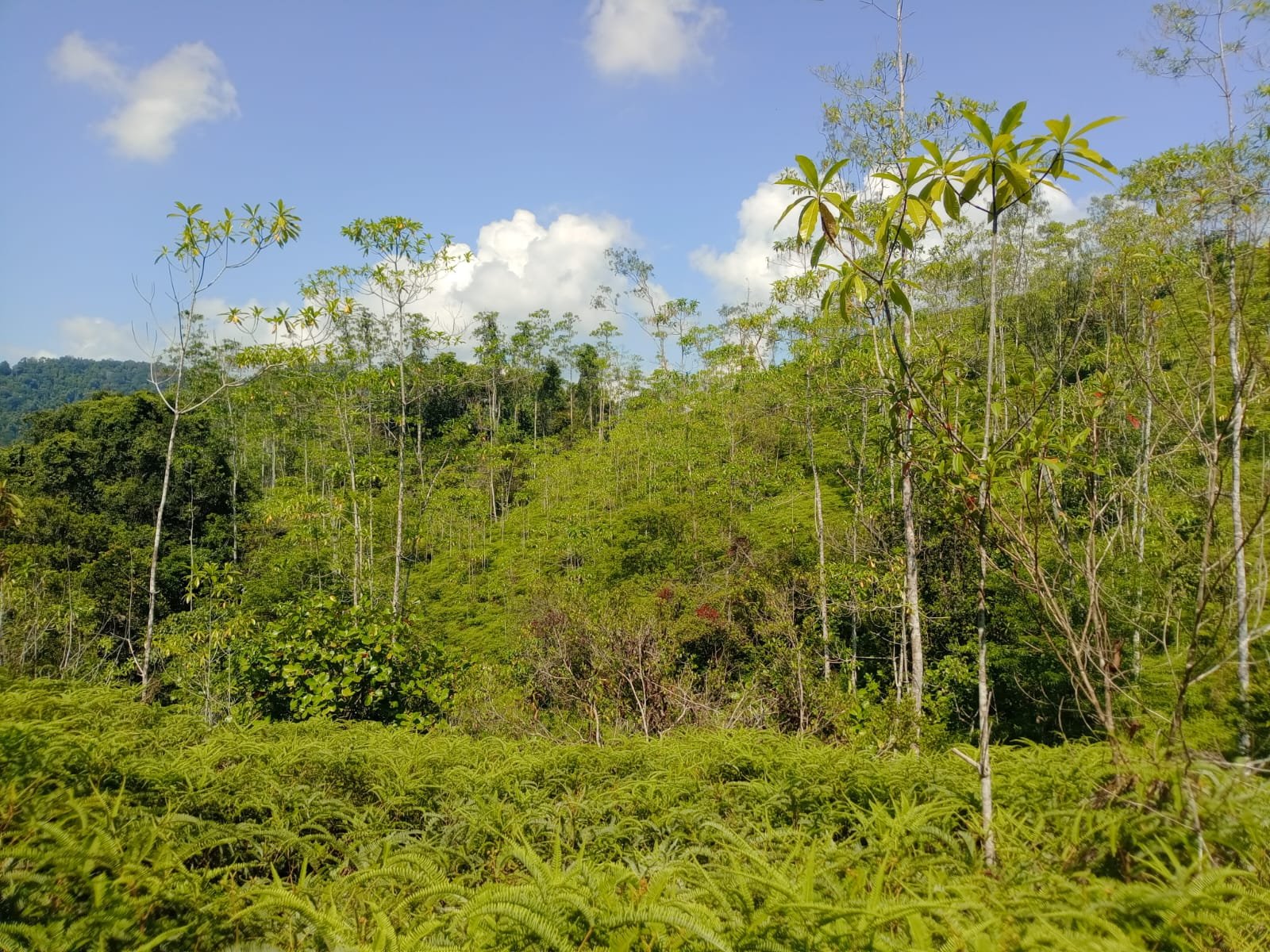 Identified land for reforestation with the Department of Forest Conservation
Q. What is the most satisfying part in your career?
A. Reflecting on a career that has spanned several decades and roles, it is difficult to isolate a single moment of satisfaction, as every phase brought its own unique challenges and rewards. However, if I were to choose the most fulfilling aspect, it would be the academic milestones integrated into my professional journey.
My time at IIFM in India and ITC in the Netherlands represented more than just a break from routine; they were periods of profound personal and intellectual growth. Each experience presented a different set of challenges—from mastering new management philosophies to gaining technical expertise in GIS and Remote Sensing.
The satisfaction came from the realization that I was evolving. These academic chapters provided me with the “intellectual tools” I needed to later influence national policy and lead major conservation efforts. The bridge between learning a new concept in the classroom and seeing it successfully implemented in the forests of Sri Lanka has been the most gratifying part of my life’s work.
Q. Who (or what) are the biggest influences or drivers in your careers? What would be your advice to freshers and IIFM graduates who are looking to choose similar sectors/roles.
A. Influences and Drivers
My career has been driven by a deep-seated responsibility toward the natural resources of Sri Lanka. The biggest influences in my journey have been the mentors and senior professionals who demonstrated that forestry is not just a job, but a lifelong commitment to the planet. Additionally, my academic experiences abroad served as major drivers, pushing me to bring international best practices back to my home country.
Advice to Freshers and IIFM Graduates
For those just beginning their journey in forestry, environment, or management, my advice is centered on the Principle of Synergy:
Cultivate the “Competence-Commitment” Balance:
Knowledge and skills without commitment are stagnant; conversely, commitment without the necessary skills can be ineffective. You must tirelessly improve your technical expertise while simultaneously bringing a high level of dedication to your organization’s mission. One cannot succeed without the other.
Be a Lifelong Learner:
The sector is constantly evolving with new technologies like GIS, drones, and climate science. Never stop being a student. The more you know, the more effectively you can protect the resources under your care.
Operate with Integrity:
In the public and environmental sectors, your reputation is your greatest asset. Work genuinely and hard without constantly looking for immediate returns or promotions. If you focus on the quality of your impact, the career rewards will inevitably follow.
Bridge the Gap:
Use your management training (especially from institutes like IIFM) to bridge the gap between scientific forestry and social needs. The ability to work with stakeholders is just as important as the ability to manage a forest.
Q. How did you decide to go for higher studies post IIFM? And how was the experience?
A. Following my time at IIFM, my department required me to pursue further postgraduate studies. Having been introduced to Remote Sensing at IIFM, I recognized that Geographic Information Systems (GIS) and Remote Sensing was the most critical field for the future of modern forestry.
I secured a placement at ITC Netherlands to pursue a Master’s in Geo-information Science and Earth Observation for Natural Resource Management. The experience at ITC was deeply enriching, not only because of the technical rigor but also because of its international environment, featuring colleagues from across Africa, Asia, Latin America, and Europe. The curriculum focused on the core mechanics of GIS and Earth Observation and, more importantly, their direct application to Natural Resource Management a skillset that has proven indispensable in forest management.
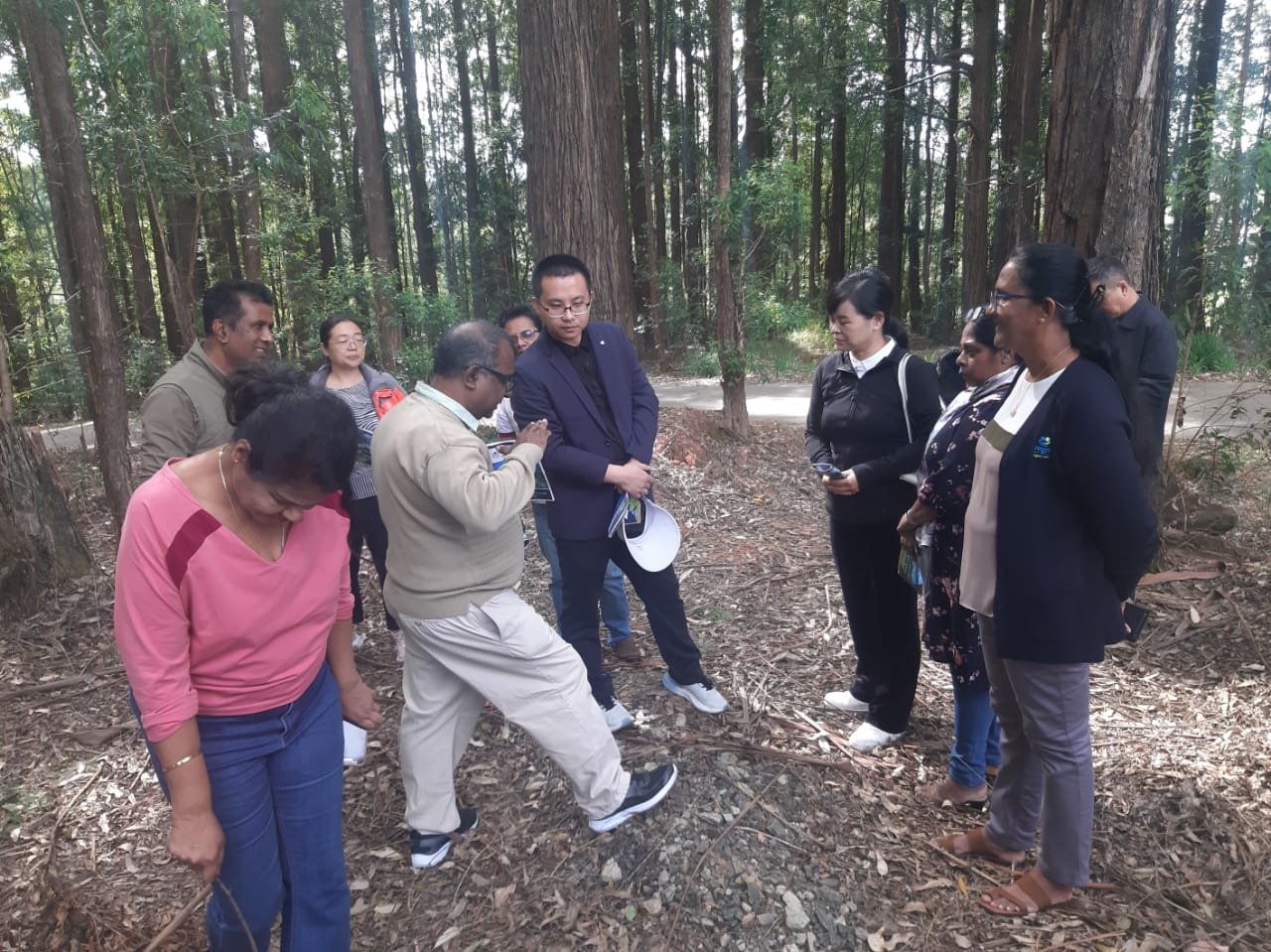 Field visit with the Chinese delegation
Building on this technical foundation, I later collaborated with the South Asian Network for Development and Environmental Economics (SANDEE). Through their Winter and Summer Schools, I expanded my expertise into Environmental Economics, Policy Analysis, and Econometrics. This academic journey culminated in a research project with SANDEE focused on Shifting Cultivation in Sri Lanka, allowing me to bridge the gap between technical spatial data and economic policy.
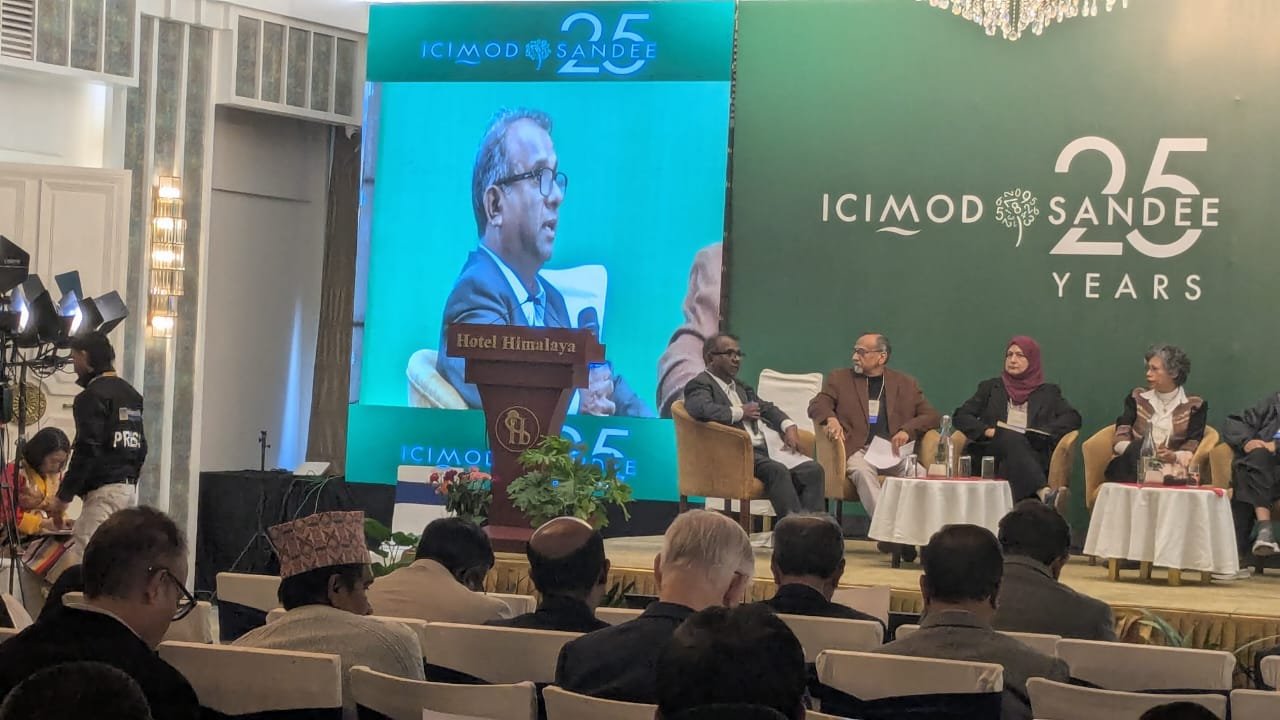 Participating in panel discussion in SANDEE@25 conference
Q. What are your favorite memories during your IIFM days?
A. Life at IIFM was filled with unforgettable moments from the very first day. My memories are a blend of cultural discovery, vibrant student life, and breathtaking wildlife encounters:
Cultural Immersion: One of my earliest and most unique experiences was watching India vs. Sri Lanka cricket matches with my Indian classmates. As a Sri Lankan, I had to learn to quietly hold back my excitement in a room full of passionate Indian fans, which was quite a new experience for me! I also have great memories of celebrating the Holi festival and attempting to join in the dancing with my Indian friends—though I found the traditional moves quite a challenge!
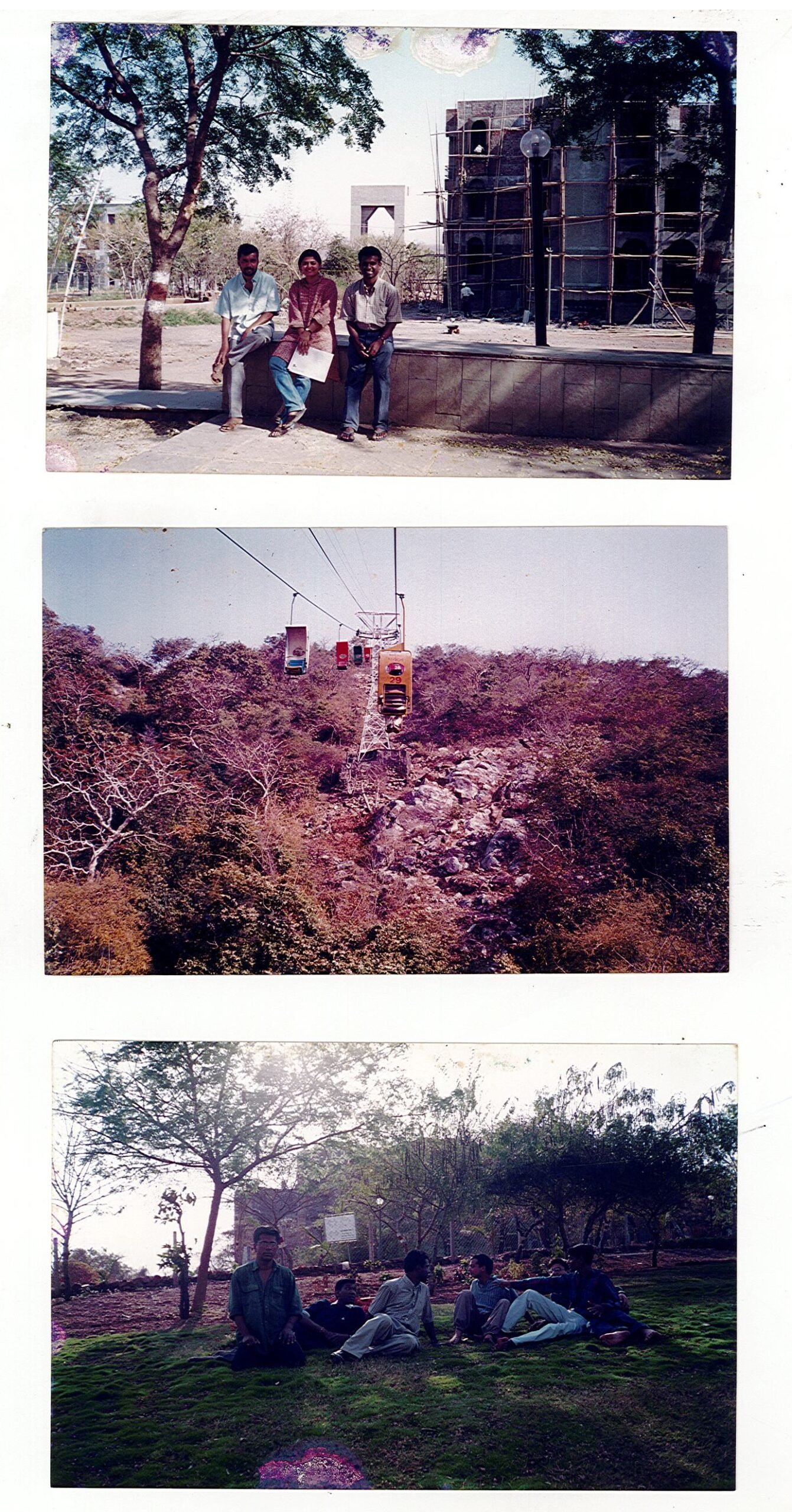 Rajgir cable car ride and relaxing moments with classmates
Campus Life: Daily life was enriched by evening cricket matches, the competitive spirit of the Kalpatharu cricket tournament, and the many birthday parties we celebrated together. I also grew very fond of Indian cuisine during my time there.
Field Visits: Among my most cherished memories are our visits to Kanha and Tadoba National Parks. Seeing wild tigers for the first time and witnessing large herds of antelopes and deer in their natural habitat were truly profound experiences for a forestry student.
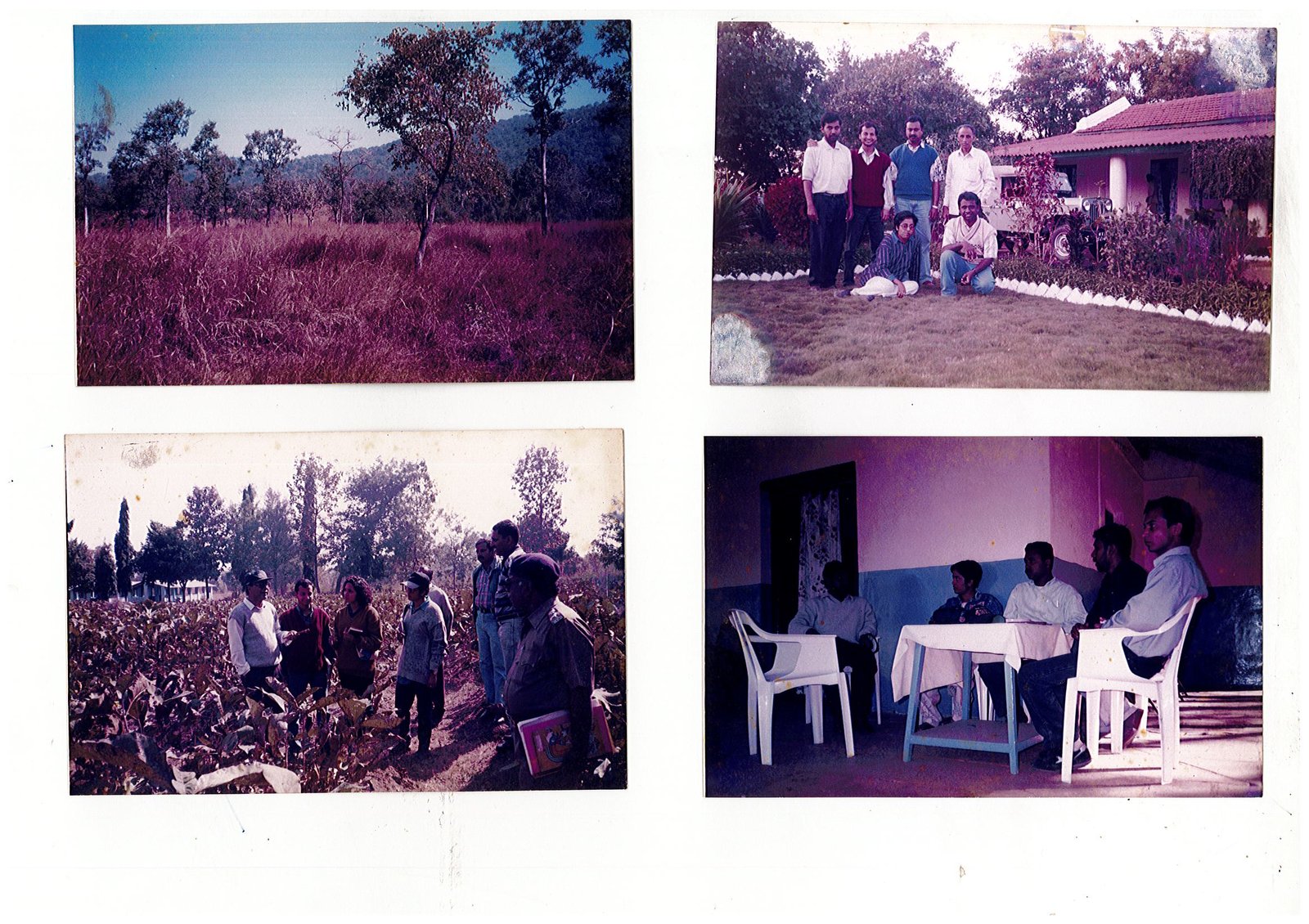 Field visit to Maharashtra Forest Department
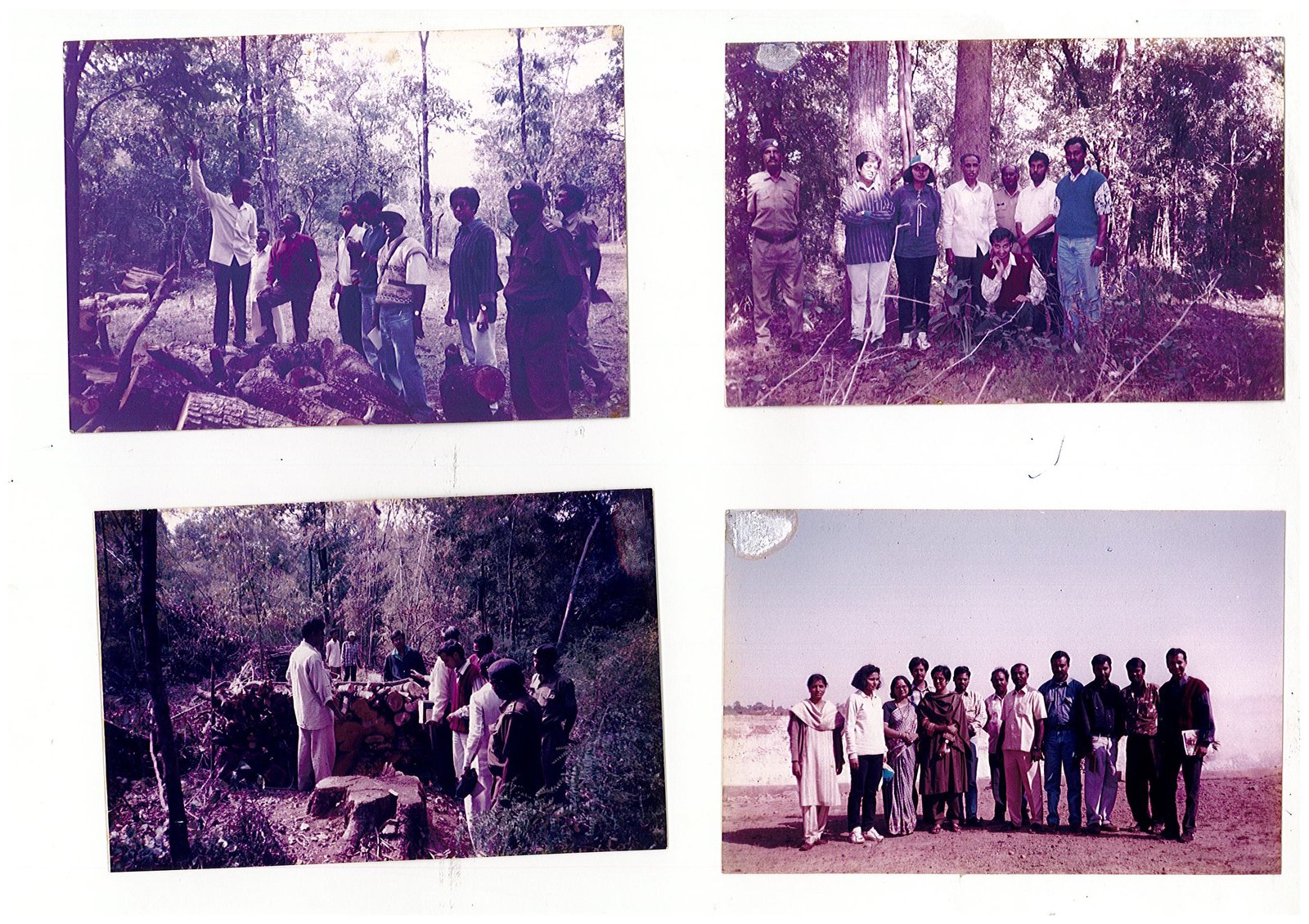
With Maharashtra Forest Officers
Q. In hindsight, what was the biggest contribution or take away from IIFM that you think played a critical role in shaping you as an individual or professional?
A. Looking back, the most significant takeaway from IIFM was the interdisciplinary synergy between Forestry and Management. This dual focus was instrumental in shaping me both as a technician and a leader.
The Forester-Manager Balance: While the technical forestry courses were vital for my foundational expertise, the management subjects provided the “soft skills” necessary for my career. Understanding how to manage personnel within the department, negotiate with diverse stakeholders, and engage meaningfully with local communities transformed me from a specialist into an effective administrator.
The Academic Environment: The faculty played a pivotal role in translating complex theories into practical, field-ready knowledge. In the late 1990s, before the digital era dominated, the IIFM library was my primary gateway to global research. The depth of resources available there instilled in me a habit of rigorous study and evidence-based decision-making that I carried throughout my service.
Peer Learning: Beyond the classroom, my classmates were a primary source of growth. The diversity of perspectives within my cohort provided a “living laboratory” where I learned about different regional approaches to conservation and management.
In essence, IIFM did not just teach me forestry; it provided a holistic toolkit that allowed me to lead a national department with both scientific integrity and managerial efficiency.
Q. The best buddies / seniors /faculty at IIFM? Some memorable tidbits that you like to share?
A. I am fortunate to still maintain strong connections with many of my classmates and several faculty members. For instance, Dr. Madhu Verma has made several official visits to our Ministry over the years, allowing us to bridge our academic roots with professional collaboration. One of my few regrets is missing our 25-year class reunion at the IIFM campus; however, the bond we share remains strong despite the distance.
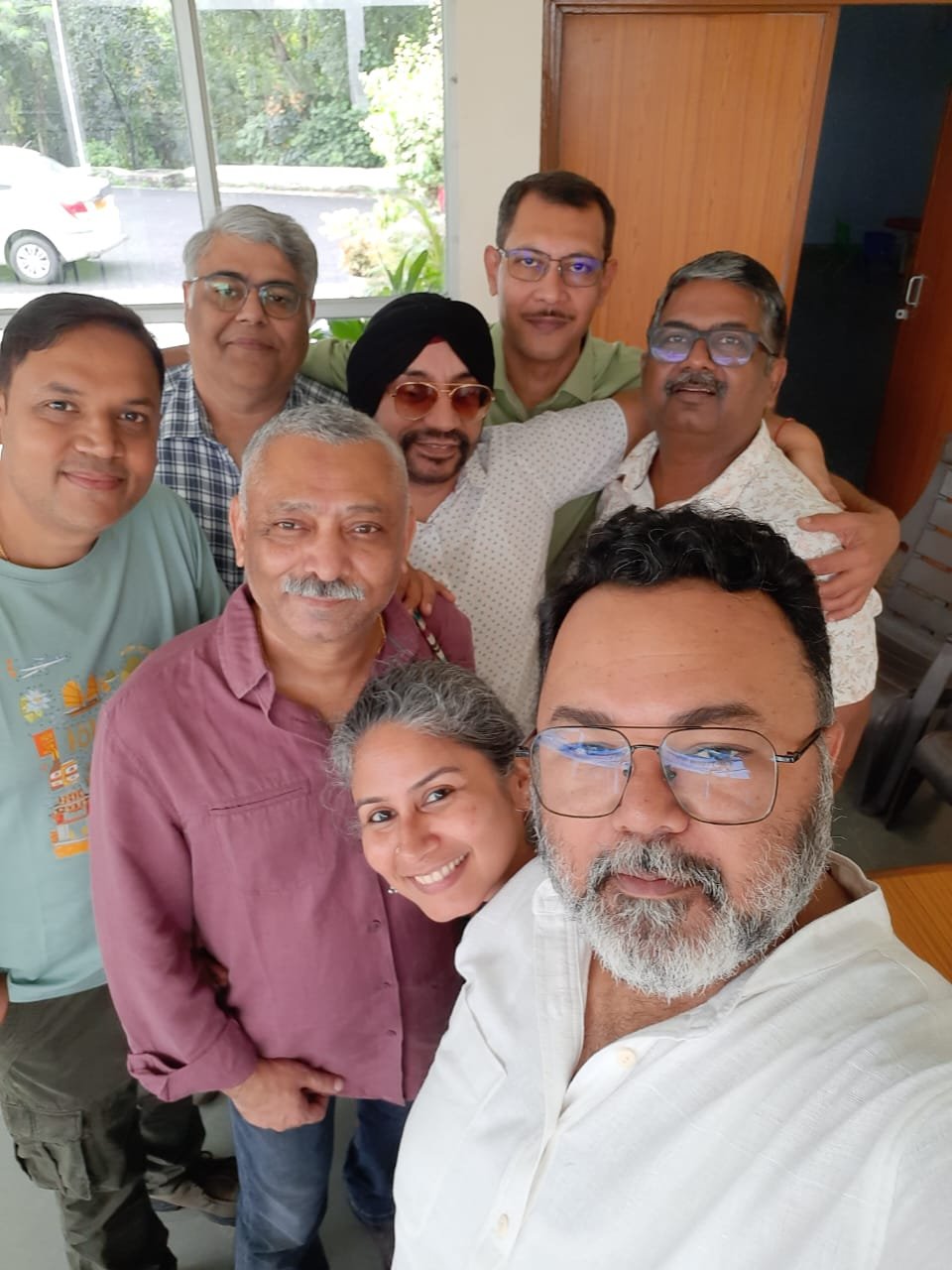 Missed out on the 25-year celebration with my classmates@IIFM in 2025
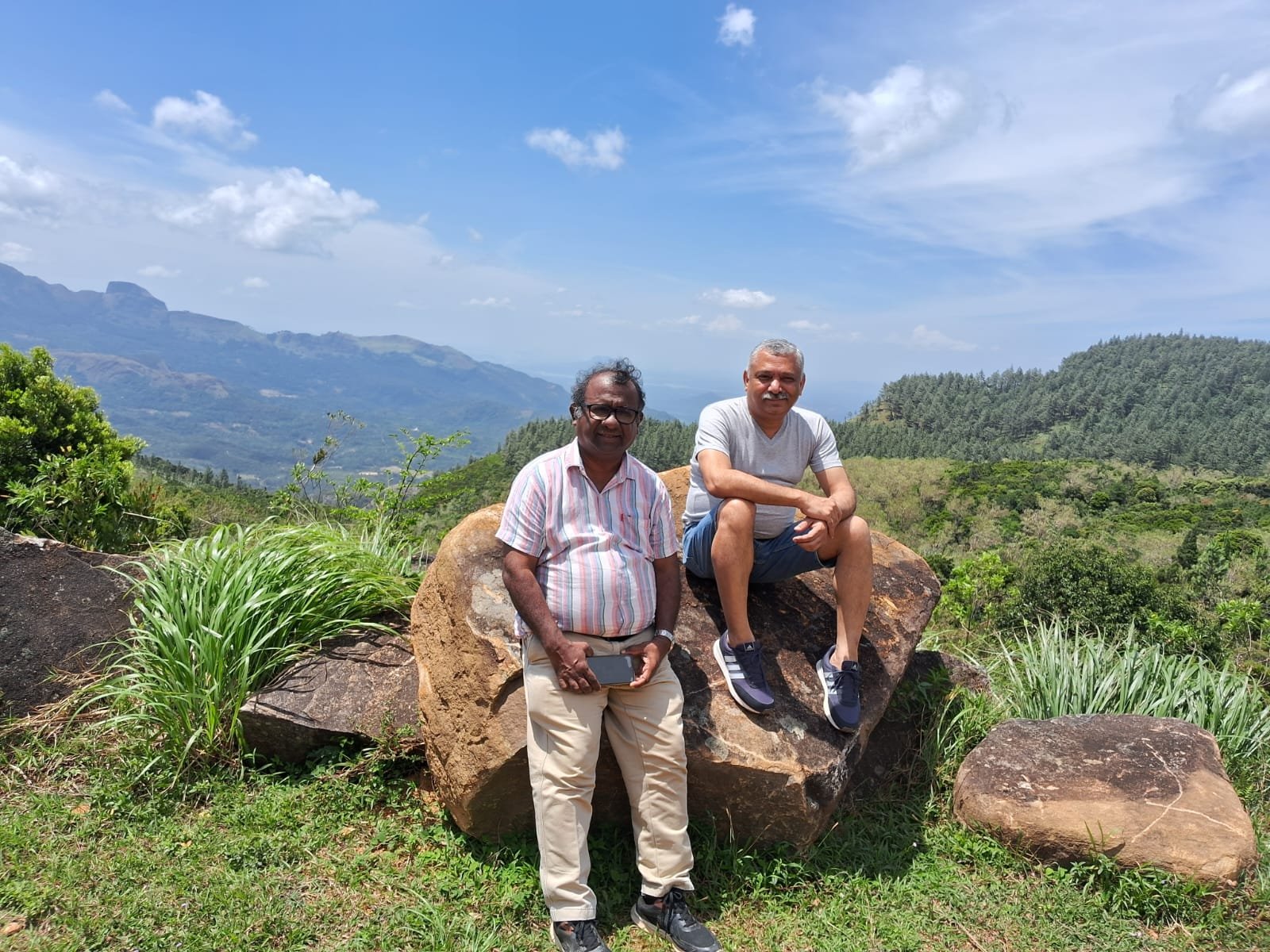 Reunited after years! My IIFM classmate Dharmendra visited Sri Lanka, and we spent a wonderful day exploring the Knuckles Conservation Forest. Nothing beats catching up with an old friend amidst the beauty of World Heritage nature
Q. As an alumnus, what’s your advice to freshers or those are joining IIFM to get best out of the 2 years there?
A. My advice to those entering IIFM is to view these two years not just as an academic requirement, but as a period of profound personal and professional transformation. Here is how to get the most out of it:
Commit to Academic Rigor: Build a solid technical foundation.
Bridge Theory and the Field: Don’t just learn from books. Use the field visits and the library resources to understand how environmental science translates into real-world solutions. The ability to connect data with the reality of local communities is what will set you apart as a professional.
Nurture Your Network: The relationships you build with your classmates and faculty are your most valuable lifelong assets. IIFM brings together a diverse group of future leaders; maintain cordial and deep connections with them. You will find that these friends eventually become your most trusted professional collaborators across the globe.
Embrace the Culture: Immerse yourself in the campus life—the festivals, the sports, and the informal discussions. These experiences build the “soft skills” of empathy, leadership, and cultural intelligence that are essential for any senior manager or director.
Q. What is your typical day at the work? And how does it look like while you are on a break?
A. My workday is a blend of strategic planning and technical execution as I am involved in forest landscape restoration and national policy. When I step away from my primary responsibilities, my “breaks” are rarely idle—they are simply a different form of engagement with nature and family.
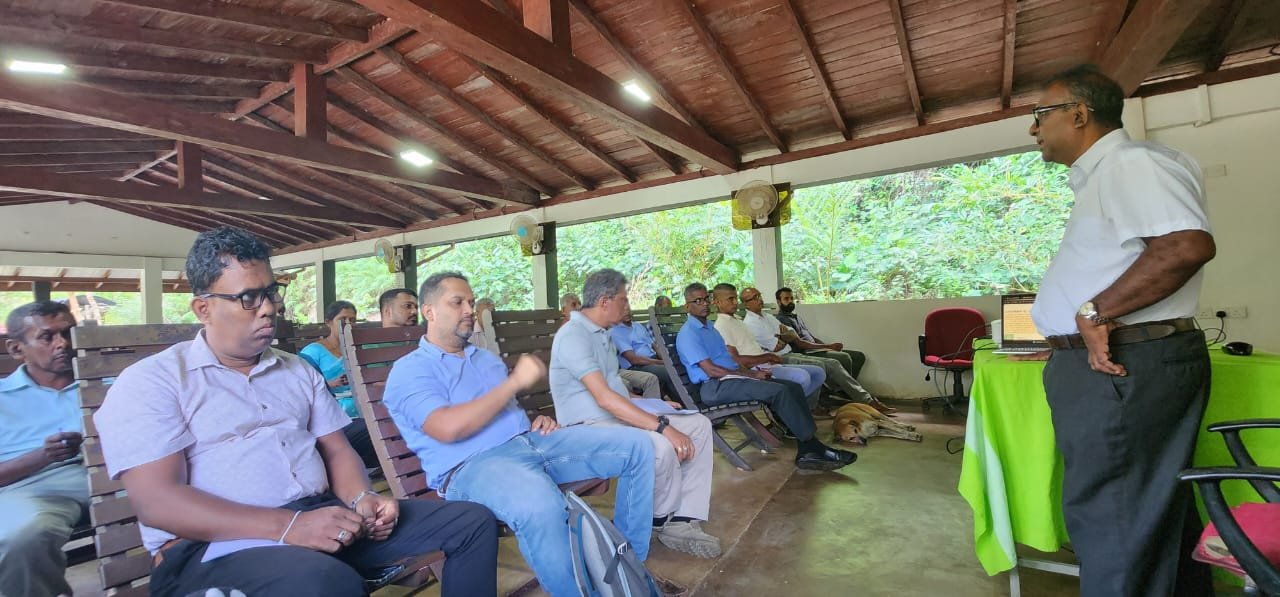 Discussion with DFC officers regarding the Forest Landscape Restoration Programme after retirement
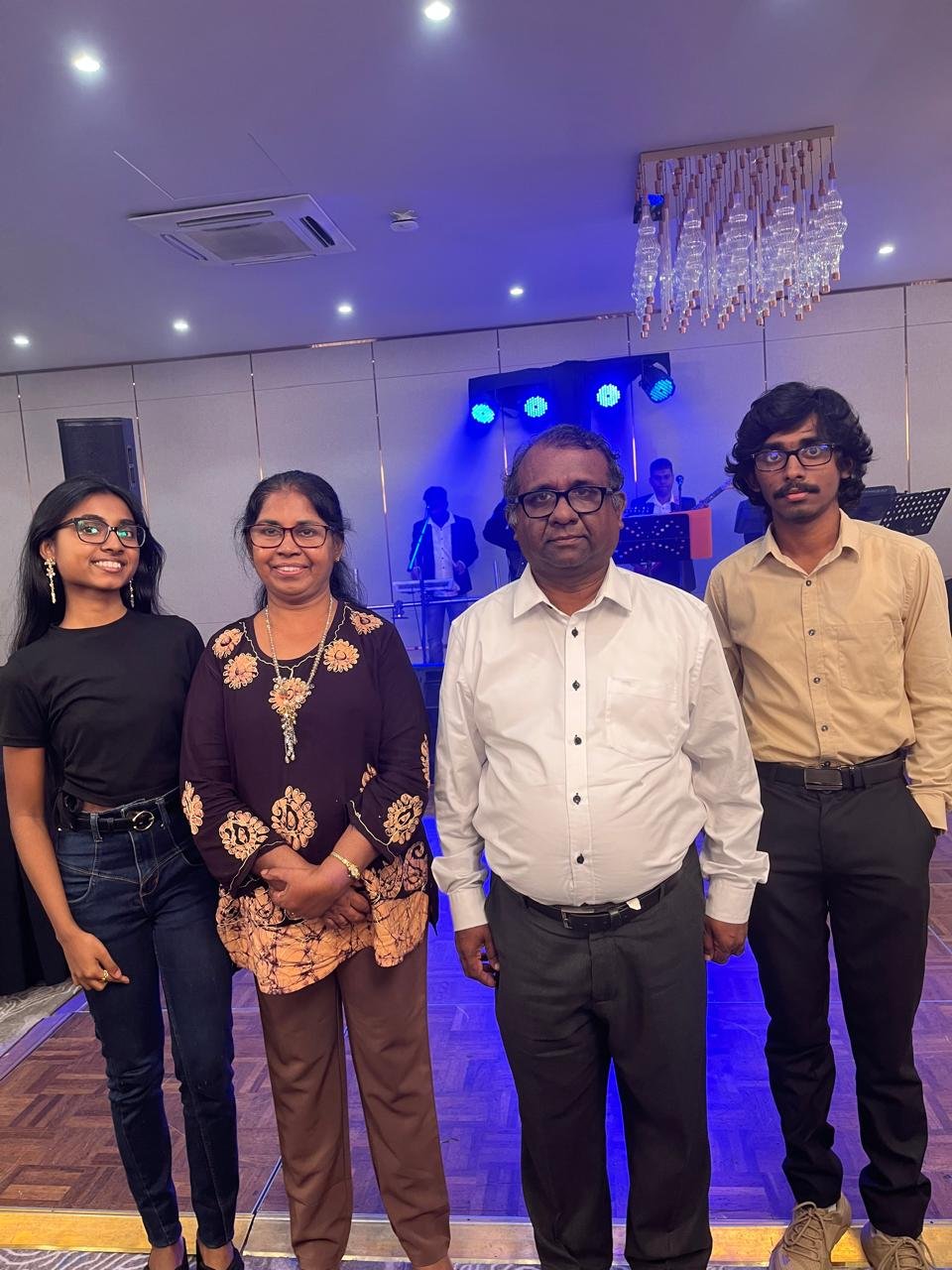 With my family at my retirement party
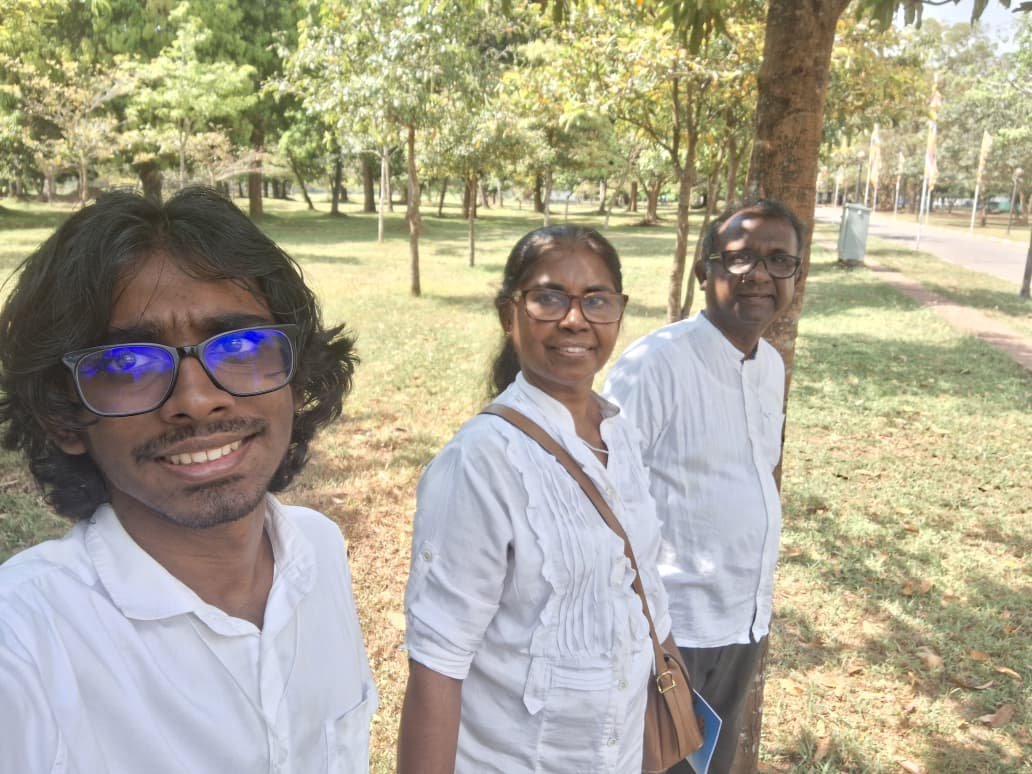 Trees planted at a religious place under my leadership – visited the site with my family last month
Q. IIFM is driven by alumni’s passion and commitments towards its goal. How would you like to contribute to IIFM or IIFM alumni, students?
A. I would contribute by serving as a bridge between academic theory and the complex stakeholder realities of modern forest management. Drawing on my extensive experience in Forest Landscape Restoration (FLR), I can offer students practical insights into navigating competing interests between government, local communities, and international NGOs.
Q. What do you think is different at IIFM now vs when you studied there? When was the last time you visited IIFM?
A. I haven’t had the opportunity to revisit IIFM since my graduation so will be difficult to comment on it.