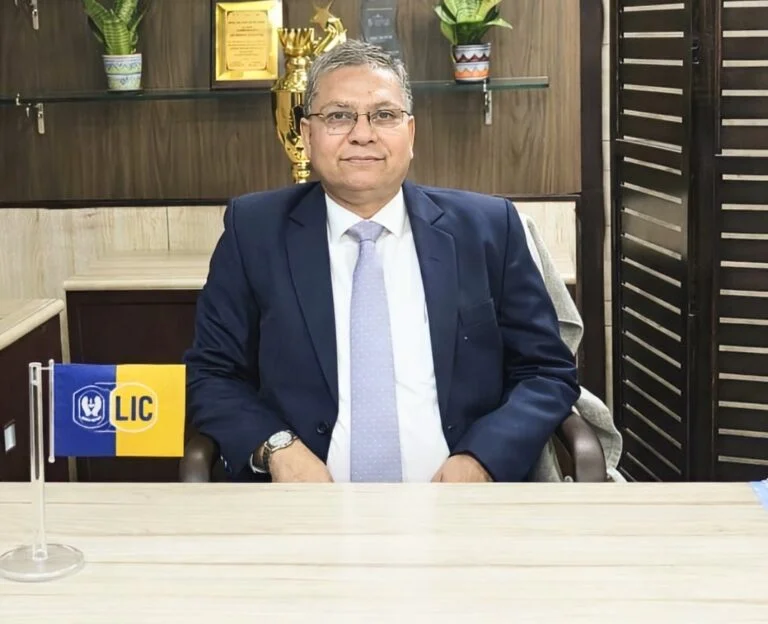
Currently placed on deputation as “Managing Director and Chief Executive Officer, IDBI Trusteeship Services Limited”, Mumbai
Mr. Nikhil Jain is from the 1st batch of IIFM. After working for a brief period as Officer (Raw Materials) in Ballarpur Industries Limited, a job which he got from the campus and thereafter as Management Trainee for a year in Steel Authority of India, he joined the Life Insurance Corporation of India (LIC) in 1992. Since then, in his professional journey in Life Insurance spanning 34 years, he has held several leadership positions across Branch offices, Divisional offices, Zonal office and Central office as well as its Associate company – LIC Housing Finance Limited. He has led diverse functions in areas such as Claims, Underwriting, Office Services, Personnel, Vigilance, Investment, Audit, Risk Management & Marketing driving operational growth and operational excellence.
He holds a Postgraduate Degree in Mathematics from Lucknow University and a Masters in Forestry Management from the Indian Institute of Forest Management, Bhopal. Mr. Jain has also completed one year Post Graduate Executive Program of the prestigious Indian Institute of Management, Ahmedabad. Additionally, he is a Fellow of the Insurance Institute of India and has completed various critical modules of NSE Academy Certificate in Financial Markets (NCFM).
.
Mr. Jain has the distinction of playing a critical role in LIC’s Initial Public Offering and was a key member of the team which established Risk Management including framework for Enterprise Risk Management in LIC. He was also the Regional Head for LIC Housing Finance Limited for its western region covering the states of Maharashtra, Gujarat and Goa. He is now Executive Director in LIC and presently, on deputation, is posted as Managing Director and Chief Executive Officer at IDBI Trusteeship Services Limited, an Associate Company of LIC where he is guiding the company towards sustained growth, innovation and excellence in trusteeship and fiduciary services.
Location: Mumbai
Q. Tell us about your School and College before you came to IIFM. How was your experience there? And how did IIFM happen?
A. My childhood was spent first in Kanpur and later in Lucknow. Most of my school memories are from Kendriya Vidyalaya, AMC, which was located in a military area in Lucknow. As a result, many of my classmates came from Army and Air Force families. What I particularly appreciated about the school was its emphasis on both academics and sports. It provided a very balanced environment where students were encouraged to excel not only in their studies but also in extracurricular activities. This balance played an important role in shaping my personality and outlook.
After completing Class XII, I joined Lucknow University, where I pursued my undergraduate degree in science followed by a Masters in Mathematics. My university years were equally enriching. Alongside academics, I continued to pursue sports, which remained an important part of my life. Looking back, both school and university were wonderful experiences, and many of the friendships I formed during those years continue to be an important part of my life today.
My journey to IIFM happened somewhat unexpectedly. During my MSc days, I quite often used to regularly play table tennis and badminton at a university club near my home. One evening, when I was at club, a friend of mine mentioned about an advertisement for IIFM that he had come across. Interestingly, he told me about it just a day before the application deadline. He spoke very highly of the institute and was planning to apply himself. Curiously, I went through the advertisement and was quite impressed. The institute’s unique focus and its connection with forests and the environment appealed to me, even though I had very little direct exposure to the forestry sector at that time. On an impulse, I decided to apply. I appeared for the entrance examination, cleared the selection process, and that is how I eventually became a part of IIFM.
In hindsight, it was a chance conversation that opened the door to an institution that would go on to play a significant role in shaping my life’s journey.
Q. How has been your journey from IIFM so far?
A. My journey after IIFM has been both exciting and enriching, though it began with a few unexpected turns.
After graduating from IIFM, I was placed with Ballarpur Industries and was posted to their Ballarshah unit (near Chandrapur) in Maharashtra. Three of us from IIFM—Animesh, Neeraj and I had been selected through campus placement. We spent about 15-20 days at Ballarshah before Animesh and I were transferred to the company’s Shri Gopal Paper Mills unit in Yamuna Nagar, Haryana. However, after spending some time there, I realized that the work environment and overall atmosphere were not quite aligned with my expectations. Eventually, I decided to resign.
I still remember returning home on 15 August 1990 and telling my parents that I had decided not to go back. I began exploring other career opportunities and competitive examinations.
My next opportunity came with the Steel Authority of India Limited (SAIL), where I joined as a Management Trainee at the Rourkela Steel Plant in 1991. The experience was valuable and helped me understand the workings of a large public-sector enterprise. However, after about a year, I did not feel happy as Rourkela was too far away from my home. I wanted a different professional path, one that offered opportunities to work in areas which would be geographically closer to the regions I was familiar with.
That opportunity came in 1992 when I joined the Life Insurance Corporation of India (LIC). Looking back, it was one of the most significant decisions of my career. My journey with LIC began in Mumbai and over the years took me to many parts of the country. I had the opportunity to work in locations such as Satara, Karad, Haldwani, Bilaspur, Kanpur, Lucknow, Patna, and Mumbai, among others. Each posting brought new challenges, new learnings, and exposure to different cultures and people. I also got an opportunity to work in LIC’s premier Associate company, namely, LIC Housing Finance Limited for 4 years in leadership positions. I also got to serve on the board of a step-down subsidiary of LIC, namely, LIC Housing Finance Financial Services Limited. And currently, I have the opportunity to work as Managing Director and CEO in IDBI Trusteeship Services Limited (a subsidiary of IDBI Bank and Associate Company of LIC of India and GIC of India) which is operating in an extremely specialised niche domain of the financial services Industry.
In many ways, the journey after IIFM has been defined by adaptability, continuous learning, and the willingness to embrace change. What began with an unexpected career shift eventually evolved into a long journey that provided both personal growth and diverse leadership experiences across India.
Q. What were some of the key learnings in this journey that you would like to share with us?
A. Over the years, my professional journey has offered numerous learnings, but if I were to highlight a few key milestones and lessons, they would largely stem from my experience at LIC.
LIC is a vast and complex organization that constantly challenges you—whether it is your people management skills, professional knowledge, adaptability, or leadership capabilities. From the very beginning of my career, I was exposed to responsibilities that required me to mature quickly.
I remember my first posting at Bilaspur branch (U.P.) where I was leading a team of nearly 20 people. It was a small town, and I was living about 20 kilometres away from my workplace. The region had only recently emerged from a difficult period marked by terrorism unrest, and for a young professional, it was a completely new environment—different people, different culture, and a different set of challenges. That experience taught me one of the most important lessons of my career: people are people everywhere. If you treat people with respect, invest in building relationships, and continuously improve your own knowledge and competence, people eventually trust and respect you. This belief has stayed with me throughout my professional life. I have always followed a simple principle: if you genuinely care about people, people will care for you in return.
Another important learning has been the value of involvement. I have realized that success comes only when you are deeply engaged in what you do. When your sense of ownership and involvement is strong, the quality of your work naturally improves. On the other hand, when work is approached with indifference, it rarely produces meaningful results. Whatever role I have taken up over the years, I have tried to immerse myself fully in it, and that has consistently helped me to grow and succeed.
A third lesson comes from observing and experiencing organizational culture. One of the aspects I admired most about LIC was its strong sense of camaraderie. Like any large organization, there are differences of opinion, workplace politics, and diverse perspectives. However, what stood out was that people ultimately remained aligned toward a common purpose. There was a shared commitment to the organization’s goals, and that collective spirit created a strong and enduring culture.
Looking back, the three lessons that have shaped my career the most are: valuing people and relationships, maintaining a deep sense of involvement in whatever you do, and understanding the power of a strong organizational culture. These principles have guided me through different roles, locations, and challenges, and continue to remain relevant to me even today.
Q. How has been your experience in your current Organization? What all areas have you been working here?
A. My experience in LIC, has been extremely rewarding and enriching. One of the greatest advantages of working in an organization of LIC’s scale and stature is the diversity of opportunities it offers. Being a large and multifaceted institution, LIC provides immense scope for professional growth, continuous learning, and career development.
Over the course of my career, I have had the privilege of working across a wide range of functions, which has given me a holistic understanding of the organization and the insurance industry. My experience spans areas such as claims management, new business underwriting, personnel, audit, risk management, marketing, investments, vigilance, secretarial functions, and administration, among others.
Each of these roles presented its own unique challenges and learning opportunities. Working across such diverse domains not only helped me develop a broad skill set but also enabled me to understand how different functions come together to support the larger objectives of the organization.
I believe this cross-functional exposure has been one of the most valuable aspects of my career. It has allowed me to continuously learn, adapt to new responsibilities, and gain perspectives that have contributed significantly.
Q. What is the most satisfying part in your career?
A. There have been many fulfilling moments, but three experiences stand out as particularly satisfying because of the scale of learning, responsibility, and impact they involved.
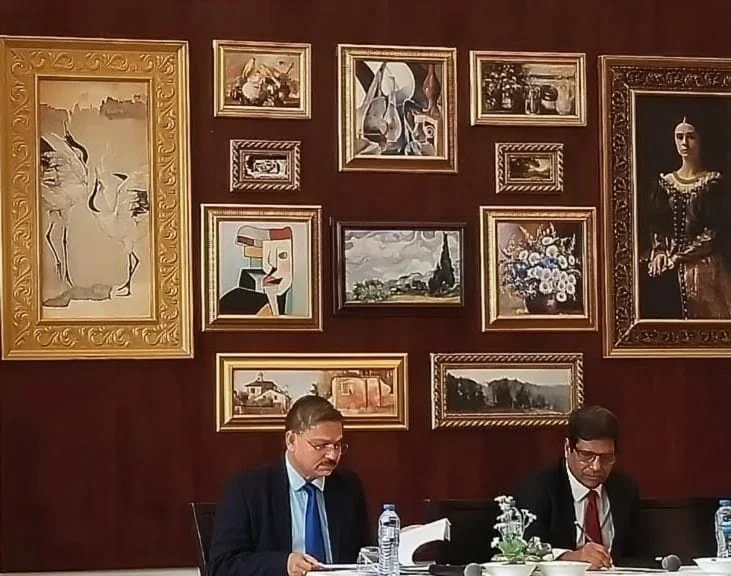
The first was being selected for the Post Graduate Executive Program of the Indian Institute of Management Ahmedabad. Only 50 officers from LIC were chosen through a selection process that included a written examination and interview conducted by IIM Ahmedabad faculty members. Being selected from among more than 1,25,000 employees across the organization was both an honour and a significant milestone in my career. The one-year program was intellectually demanding and highly rigorous. It provided me with the opportunity to learn directly from some of the finest minds in management education. The experience broadened my perspective, sharpened my managerial skills, and had a lasting influence on my approach to leadership and decision-making in the years that followed.
The second major milestone was my involvement in establishing the Risk Management Department within LIC. Although risk management practices already existed within the organization, they were largely fragmented and functioned in silos. I was fortunate to be part of the core team that helped create a more structured and integrated risk management framework. Initially, our efforts focused on investment-related risks, but the framework was subsequently expanded across other functions of the organization. One of the most satisfying aspects of this assignment was contributing to the development of LIC’s Enterprise Risk Management framework and documentation. Being part of an initiative that strengthened the organization’s governance and risk culture was a deeply rewarding experience.
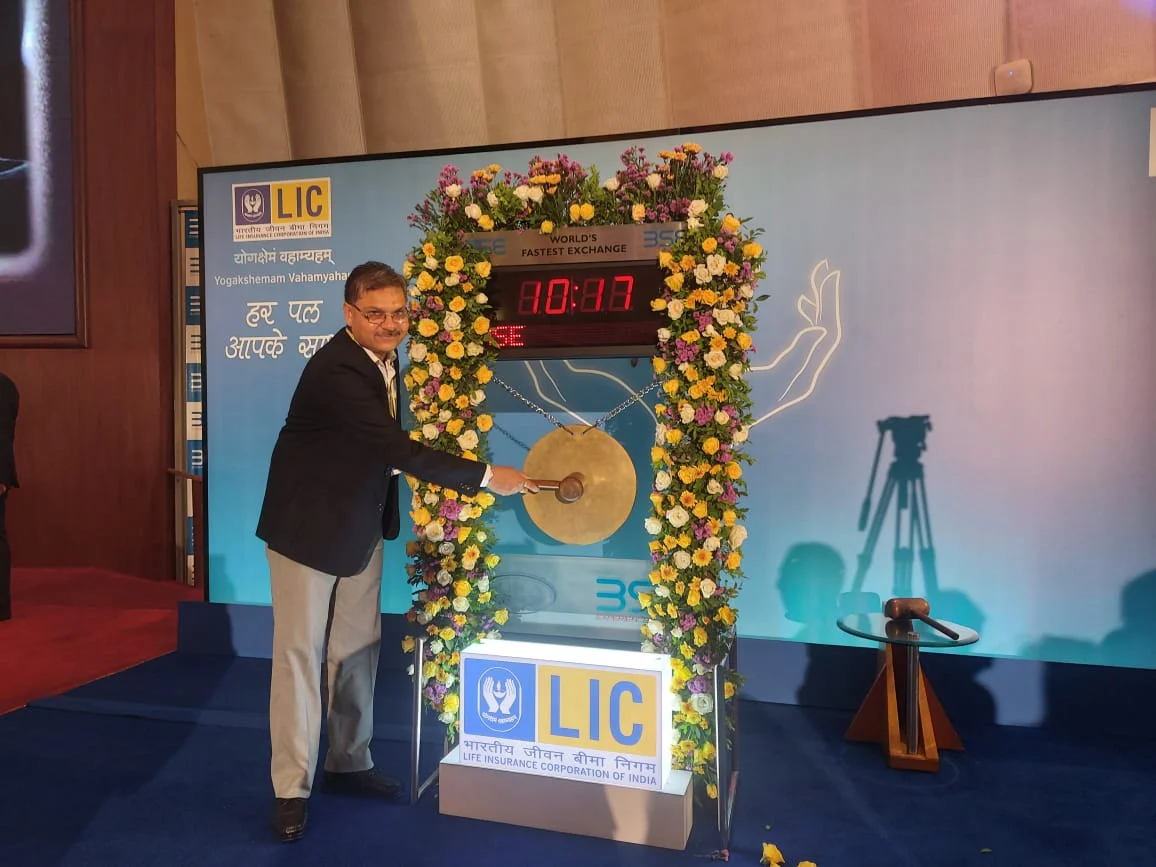
The third and perhaps the most memorable experience of my career was my involvement in the LIC IPO. I was selected to work closely on the LIC IPO and I played a key role in driving one of the most significant public offerings in India’s corporate history. The scale and complexity of the exercise was extraordinary. It involved coordinating with multiple stakeholders including ten book-running lead managers, two domestic and two international legal firms, regulators such as SEBI, IRDA, Stock exchanges, Depositories, Registrars and Transfer Agents, Banks, DIPAM and several other institutions. For months, we worked tirelessly, often around the clock and throughout the week, to ensure that every aspect of the process was executed flawlessly. When the LIC IPO was successfully launched on 17 May 2022, it marked the culmination of an enormous collective effort. Witnessing that achievement and knowing that I had contributed to such a historic milestone for the organization remains one of the proudest and most satisfying moments of my professional life.
Q. Has your learning at IIFM helped in shaping how you approach your professional roles?
A. Absolutely. My learning at IIFM played a significant role in shaping the way I approach professional responsibilities and challenges even today.
I distinctly remember that the initial days at IIFM were quite demanding. The academic environment was rigorous with multiple projects, assignments, and tight deadlines.
Faculty members had very high expectations and we were often required to complete substantial project work within short timeframes. It was common for us to spend long hours working on assignments to ensure they were completed and submitted on time. Those experiences taught me some invaluable skills that have stayed with me throughout my career. The first was time management and prioritizing tasks. Balancing multiple academic commitments under strict deadlines helped me develop the discipline to prioritize tasks and deliver results within challenging timelines. Closely related to this was learning how to plan, coordinate, execute, and complete work systematically despite constraints.
IIFM also taught us how to adapt to new environments and work effectively with people from diverse backgrounds. When we joined the institute, everything was new—not just academically but also in terms of the campus environment and daily life. In fact, during the early days of the institute, many facilities were still being developed. We had to learn to adjust and collaborate to make the best of the resources available. That experience strengthened our resilience and adaptability, qualities that proved invaluable in the professional world. The Organisational training 1 and 2 (now called SI and Project Work) were also extremely rewarding in terms of learning how to interact with the stakeholders in the broader society.
Academically, IIFM offered a well-designed curriculum that blended traditional management disciplines with specialized perspectives. The strong foundation we received in management subjects helped me understand organizational dynamics and prepared me to handle real-world business situations with greater confidence. Many of the concepts and frameworks that we learned in the classroom found practical application throughout my career.
Perhaps the most important lesson I gained from IIFM was self-confidence—the confidence to approach unfamiliar situations and take on challenges even when there was no clear precedent or roadmap. IIFM instilled in us the belief that with the right mindset, commitment and effort, almost any challenge can be overcome. Whenever I encountered new responsibilities or complex assignments in my professional life, that self-belief gave me the courage to move forward and find solutions.
In that sense, IIFM did not just provide academic knowledge; it shaped the way I think, adapt, manage challenges, and approach opportunities. Those learnings have remained with me throughout my career and continue to influence my professional outlook even today.
Q. Who (or what) are the biggest influences or drivers in your careers? What would be your advice to freshers and IIFM graduates who are looking to choose similar sectors/roles.
A. I have always been a firm believer in trusting own strengths and abilities. Throughout my career, I have not consciously looked up to any single individual as a role model or driving force. Of course, I have been fortunate to work with many seniors and colleagues who have guided, encouraged, and supported me at different stages of my journey. However, I have largely navigated my professional path by relying on my own convictions, adaptability and confidence.
If I were to identify the biggest influence in my career, it would be my belief in self-reliance and continuous learning. My ability to adapt to changing circumstances, face challenges independently and remain flexible in the face of uncertainty has been one of my greatest strengths. These qualities have helped me overcome obstacles and seize opportunities throughout my professional life.
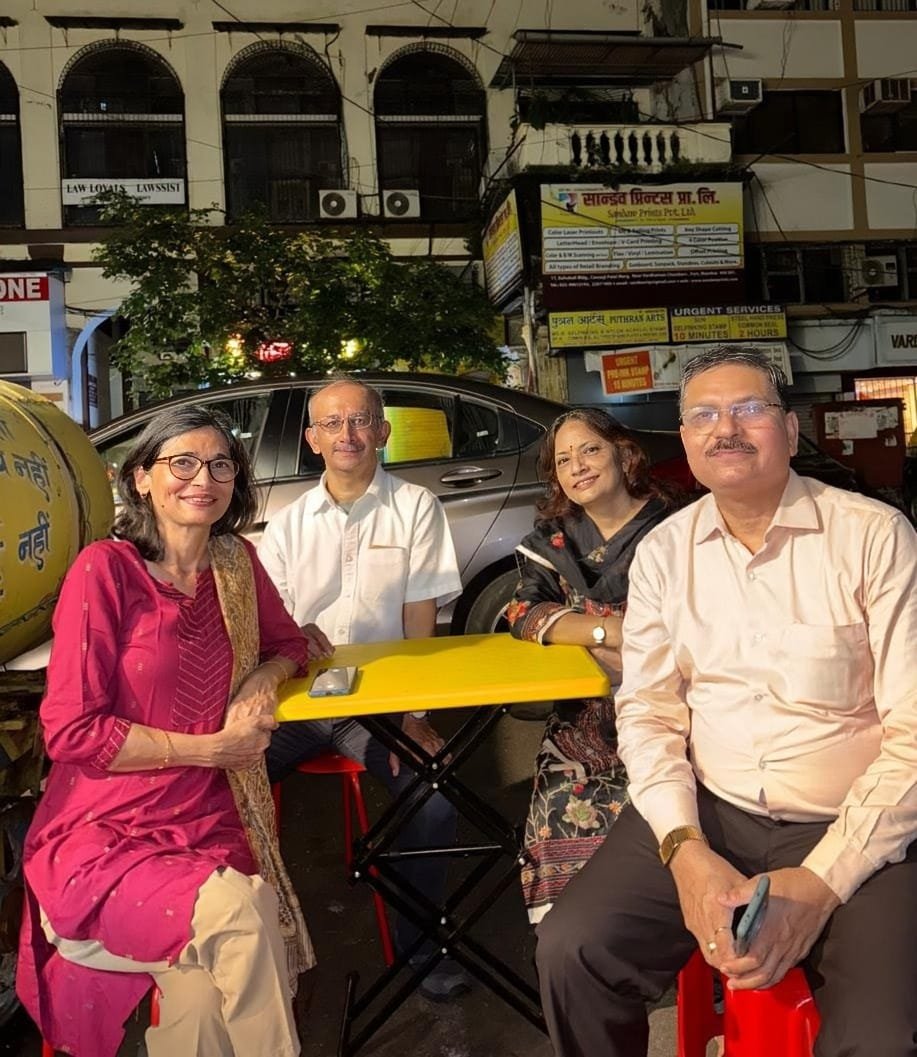
On a personal level, however, there is one person whose contribution I can never overlook—my wife, Bindu. Throughout my career, especially during demanding phases when professional responsibilities required long hours and extensive travel, she has been my strongest pillar of support. There were many occasions when work demanded more of my time than I could give to my family, yet she consistently stood by me, managed responsibilities at home, and provided the encouragement I needed. Her unwavering support has been instrumental in whatever success I have achieved, and I consider her my backbone through all these years.
As for my advice to freshers and IIFM graduates, I believe the professional landscape today is vastly different from what it was when I started my career. The opportunities available today are far more diverse, and career paths are much more dynamic. My first piece of advice would be to choose a field that genuinely interests you—something that allows you to feel deeply involved and engaged. When you truly connect with your work, you naturally invest your energy, creativity, and commitment into it. Success then becomes a by-product of that involvement.
For those considering a career in the insurance sector, I would encourage them to explore it seriously. The life insurance industry has evolved tremendously over the years and today offers a wide range of opportunities across functions such as marketing, underwriting, claims management, risk management, investments, actuarial science, analytics, and customer service. With multiple public and private players in the market and increasing competition, the sector provides excellent opportunities for growth and specialization. What makes life insurance particularly meaningful is its social purpose. At its core, the industry exists to provide financial security to families during their most difficult moments. There is immense satisfaction in knowing that your work contributes to supporting individuals and families when they need it the most. Few professions offer such a direct connection between business objectives and social impact. Students interested in this field can also pursue specialized qualifications through institutions such as the National Insurance Academy and the Institute of Actuaries. Actuarial science, in particular, is intellectually challenging domain with significant relevance to the insurance industry and is highly rewarding. While the examinations are demanding, they offer excellent career prospects for those willing to invest the effort.
I also believe that IIFM graduates are particularly well-suited for the insurance sector. The institute’s emphasis on social development, rural systems, sustainability and people-centric management aligns closely with the evolving needs of the insurance industry, especially in expanding financial inclusion and reaching underserved communities.
Ultimately, my advice is simple: believe in your strengths, choose a field that excites you, commit yourself wholeheartedly to it, and keep learning. If you do that consistently, success will follow.
Q. What are your favorite memories during your IIFM days?
A. Every moment I spent at IIFM is a memory that I will cherish for a lifetime. In fact, I often tell my family even today that the two years I spent at IIFM were the best years of my life. It was a phase filled with learning, friendships, personal growth, enjoyment and countless experiences that continue to stay with me and enthral even today.
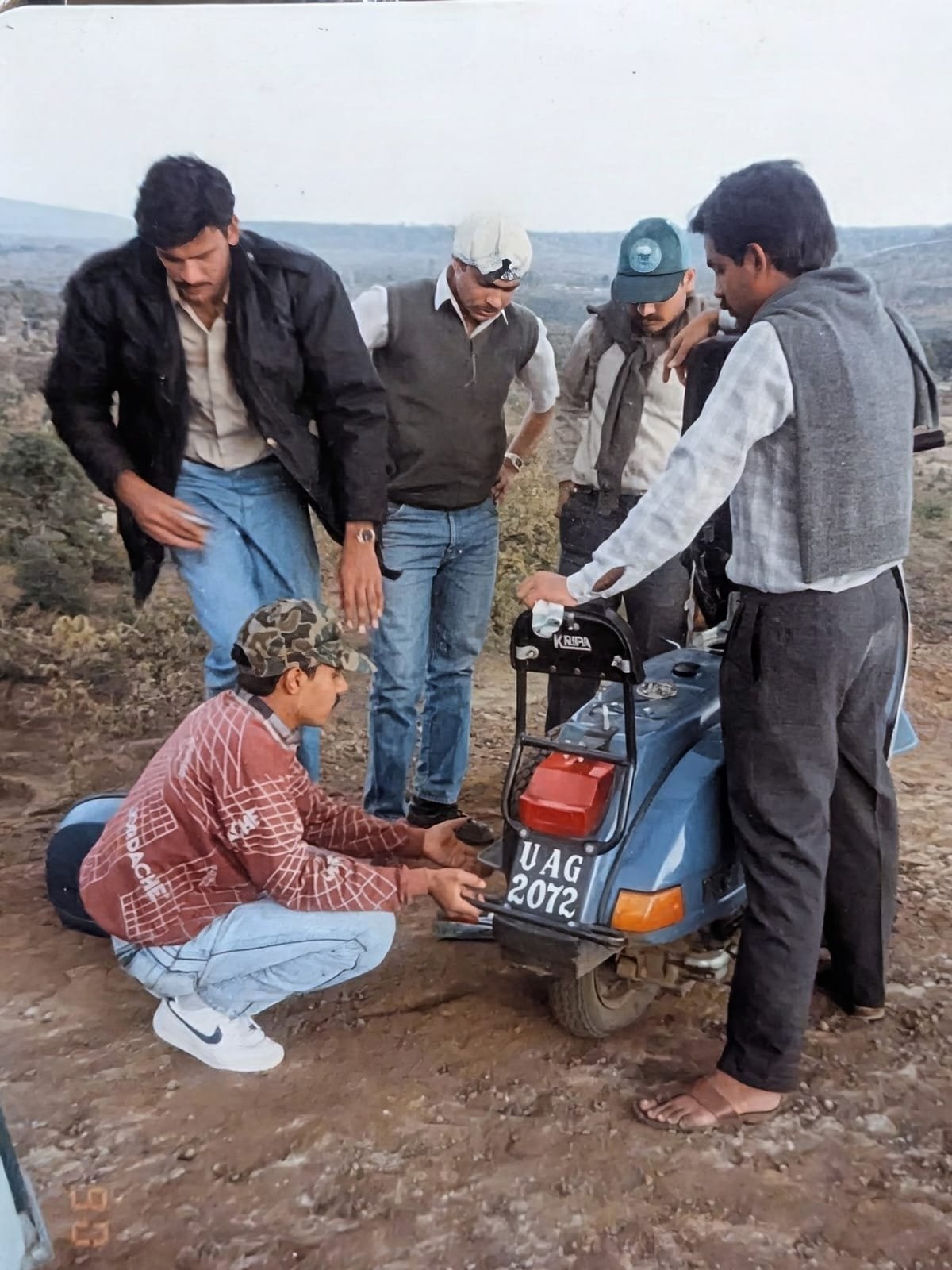
The memories are not limited to academics alone. Whether it was going to the mess with friends, attending classes, participating in sports or simply spending time together on campus, every day had something special about it. Weekends were equally memorable—we would explore restaurants around the city, watch movies and enjoy the freedom and camaraderie of student life. I still remember watching films like Chandni, Tezaab, and several others during night shows, and then returning to the hostel only to continue the extended celebration.
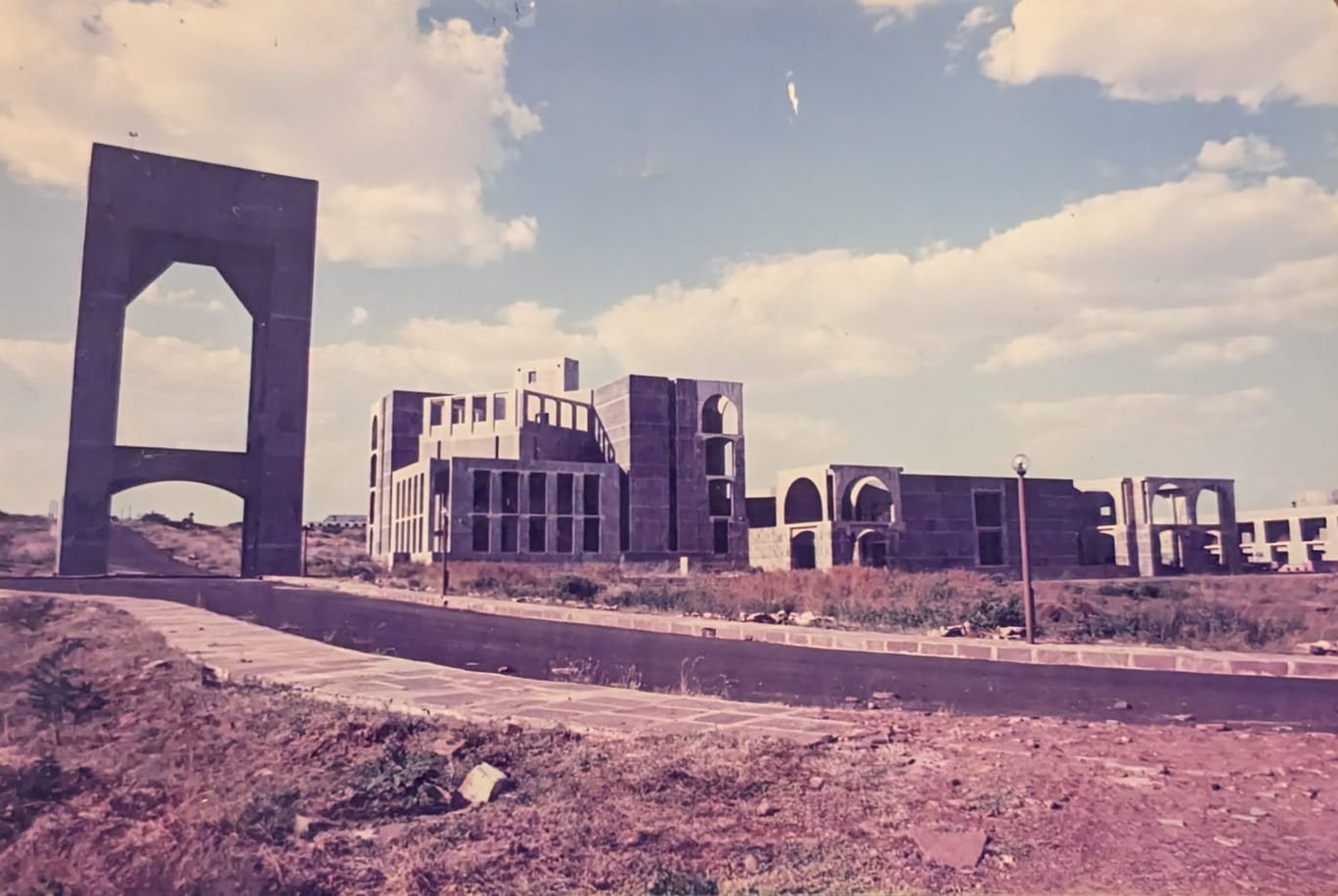
Some of my fondest memories are the simple ones—spending evenings in TT Nagar with friends, riding around the city especially with YP (Yash Pratap Singh) almost every day after the classes, engaging in endless conversations, and sharing late-night gossip sessions while sitting on the parapets outside the hostel. Those informal moments often became the most meaningful parts of our student life. The campus itself added to the experience. It was incredibly beautiful, serene, and close to nature. The forest around the campus was still growing, and it was not uncommon to spot wildlife such as foxes, hyenas and other small animals. One memory that remains vivid even today is watching the sunset from the hostel rooms from where the view was simply breathtaking.
When I look back, it is hard to pick one favourite memory because every aspect of life at IIFM—academics, friendships, campus life, outings, and shared experiences—contributed to making those years truly unforgettable. Even today, those memories bring a smile to my face, and I believe they will remain dear to me for the rest of my life.
Q. In hindsight, what was the biggest contribution or take away from IIFM that you think played a critical role in shaping you as an individual or professional?
A. Looking back, I believe the biggest contribution of IIFM was not any single course, faculty member, or activity—it was the overall experience of transformation that the institute provided. We joined IIFM as young individuals, totally naïve, ignorant of the complexities of life and here we were stepping into a completely new environment, away from home, and learning to navigate life independently. That journey itself was one of the most valuable lessons.
Of course, the academic curriculum played an important role in building our knowledge and professional foundation. The faculty, the classroom discussions, the library resources, and the exposure to diverse subjects all contributed significantly to our learning. However, what truly shaped us was the holistic environment at IIFM. The friendships we built, the group assignments we worked on, the interactions with peers from different backgrounds, and the shared experiences of campus life taught us lessons that went far beyond textbooks. We learned how to work in teams, manage differences of opinion, build relationships, communicate effectively, and adapt to new situations. These social and interpersonal skills have remained invaluable throughout our careers.
IIFM also instilled a broader perspective on society, the environment, and sustainable development. It encouraged us to think beyond individual success and understand our role in contributing to larger social and organizational goals. This balance of professional education and personal development is what made the experience truly unique. In many ways, IIFM helped shape not only our careers but also our personalities. The combination of academic learning, social interactions, teamwork, and exposure to a diverse environment enabled each one of us to grow both individually and collectively. I can confidently say that this holistic development has played a significant role in the success that many IIFM alumni have achieved across different fields.
For me, the greatest takeaway from IIFM was learning how to learn, adapt, collaborate, and grow—qualities that have stayed with me throughout my professional journey and continue to guide me even today.
Q. The best buddies / seniors /faculty at IIFM? Some memorable tidbits that you like to share?
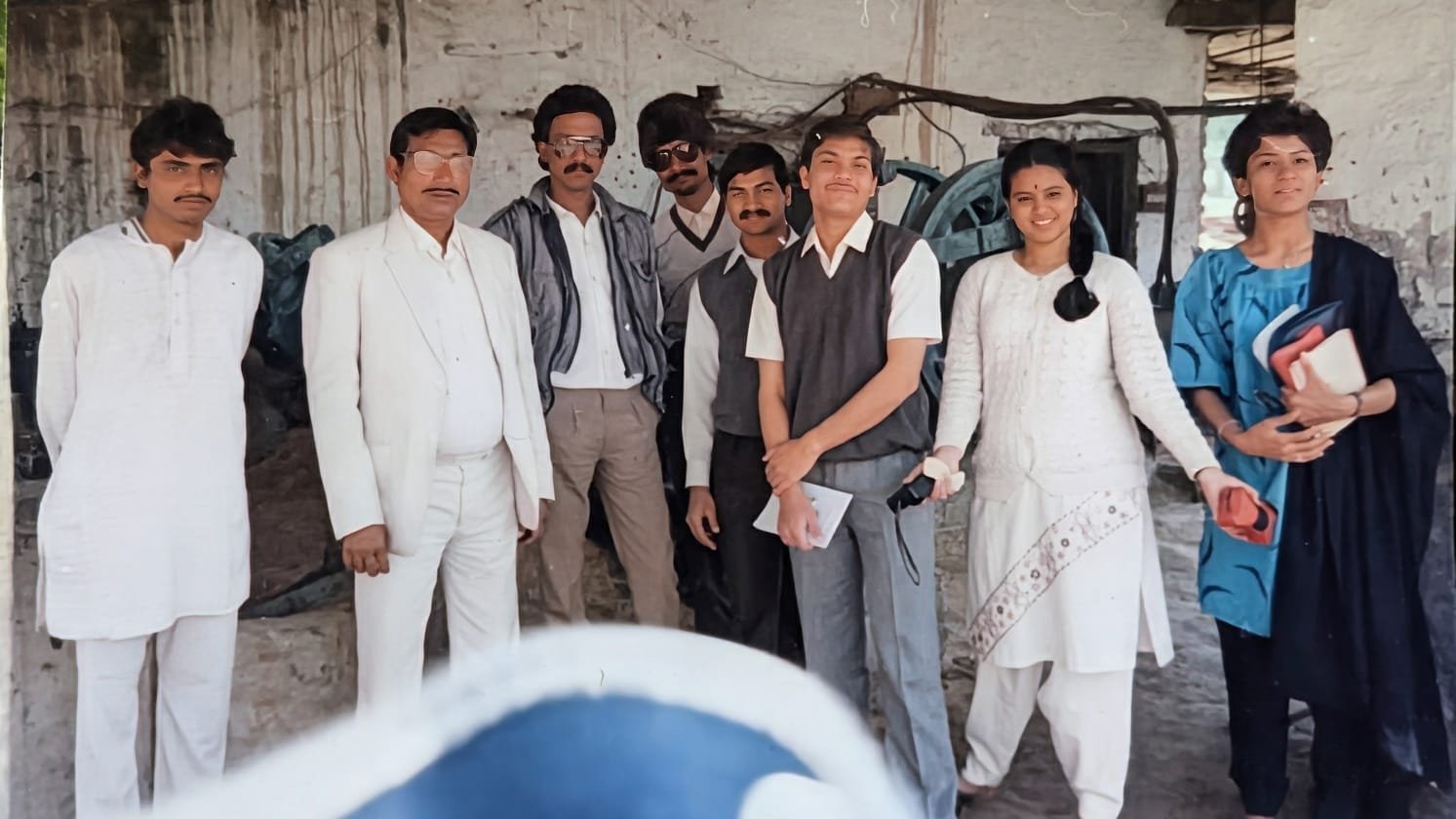
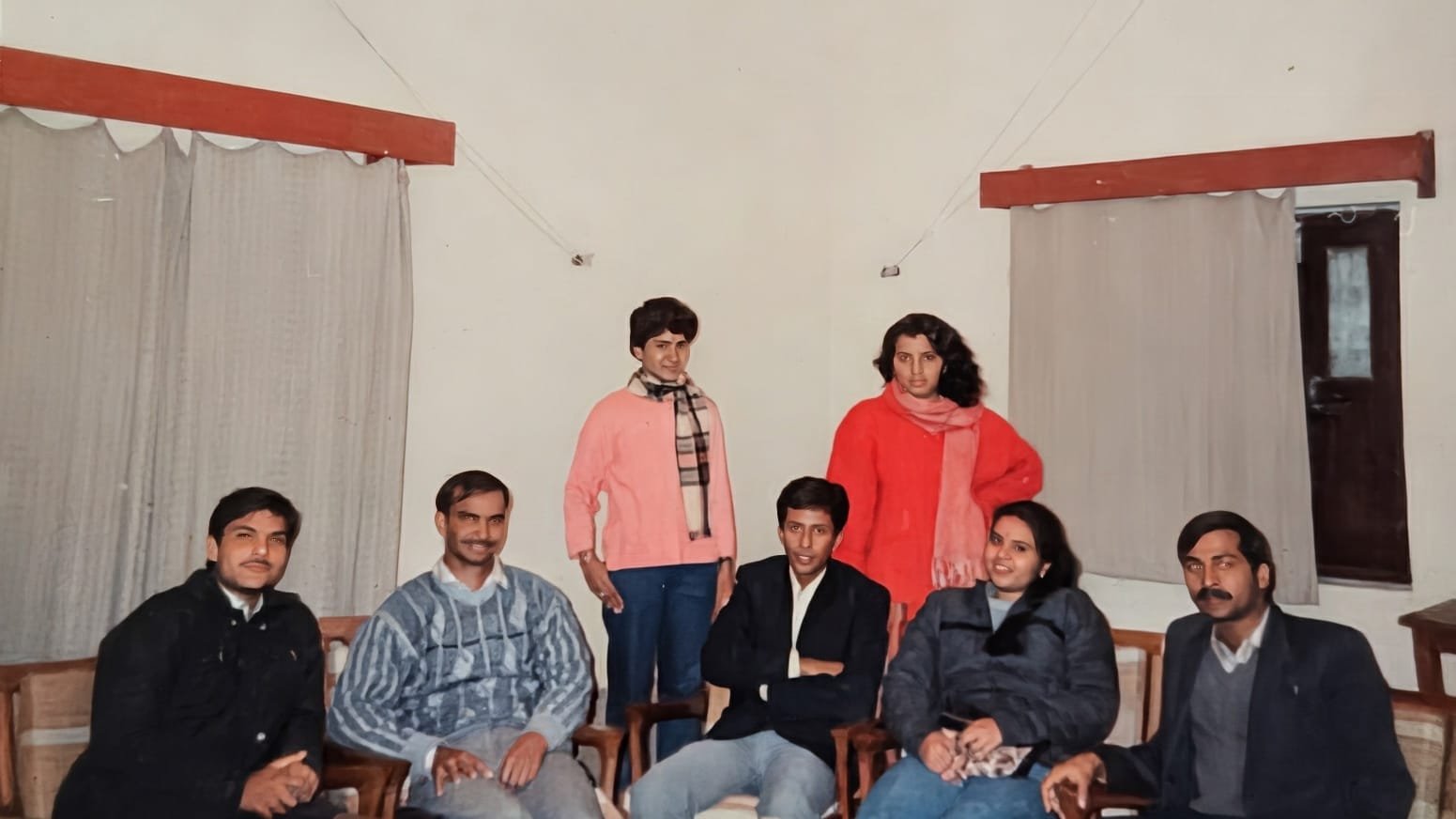
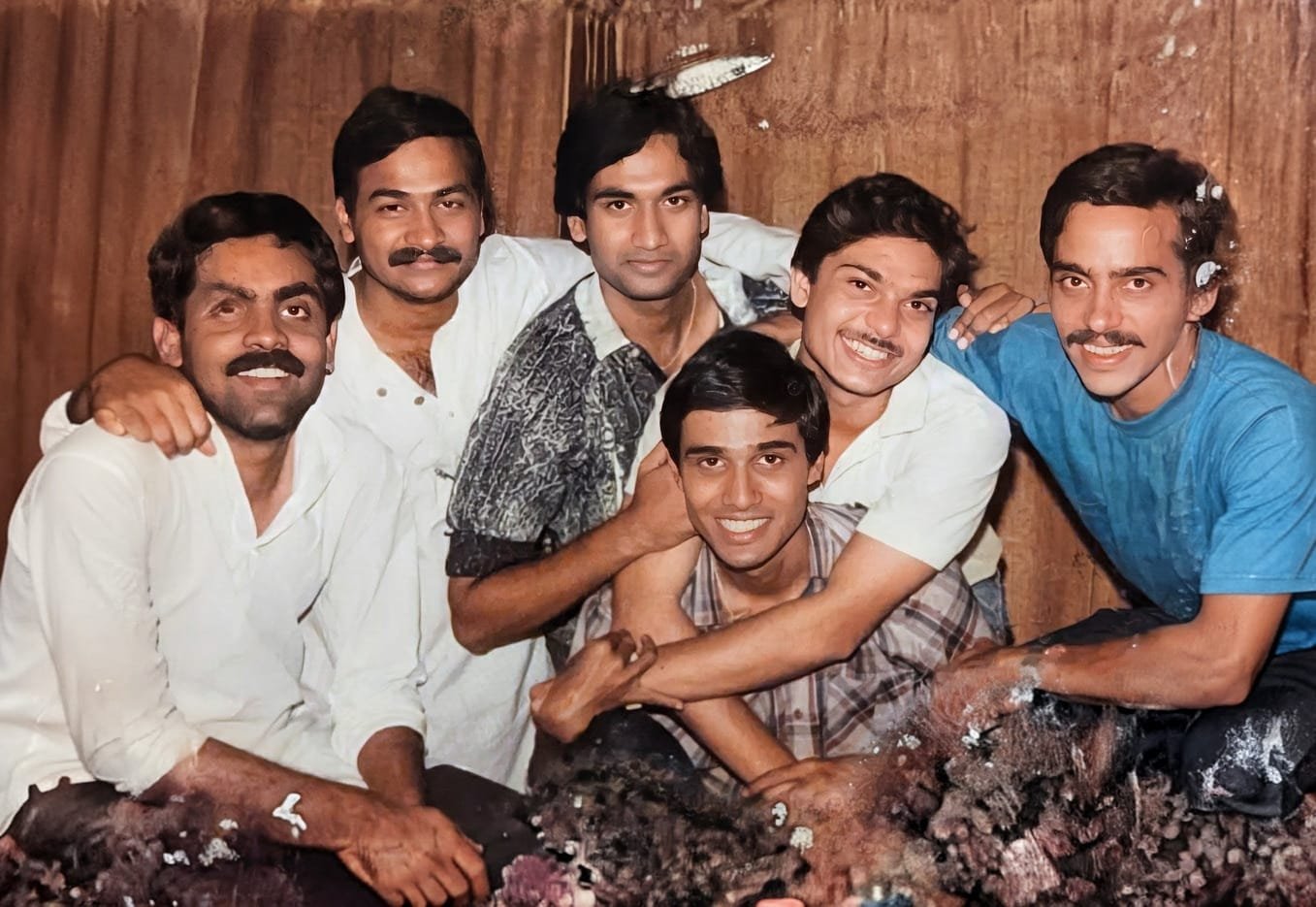
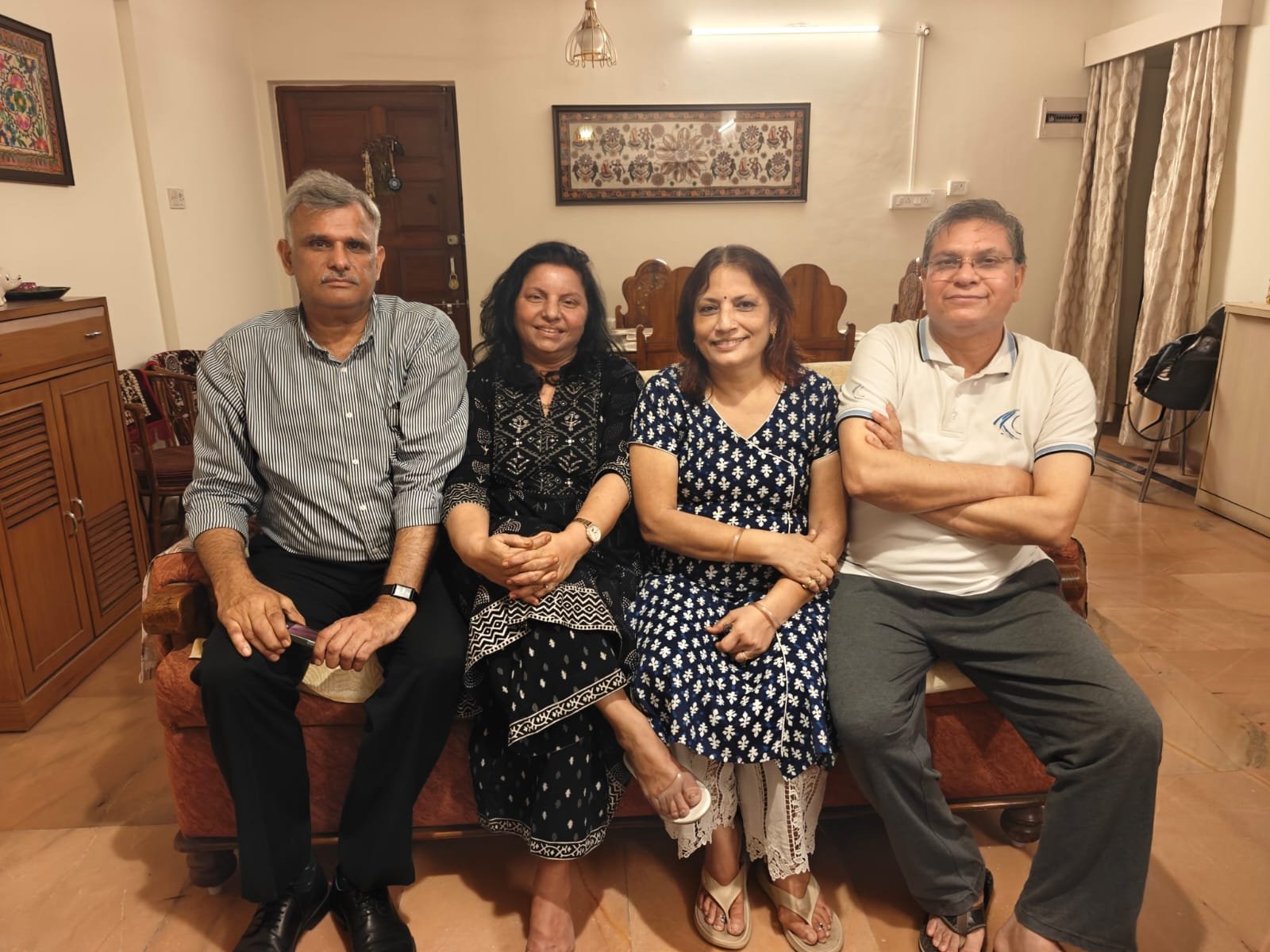
A. One of the unique aspects of our time at IIFM was the small size of our batch. We started with thirty students, and eventually our graduating group was twenty-seven if memory serves me right. Because the batch was so small, we all knew each other very well and shared a close-knit bond. In many ways, we were more like a family than just classmates.
It would be difficult to single out only a few friends because every member of the batch contributed to making those two years memorable. However, I spent a great deal of time with friends such as Yash, Animesh, Neeraj Prasad, Sarthak, Anshukant, Manoj, Vishwanath and in fact all others. Whether it was attending classes, exploring the city, working on assignments, or simply spending evenings together, those friendships became one of the most cherished parts of my IIFM journey. Even today, those memories remain fresh and special.
When it comes to faculty, I was fortunate to learn from several exceptional teachers and mentors. Prof Pethiya, Prof Shashikant, Prof Jaiswal, Prof Das, Prof Biswas, and all other faculty left a lasting impression through their teaching and guidance. They were approachable, knowledgeable, and genuinely interested in the growth of their students.
Beyond the regular faculty, we also had the privilege of learning from distinguished professionals and senior officers from the forest services. Respected Solanki Sir and our then Director, Prof K. P. Tewari Sir and later Prof Luthra were among those who made a significant impact. Their classes were fascinating because they brought real-world experience into the classroom and helped us understand the nuances of forestry, silviculture, natural resource management, and environmental governance from a practitioner’s perspective.
What stands out most in hindsight is the quality of interactions we had—with classmates, faculty members, and industry practitioners alike. The close relationships, engaging discussions, and shared learning experiences created an environment that was both intellectually stimulating and personally enriching.
Q. As an alumnus, what’s your advice to freshers or those are joining IIFM to get best out of the 2 years there?
A. My advice to freshers and students joining IIFM would be to make the most of both dimensions of campus life—academics and personal experiences. Of course, academics are important. Students should sincerely engage with their courses, learn the concepts well, and strive to perform to the best of their abilities. The knowledge and skills they gain during these two years will form the foundation of their professional careers.
However, I would equally emphasize the importance of enjoying the journey. The two years at IIFM are about much more than classrooms, assignments, and examinations. They are a unique opportunity to build lifelong friendships, develop new interests, and create memories that will stay with you long after graduation. I would encourage students to invest time in building strong relationships with their peers. Make friends, nurture those friendships, and create bonds that endure throughout your life. Some of the people you meet at IIFM may become your closest friends, professional collaborators, and support system for years to come.
Students should also actively participate in sports, cultural activities, workshops, group events, and other extracurricular pursuits. Develop shared hobbies, engage in team activities, and spend time together outside the classroom. These experiences teach teamwork, leadership, communication, and interpersonal skills in ways that formal education alone cannot.
Most importantly, be part of the campus community. Interact with people from diverse backgrounds, learn from each other, and create a culture of collaboration and togetherness. The relationships and experiences you build outside the classroom often become just as valuable as the lessons you learn inside it.
I can say that while the academic learning was undoubtedly important, it is the friendships, conversations, shared experiences, and moments spent with fellow students that I cherish the most today. The courses help shape your career, but the people and experiences shape your life. So, study hard, learn sincerely, but also take the time to enjoy every moment of your IIFM journey—it is a phase you will remember fondly for the rest of your life.
Q. What would be your advice for recent graduates who look for changing their sector after working for couple of years?
A. My advice to recent graduates who are considering a change in sector after a few years of work experience is to make that decision thoughtfully and for the right reasons. Changing sectors can be an exciting and rewarding move, but it should be driven primarily by genuine interest and passion for the new field, rather than by external factors such as salary alone or the perception that a different sector will automatically offer greater success.
Before making the transition, it is important to understand the sector thoroughly. Take the time to learn about its opportunities, challenges, work culture, and growth prospects. More importantly, ask yourself whether the work genuinely interests you and whether you can see yourself being fully engaged and committed in that environment. A successful career is often built on sustained interest and involvement, not just on attractive opportunities.
I believe that once individuals are convinced that a particular sector aligns with their interests, strengths, and long-term aspirations, they should pursue it with confidence. When there is a genuine connection with the work, people are more likely to stay motivated, learn quickly, and perform well.
At the same time, one should be prepared for the challenges that inevitably come with a career transition. Moving into a new sector often means stepping out of one’s comfort zone, learning unfamiliar concepts, adapting to new expectations, and sometimes starting afresh in certain areas. Initial setbacks, doubts, or difficulties are a natural part of the process.
The key during this phase is perseverance. Those who remain patient, continue learning, and stay committed despite early challenges are usually the ones who succeed in the long run. Every transition comes with a learning curve, but with determination and resilience, it becomes an opportunity for growth.
In essence, my advice would be: choose a new sector only if it genuinely excites and motivates you, not simply because it appears more lucrative or fashionable. If your interest is authentic, and you are willing to embrace the challenges that come with change, then a sector transition can become one of the most rewarding decisions of your professional journey.
Q. What is your typical day at the work? And how does it look like while you are on a break?
A. A typical workday at office usually begins around 10:00 a.m. and extends until about 6:00 p.m. However, given the nature of my responsibilities, there are often days when work continues beyond regular office hours. At my level, the role involves a combination of strategic thinking, decision-making, reviewing initiatives, reviewing business and driving new ideas. Therefore, a significant part of my day is spent analysing situations, solving problems, planning ahead, and ensuring effective execution.
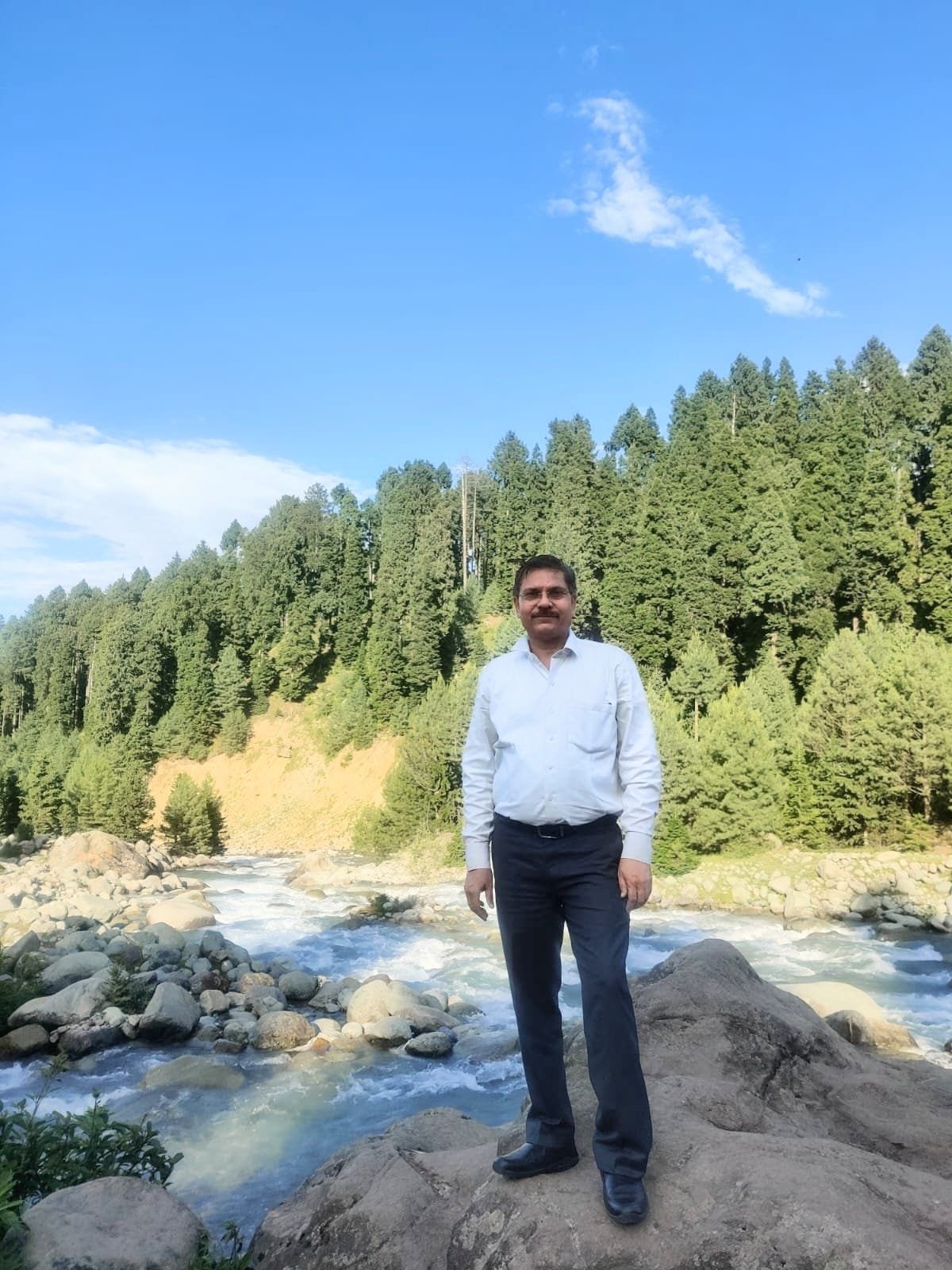
When I am on a break or taking time away from work, I consciously try to slow down and recharge. Those periods are important for stepping back from professional commitments, spending time with family, and enjoying activities that help me relax and maintain balance.
Q. And how about weekends, hobbies, family and anything else you want to add?
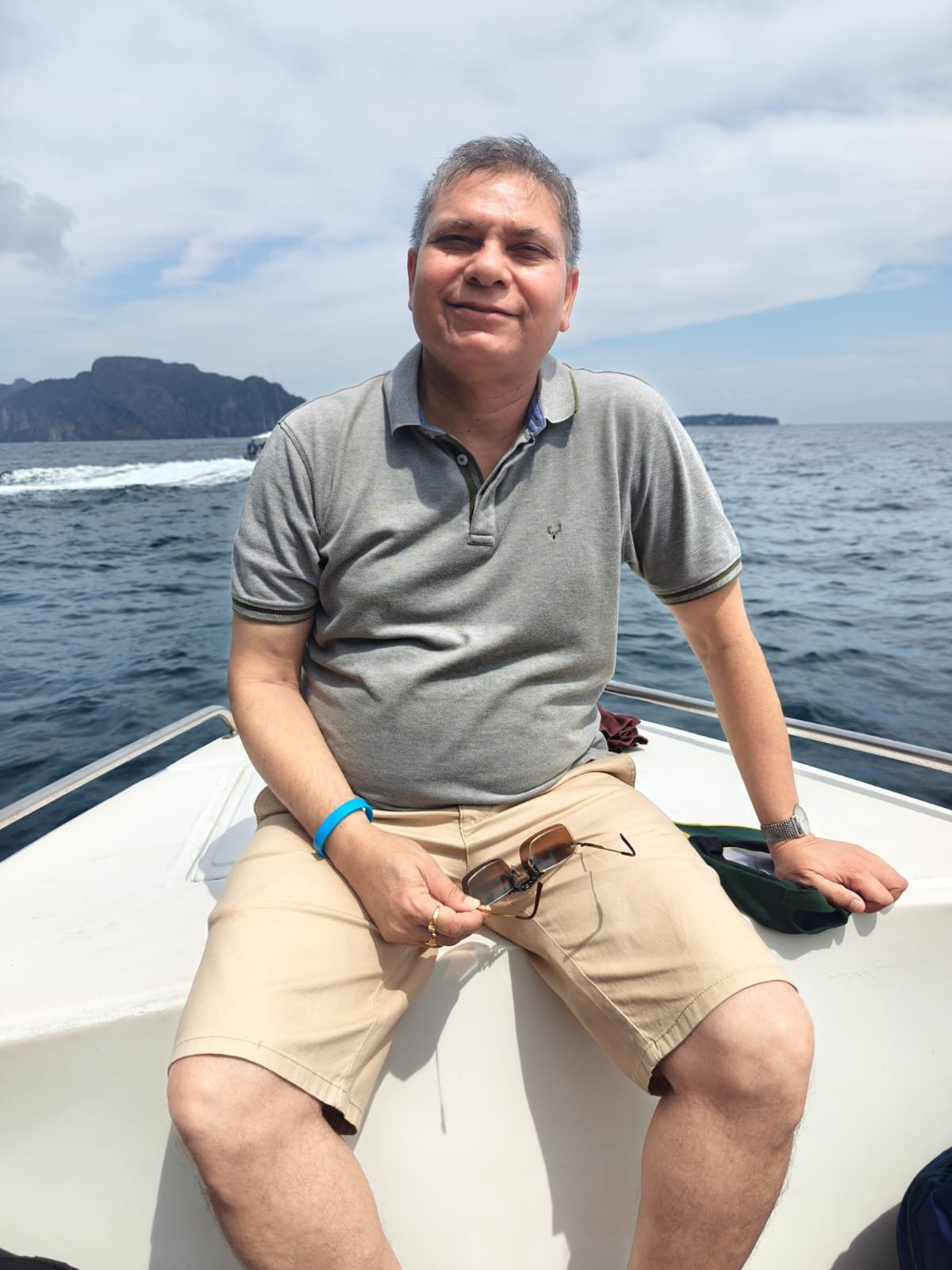
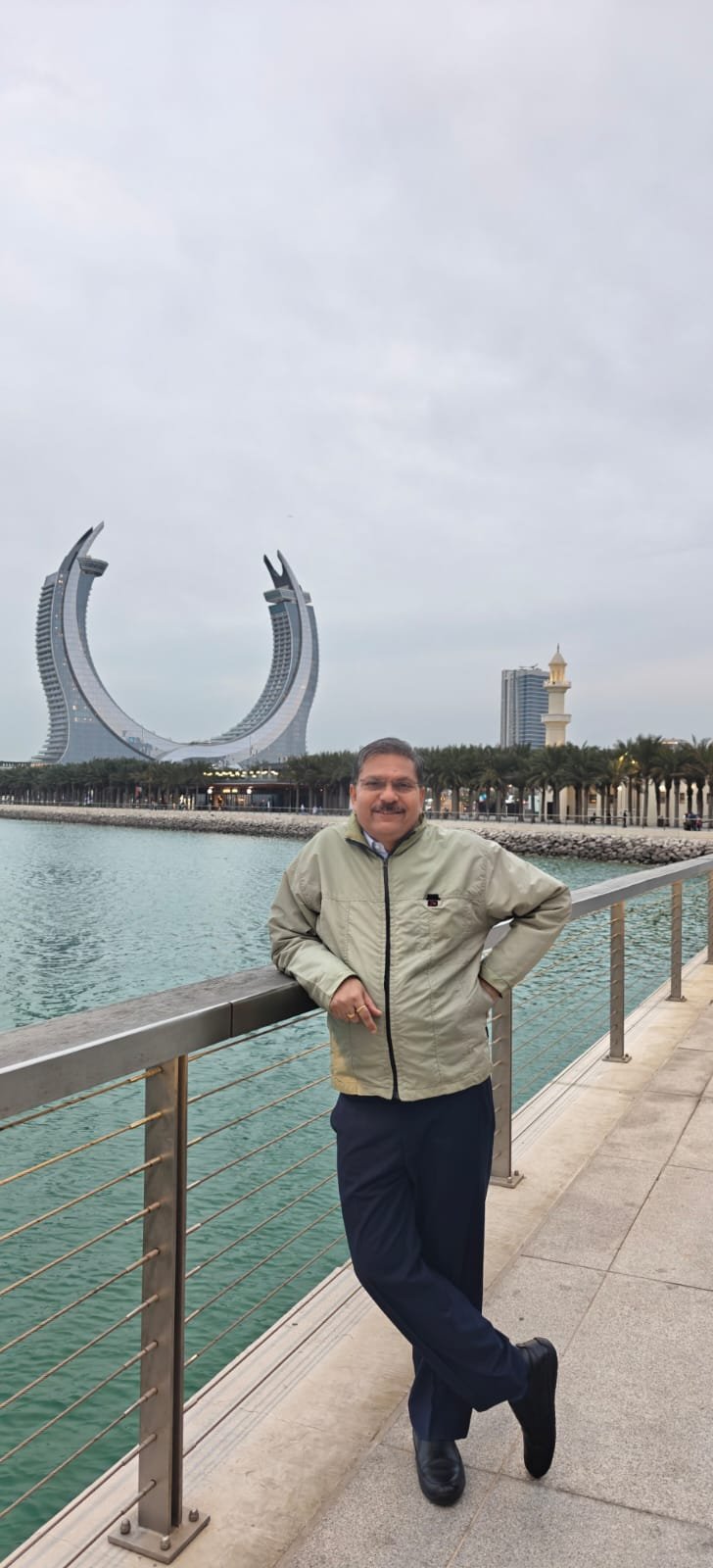
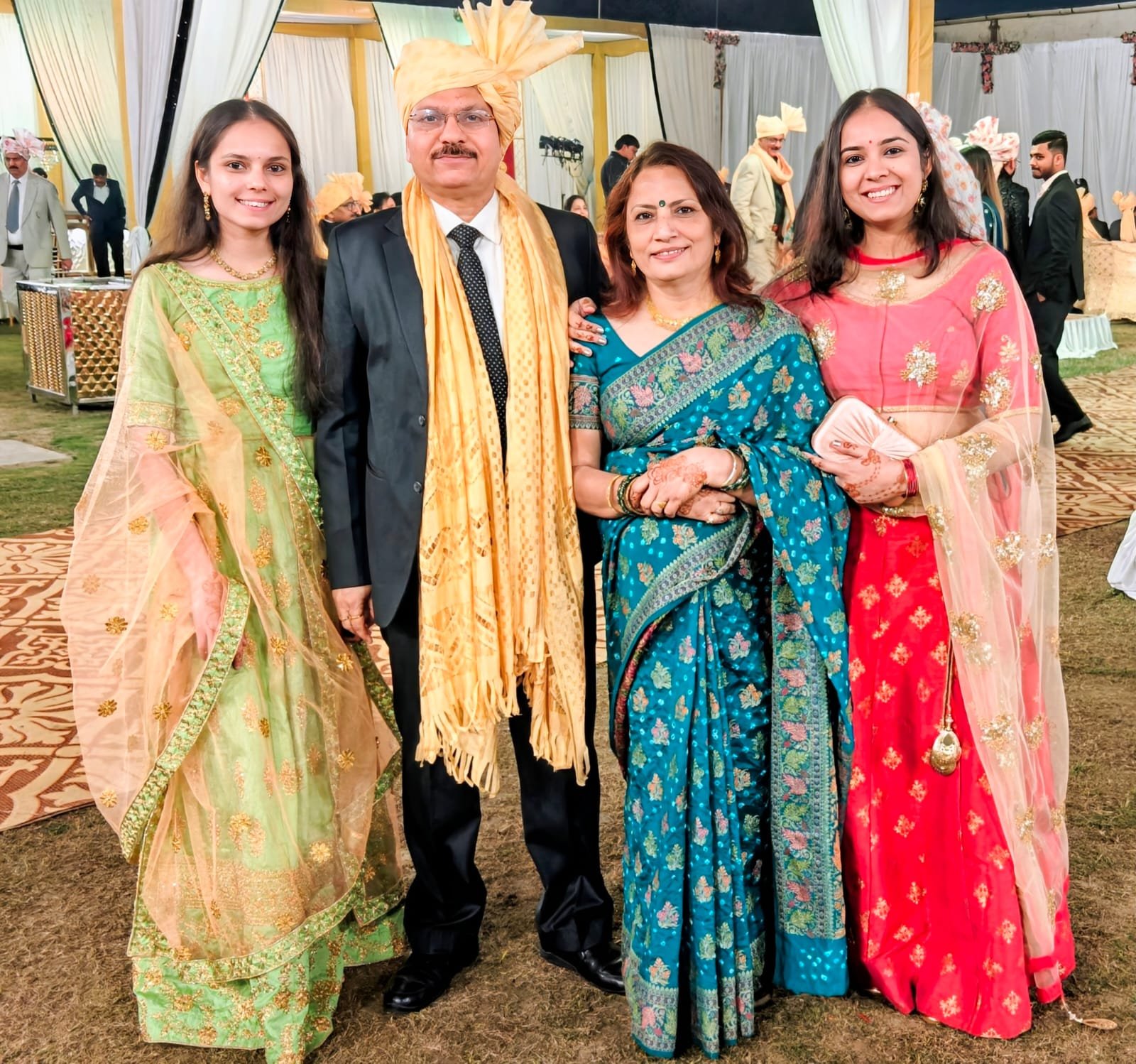
A. Weekends are primarily reserved for family and relaxation. I enjoy spending quality time with my wife Bindu and my two daughters Meghna and Manya, and I also make it a point to daily spend some moments with my father, who is 91 years old. These family moments are extremely valuable to me and help me stay grounded.
As a family, we try to go out at least once over the weekend, whether for a meal, an outing, or simply to spend time together outside the home. When we are at home, I enjoy simple pleasures such as watching television, reading books, engaging in conversations with family members, and catching up with friends and relatives, either over the phone or in person.
I also value staying connected with friends and maintaining personal relationships, which often become difficult to nurture during hectic workweeks. In addition, visiting the temple and spending some quiet time in reflection is an important part of my weekends and helps me maintain a sense of balance and perspective.
Q. Favorite Books, movies, authors?
A. I do not get as much time as I would like to devote to books or movies. However, whenever I do find some free time, I try to make the most of it by engaging with content that I genuinely enjoy or find meaningful. When it comes to movies, I make an effort to watch good films on TV, whenever possible. That said, my all-time favorite movie remains Anand. It is a film that has stayed with me over the years because of its timeless philosophy.
I also have a special fondness for the classic Hindi cinema of the 1970s and 1980s, particularly the films of Rajesh Khanna and Amitabh Bachchan. While I may not always have the time to watch an entire movie, I often enjoy revisiting memorable scenes and moments from these classics whenever I come across them on television or digital platforms.
As for reading, I read books on Jain philosophy. I also read material related to my professional domain.
Music is another area that I deeply enjoy. I am particularly fond of Hindi film music, especially the golden era of playback singing of 1970s and 80s.
Q. IIFM is driven by alumni’s passion and commitments towards its goal. How would you like to contribute to IIFM or IIFM alumni, students? Your engagement with IIFM Placement or OT/SI?
A. I have always felt a deep sense of gratitude and pride towards IIFM, and I believe that alumni have an important role to play in supporting the institute and its students.
I have all along been associated with LIC and only currently with IDBI Trusteeship Services. LIC traditionally does not recruit through campus placements, and the trusteeship business is a highly specialized niche domain within the financial services sector. As a result, there have been limited opportunities for me to contribute directly to student placements or summer internship recruitment.
However, I have always been proud to identify myself as an IIFM alumnus. Whenever discussions arise about management education, environmental management, sustainability, or rural development, I make it a point to share the unique strengths of the institute and the immense potential of its students. In that sense, I see myself as a lifelong advocate for IIFM.
Q. What do you think is different at IIFM now vs when you studied there? When was the last time you visited IIFM?
A. To be honest, I am not closely connected with the day-to-day developments at IIFM today, so I would not want to make definitive comparisons between the institute now and during my time there. However, based on what I have observed through alumni interactions and the weekly IIFMIGHT series and updates that I come across, I get a very positive sense of how the institute and its alumni community have evolved over the years.
One noticeable change is that IIFM graduates today seem to be making their mark across a much wider range of sectors and industries. During our time, the industry was perhaps not fully geared to absorb professionals with the unique blend of skills and knowledge that IIFM offered. As a result, there was sometimes a mismatch between the aspirations of students and the career opportunities available to them.
Today, I believe that situation has improved significantly. After more than three decades of existence, IIFM has established a strong identity and reputation. Industry is much more aware of the curriculum, the capabilities of its students, and the value that IIFM graduates can bring to organizations. As a result, there appears to be a much better alignment between what the institute produces and what the industry requires.
I am also happy to see that opportunities for higher studies and research continue to remain open for IIFM students. Even in my batch, several alumni went on to pursue advanced studies and research abroad. I believe today’s students have even more opportunities, both internationally and within India, to build careers in research, sustainability, environmental management, and related fields.
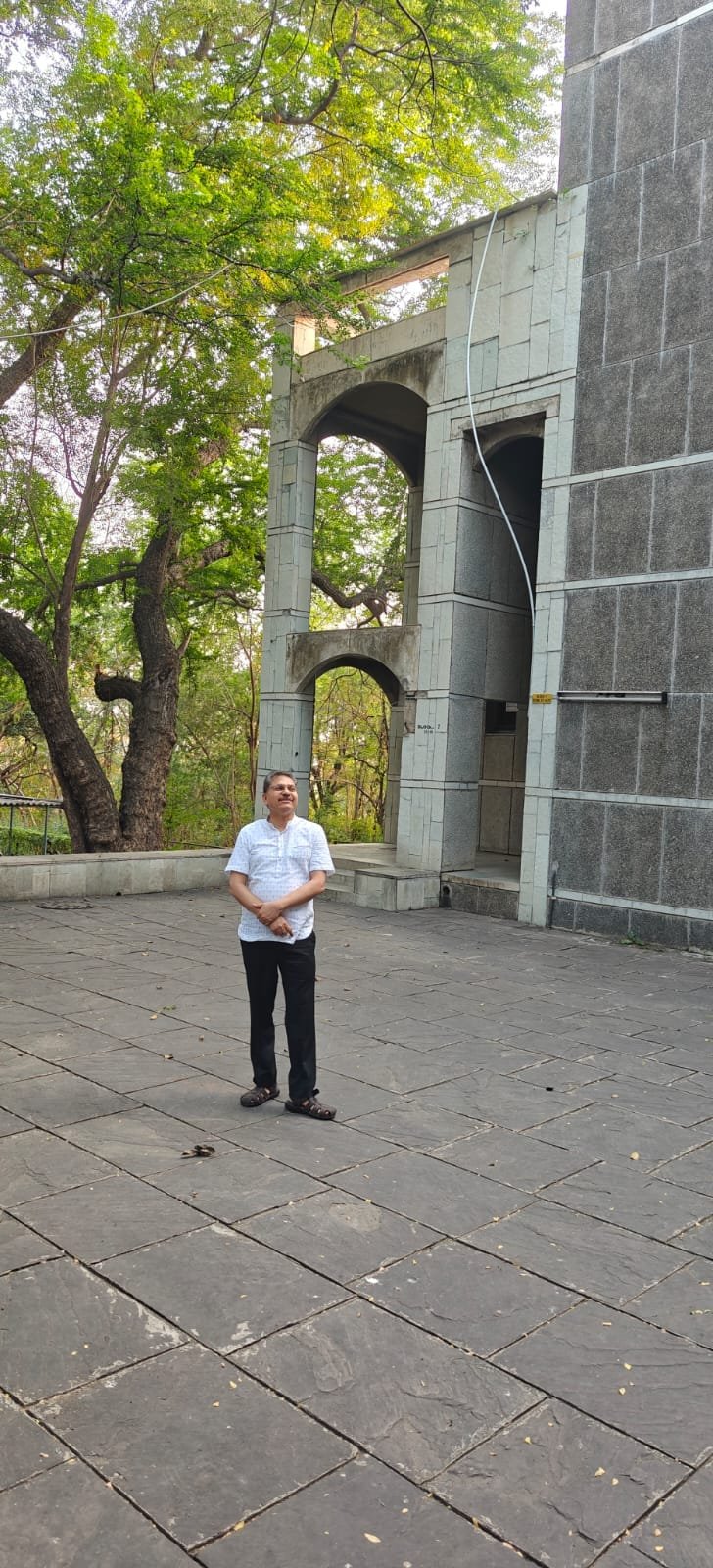
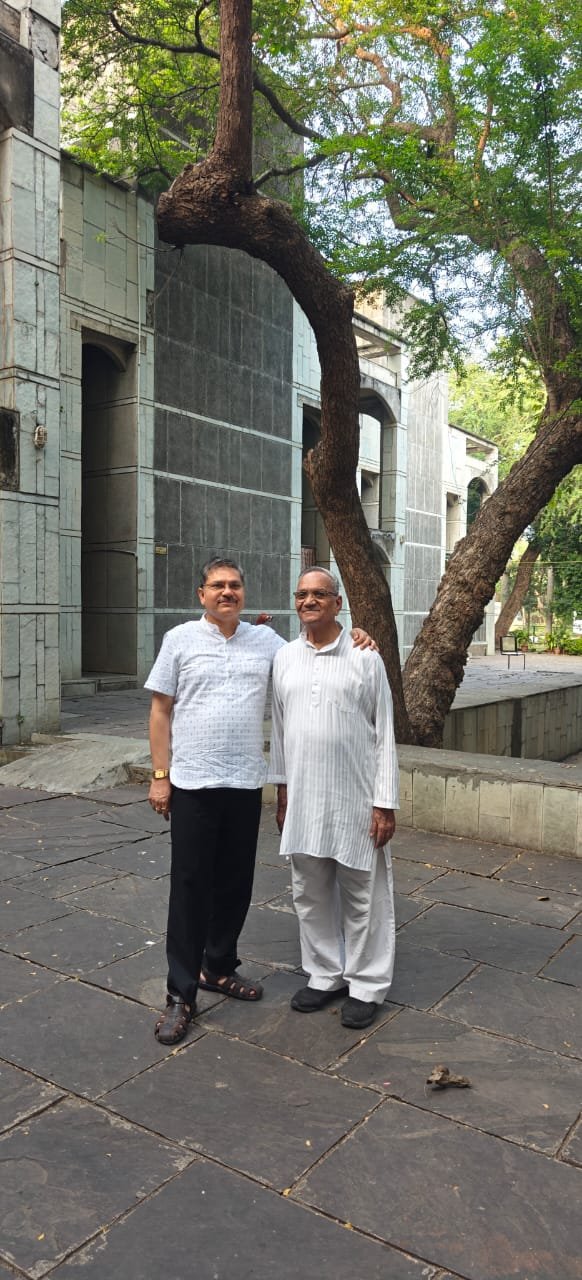
The last time I visited IIFM was in November 2025, when I went there with my entire family. It was shortly after Diwali, and the campus was relatively quiet, with no students or faculty around because of the holiday period. Nevertheless, it was a deeply nostalgic experience.
We spent time walking around the campus, revisiting familiar places, and taking photographs with my old hostel in the background. The visit brought back a flood of memories from my student days and reminded me of how significant those years were in shaping my life and career.
For me, IIFM is much more than an educational institution—it is an emotion. Every visit to the campus, and even every mention of IIFM, evokes a sense of pride, gratitude, and belonging. Those memories remain as fresh as ever, and the connection I feel with the institute is something that will always stay with me.
Q. Any suggestions on who you want to get profiled/interviewed here?
A. I would strongly recommend profiling more members of our 1988-1990 batch. I may be a little biased, but I genuinely believe that every one of my batchmates has had a remarkable journey. Over the years, they have excelled in diverse fields, built distinguished careers, and contributed significantly to their respective professions. More importantly, they are wonderful individuals with unique experiences and perspectives that would be valuable for current students and alumni alike.
I know that a few of them have already been featured, which is wonderful. Among those who may not yet have been covered, I would certainly recommend Yash Pratap Singh at the top because he was truly a forester even before he took admission in IIFM and he has remained a forester even now, both in spirit as well as in terms of his work. He now lives in Africa. Apart from him, I recommend Neeraj Prasad, my room partner, who has enriched the Indian Revenue Services with his knowledge and intelligence. Anshukant, who has made us proud at Asian Development Bank, Manila after completing his fellowship from IIM, Bangalore. Sridhar, who contributed significantly at NABARD and retired from top leadership position. Vishwanath, an Indian Forest Service officer who is very talented and contributed significantly to the forestry sector in Jharkhand. Jose, who is a professor at IIM, Bangalore and making us proud by being on the Board of Governors there. Rajesh Pon, IAS in Tamilnadu. Animesh who made big mark in the Banking sector much earlier and a very successful person. Arun, who had a distinguished career in Non-life Insurance and last heard was actively engaged in a start-up . Vijay & Anjali Kaul and Kundan & Neera, who are settled abroad and making all of us proud through their accomplishments. And Ashwani, the original business leader of IIFM. Also, the journeys of Hema, Shubhra, Hemalatha, Neeraj peter, Sanjay, and Lakshmi would be worth sharing. I am assuming that the extremely successful journeys of Sarthak, Manoj, Aanandi and Deepak have already been published.
My honest view is that anyone from our batch who has not yet been featured should be featured now. I am sure that every one of them would have a lot to contribute to the weekly IIFMIGHT publication and to the larger IIFM community.