
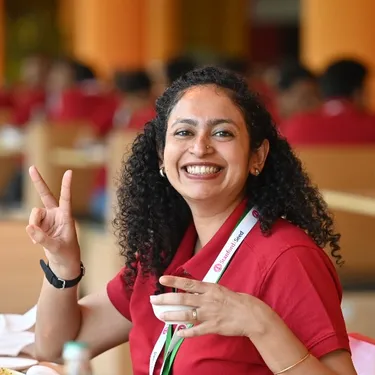
I’m based in Gurugram, Haryana, grew up in New Delhi, and also spend time in Bengaluru. I work at the intersection of entrepreneurship, education, and social impact, with more than two decades of experience supporting small and growing businesses across South Asia and other emerging markets. At Stanford Seed, I lead curriculum design, pedagogy and program design and manage a fantastic team of ten advisors who work closely with business leaders on growth and transformation. Much of my work involves designing learning experiences and collaborating with internal teams to ensure that participants in the Stanford Seed Transformation Program have a meaningful and high-impact journey.
Over the years, I’ve also worked directly with more than 50+ SMEs, helping them clarify strategy, strengthen operations, and build teams that can support sustainable growth. My career has spanned non-profits, consulting, and ecosystem building- generally places where there is complexity to unravel and practical solutions to design.
Outside work, I live in Gurugram with my husband Thanish, an entrepreneur working in public art through St+art India Foundation, our energetic toddler Aithan, and three cats named after characters from The Jungle Book. I love spending time outdoors, especially trekking, and I’m equally happy enjoying long, guilt-free weekend naps.
Location: Gurugram, Haryana, India
Linkedin: https://www.linkedin.com/in/michelle-thomas2503/
Insta: https://www.instagram.com/meesh.me/
FB:https://www.facebook.com/michellethomas2503
Q. Tell us about your School and College before you came to IIFM. How was your experience there? And how did IIFM happen?
A. When I tell people that I studied Forestry Management at IIFM Bhopal, the reaction is usually a mix of curiosity and surprise – almost as if I chose something unusually niche or unexpected. And in many ways, it is a fairly unconventional path. But for me, it was never a random decision or a backup option. Choosing IIFM was a very conscious and intentional choice.
Growing up, whether in school, college, or church, I was always drawn to initiatives that focused on doing good and contributing to the community. The real turning point came during an internship at Bank of America in 2003. At the time, I was stationed at a small banking counter that served expats working at organizations like the World Bank and UNICEF. Through everyday interactions with them, I was introduced to the world of nonprofits, social development, and philanthropy. Listening to the kind of work they were doing was deeply inspiring, and it slowly pushed me to think about building a career in that space.
Coming from the middle-class, city-life background I did, careers in development were not widely understood – most people assumed the obvious path was an MBA from the IIMs or similar institutes but by then I was clear about the direction I wanted to pursue. I applied only to IRMA and IIFM, and when I was accepted to both, visiting the IIFM campus sealed the decision for me. I immediately fell in love with the place – and there was no turning back.
Q. How has been your journey from IIFM so far?
A. We are in 2026, and I graduated from IIFM in 2006 – which means it has been exactly two decades since I left the beautiful Bhopal campus. Saying that out loud makes it feel both like a lifetime ago and like yesterday at the same time.
Professionally, the journey since then has been nothing short of an adventure. My first job was with the French nonprofit Aide et Action, where I worked on setting up vocational training institutes across North India. It was my first real exposure to working closely with communities and education systems, and it was a wonderful (and sometimes chaotic) crash course in the development sector.
In 2008, I moved to Chennai to join Villgro, a social business incubator founded by IIFM senior Paul Basil. What was meant to be a short stint turned into eight amazing years. Villgro was where I grew up professionally – building programs like Unconvention, working with inspiring social entrepreneurs, and forming friendships that have lasted well beyond the workplace.
Chennai was also becoming a mini hub for IIFM graduates then, so a small but lively community of IIFMites would often gather over food, stories, and plenty of nostalgia.
In 2015, after many years at Villgro, I decided it was time to go back to school. I was incredibly fortunate to receive a full World Bank scholarship to pursue an MPA at SIPA, Columbia University. Spending two years in New York City was surreal – new ideas, new perspectives, and winters that my Chennai-trained self was definitely not prepared for.
After returning to India, I spent some time with Dasra in Mumbai, and in 2018 joined Stanford Seed South Asia as a Business Transformation Advisor. This also brought me back to Delhi, the city I grew up in.
Over the past several years, I’ve had the privilege of working with founders and leadership teams of small and growing businesses across India and Nepal. More recently, my role has expanded into leading curriculum design and program experience, while also managing a team of advisors across South Asia and helping set up our Indonesia team.
Looking back, the past 20 years have been an incredible ride – one that I could never have fully planned when I was sitting in those IIFM classrooms. And as Steve Jobs once said, you can only connect the dots looking backwards. That has certainly been true for my journey.
Q. What were some of the key milestones/learning in this journey that you would like to share with us?
A. Looking back over the last 20 years, there have been a few important milestones in my journey, and each of them came with lessons that have stayed with me.
One of the earliest milestones was joining Aide et Action right after IIFM. Working on setting up vocational training institutes across North India gave me my first real exposure to the development sector and to the complexity of working with communities and systems. It taught me patience and the importance of listening before trying to solve problems.
Another big milestone was my eight-year journey at Villgro in Chennai. That phase shaped me deeply as a professional and also personally. I worked closely with social entrepreneurs, helped build initiatives like Unconvention, and learned what it takes to support mission-driven businesses. It also gave me the closest friends I have today who were more than just colleagues. It also reinforced something I strongly believe in today – you can create your own opportunities if you approach your work with curiosity and a growth mindset.
Going back to school at Columbia University after almost a decade of work was another defining moment. It pushed me out of my comfort zone and helped me see development and policy through a more global lens.
And finally, my time at Stanford Seed has been incredibly meaningful – working with SME founders and their senior leadership teams across South Asia and supporting their growth journeys.
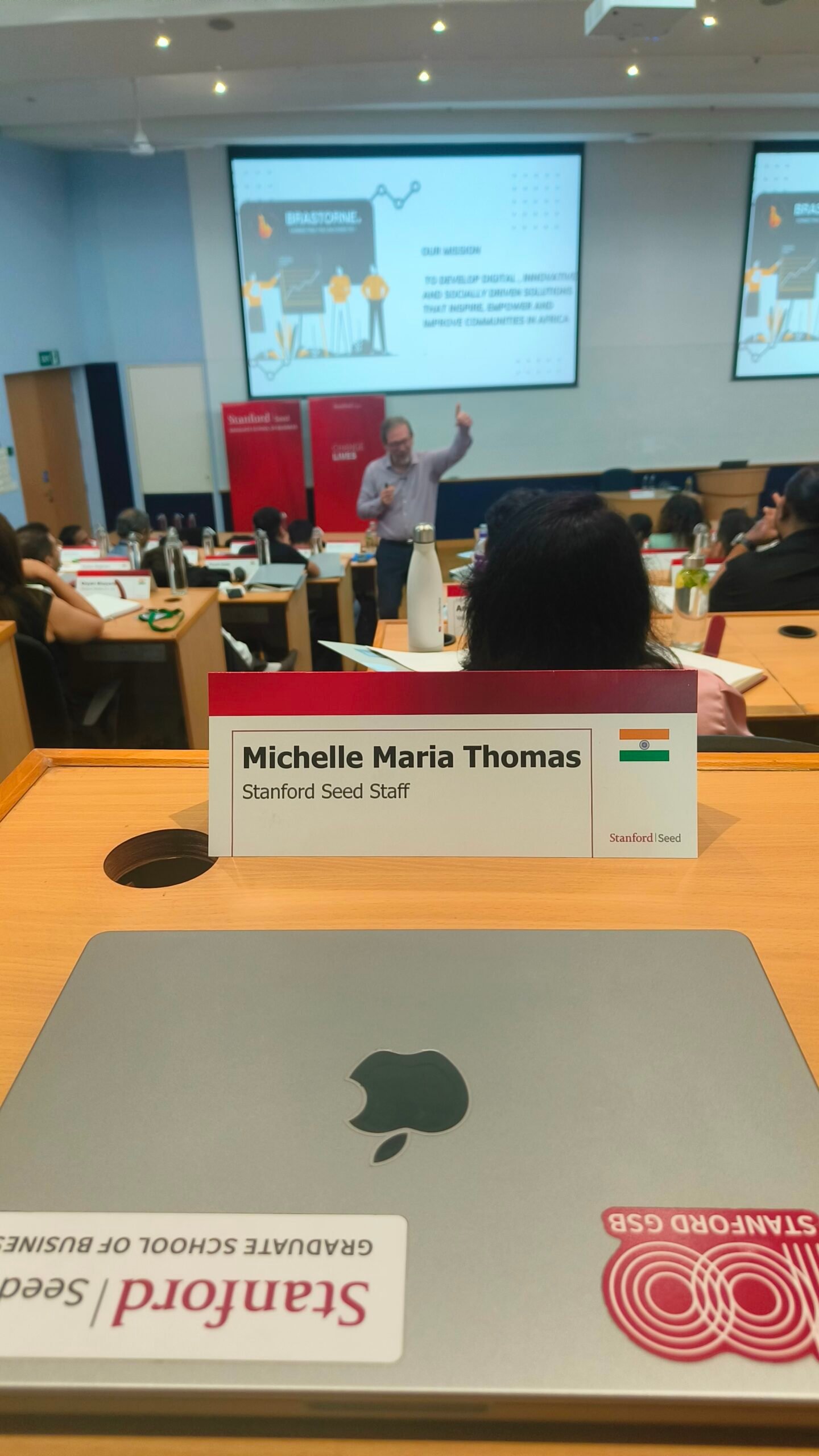 A typical classroom during Immersion Week for STP class
Across all these experiences, a few lessons stand out: have a growth mindset, take your work seriously but don’t forget to have fun while doing it, and always remember that leadership is not just about what you ask people to do – but how you make them feel while doing it.
Q. How has been your experience in your current Organization? What all areas have you been working here?
A. My experience at Stanford Seed over the past several years has been incredibly rewarding and intellectually stimulating. I joined the organization in 2018 as a Business Transformation Advisor, working closely with founders and senior leadership teams of small and growing businesses across North, West India and Nepal. In that role, my focus was on supporting companies in thinking through their growth strategy, strengthening their leadership teams, and helping them with their transformation plan as part of the Stanford Seed Transformation Program.
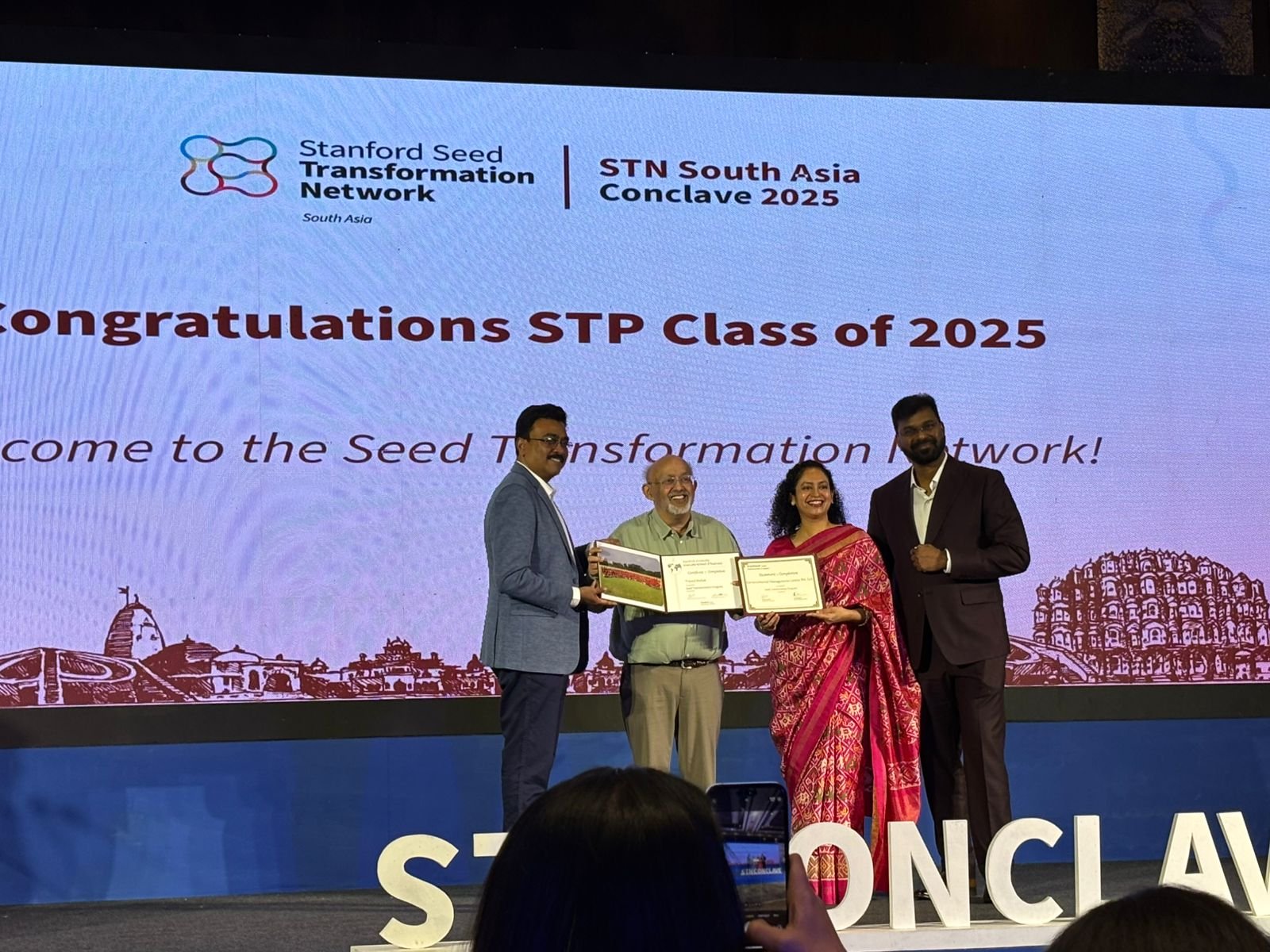 Stanford Seed – Graduating class of 2025
Over time, my role expanded beyond direct company advisory to include program design, curriculum development, and South Asia team leadership. I now work closely with the global Stanford GSB team on curriculum strategy and program design, helping ensure that the program content, pedagogy, and learning experience are relevant for businesses in the South Asia context while remaining aligned with the broader global framework.
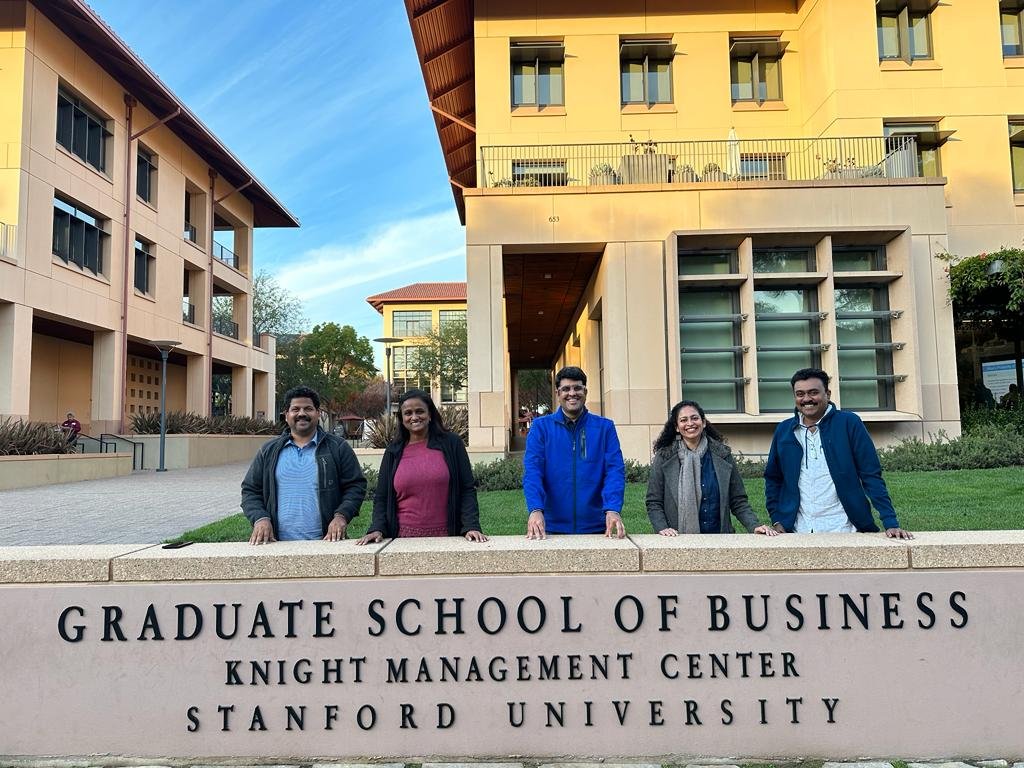 Stanford University Campus with Stanford Seed colleagues
A large part of my work also involves managing and mentoring a team of Business Transformation Advisors in South Asia, supporting their professional development, facilitating knowledge sharing, and ensuring strong program delivery across cohorts.
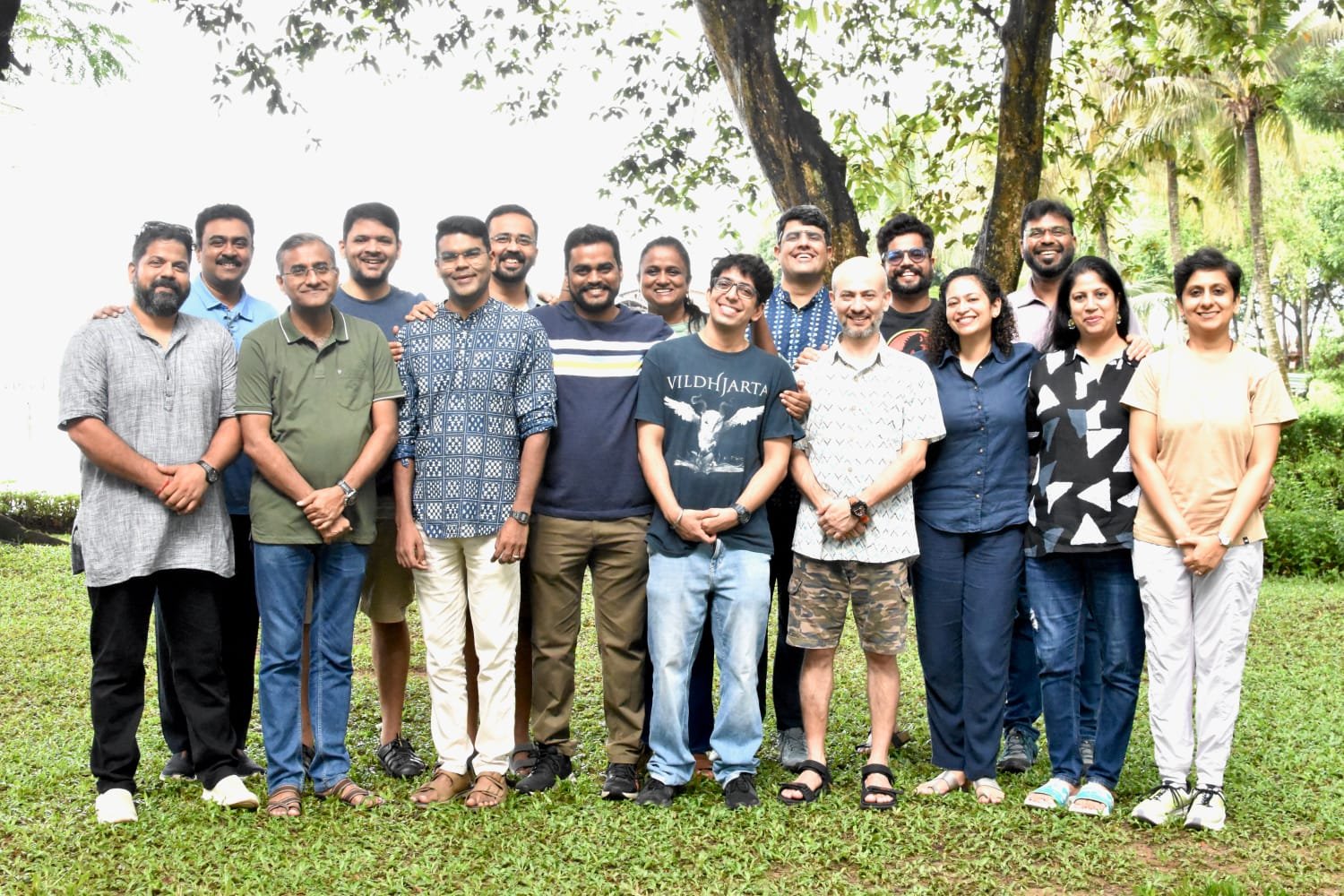 Stanford Seed South Asia team
In addition, I have been involved in training and onboarding new BTAs in South Asia and Indonesia, documenting best practices, and contributing to cross-regional collaboration within Seed.
Another area I contribute to is program learning and evaluation – analyzing feedback from business leaders and advisors to continuously refine the program experience.
Overall, my time at Stanford Seed has allowed me to combine my interests in entrepreneurship, learning design, facilitation, and ecosystem building, while working with inspiring founders and colleagues across multiple regions.
Q. What is the most satisfying part in your career?
A. The most satisfying part of my career has been the opportunity to work closely with people who are building something meaningful – whether that is entrepreneurs growing their businesses or teams trying to transform how they work. Across the different roles I’ve had – from working with communities in the development sector, to supporting social entrepreneurs at Villgro, and now working with founders through Stanford Seed – the common thread has been helping people unlock growth and possibility. There is something incredibly rewarding about being part of that journey: asking the right questions, helping bring clarity to complex challenges, and then seeing leaders take those insights and translate them into real change within their organizations.
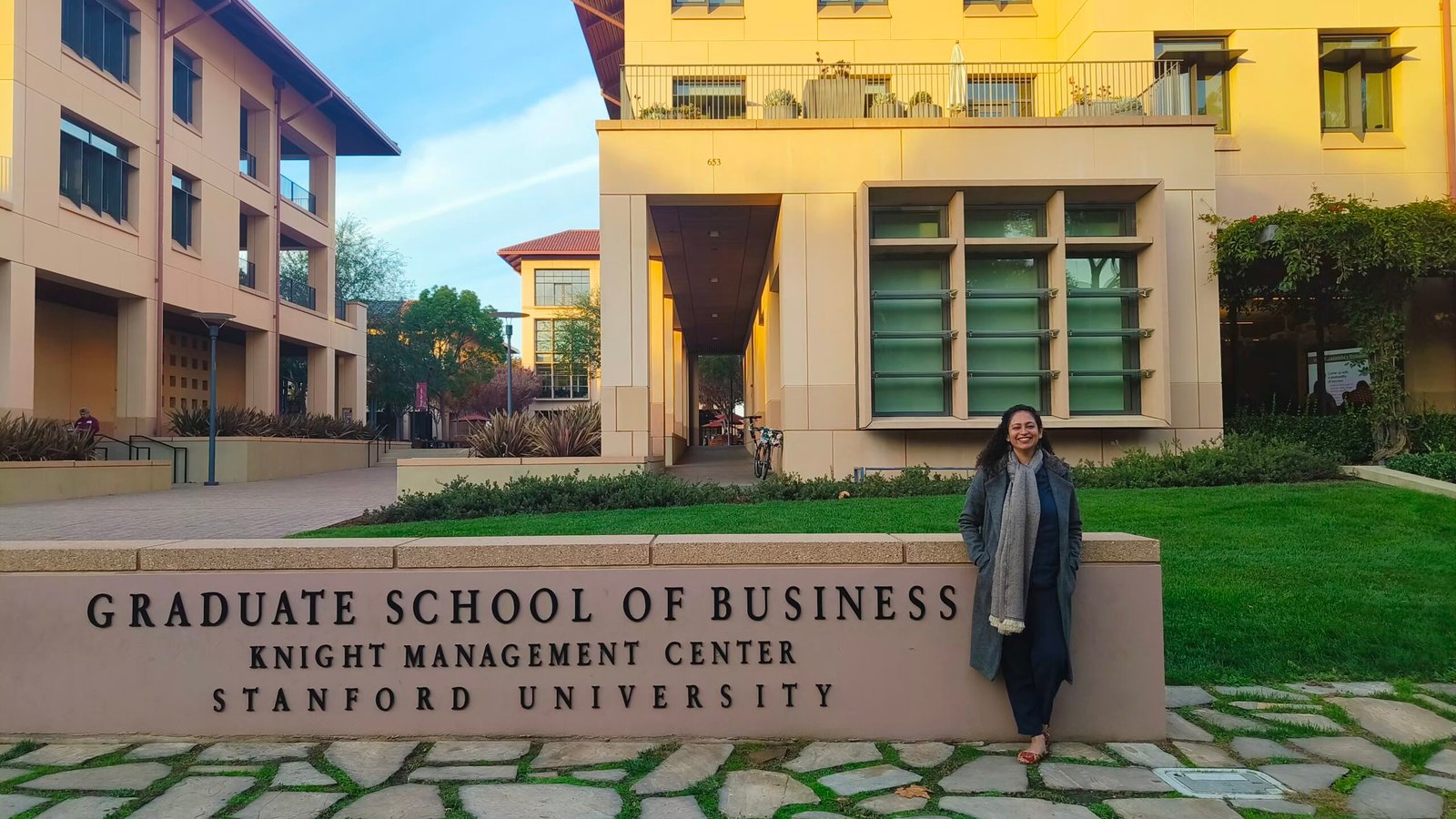 Stanford University_ Work from office/campus
Another deeply satisfying aspect has been the learning that comes from these interactions. Working with entrepreneurs across industries, regions, and contexts constantly stretches my own thinking. No two companies are the same, and that keeps the work intellectually exciting.
And finally, I find a lot of joy in the design side of my work – thinking about how to create learning experiences, conversations, and spaces that allow leaders to reflect, challenge their assumptions, and grow. When you see those “aha” moments happen in a room, it reminds you why this work matters.
Q. Has your learning at IIFM helped in shaping how you approach your professional roles?
A. Yes, very much so. In many ways, IIFM shaped how I look at problems and how I approach my work even today. One of the biggest things IIFM gave us was the ability to look at issues through a systems lens. Whether it was forestry, rural development, or natural resource management, we were constantly encouraged to think about the interconnectedness of communities, institutions, markets, and the environment. That way of thinking has stayed with me and has been extremely useful in my professional roles – especially when working with complex organizations or entrepreneurial ecosystems where multiple factors influence outcomes.
IIFM also instilled a strong sense of groundedness and practicality. The exposure to fieldwork and real-world challenges meant that we learned very early that solutions are rarely theoretical – they need to work in messy, real-life contexts. That mindset has been invaluable in roles where I work closely with entrepreneurs and leadership teams.
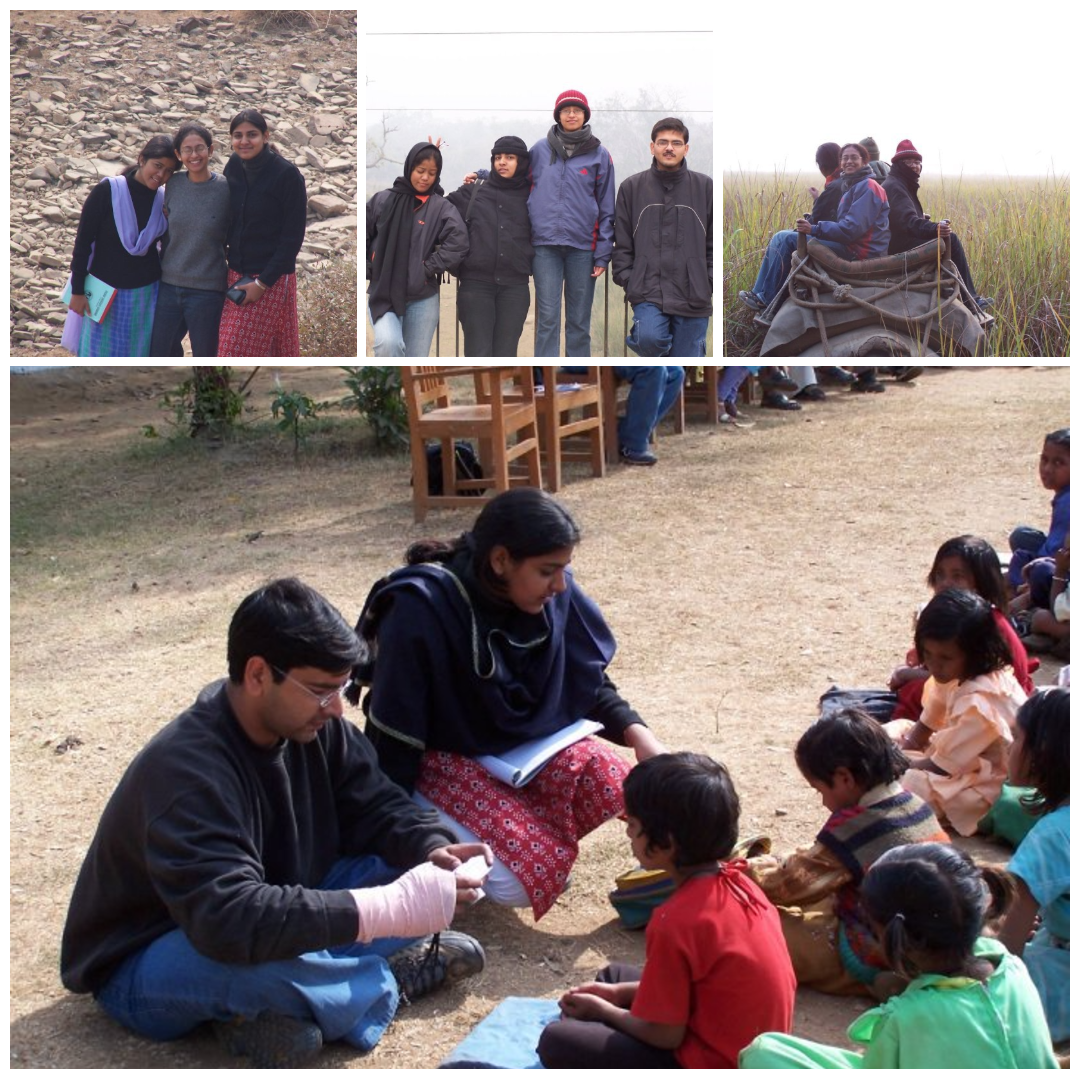 Back to Field days
Another thing I carry from IIFM is the sense of purpose around doing meaningful work. Many of us chose IIFM because we wanted to work at the intersection of management and impact, and that orientation has continued to guide my career choices.
Even today, when I reflect on how I approach problem-solving, collaboration, and leadership, I can see the IIFM influence quietly present in the background.
Q. Who (or what) are the biggest influences or drivers in your careers? What would be your advice to freshers and IIFM graduates who are looking to choose similar sectors/roles.
A. Two things have been the biggest drivers in my career: purpose and people.
From early on, I realized that I am most energized when my work sits at the intersection of impact, entrepreneurship, and learning. That sense of purpose has guided many of the choices I’ve made – from working in the development sector, to supporting social entrepreneurs, to now working with founders and leadership teams at Stanford Seed. I’ve also been very fortunate to work with inspiring colleagues, mentors, and entrepreneurs along the way. Being around people who are deeply committed to building something meaningful pushes you to grow and raise your own standards.
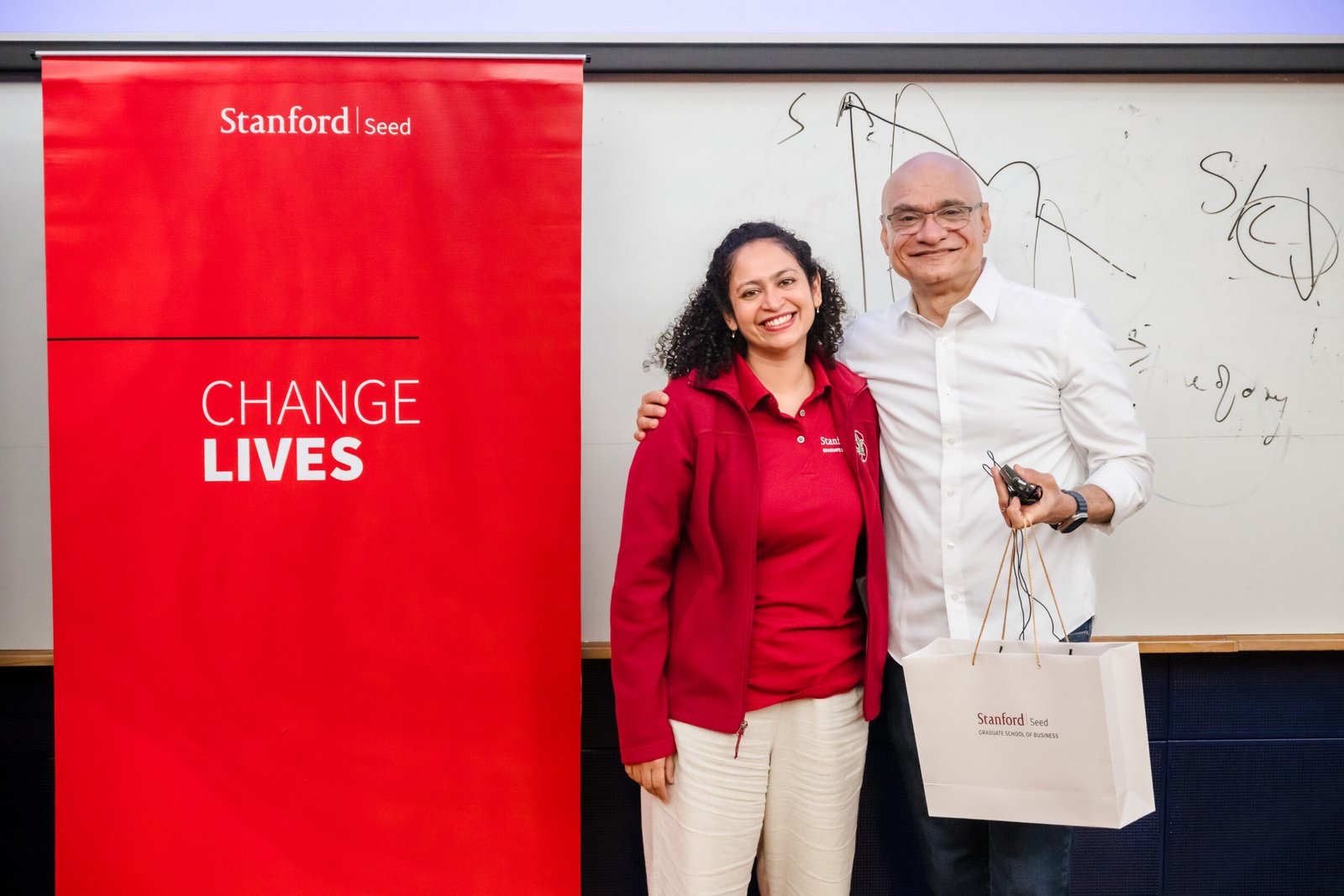 With Stanford GSB faculty – Baba Shiv
Another important influence has simply been curiosity and a willingness to explore. Many of the opportunities I’ve had were not things I could have planned perfectly in advance – they emerged because I was open to trying new roles, learning new skills, and stepping into unfamiliar spaces.
For freshers and IIFM graduates, my advice would be three things. First, don’t worry too much about having a perfectly linear career path – very few careers actually work that way. Second, build strong foundations in design-thinking, communication, and problem solving, because those skills travel with you across sectors and roles. And finally, stay curious and keep a growth mindset. The sectors many of you will work in are constantly evolving, and the ability to learn, adapt, and create your own opportunities will matter more than any single job title.
Q. How did you decide to go for higher studies post IIFM? And how was the experience
A. Going for higher studies was not something I had planned right after IIFM. In fact, I spent almost a decade working before I even started thinking about going back to school. During those years – especially my time at Villgro working closely with social entrepreneurs and building initiatives like Unconvention – I was learning a lot on the job. But over time, I began to feel the need to step back, reflect, and deepen my understanding of policy, development, and global systems.
That’s what led me to apply for the MPA program at SIPA, Columbia University. It felt like the right moment to pause, learn, and expose myself to a broader global perspective. I was fortunate to receive the Joint Japan World Bank Scholarship, which made the decision much easier.
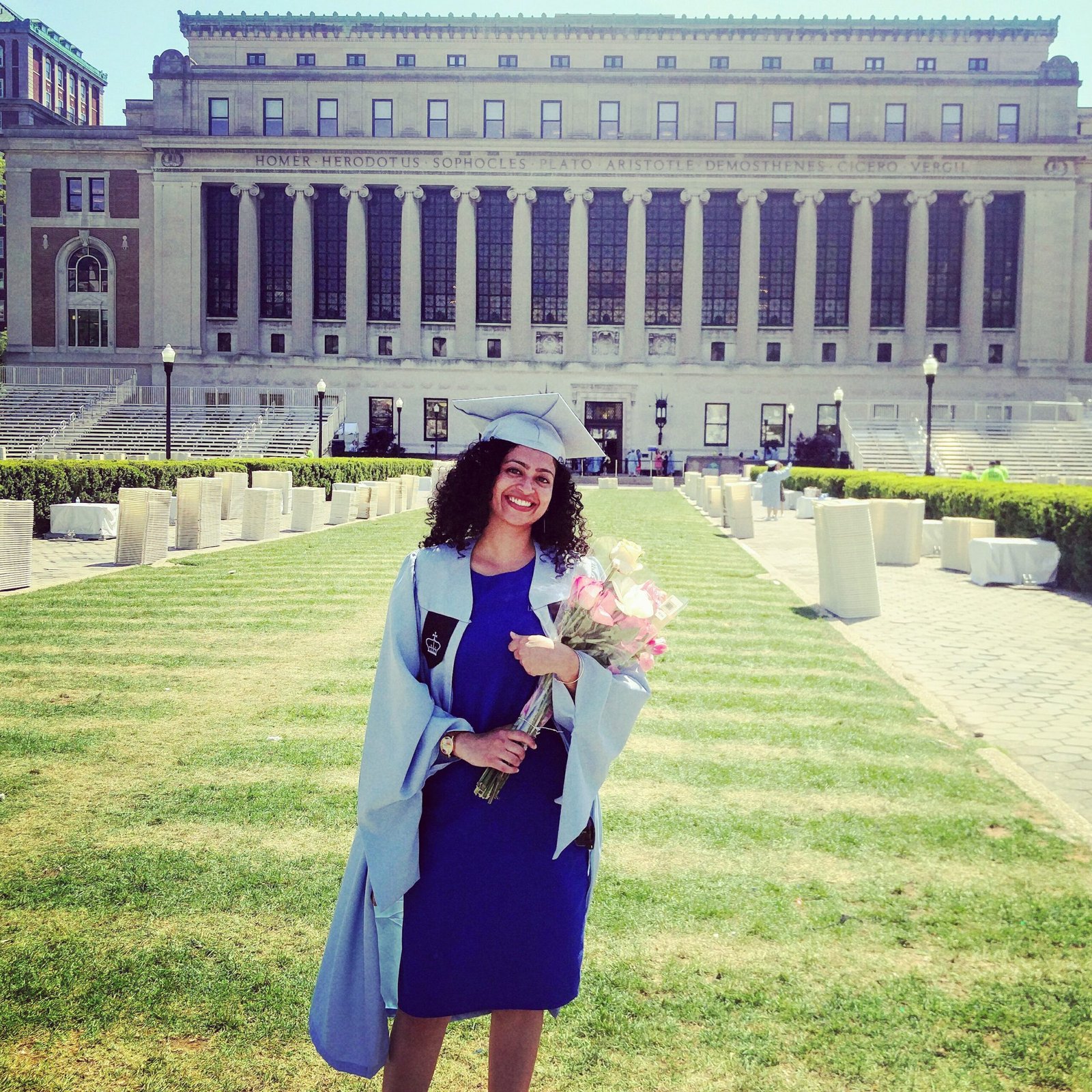 Columbia Graduation
Being in New York City was both exciting and humbling. In a place like Columbia University, you suddenly realize that everyone around you seems incredibly accomplished and talented. At times it can feel overwhelming. What helped keep me grounded was reminding myself that I was not there to compete with others, but to become a better version of myself. Each of us brought our own unique experiences to the classroom, and I realized that my journey working with social enterprises in India was also a valuable perspective in those conversations.
At SIPA, I specialized in Economic and Political Development with a focus on Women and Gender Policy. Outside the classroom, I was actively involved in student leadership – serving as Co-President of the South Asia Association and Consulting Chair of the Columbia Impact Investing Initiative.
I also had the opportunity to work on some fascinating projects during that time. I interned with Oxfam America in Boston, where I worked on shareholder advocacy and private sector engagement, including research on global agricultural traders and contributions to a report on impact investing.
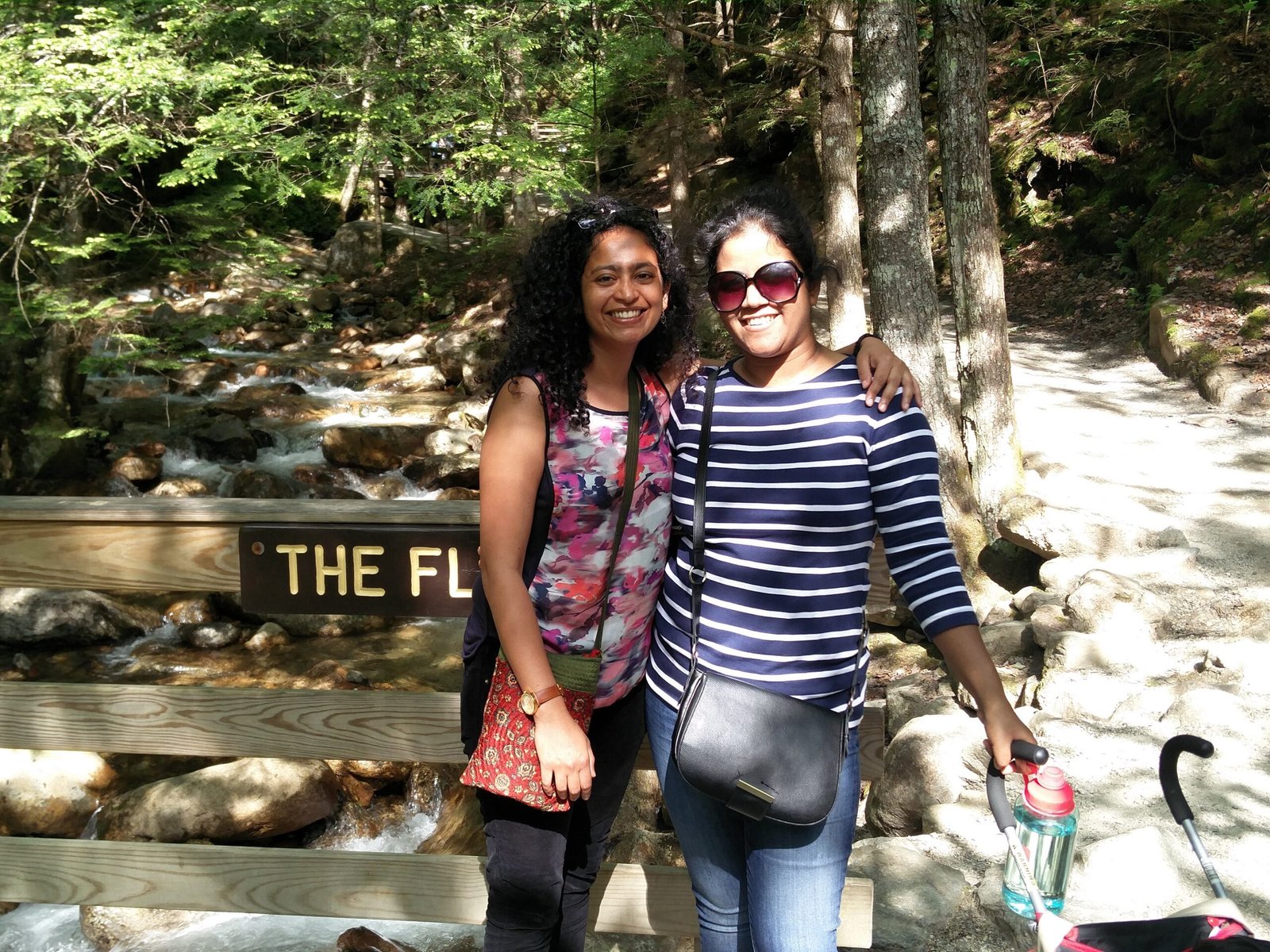 Post IIFM: With my IIFM classmate Nalini@Boston
I also worked on a consulting project with Viva Rio in Brazil, helping design a fellowship program for a social innovation hub in Rio de Janeiro by researching global models and developing recommendations for building a local innovation ecosystem.
Another memorable experience during my time at SIPA was being selected as part of the Columbia SIPA Innovation Trek to Israel, a 10-day immersive study trip that explored the country’s innovation ecosystem. The trek brought together students to learn directly from entrepreneurs, policymakers, and ecosystem builders working across technology and social innovation.
While the experience at Columbia was incredibly enriching and broadened my global perspective, I was always clear about one thing – I wanted to come back to India and apply these learnings to the ecosystems and communities I cared most about.
Q. What are your favorite memories during your IIFM days?
A. Some of my favorite memories from my IIFM days are a mix of the small everyday moments and the fun chaos of campus life.
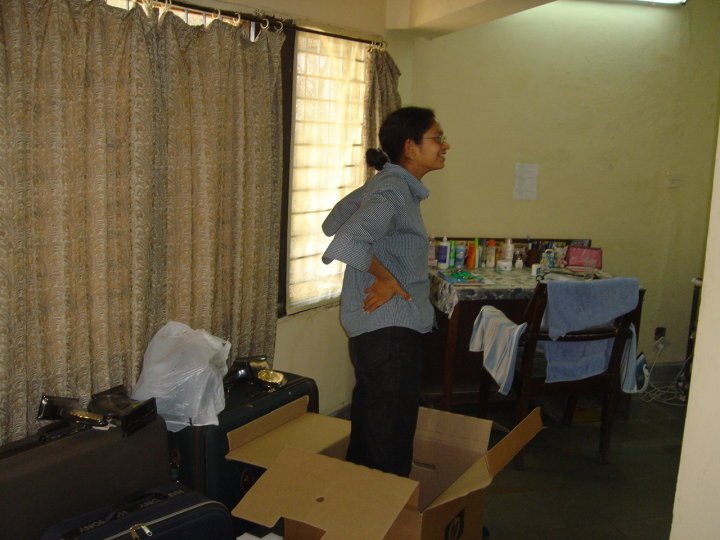 My hostel room@IIFM
One memory that always makes me smile is the infamous aloo sukha sabzi with the triangle paratha from the mess. I would pack it and sneak it into class, happily eating during the break while chatting away.
The group projects were another big part of life at IIFM. At the time they felt intense, but they taught us how to work with different personalities and ideas. And of course, the field trip was unforgettable. Our group was assigned Uttar Pradesh, and interestingly three out of the five of us were from Lucknow. So for most of that one-month trip, we were driving across different parts of the state in a car, doing our fieldwork and discovering places along the way – it felt like a learning journey mixed with a road trip.
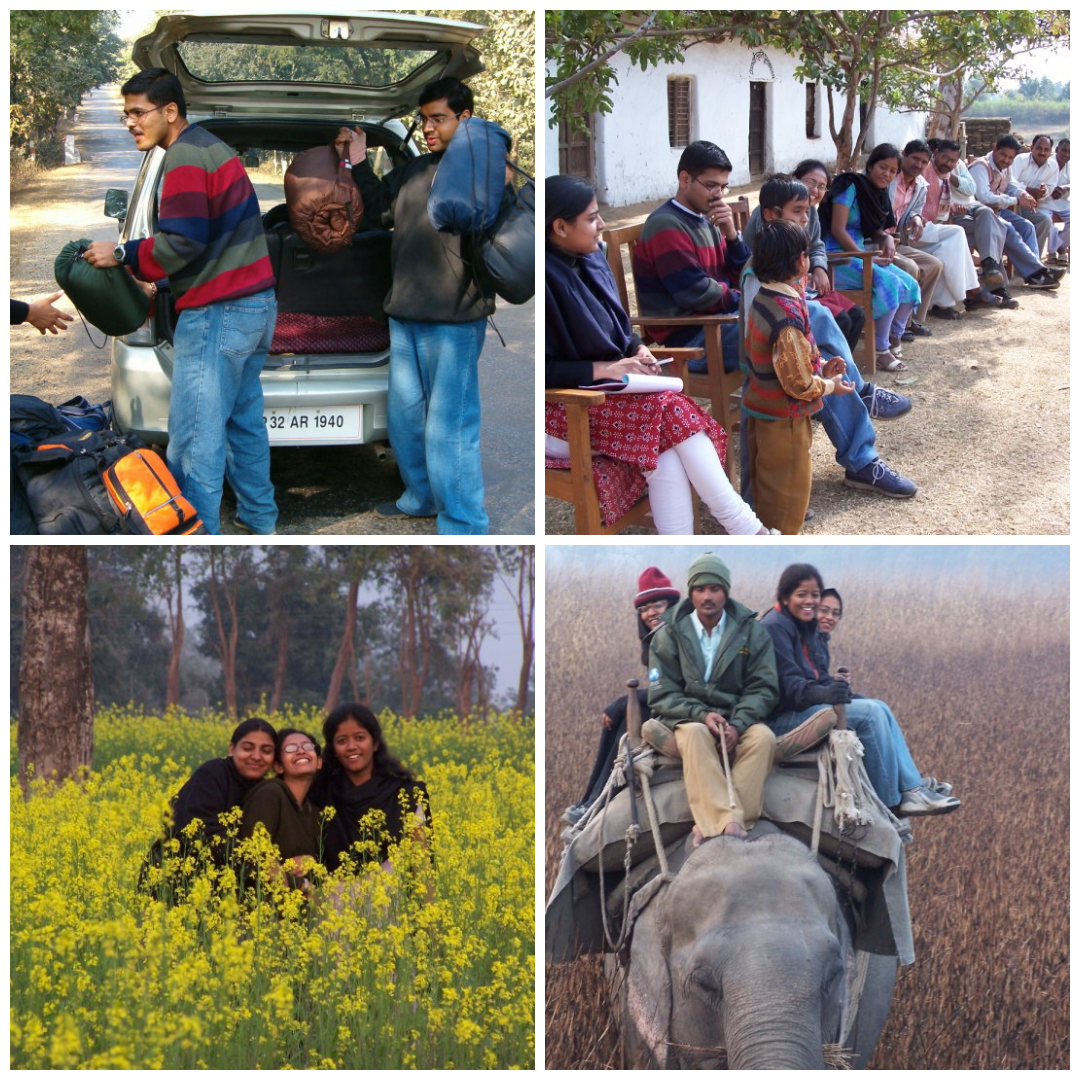 Field Trips@IIFM
I still remember one of the professors who would always pronounce my name as “Mis-hel,” and no matter how many times it happened, it never stopped being funny.
There are also many memories that capture the spirit of campus life – late evenings making Maggi in our rooms, casual conversations that went on for hours, and even playing badminton with Yogesh Dubey Sir and P.K. Biswas Sir on campus.
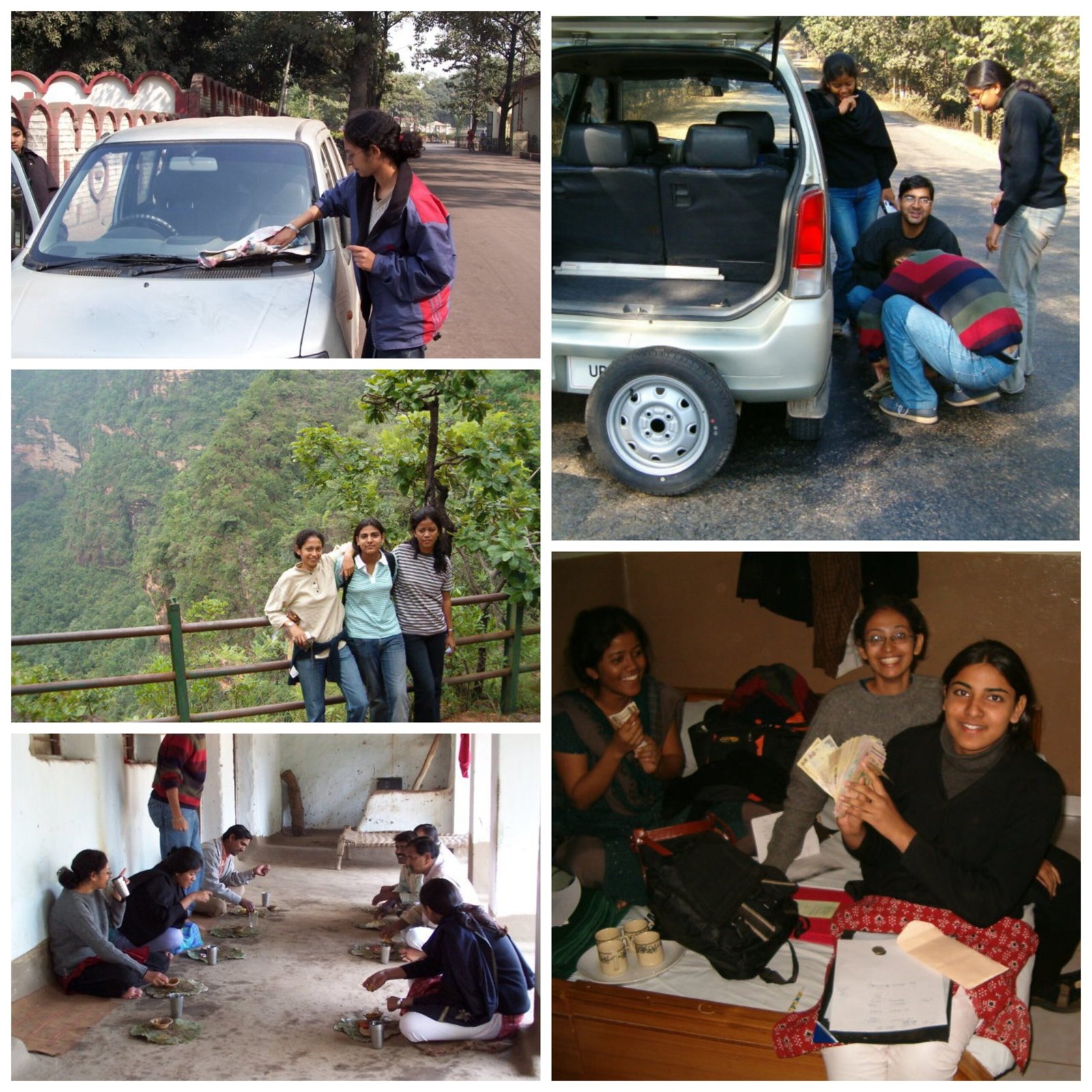
Lovely memories
And of course, living in such a lush green campus also meant the occasional surprise from nature – I vividly remember one evening when we spotted a snake outside our room near the water tank, which created quite a bit of excitement (and panic!) in the girls hostel.
Q. In hindsight, what was the biggest contribution or take away from IIFM that you think played a critical role in shaping you as an individual or professional?
A. In hindsight, I think the biggest contribution of IIFM was the overall ecosystem it created for learning and growth and in a space where we could experiment and learn from our mistakes. Most of us at IIFM back then had never stepped out of our homes and that became home for us for 2 years.
It wasn’t just one course or one experience – it was the combination of the people, the environment, the exposure to real-world problems, and the friendships that shaped how I think and work even today.
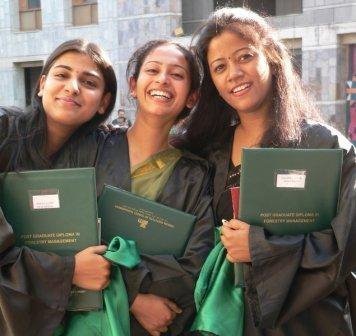 Happy memories of Convocation
One of the most valuable takeaways for me was the ability to look at problems through a systems lens. The way courses were structured – connecting management with development, environment, and policy – helped us understand that real-world challenges are rarely isolated.
That perspective has stayed with me throughout my career, especially in roles where I work with entrepreneurs and organizations navigating complex growth challenges.
The faculty at IIFM also played a big role. Professors like C.S. Rathore Sir, Yogesh Dubey Sir, and P.K. Biswas Sir brought not just academic knowledge but also personality, humor, and real-life insights into the classroom. Those interactions made learning engaging and memorable.
Equally important were the friends and batchmates. You learn as much from peers as you do from the curriculum – through group projects, debates, late-night discussions, and shared experiences. Many of those friendships have lasted well beyond campus.
 With Friends
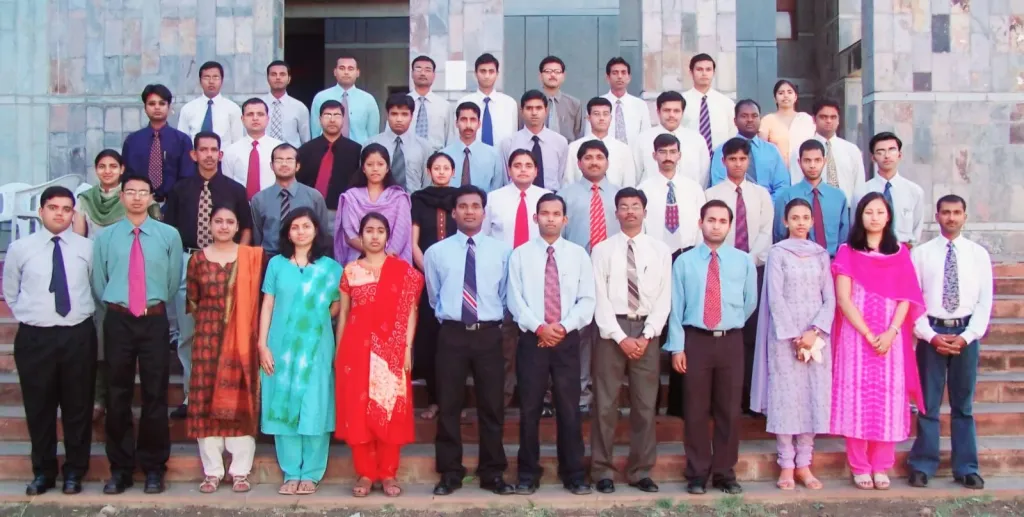 IIFM Batch 2006
And of course, the campus itself – being surrounded by nature in that peaceful setting overlooking Bhopal – created a space that encouraged reflection, curiosity, and community.
If I had to summarize it in one line, IIFM helped me develop a sense of purpose, curiosity, and the confidence to pursue unconventional paths, and that has influenced almost every professional choice I’ve made since then.
Q. As an alumni, what’s your advice to freshers or those who are joining IIFM to get the best out of the 2 years there?
A. Be curious, build strong friendships, learn beyond the classroom, and get involved in campus life. Use the two years to explore, grow, and enjoy the journey – it goes by faster than you expect.
Q. What would be your advice for recent graduates who look to change their sector after working for a couple of years?
A. Reach out to your network – you never know which fellow IIFMite might guide or support you professionally. Relationships take time, so be patient and intentional about building and sustaining them.
Q. What is your typical day at work? And what does it look like while you are on a break?
A. A typical day at work usually involves a mix of designing learning experiences, collaborating with colleagues, and working closely with our team of advisors. I spend a lot of time thinking about how to make the Stanford Seed programs meaningful for entrepreneurs – whether that’s refining curriculum, discussing program delivery with the team, or reviewing insights and feedback from the businesses we work with. There are also many conversations with colleagues across regions, so no two days really look the same. I also travel a lot for work domestically and internationally.
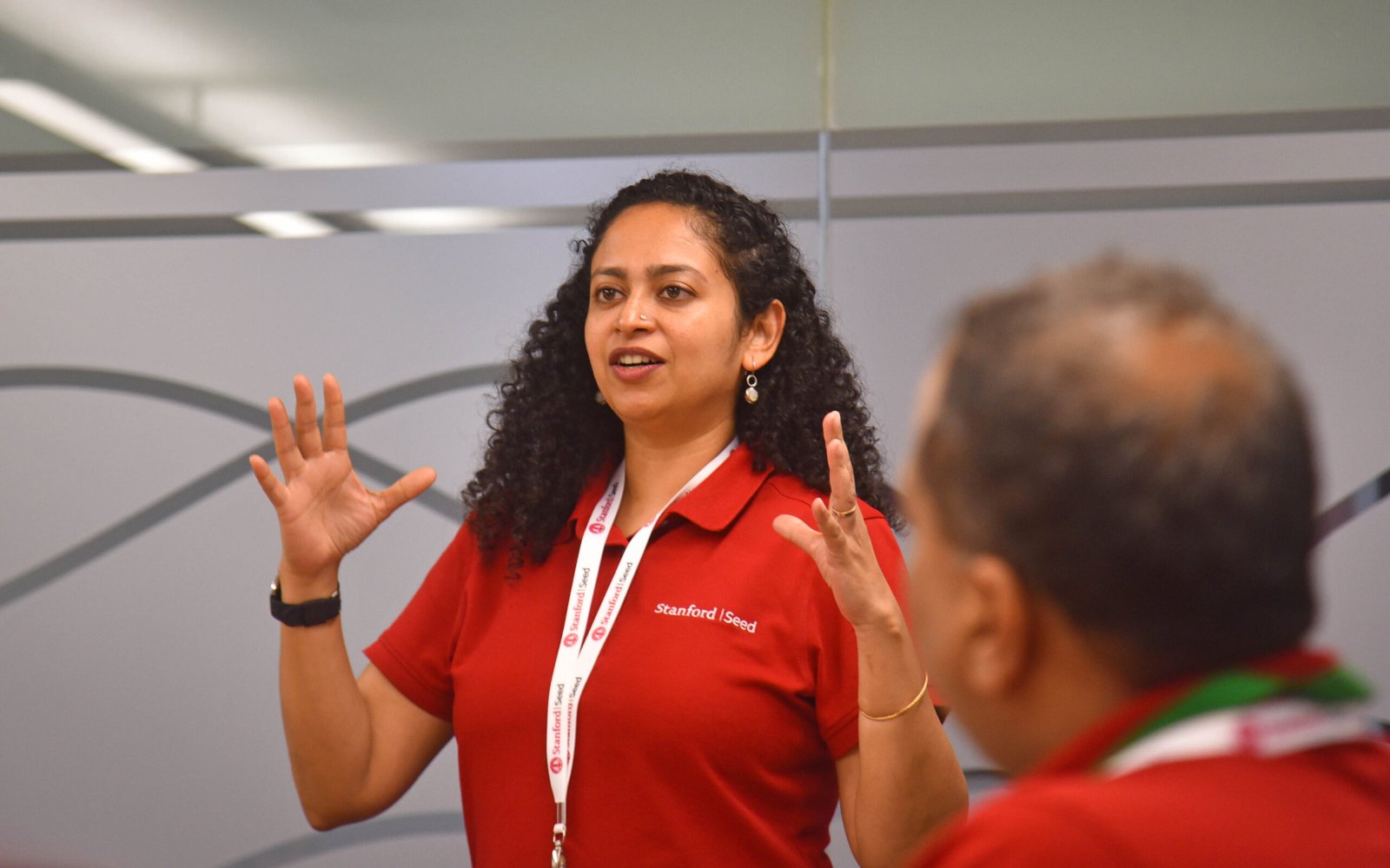 Facilitating a workshop as a Business Transformation Advisor
When I take a break, I like to change pace completely. Sometimes that means a solo trip – often to the mountains – either trekking or simply spending quiet time to recharge and find my zen. Other times it’s a family trip with my husband Thanish and our four-year-old son, and we’ve done several fun long-ish road trips starting from Delhi.
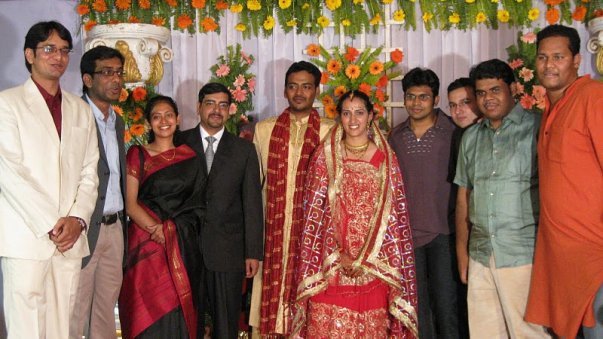 IIFM Juniors Srey & Shweta’s Wedding
I also make it a point to never stop my professional learning – for example, I spent a year doing the Stanford LEAD program. And then there are the smaller “circuit breaks”: intentionally meeting friends, spending time with their families, or visiting my own family in Bangalore. Those moments help me reset and come back to work with fresh energy.
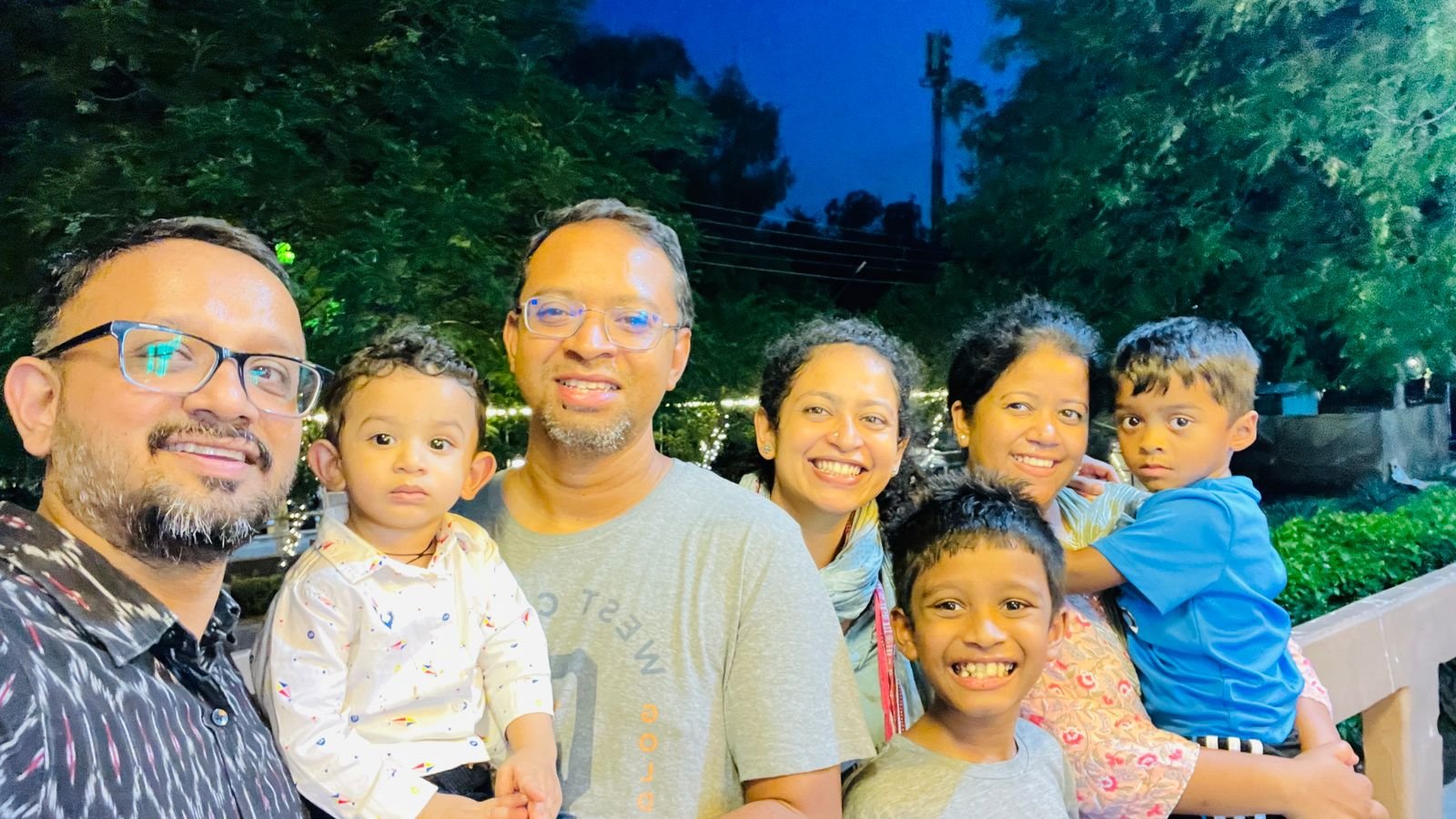 Nalini’s and our family get together@Gurgaon
Q. And how about weekends, hobbies, family and anything else you want to add?
A. Weekends are usually a mix of slowing down and spending time with family. I enjoy cooking, especially South Indian meals, which has become a bit of a weekend ritual. A lot of my time is also spent with my toddler son, mostly outdoors – parks, museums, or just letting him run around and burn off his endless energy.
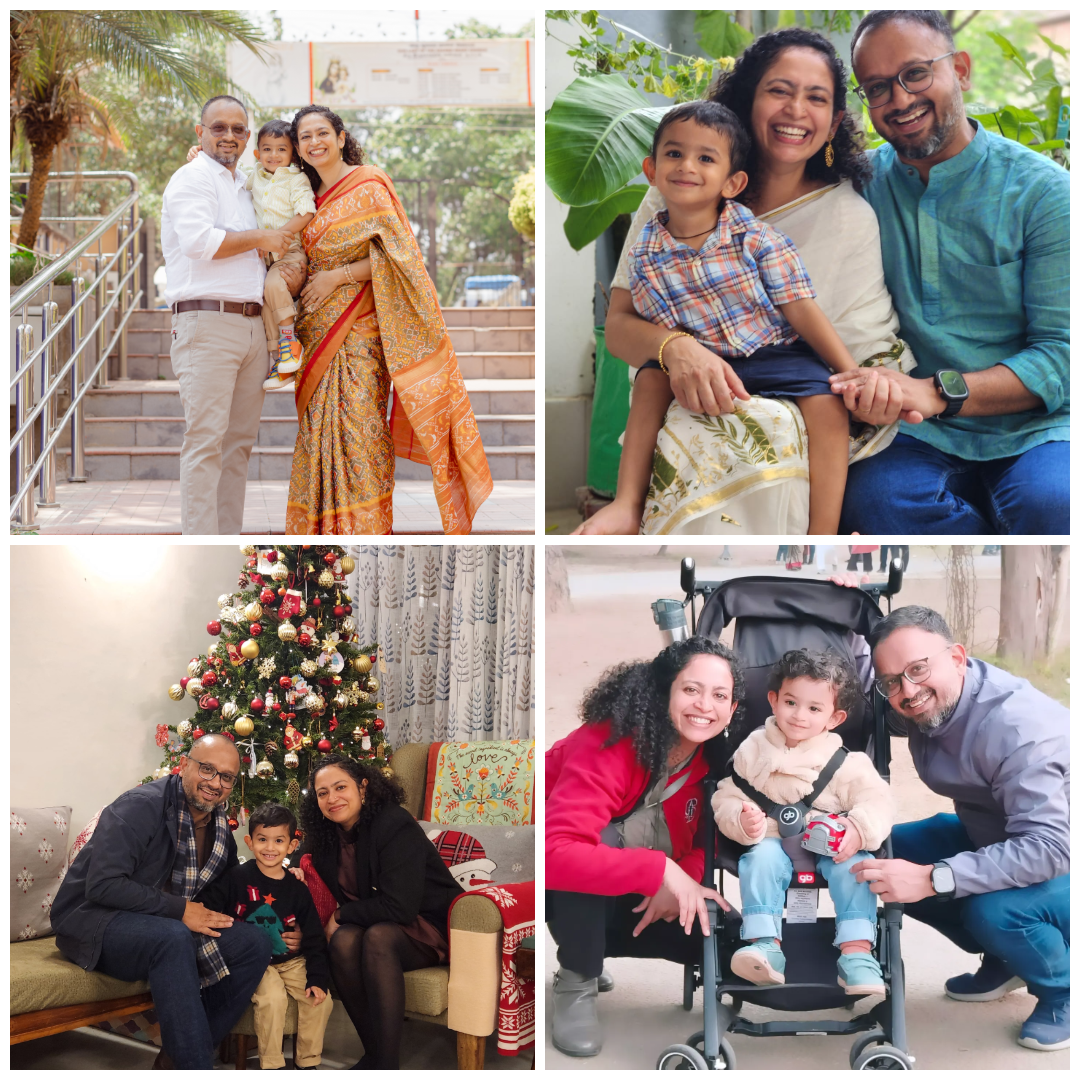 With my family
I also love spending time with our three cats, who are very much part of the family and have personalities of their own. And whenever possible, I happily take the opportunity to catch up on sleep – something that feels like a luxury these days!
Overall, weekends for me are about simple joys – good food, family time, a bit of fresh air, and rest before the week begins again.
Q. Favorite Books, movies, authors?
A. One of my all-time favorite books is Jonathan Livingston Seagull by Richard Bach. It’s a simple yet powerful story about curiosity, self-discovery, and the courage to pursue excellence beyond what others expect of you. The idea of constantly trying to become a better version of yourself really stayed with me.
These days though, I find myself reading a lot more children’s books than anything else! With a four-year-old at home, bedtime reading has become a daily ritual, so my current reading list is full of colorful stories, animals, adventures, and lots of imagination. It’s actually quite fun to rediscover the joy and simplicity of storytelling through children’s books.
Q. IIFM is driven by alumni’s passion and commitments towards its goal. How would you like to contribute to IIFM or IIFM alumni, students?
A. I would love to contribute to curriculum and pedagogy through guest lectures on entrepreneurship and business growth strategy, facilitating workshops on strategic leadership & entrepreneurship.
Q. What do you think is different at IIFM now vs when you studied there? When was the last time you visited IIFM?
A. It’s been quite some time since I last visited the IIFM campus, so I may not have the most up-to-date perspective on what has changed. That said, I would really love to come back, reconnect with the campus, and actively engage with the current batch of students.