
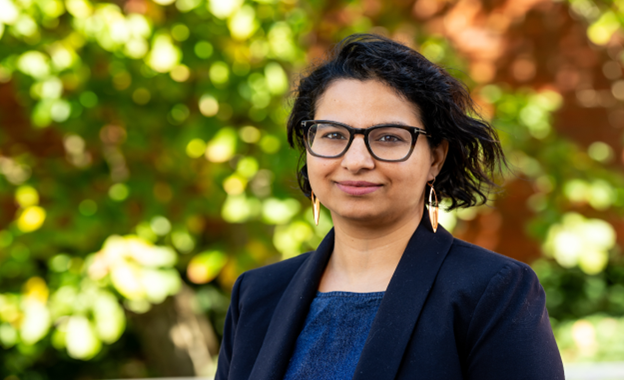
I am a quantitative social scientist focused on understanding the impacts of public policies and exploring political preferences. Post IIFM, I spent six years in the government advisory and development sector before transitioning into academia to pursue research in public policy at the University of Colorado Boulder, USA. My work now spans a wide range of questions, from political reservations, property rights, social policy, and sustainability. I am naturally gravitated towards questions on equity as to how policies create differential impacts across communities and why some groups hold different policy preferences compared to others. During my PhD, I continued to engage with applied work in environmental governance sector with the International Institute for Environment and Development and The Nature Conservancy. I have also taught courses on inequality, public policy, quantitative research methods, and South Asian politics in addition to designing workshops and guest lectures on gender and politics, survey experiments, and environment policy.
Location: Princeton, NJ, USA
Website: https://komalpkaur.netlify.app/
LinkedIn: https://www.linkedin.com/in/komal-preet-kaur/
X : https://x.com/preet_komal
Bluesky: https://bsky.app/profile/kkaur.bsky.social
Q. Tell us about your School and College before you came to IIFM. How was your experience there? And how did IIFM happen?
A. I grew up in a small town of Punjab and went on to do an undergraduate in Agricultural Sciences at Punjab Agricultural University (PAU). At that time, my interest was more towards social science subjects than science ones. So, I figured I could try sectoral MBA options. Richa Singh (PFM 2010-12) was my senior at PAU, who had joined IIFM when I was preparing for the CAT exam. With her encouragement and guidance, I applied for IIFM.
Q. How has been your journey from IIFM so far?
A. After graduating from IIFM, I was placed in the Society for Elimination of Rural Poverty (SERP) in Siddipet, erstwhile Andhra Pradesh. Personally, it was a valuable learning experience of navigating language barriers and living and traveling alone in rural areas. Even though I really wanted to continue working with rural communities, I realized the organization was not a right fit for me. A few months later, I received a call from the IL&FS Clusters in Delhi where Paramjyoti Chattopadhyay (PFM 2004-06) was steering project management and government advisory work with the Ministry of Food Processing Industries. I joined his team and spent two enriching years there gaining experience in government communication, advisory work, and project management.
I was eager to find a position that would allow me to engage with rural communities. I had a chance to join the InsPIRE Network for Environment (formerly Winrock International). This role involved traveling across rural India and broaden my perspective on international development, monitoring and evaluation, and environmental governance. I worked with InsPIRE for about 15 months and took a gap year before joining a PhD in Political Science at the University of Colorado Boulder, USA where I majored in public policy and research methodology. In 2024, I joined Princeton University as a researcher.
Q. How has been your experience in your current Organization? What areas have you been working here?
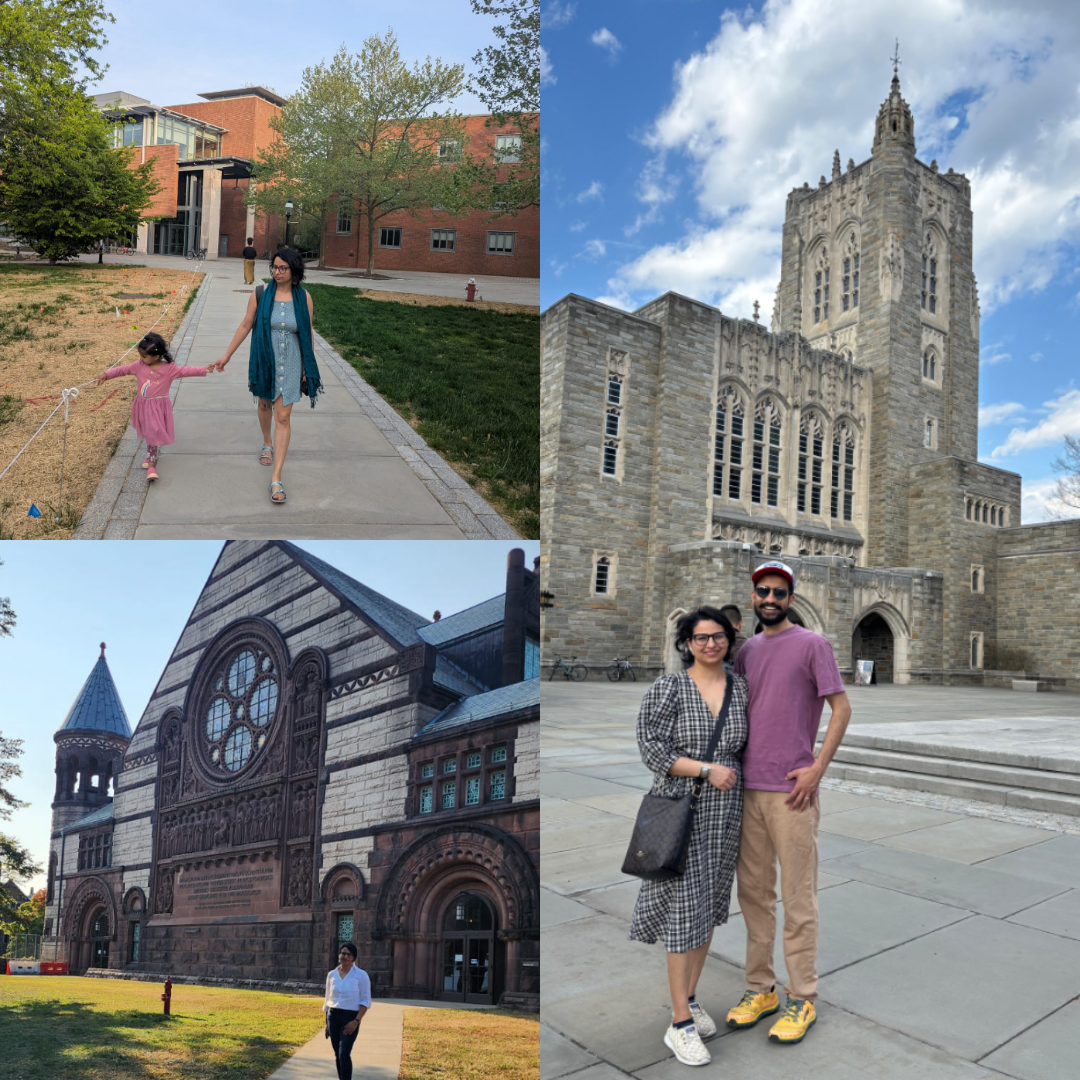
A. My time at Princeton University has been truly rewarding. I have had the opportunity to teach guest lectures and conduct workshops for Princeton students. Because the environment is so resourceful, I face the problem of plenty in deciding which seminars to attend among so many excellent options. A true highlight of my experience has been the chance to share space with renowned artists, scholars, and thinkers such as Ester Duflo, Claudia Goldin, and Richard Thaler, to name a few, which has been both inspiring and humbling.
In terms of research, I’ve been working on a diverse set of questions related to political representation, legislative behavior, public opinion, and environmental governance. Broadly, I am interested in learning how institutions and policies shape societies, especially in terms of democracy, equity and sustainability.
Q. What is the most satisfying part in your career?
A. The most fulfilling aspect of my career has been the constant opportunity to learn and grow while surrounded by brilliant minds. Collaborating with co-authors, engaging with colleagues, and being part of intellectually vibrant spaces keeps me inspired. Academia is full of unknowns, which means every day brings something new, whether it is discovering insights in the literature, analyzing data, interviewing people, or listening to others share their research. I actively seek out spaces where I am the least knowledgeable person in the room and academia offers these opportunities every single day.
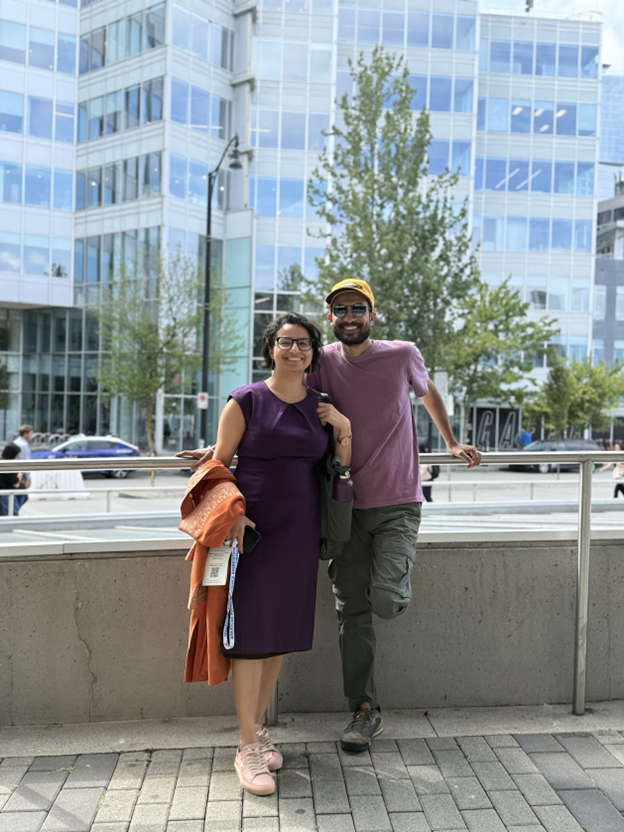
Another highlight of my career post‑IIFM has been the work-related travelling opportunities. I was able to travel extensively to the places which one would not ordinarily get to see. Later, in the USA, conferences and summer schools took me to different parts of the country and abroad.
Q. Has your learning at IIFM helped in shaping how you approach your professional roles?
A. Prof. Ujjal Sarma at IIFM taught in a class about Elinor Ostrom’s design principles that got me interested in learning more about commons and public goods. When I began exploring PhD opportunities, I sought out scholars who had worked closely with Ostrom, and that eventually led me to my PhD advisor, Krister Andersson. Although my dissertation ultimately took a different direction as I developed new research interests while pursuing my PhD, I would not have likely ended up at the University of Colorado Boulder if not for IIFM.
Field trips, guest speakers, and professors at IIFM also made me far more sensitive to the way I approach policy questions. These conversations pushed me to think critically about the role of outsiders like us when we step into policy or management spaces as to whose priorities we center and whose voices get sidelined. Policy is rarely a clean solution; it is almost always a trade‑off between competing goals. What looks efficient on paper may be unjust in practice. I learned a lot from our Professors : Bhaskar Sinha, A.K Dharni, Ujjal Sarma, Yogesh Dubey, Advait Edgaonkar, and Ashish David.
Q. What would be your advice to freshers and IIFM graduates who are looking to choose similar sectors/roles.
A. Invest in transferable skills that stay useful no matter where you eventually land. Critical thinking, communication, and basic data literacy skills travel across roles, sectors, and career shifts.
I’d also suggest remaining open to new possibilities and being willing to give things a second chance. I knew I wanted to pursue a PhD, but statistics didn’t come naturally to me at that stage; it wasn’t intuitive. I’m glad I didn’t give up and took my time. Sometimes you grow into things at your own pace.
Q. How did you decide to go for higher studies post IIFM? And how was the experience?
A. Education has always been deeply valued in my family. My grandparents had endured Partition. My parents grew up with limited means and in absence of land or business to rely on, they believed that upward mobility was only possible through education. My father, in particular, loved reading and continued to pursue higher education through distant education while providing for the family. So, I grew up in an environment where reading and learning were valued.
Before starting my PhD, I tried to prepare myself as best as I could including taking statistics courses, programming, learning academic writing, and earning a teaching certificate. The PhD itself was intense. COVID‑19, a miscarriage, and becoming a parent during this time also added its own weight to an already demanding academic life. I was either working or thinking about work around the clock.
I was fortunate to have a very supportive partner, colleagues, and mentors who helped me make the most of what the PhD had to offer including seeking out teaching and research opportunities, writing grant proposals to support my work, and building my research agenda along the way.
Q. What are your favorite memories during your IIFM days?
A. Some of my fondest memories are everyday moments spent at IIFM. I loved being woken up by peacocks in the mornings. Friday movie marathons, eating out at Sagar Gaire , Van Vihar, Clubs’ activities, fieldtrips have remained a highlight of my time in IIFM.
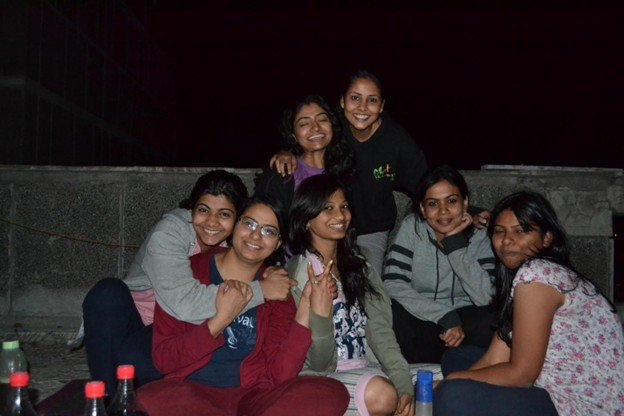
Scooty‑owners of our batch (Rashmi Sinku , Aishwarya Raman, and Ritika Aggarwal) were incredibly generous in letting us borrow their vehicles for our little excursions. And the late‑night girls’ get‑togethers were always fun; I only wish we had more of those. Hostel food overall was genuinely yummy. (This might sound controversial, but after a pretty terrible experience with hostel food during my undergrad, IIFM felt like a significant upgrade. Also, the staff members were so sweet and helpful.) I never missed having breakfast during my time in IIFM.
Q. In hindsight, what was the biggest contribution or take away from IIFM that you think played a critical role in shaping you as an individual or professional?
A. IIFM contributed in many ways that it is hard to respond to this question succinctly.
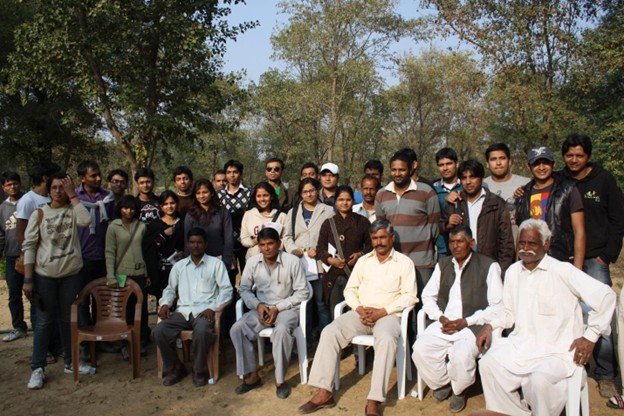
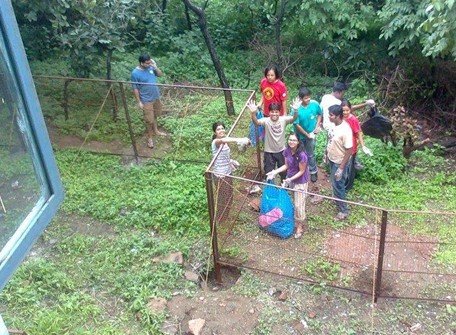
I still remember my first day trip to a village for a class in Madhya Pradesh. It was my first time exploring rural areas outside Punjab, and I realized how farmers’ lives were markedly different there. IIFM introduced me to Adivasi groups and their challenges, and it piqued my interest in questions on conservation and development. IIFM taught me to question my own biases and the prevalent assumptions around development, and to think about who benefits at whose cost.
Another aspect I truly valued at IIFM was the diversity it brought together. With peers from different states across India, I had the chance to learn about diverse cultural practices and traditions.
My career has progressed in large part thanks to the generosity and support of IIFM alumni. Richa Singh and Karan Girdhar (PFM 2009-11) and my batchmates, Vamsi, Shivanshu, and Shivin in Hyderabad helped me get through my first job in Siddipet. In Delhi, Param took a chance on me and trained me, and along with his wife Neha Pahuja welcomed me into their lives. Ankit Singh from my cohort connected me with Sunpreet Kaur (PFM 2007-09), and I ended up working with her in InsPIRE. In InSPIRE, I also worked with Swati Chaliha (MRM 2013-14) and Dr. Sushil Saigal (PFM 1991-93) during that time. Both Swati and Sunpreet have been amazing collaborators and friends to this day. Nandita Mathur (PFM 2010-12) was the best flatmate I could have asked for in Delhi. Nishant Rai, Omkar Patange , and Gyan Prakash, all from PFM 2010-12, have all been part of my time in Delhi. I am also grateful to Dr. Sushil Saigal and Prof. Anirud Dharni for their time and support in writing recommendation letters.
In a nutshell, IIFM alumni have been an incredible source of support, guidance, and inspiration throughout my career. They have helped me navigate career transitions to opening doors to new opportunities; they have consistently shown generosity with their time, knowledge, and encouragement. I hope to pay forward the generosity and support I’ve received from the IIFM community.
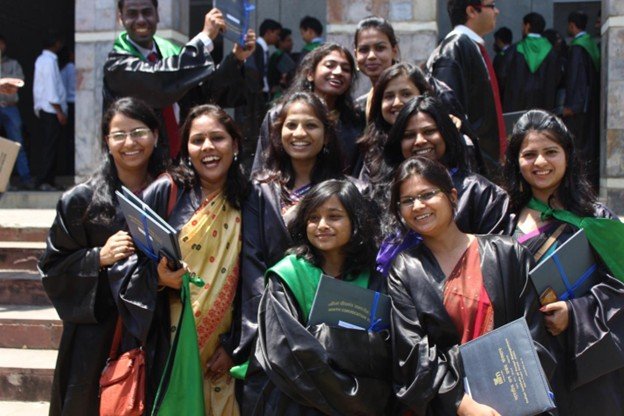
Q. As an alumnus, what’s your advice to freshers or those who are joining IIFM to get the best out of the 2 years there?
A. I do feel that I would have personally benefitted had I spent more time investing in critical thinking and communication skills during my time at IIFM. I’d recommend students to consciously build these capacities; because they matter at every step of life, no matter which professional path one eventually chooses.
These two years at IIFM are an ideal period to train the mind to question, analyze, and reason. Classroom learning mostly focuses on completing assignments or mastering technical content, so there may be limited opportunities to practice building arguments, identifying weak logic, or engaging deeply with ideas. Yet these skills are more needed when AI can handle routine tasks.
Reading across genres, disciplines, and perspectives worked for me for building these skills.
Q. What was your typical day at work?
A. I do not have regular teaching commitments in my current position, my days are fully devoted to research. I am working on several projects at different stages, so a typical day could involve analyzing data, writing, or reading depending on where each project stands. Other than scheduled meetings with co‑authors, I have a lot of flexibility in how I structure my time. That often means slow, unhurried breakfasts and lunches. That also means that I am often working after dinner or on weekends.
Q. And how about weekends, hobbies, family and anything else you want to add?
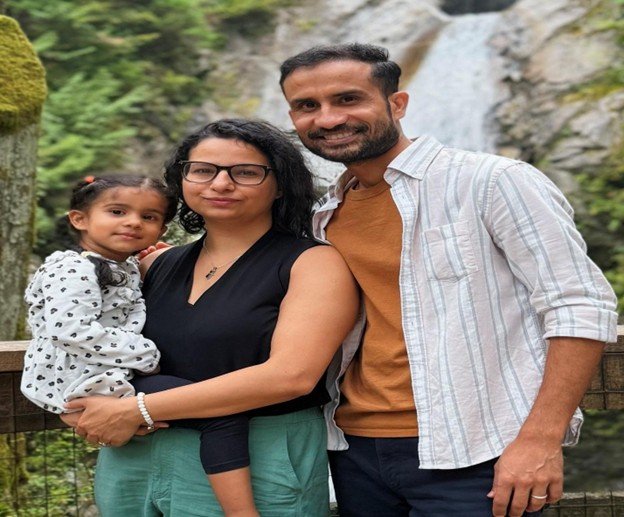
A.My partner and I are trying to make the most of what East Coast of the US has to offer in terms of arts and culture. We sometimes travel either New York or Philadelphia to attend concerts and other events.
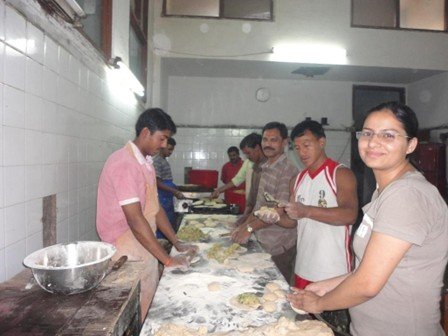
I enjoy cooking and hosting friends. We often go to the local public library. Chores are more bearable while listening to my favorite podcasts (Anurag Minus Verma and NewsLaundry, to name a few).
Q. Favorite Books, movies, authors?
A. Sadly, being in academia means I no longer read for pleasure the way I did throughout my life before joining my PhD. Of late, I have enjoyed writings of Sara Ahmed, Aatish Taseer, Angela Saini, and Josy Joseph.
Among movies and web-series, fresh on my mind are Girls will be Girls, All India Rank, Veep, and Homebound.
Q. IIFM is driven by alumni’s passion and commitments towards its goal. How would you like to contribute to IIFM or IIFM alumni and students?
A. I would love to pay forward the generosity that IIFM alumni have extended to me over the years. One way I can contribute is by supporting students in their professional development. Students are welcome to email me and set up a meeting if they have questions about framing strong applications for further studies, including reviewing cover letters, statements, CVs, and emailing potential employers/advisors/mentors. I learned many of these skills the hard way, and in my view, the students who would benefit the most from these skills often have the least exposure to them. In that sense, I’d like to help demystify the hidden curriculum of networking for higher studies abroad.
Q. Any suggestions on who you want to get profiled/interviewed here?
A. Kiran K.P., Arun Sreekumar, Richa Singh, Nandita Mathur, Sushil Saigal, Preksha Sirsikar