
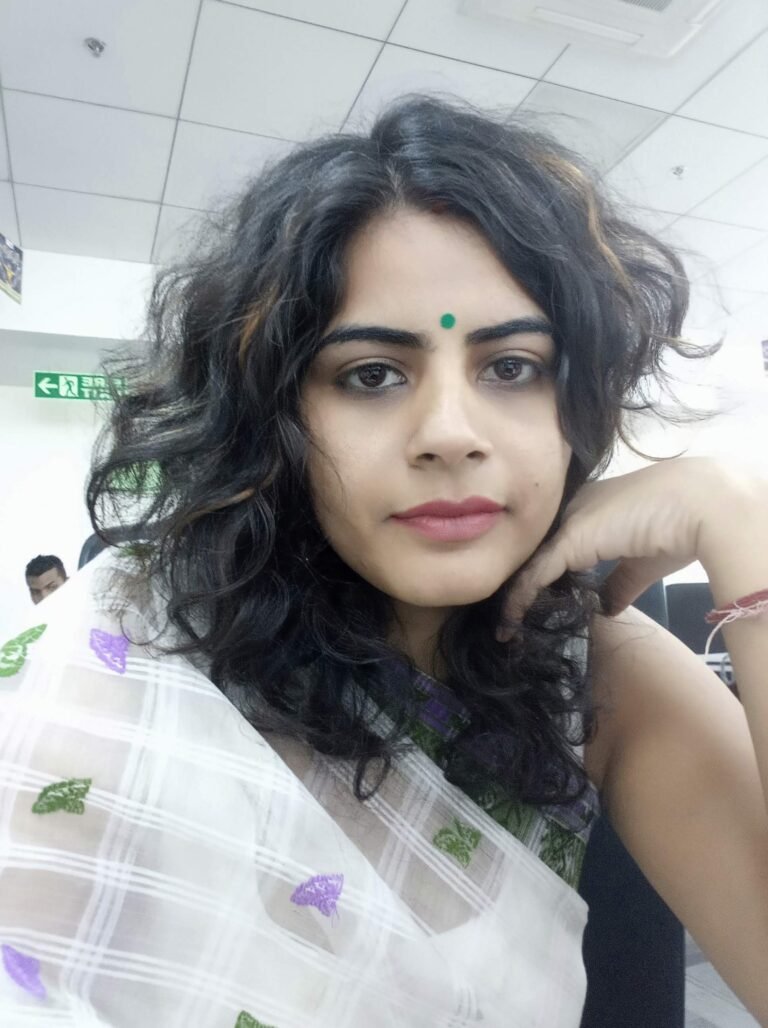
I grew up in a small town in Haryana, studied engineering, and then moved to IIFM, which became the starting point of my career.For the last seventeen years, I have worked across payments and lending domains in business and product roles, now focussed on digital lending at SMFG.
Life has stayed balanced with work, my husband Rajarshi, and our twin boys — each phase adding its own shape to who I am.
Location: Mumbai
LinkedIn:https://www.linkedin.com/in/bela-arora-16490b13
Q. Tell us about your School and College before you came to IIFM. How was your experience there? And how did IIFM happen?
A. Like most in our generation, I aspired for an independent life—professionally, financially, and emotionally—and to get there I had to step out. In those days, there were typically two clear paths if you wanted to build a stable career: medical or engineering. I chose engineering and completed it from Kurukshetra University. But very early on, I realised that if I wanted my career to be meaningful financially and built on a strong footing, an MBA was the natural next step.
I did decently in CAT and received calls from good B-schools. But at that stage of my life, the big-city settings of Mumbai and Delhi felt intimidating. Coming from a small town, I found myself connecting far more naturally with Bhopal and the IIFM campus. It felt relatable, comfortable, and grounded—much closer to who I was at that time. So yes, that sense of familiarity and relatability probably played the biggest role in my decision.In the end, choosing IIFM was a simple, instinctive choice—a place where I felt I could begin my journey.
Q. How has been your journey from IIFM so far?
A. Seventeen years since I walked out of IIFM. I arrived there as young – immature ,still learning my own shape. Since then, life has unfolded in small steps, each one shaping me in its own quiet way. At IIFM, I met my husband, Rajarshi Dutta Barua. What began as a simple classmate connection has now become the centre of my personal life. Our twin boys, now six and a half, bring great energy to my days—sometimes noisy, always grounding. Through them, I am reminded of balance, patience, and presence.
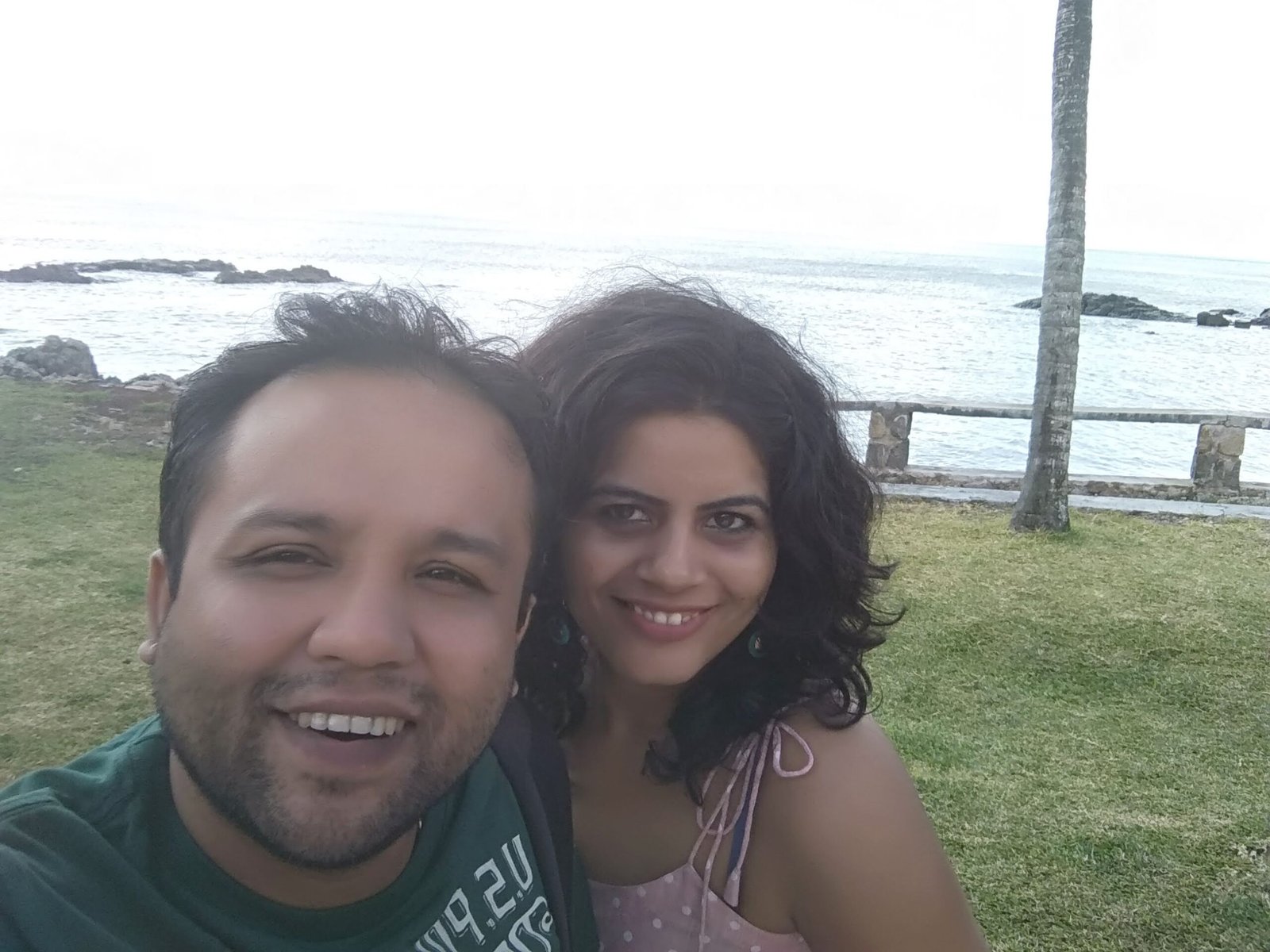
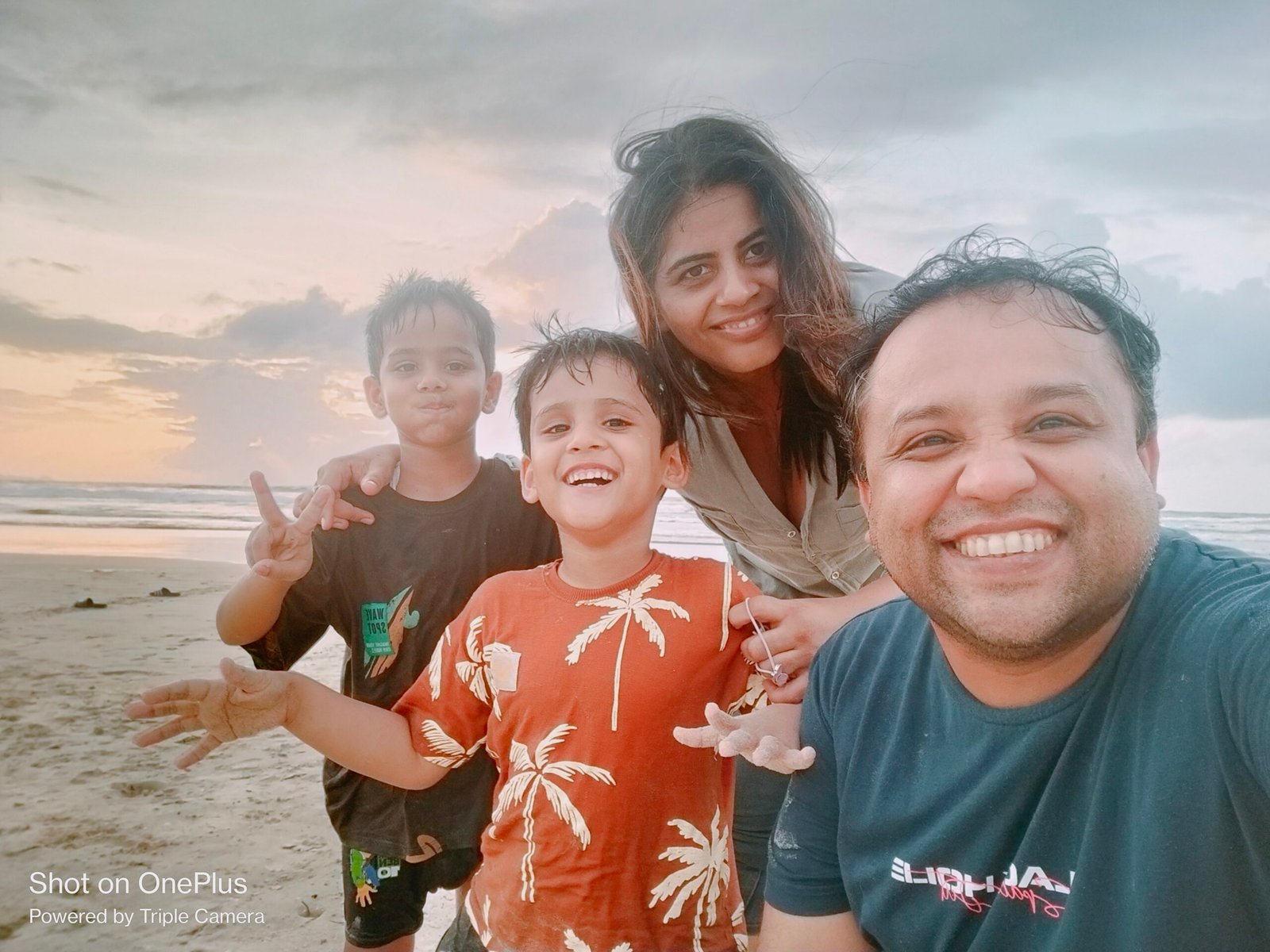
My career has grown steadily in the financial services sector, and I now work with SMFG India Credit in digital lending. I’ve grown through different roles over the years in payments and lending domains.
Q. How has been your experience in your current Organization? What all areas have you been working here?
A. At SMFG, I work in digital lending, mostly through partnerships with fintechs. It’s a space that moves fast, which keeps things interesting. Every few months, something new comes up — new models, new tech, new regulations — so there’s never really a dull moment. What I enjoy most is how data-driven everything has become. Lending today isn’t just gut feeling or basic scoring; there’s a lot of smart data work happening in the background.
The use of AI has made things even more exciting — it changes how we assess risk, understand customers, and build better journeys. The regulatory side keeps us on our toes too. Digital lending has a lot of focus on compliance, and that means we’re always adapting, refining, and making sure we’re moving in the right direction .Overall, my experience has been dynamic. The pace of innovation in this industry forces you to stay sharp, stay curious, and keep learning. And I like that — it keeps the job fresh.
Q. What is the most satisfying part in your career?
A. The most satisfying part of my career is that there are no dull moments. The pace of change in digital lending keeps me constantly learning. There’s always something new — innovation, data, tech, regulation — and that energy keeps the work exciting. Staying on my toes, staying curious, and never feeling stagnant is what I enjoy the most.
Q. Has your learning at IIFM helped in shaping how you approach your professional roles?
A. IIFM helped me take the first and most important step — getting my first job and entering the industry (Fino Paytech) through campus placements. That’s where my professional journey really began. Beyond that, the experience helped me grow up as a person — learning to work with people, meet timelines, and deliver consistently. Those early habits stayed with me and shaped how I approach my work even today.
Q. Who (or what) are the biggest influences or drivers in your careers? What would be your advice to freshers and IIFM graduates who are looking to choose similar sectors/roles.
A. One of the biggest influences in my career has been my first manager. He taught me how the industry really works, what to focus on, and how to deliver consistently. His mentorship in those early years shaped a lot of my working style.
My advice to freshers and young IIFM graduates
- Focus on academics, but learn beyond what is taught in class.
- Build your own understanding — the industry expects that.
- Take two internships(now called SI & Project Work) seriously
- Work on communication. Clear writing and articulation matter everywhere
- Keep your eyes open to the industry. Understand what’s changing, what’s trending, and where things are heading
- Be aware of trends like data, AI, and analytics—these are just examples of the skills shaping the future of digital roles
- Stay adaptable
- Most importantly- enjoy your time at IIFM
Q. What are your favorite memories during your IIFM days?
A. My best IIFM memories? Definitely the grasslands trips, chasing sunsets, lamppost gossips, skits that went off-script (Ashish Thekk, Shweta Sharma– Genda Script), and dance nights that turned into full-blown laughter riots. Some hilarious memories from our field trip in Jharkhand (Swati Mehta, Dhruv Tiwari– remember the interactions over tea with the IFS officer in Koderma?)
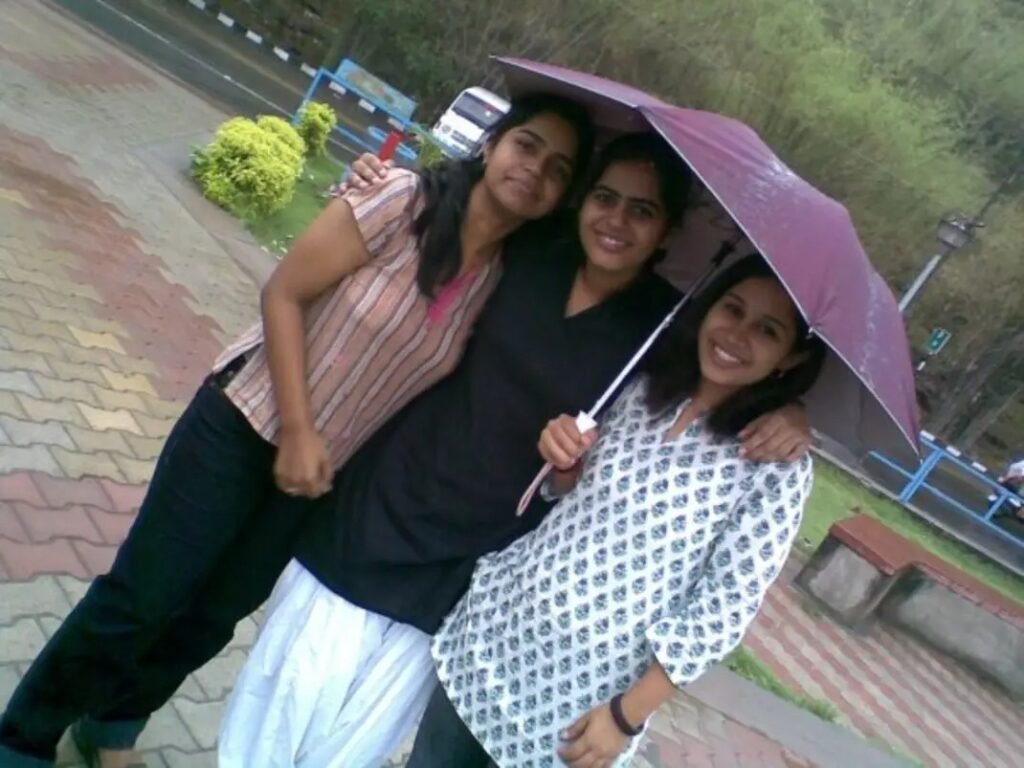
And the real fun came from the company — Gitesh, Swati, Vartika, Ashish Thekkekara, Biswajit, Saurabh, Jayanta, Harish, Lakshya, Deb, Ritwajit Das and ofcourse Rajarshi. With that bunch, even the most ordinary day turned into a story 🙂
Q. What would be your advise for recent graduates who look for changing their sector after working for couple of years?
A. My advice is that your career is a marathon, not a sprint. There will be highs and lows, and when things feel slow or uncertain, just hang in there. Life changes — especially for women when family or children come into the picture — and it’s natural for priorities to shift for a while. Your career may slow down temporarily, but that doesn’t mean you’re losing momentum. You’re growing in other parts of your life. The key is to stay connected to your career, even if the pace changes. You will bounce back, and often with more clarity and strength. So if you want to switch sectors or restart after a pause — it’s absolutely fine. Be patient with yourself, stay open to learning, and trust that progress doesn’t have to be linear.
Q. What is your typical day at the work? And how does it look like while you are on a break?
Typical Day at Work:
A. I lead merchant lending at SMFG, which is currently a focus area for the company. My role is on the business side, so most of my day is packed with meetings — both internal and with fintech partners. A lot of it revolves around working with my team, driving targets, and keeping an eye on the portfolio. And honestly, the credit side of things can get a bit boring, but it’s part of the job and keeps the structure in place!
Break from Work:
On a break, it’s a completely different world — it’s all about my three boys ( Rajarshi, Coco and Momo). That’s where all my time and energy go, and that’s the fun part of my day.
Q. IIFM is driven by alumni’s passion and commitments towards its goal. How would you like to contribute to IIFM or IIFM alumni, students?
A. IIFM needs to increase exposure of its students to the industry, especially the corporate sector. These should be more alumni (and other industry experts that we can bring in) visiting the campus for interactions with the students, sharing real experiences and giving them how the market is moving. The curriculum also needs to stay aligned with industry needs. That’s where academic leaders should actively reach out to alumni, listen to feedback, and make updates that reflect how fast things are changing outside. I will definitely do whatever best I can here with IIFM.
Placements will be an easier offshoot of such initiatives.
Q. What do you think is different at IIFM now vs when you studied there? When was the last time you visited IIFM?
A. Its been a long time I visited the place and have limited contact with Students. Not sure what has it been now.One thing I do notice, though, is that I rarely come across IIFM graduates in the core corporate sector that I work in now. It’s not good or bad — just an observation, and something that makes me think the institute could build stronger linkages with mainstream corporate roles. That said, because I haven’t been on campus in years, I can’t comment in detail on how things have changed internally. My hope is that the institute continues to evolve with the industry and strengthen its presence in broader corporate spaces.
Q. Any suggestions on who you want to get profiled/interviewed here?
A. Amol Bhalerao, Gitesh Joshi