
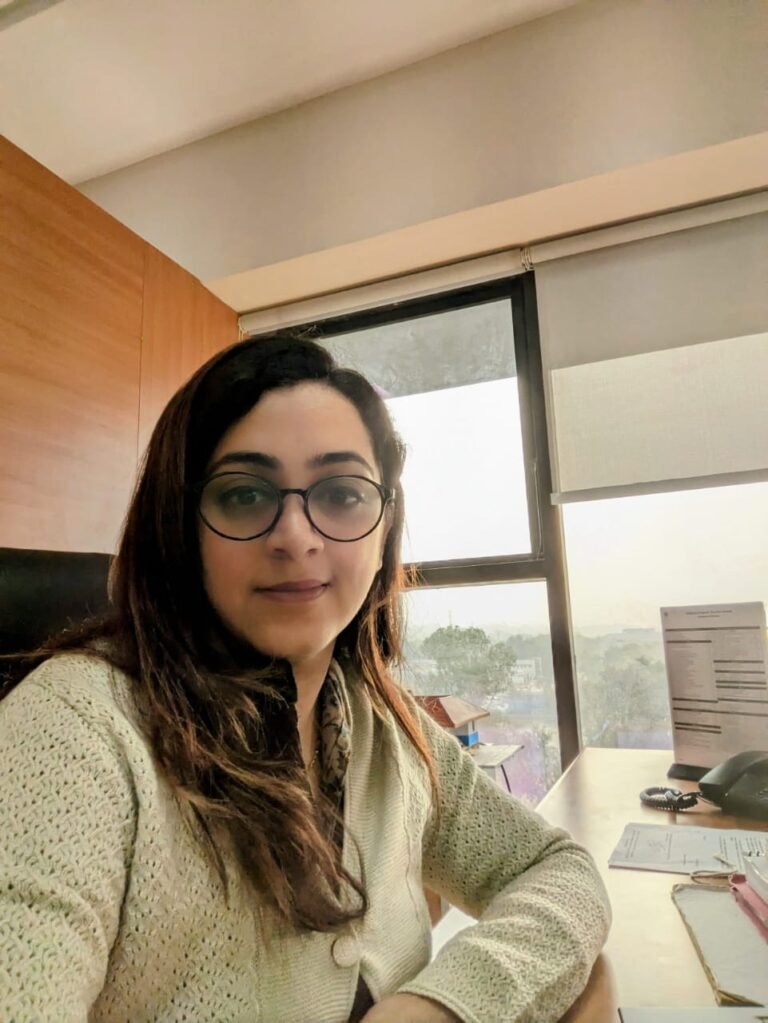
With over two decades of professional experience, Veenal Raichandani brings a rich and versatile perspective across gender mainstreaming, inclusive digital finance, and sustainable development.
She began her career with a grassroots NGO–MFI, gaining first-hand exposure to community realities, which laid a strong foundation for her later work in consultancy and policy advisory roles focused on gender and sustainability.
Currently, she serves as an Advisor to the Government of Madhya Pradesh, Department of Tourism, where she is engaged in shaping policy and implementation frameworks to position rural tourism as a new frontier under the Responsible Tourism Mission. Her work advances a triple mandate—curating authentic, affordable, and eco-friendly accommodation options; making tourism more inclusive; and ensuring that destination carrying capacity is respected so that tourism actively contributes to environmental conservation rather than degradation. Central to this approach is enabling communities to preserve their natural environment while earning sustainable livelihoods.
Over the years, she has collaborated with eminent institutions such as NABARD, WRI India, WaterAid, and MP-SRLM, contributing to initiatives at the intersection of policy, practice, and community impact. She strongly believes that meaningful engagement in public policy and advisory work must be rooted in early exposure to grassroots institutions, where development challenges and solutions are best understood in their real-world context.
Location: Bhopal
Linkedin : https://www.linkedin.com/in/veenal-sukhwani-57012b44
Q. Tell us about your School and College before you came to IIFM. How was your experience there? And how did IIFM happen?
A. Before joining IIFM, I completed my graduation in Commerce from Barkatullah University, Bhopal. My college years helped me build a solid grounding in financial accounting, economics, and business management.
Coming to IIFM was not something I was consciously chasing at that time—it almost happened by chance. However, once I landed here, it opened up an entirely new world for me. The interdisciplinary learning at IIFM exposed me to dimensions I had never explored earlier, particularly around community development, sustainability, environmental governance, and the human side of development. It helped me connect my business background with purpose-driven work and gave me a deeper, more systemic understanding of social impact, which has since shaped my professional journey.
Q. How has been your journey from IIFM so far?
A. The journey after IIFM has been deeply fulfilling, both personally and professionally. For me, “janmbhoomi hi karam bhoomi” was not a coincidence but a conscious choice. Being married to a practicing cardiologist in Bhopal, I took an early decision to prioritize family and chose not to relocate in pursuit of new career opportunities.
This decision allowed me to shape a meaningful professional journey while remaining rooted in Bhopal. In many ways, the Almighty and the universe have been kind—offering continuous learning opportunities and enabling me to contribute meaningfully, all the while being based in the city I call home.
I began my professional journey with a grassroots organization led by the former Chief Secretary of Madhya Pradesh, Mrs. Nirmala Buch, who was also the first woman Chief Secretary of India. Working closely with her for over 13 years was a transformative experience. She not only exemplified administrative excellence but also instilled in me a deep understanding of nuanced decision-making, conflict resolution, convergence and governance ethics.
During this period, I was deeply involved in microfinance operations—right from fundraising with banks and NBFCs to expanding portfolios in underserved districts, developing operational manuals, and conducting capacity-building programs. The program was supported by apex institutions like NABARD and SIDBI, and the experience helped me understand the critical intersection between government systems and civil society organizations.
This foundational exposure equipped me with the acumen required for consultancy and advisory roles. Over time, I transitioned into assignments with international organizations such as NABCONS, WaterAid and World Resources Institute, multilateral institutions like the World Bank, and state-level advisory roles with MPSRLM and the MP Tourism Board.
Over the past two decades, I’ve had the opportunity to work across diverse thematic areas—rural livelihoods, financial inclusion, digital finance, gender mainstreaming, WASH, and sustainable tourism. My journey has consistently evolved from grassroots project implementation to strategic leadership roles that influence policy, build systems, and drive convergence across stakeholders. It’s been a purpose-driven journey of continuous learning, impact, and meaningful collaboration.
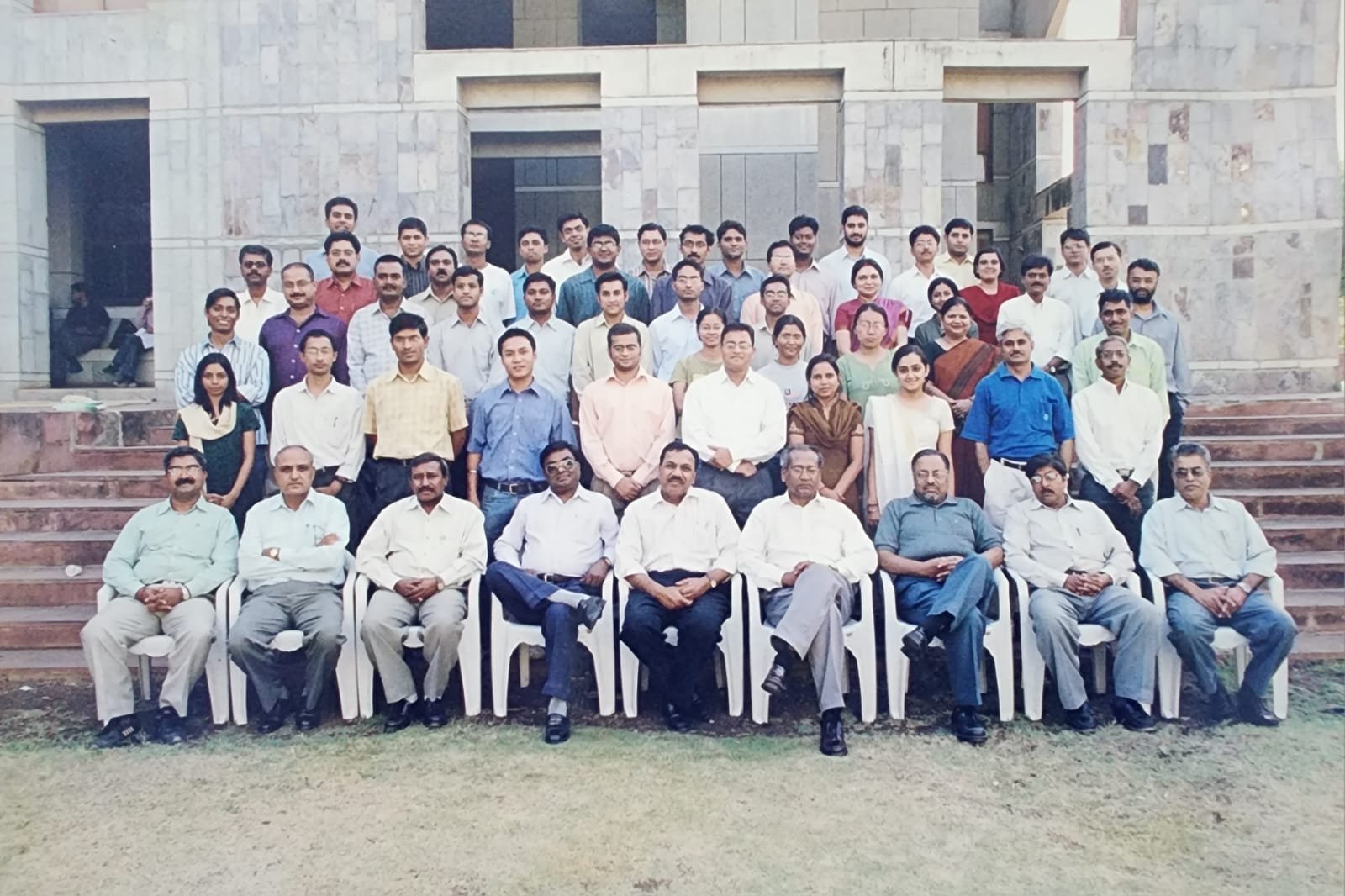
Q. What were some of the key milestones or learnings in this journey that you would like to share with us?
A. Over the course of my career, I’ve had the privilege of leading and contributing to several transformative initiatives. A few key milestones stand out:
● Digital Financial Inclusion & Policy Innovation:
As part of the World Bank-supported National Rural Economic Transformation Program (NRETP), I led the design and implementation of a large-scale digital financial inclusion initiative in Madhya Pradesh. This included formulating the State Policy on Financial Digital Inclusion, with a focus on digitizing SHG transactions. I also had the opportunity to be part of the national dialogue on SHG digitization and women-led banking models through the BC Sakhi program—an experience that deepened my understanding of tech-enabled grassroots banking.
● Pioneering Climate Finance & Gender-Focused Enterprises:
During my tenure with the World Resources Institute and through the DFID-funded Poorest States Inclusive Growth (PSIG) program with SIDBI/NABARD, I was involved in spearheading gender-centric enterprise promotion and climate finance strategies. One notable achievement was designing a hybrid funding pilot that successfully blended CSR resources with government schemes like MNREGA and MPSRLM. The model involved a research institution as a knowledge partner, CSR support for HR and admin, and government funds for on-ground implementation. With active involvement from the district administration, the pilot was successfully executed in Sidhi, Madhya Pradesh, and later scaled to other districts in MP and Maharashtra.
● Community-Based Rural Tourism under MP Tourism Board:
As part of the Responsible Tourism Mission, I have supported the development of sustainable, community-led tourism models. These initiatives are aimed at reducing pressure on mainstream destinations by creating alternative tourism circuits centered around rural homestays. These “tourism villages” offer authentic experiences of rustic village life and are designed with eco-friendly infrastructure aligned with the Net Zero principles, ensuring tourism’s ecological footprint remains minimal.
Each of these milestones has significantly contributed to shaping my systems-thinking approach. They reaffirmed the power of convergence, innovation, and multi-stakeholder alignment in building scalable and sustainable development models.
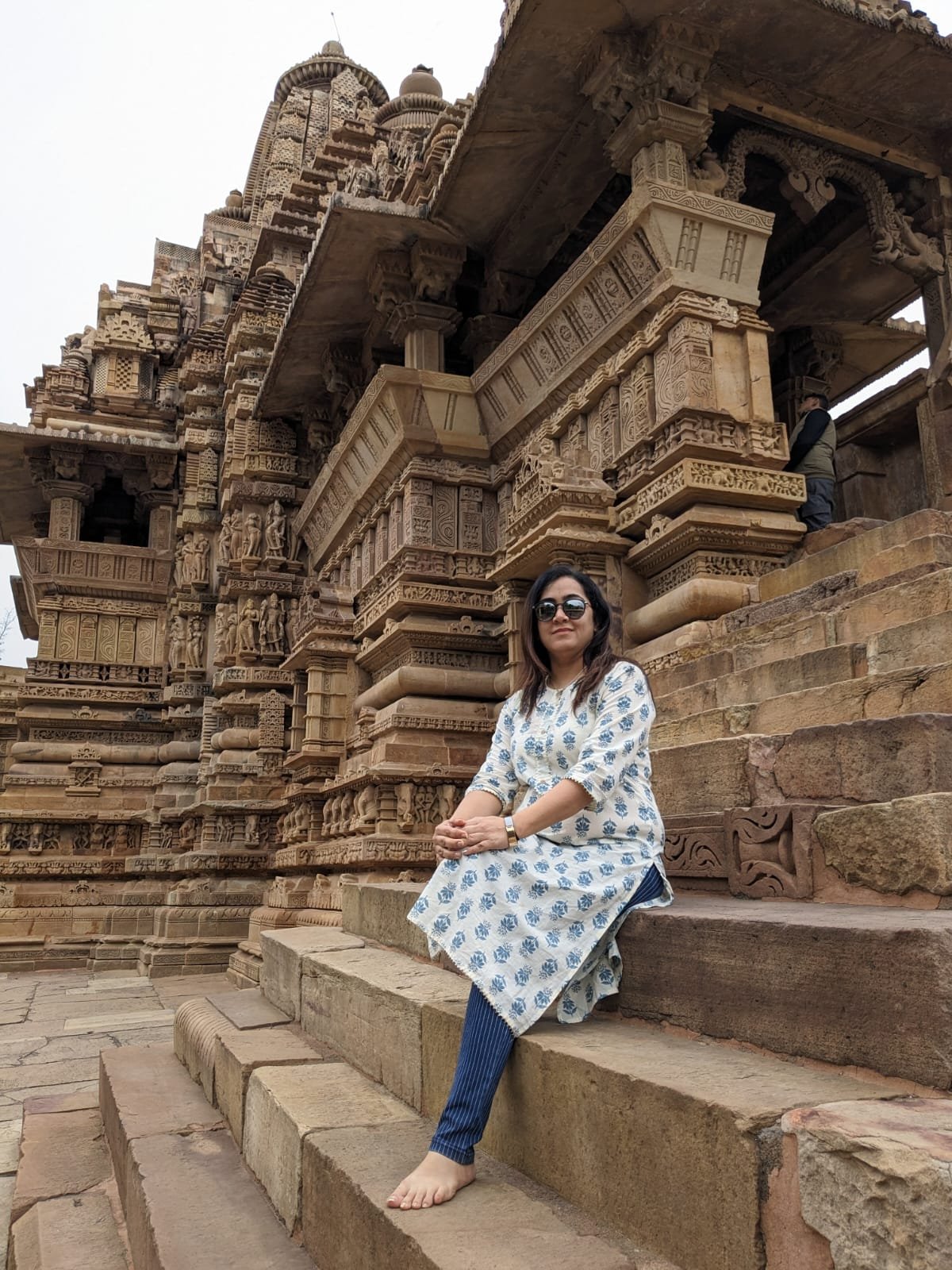 At UNESCO World Heritage Site, Khajuraho
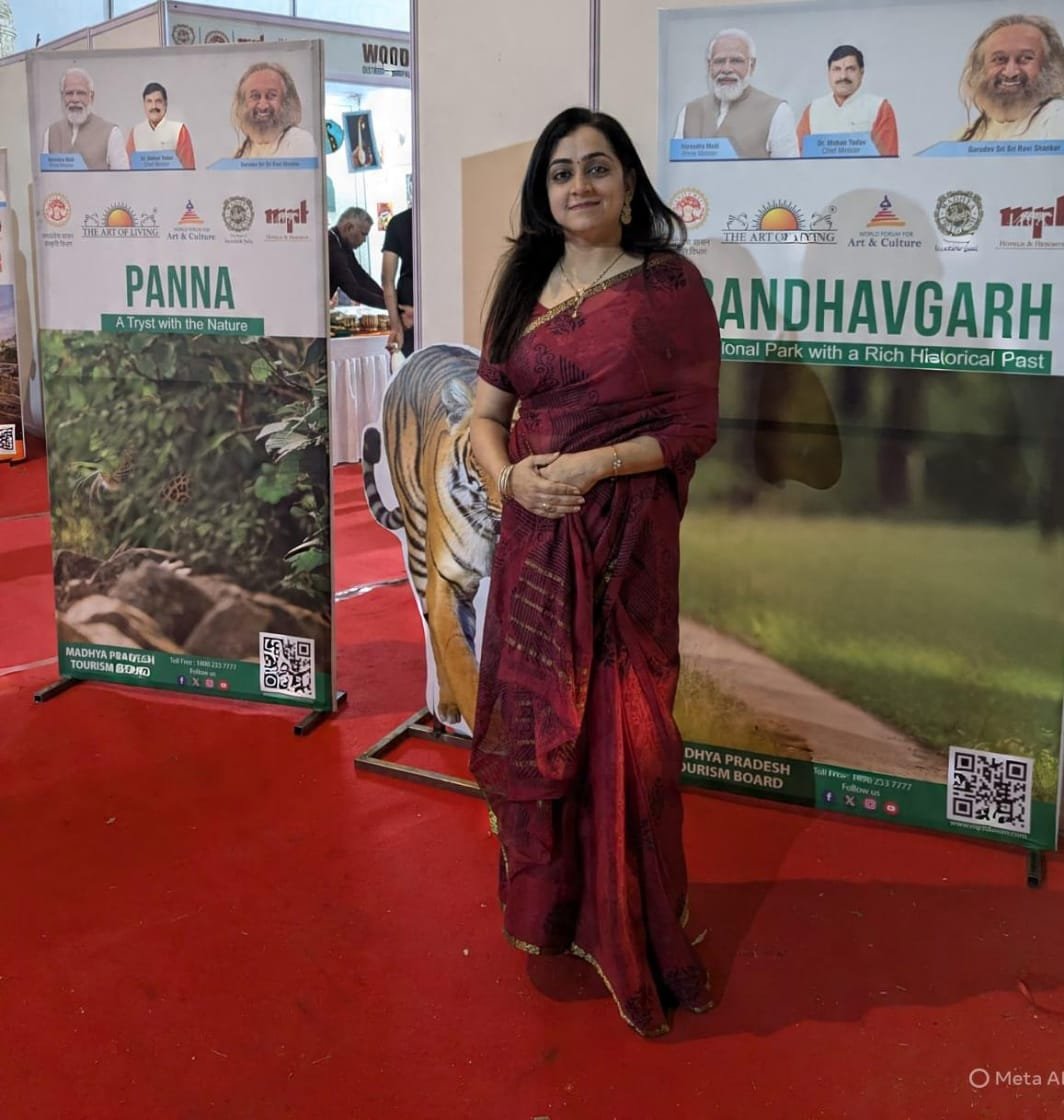
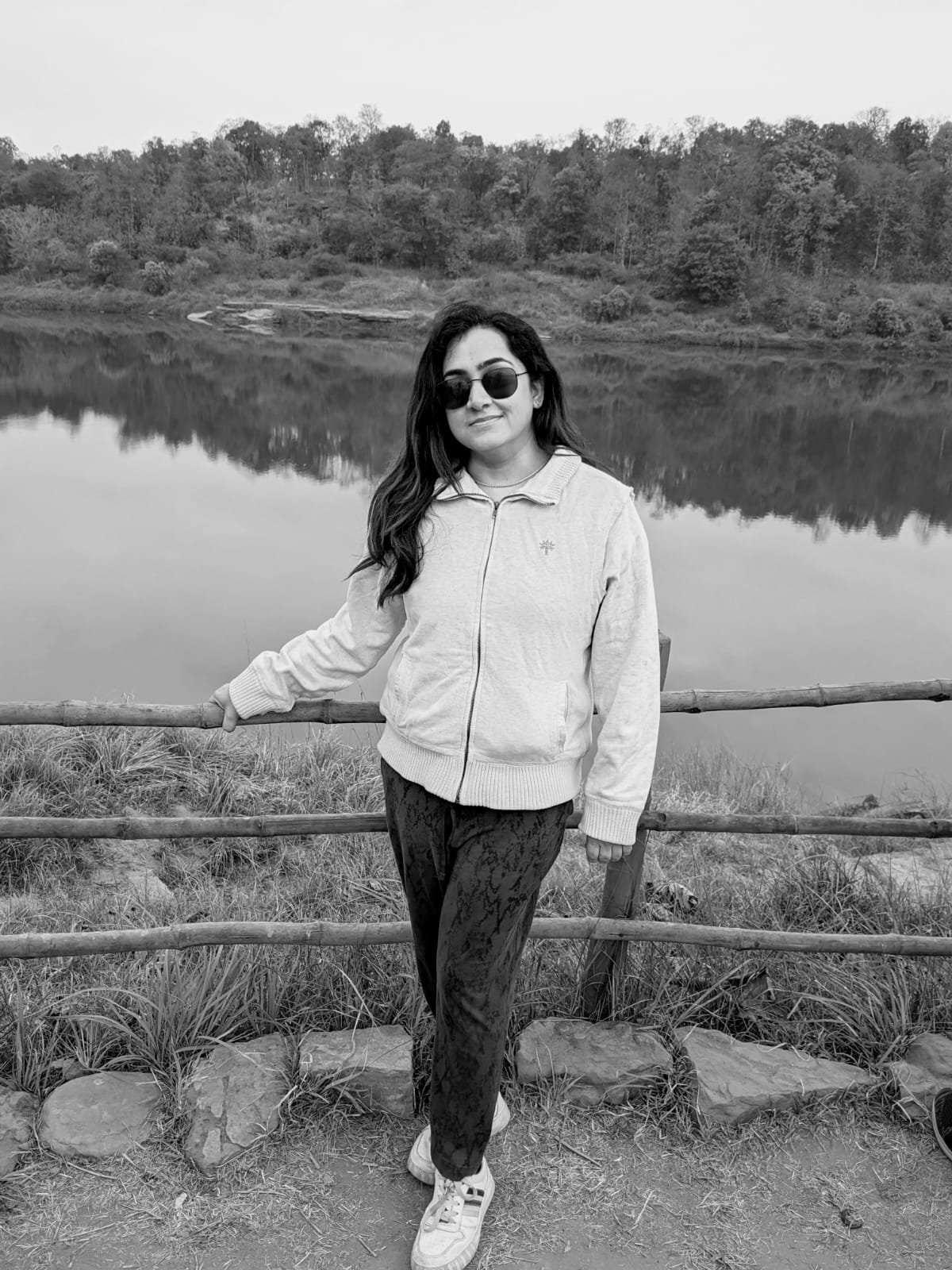 At Panna Tiger Reserve
Q. How has been your experience in your current organization? What all areas have you been working here?
A. At the MP Tourism Board, I currently serve as a Sustainability Advisor leading rural tourism interventions under the Responsible Tourism Mission. My work spans developing tourism circuits in underserved areas, promoting green-rated homestays, leveraging convergence with missions like SBM and JJM, and building the ecosystem for climate-resilient and gender-inclusive tourism models. It’s a very unique experience and opportunity to blend sustainability with economic development in a fascinating industry like tourism.
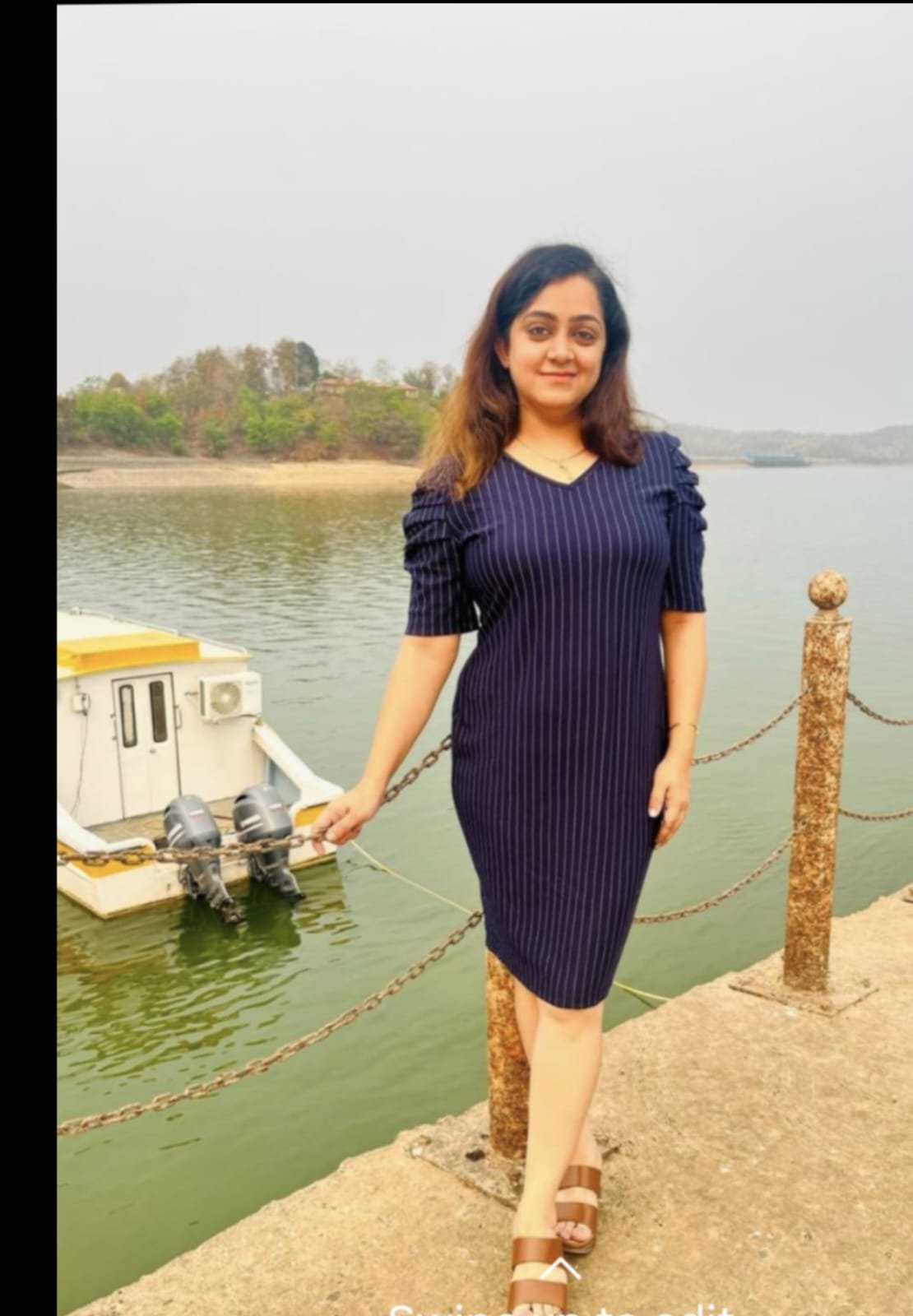 At Salani Island, Madhya Pradesh
Q. What is the most satisfying part in your career?
A. The most satisfying part has been the tangible impact of my work—whether it’s enabling doorstep banking through womenBC Sakhis, witnessing tourism transform village economies, or mainstreaming gender in financial and livelihood programs.Seeing policy translate into meaningful change on the ground is deeply rewarding.
Q. Has your learning at IIFM helped in shaping how you approach your professional roles?
A. Absolutely. IIFM instilled a systems perspective and a strong foundation in sustainable development. Courses in microfinance and rural livelihoods laid the academic groundwork.
The field-based learning modules and exposure to real-world challenges through Organizational Trainings (Now called SI & Project Work) prepared me to navigate the complexity of development programs with empathy and pragmatism.
Q. Who (or what) are the biggest influences or drivers in your career? What would be your advice to freshers and IIFM graduates who are looking to choose similar sectors or roles?
A. I believe every senior colleague I have worked with has contributed to my learning in meaningful ways. Each professional journey, each leadership style, and every challenge offers lessons—provided we remain open and receptive. To name just one or two would not do justice…
However, the most profound influence on my career has been the grassroots women I engaged with early on in my career.
One turning point that deeply shaped my direction was an interaction with a young adolescent girl in a remote village of Madhya Pradesh. She asked me a simple yet powerful question:
“Why can’t we get jobs that require working on laptops like women in urban areas?”
That moment challenged conventional thinking and inspired me to question the narrative of rural livelihoods being limited to dairy or agriculture. It ultimately became the driving force behind my work in digital financial inclusion.
This field insight led me to formulate the State Policy on Digital Financial Inclusion in 2022, enabling rural women to take on technology-driven roles such as Banking Correspondent (BC) Sakhis, managing biometric transactions and bridging the digital divide in their communities—all while earning a sustainable livelihood.
For freshers and young professionals, especially those from IIFM looking to work in similar sectors, my advice would be:
● Build depth in your chosen domain, but remain open to cross-sectoral and interdisciplinary learning—it’s where innovation often lies.
● Understand the policy landscape, but also ground yourself in implementation realities.
● Most importantly, embrace field immersion in the early stages of your career. Engaging directly with communities shapes not only your empathy but also sharpens your understanding of grassroots dynamics, which becomes invaluable when working on strategy, policy, or systems design later in your career.
Q. What are your favorite memories during your IIFM days?
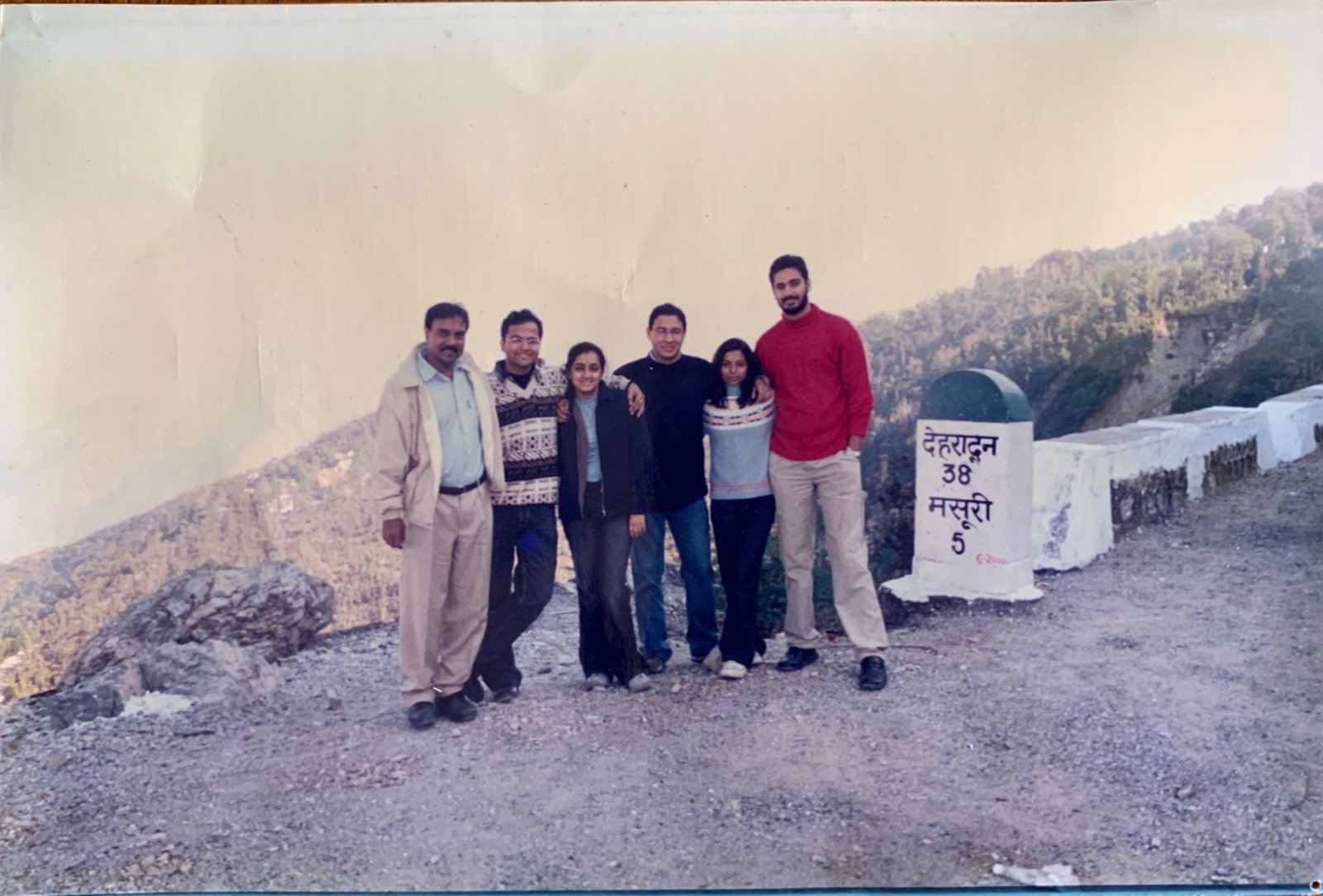
A. From the hilltop walks from hostel to mess, campus birdwatching to late-night assignment on the CC Staircase, discussions in the library and hostel wings, every day at IIFM brought a sense of purpose and camaraderie. Our fieldwork visits to Dehradun and Amarkantak and engagement with Forest division are particularly memorable—they grounded our learning in reality.
Q. In hindsight, what was the biggest contribution or takeaway from IIFM that played a critical role in shaping you?
A. One of the most valuable takeaways from IIFM was the ability to synthesize knowledge from diverse domains—including development economics, social research, forestry, policy analysis, and enterprise promotion—into a practical and solutions-oriented approach.
I particularly recall the introduction of subject electives during our 2003–05 batch—a significant academic milestone that allowed us to specialize in thematic areas through deep and nuanced learning. This flexibility helped me discover my core interest areas and chart a focused professional path.
Equally important was the mentorship from faculties, access to the well-stocked academic library, and the vibrant peer learning ecosystem, all of which played a crucial role in shaping both my intellectual curiosity and professional outlook.
Q. The best buddies/seniors/faculty at IIFM? Any memorable tidbits you’d like to share?
A. I fondly cherish the guidance of faculty members like Prof. B.P. Pethiya and Dr. Rekha Singhal, whose teaching always extended beyond the classroom—deeply rooted in real-world insights and lived experiences. Dr. Parul Rishi and Dr. Amitabh Pandey brought warmth, empathy, and inclusivity into their sessions, making learning feel personal and transformative.
My hostel wingmates and batchmates have remained a lasting circle of friendship and support, even after all these years. Some of the most unforgettable memories include midnight Maggi breaks, hearty dinners at Sakshi Dhaba, and philosophical conversations under the Banyan tree near the girls’ hostel. And how can I forget Chandu Bhaiya at the mess, who somehow always knew I needed an extra cube of butter on my paratha—small gestures that added so much comfort to campus life.
The picturesque landscape of IIFM, the joy of stargazing from the terrace of Room No. 301, and the opportunity to witness biodiversity up close—from peacocks and migratory birds to the occasional snake sighting—made the campus feel alive and magical.
These meaningful moments enabling ecosystem to sketch your career graph, deep connections, and thriving friendships are etched in memory. If I had to sum it up, I would say—those two years at IIFM were truly the spring season of my life.
Q. As an alumni, what’s your advice to freshers or those joining IIFM to get the best out of the 2 years there?
A. First and foremost, recognize how unique and rare the IIFM experience truly is. The curriculum is thoughtfully designed and deeply rooted in real-world contexts. The course modules are not just academic requirements—they’re robust learning journeys that equip you with both technical expertise and contextual intelligence.
Understand that being at IIFM is a privilege. It offers you a space to explore, reflect, and choose the path that aligns with your purpose. So, treat your two years as a living laboratory—be curious, experiment freely, question the obvious, and absorb as much as you can.
Don’t confine yourself to the classroom. Immerse yourself in fieldwork, take part in student committees and Club activities, and build relationships—with peers, faculty, and communities alike. These experiences will shape your leadership and personal growth in profound ways.
Most importantly, whatever path you choose to pursue, deep dive into it. Develop a strong foundation, build expertise, and commit to it with discipline and dedication. Because in the end, there’s no substitute for hard work—and it’s your depth of understanding and resilience that will set you apart in the long run.
Q. What would be your advice for recent graduates who look to change their sector after working for a couple of years?
A. Shifting sectors is not only possible—it can be incredibly rewarding. My own journey—from microfinance, where I witnessed the sector’s evolution from cash-based operations to sophisticated CBIL-linked lending, to climate finance and eventually to sustainable and responsible tourism—is a testament to that.
The key lies in how effectively you can articulate your transition—by connecting your past experiences to your new area of interest. Demonstrating how your existing skill set and insights can add value in a different context is critical. At the same time, make the effort to deeply understand the new thematic area—read extensively, take short courses, and stay updated on sectoral trends.
Anchor your transition in your core strengths, leverage your network, and seek out opportunities that align with both your values and your aspiration to grow. Most importantly, stay purpose-driven—when your motivation is authentic, sector boundaries start to blur, and meaningful diversification begin to unfold.
Q. What is your typical day at work? And how does it look like while you are on a break?
A. A typical workday involves coordinating with the national team at the Ministry of Tourism, monitoring progress reports from district teams, reviewing ongoing initiatives, and working closely with partner organizations to strategize and strengthen implementation. I’m also actively involved in drafting and refining policy notes and convergence frameworks, which makes each day a dynamic blend of planning, collaboration, and problem-solving.
When I’m on a break, I do try to slow down—but as a mother to two adolescents and the spouse of a cardiologist, life rarely comes to a complete pause! Much of my downtime is spent juggling schedules, supporting studies, and planning short road trips to lesser-known, quieter destinations where we can all unwind. These mini getaways, along with meaningful conversations at home, are my way of recharging—helping me return to work with renewed clarity, balance, and energy.
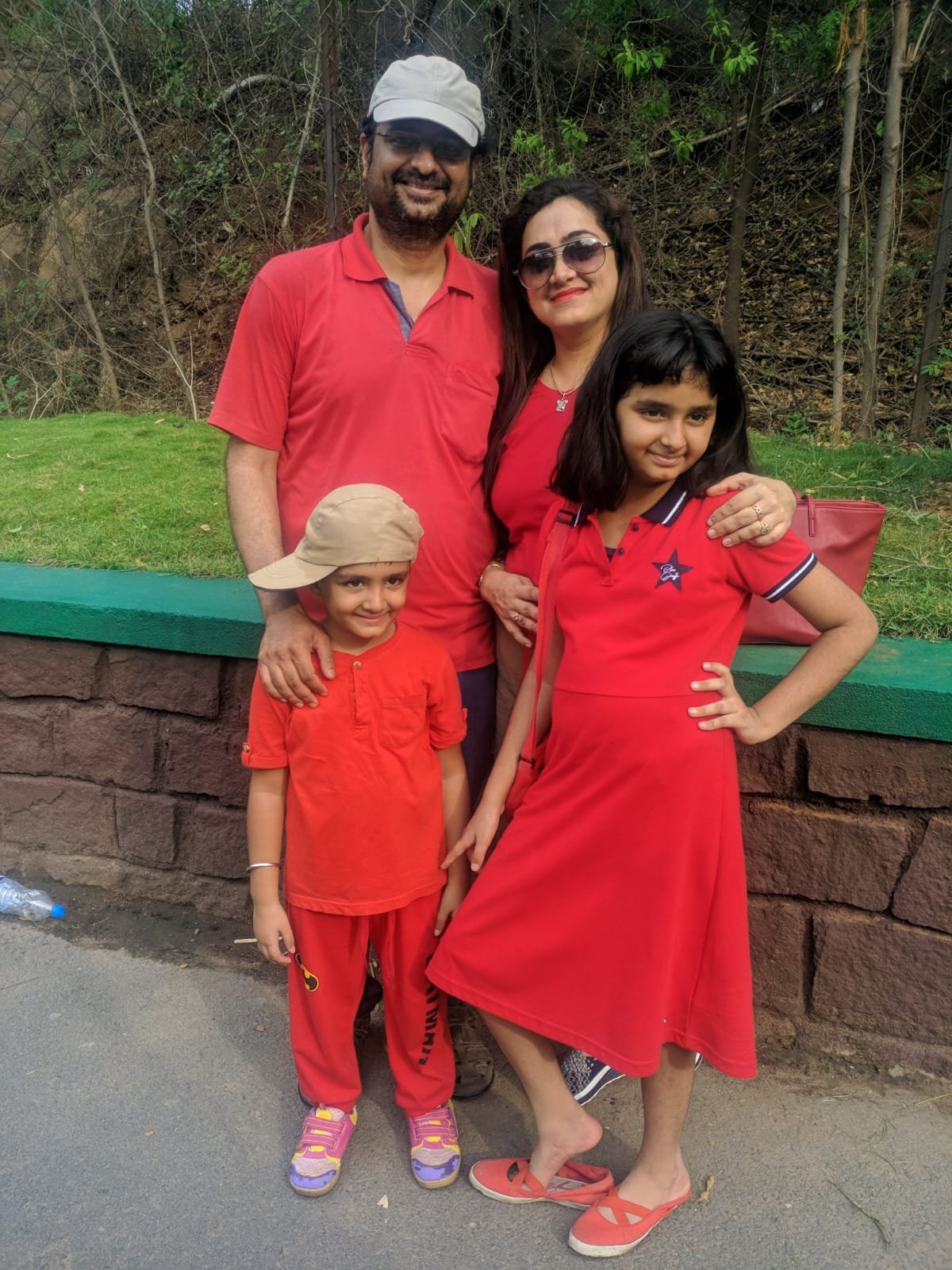 Happy holidays 😊 No ICU emergencies, no deliberation meetings and no homework
Q. And how about weekends, hobbies, family and anything else you want to add?
A. Weekends are my creative breathing space—watching movies, experimenting with slow cooking, and spending time with family, friends, and extended relatives. I have been fortunate to be part of a supportive joint family that has always stood by me, especially in helping care for the children while I pursued my goals. As a result, weekends are often about hosting dinners, reconnecting, and enjoying unhurried time with loved ones.
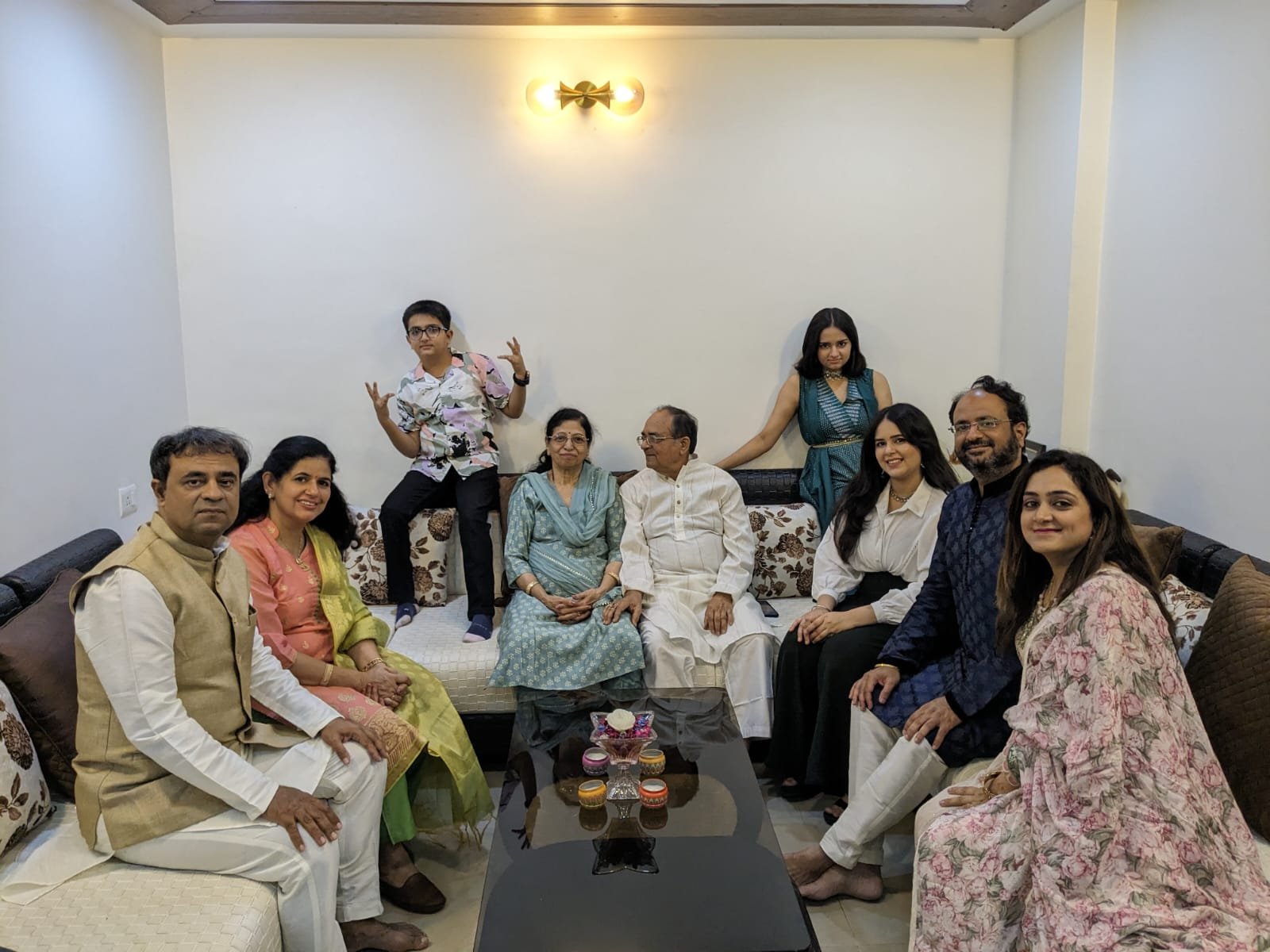 My Home looks like this
Q. Favorite books, movies, authors?
A. Books:
Worshiping False Gods and Symptoms of Fascism. Both are authored by Arun Shourie.
The Secret book on manifestation and law of attraction by Rhonda Byrne.
Movies:
Any good comedy that helps me laugh a little more and jokingly helps my hemoglobin count go up—is what I truly enjoy. In Bollywood, Hungama and Hera Pheri are all-time favourites, while in Hollywood, light-hearted classics like “Mrs. Doubtfire” and “The Intern” are real mood lifters.
Q. IIFM is driven by alumni’s passion and commitments towards its goal. How would you like to contribute to IIFM or IIFM alumni, students?
A. I remain committed to supporting IIFM in any way I can—be it mentoring current students, supporting internships or field visits through my current role, or assisting in placement coordination. I would be glad to contribute to internships aligned with my thematic areas.
Q. What do you think is different at IIFM now vs when you studied there? When was the last time you visited IIFM?
A. IIFM has grown in its institutional reach and academic offerings. Today’s students have greater exposure to global dialogues, digital tools, and specialized domains.
My last visit was as a program host in May 2024 where I was leading a discussion with CSR Partners and Partner Institutions. I hope to return soon for a more immersive interaction.
Q. Any suggestions on who you want to get profiled/interviewed here?
A. Srashti Singhal Modh(PFM 2012) currently with IFC world Bank will be great.