
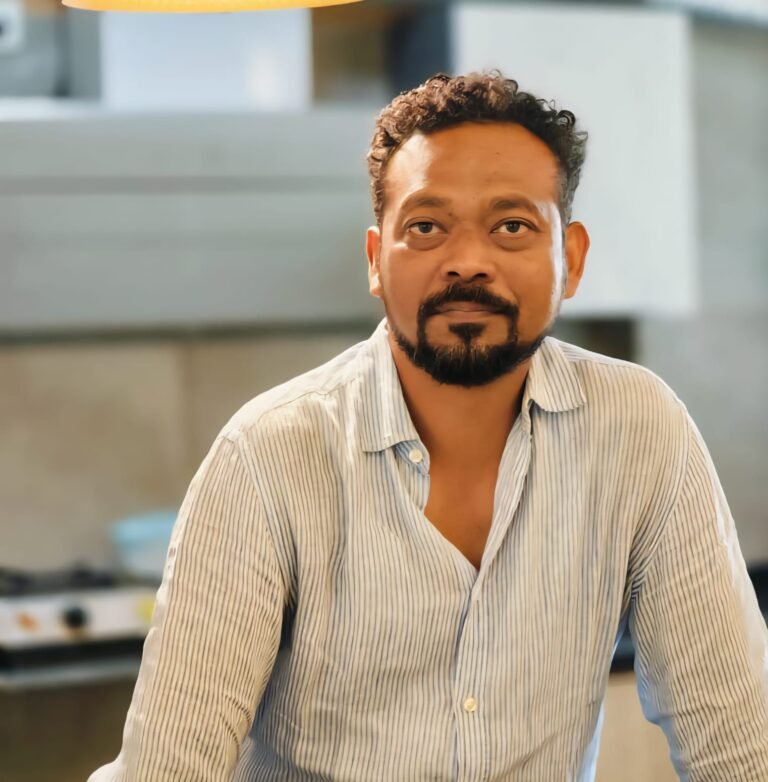
During the last over 25 years, I have been working on various aspects of sustainable development right from natural resources management, local economic development, climate resilience, digitalization in rural development to climate and carbon finances. During my various roles, I have been inspired to work on collaborations, innovations and initiatives that can result in large scale impacts and not just islands of successful pilots.
Location: New Delhi
Linkedin: https://in.linkedin.com/in/navin-horo-11181764
Q. Tell us about your School and College before you came to IIFM. How was your experience there? And how did IIFM happen?
A. During my school days, I was growing in an environment where everyone around me was either aspiring for IIT or AIIMS. I was also pushed into this race and soon realized it was not my calling, but still confused, what was my calling? Inspired by my mother, who ran a kinder garden, I enrolled myself into a BSc BEd course. After finishing my course, I did teach in schools and enjoyed being an educationist, but something was still missing. And the second rat race happened – MBA. But I was clear I would not pursue the generic MBA and that is when I came across IIFM. Reading the brochure, I felt IIFM was offering something unique. After series of entrance processes, I got into IIFM.
Q. How has been your journey from IIFM so far?
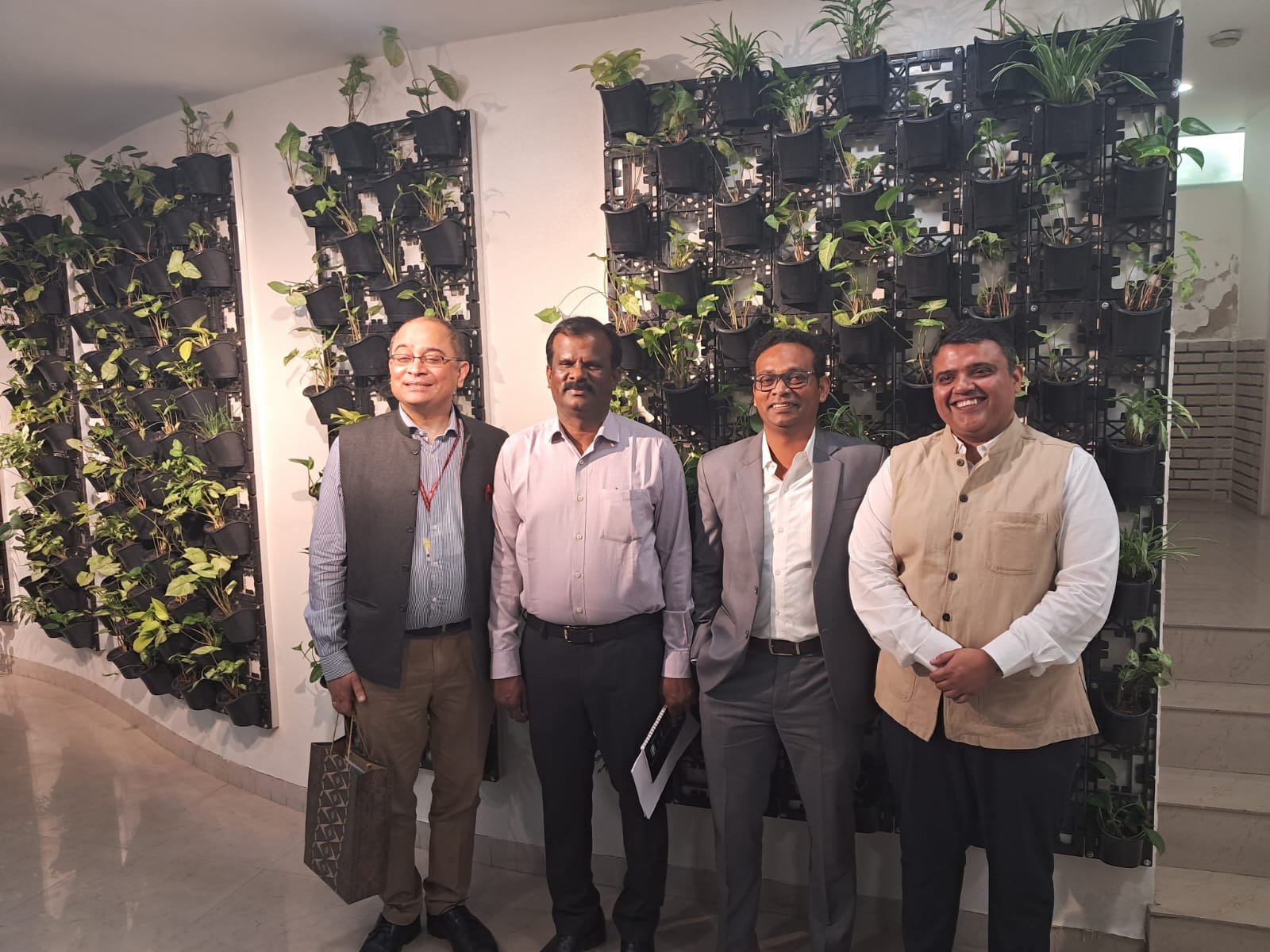
A. I still recall my first day at IIFM, the campus, the hostel, the infrastructure, all looked amazing. This is where I spent next two years with friends, now for lifetime. The Organizational trainings(now called Summer Internship & Project Work) with reputed organizations like OXFAM and VIKSAT gave me the first exposure to what I was expected to contribute to. While travelling across rural areas in Madhya Pradesh, Rajasthan, Eastern Uttar Pradesh and Gujarat, I felt there is much to do and this probably could be my calling. I received the best award for Organizational Training that helped boost my confidence that could possibly be contributing my bits to improve lives and environment, even by a bit.
My first job as a Young Professional of CAPART, was at Seva Mandir, Udaipur. I was young, passionate and open to experiences and learning. One lesson I learnt during these early days was to recognize and respect the organizational system while pursuing one’s passion. After changing 3 jobs in 5 years, I felt there is more to learn and get exposed to experiences outside of India. So, I pursued my second Masters degree from Cranfield University, United Kingdom as a DFID-Commonwealth Scholar.
This exposure, transformed by career, with new global perspectives, networks, learning and approaches.
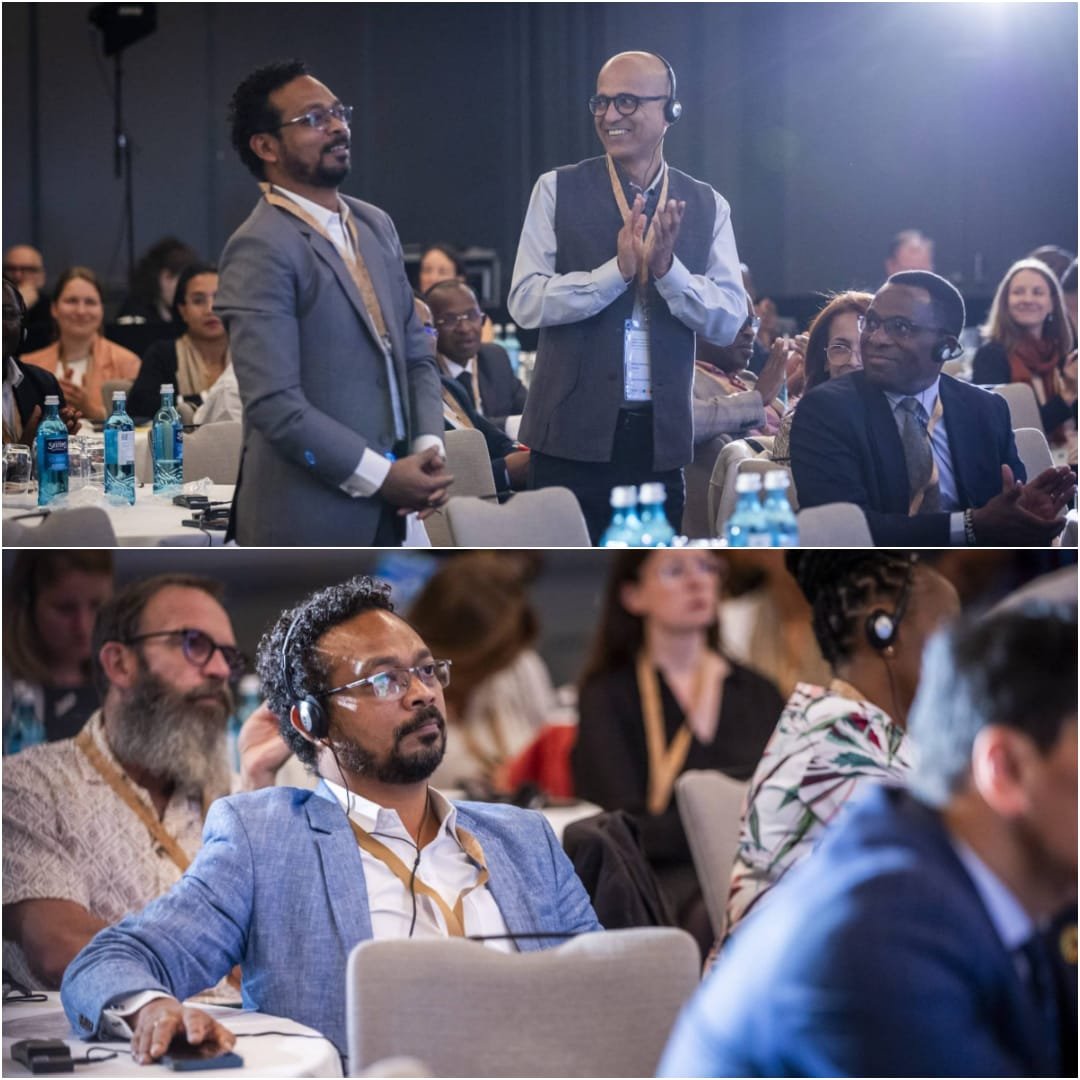
In the last over 25 years, I have worked on various partnerships and initiatives, primarily working with Government agencies, multilaterals and bilaterals and philanthropies. My efforts are to put my experiences, networks and knowledge to be more of a facilitator to trigger transformations and systems changes.
Q. Has your learning at IIFM helped in shaping how you approach your professional roles?
A. IIFM has been a steppingstone and has given direction to my professional life. I realized I could be paid (maybe OK), while being satisfied that every bit I was doing contributed somewhere to a slightly better life and a better environment.
Q. What would be your advice to freshers and IIFM graduates who are looking to build their career?
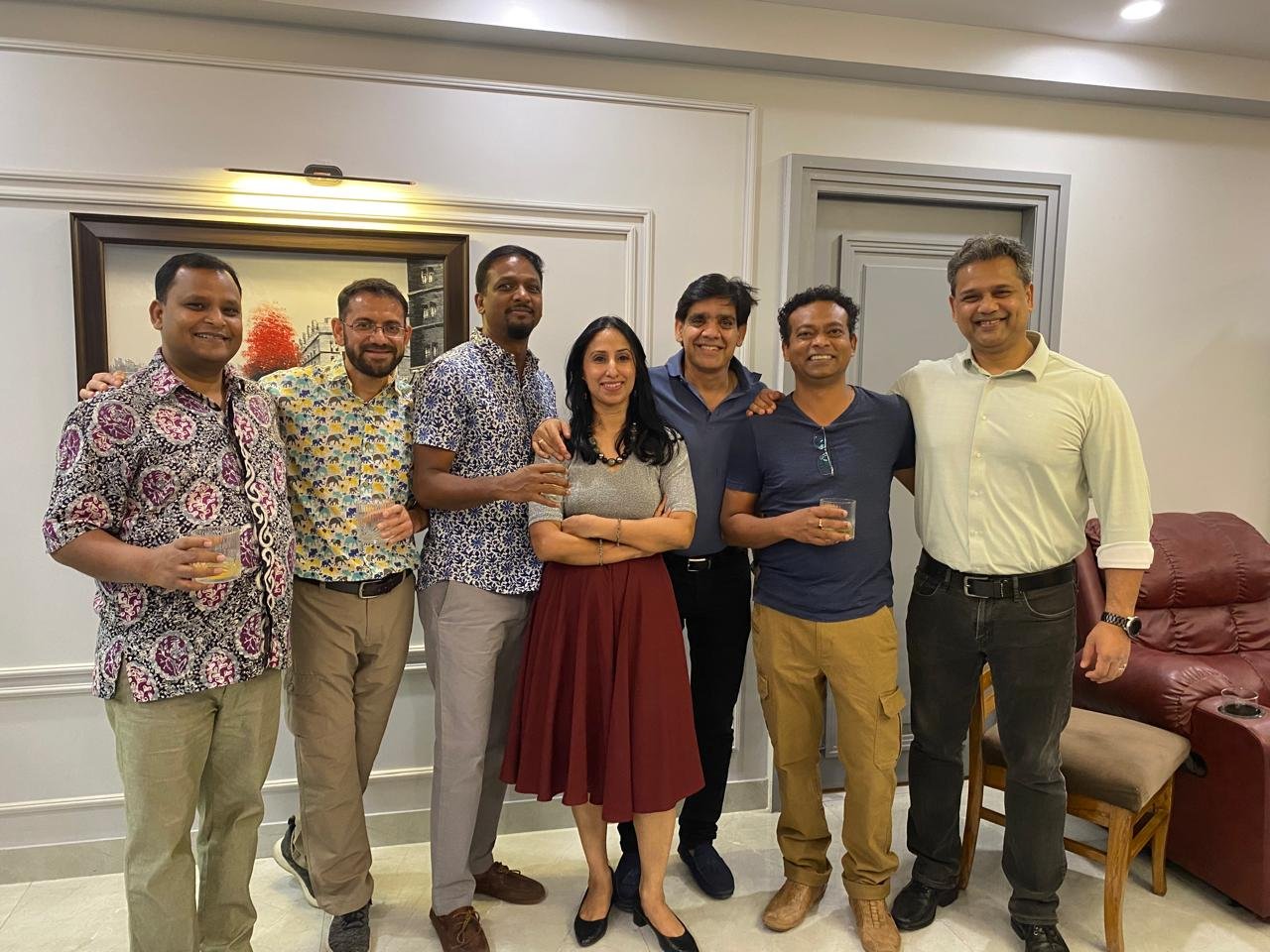
A. First, don’t just pursue a job as a job but only one step towards your purpose and passion. Find meaning as being the facilitator to trigger transformation and not just contributing to a change or implementing a successful project. Second, build your networks, these relations will help in building larger ideas, collaborations and integration of efforts and resources for needed impacts, that any one organization would never be able to achieve on in own. Third, don’t let the systems and processes discourage you, focus on larger results.
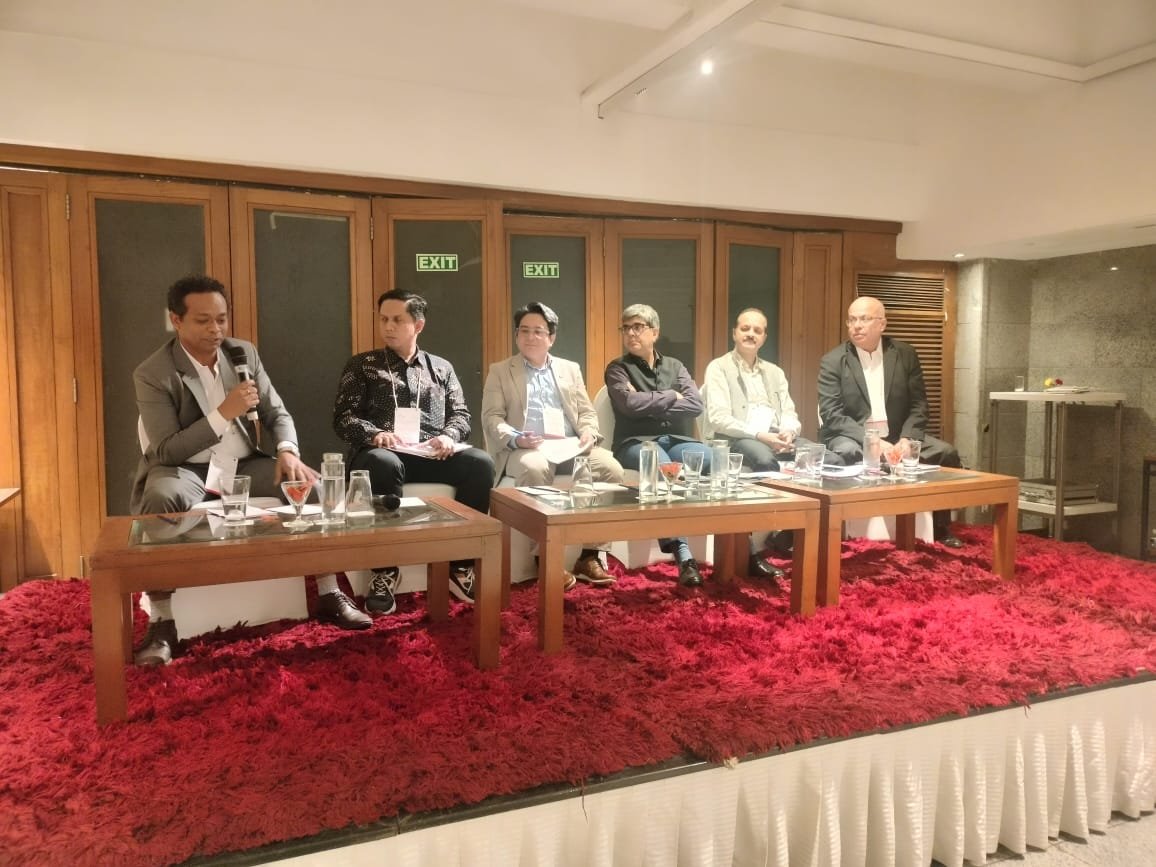
Q. What are your favorite memories during your IIFM days?
A. IIFM days have been full of great memories with friends, the green campus, with faculty, with support staff and juniors. Our usual hang out place was Bamboosa and the volleyball court, mostly either playing volleyball or jamming with friends. Etched are the memories of parties in Bamboosa – birthdays, placements and any other excuse we could think-of for a party.
During our orientation, we were taken to forest areas in Madhya Pradesh, and introduced to over 100 tree species, pug marks and others. It was overwhelming, so much so, I was not even able to give the botanical name of “ber’ tree (now I know…Ziziphus jujuba). From those days of orientation to next 2 years at IIFM, I was able to identify many trees with correct botanical names (don’t ask now 😄).
I cannot choose one moment as all of them are precious. These moments are still relived, whenever we meet fellow IIFM’ites and more so our batchmates.
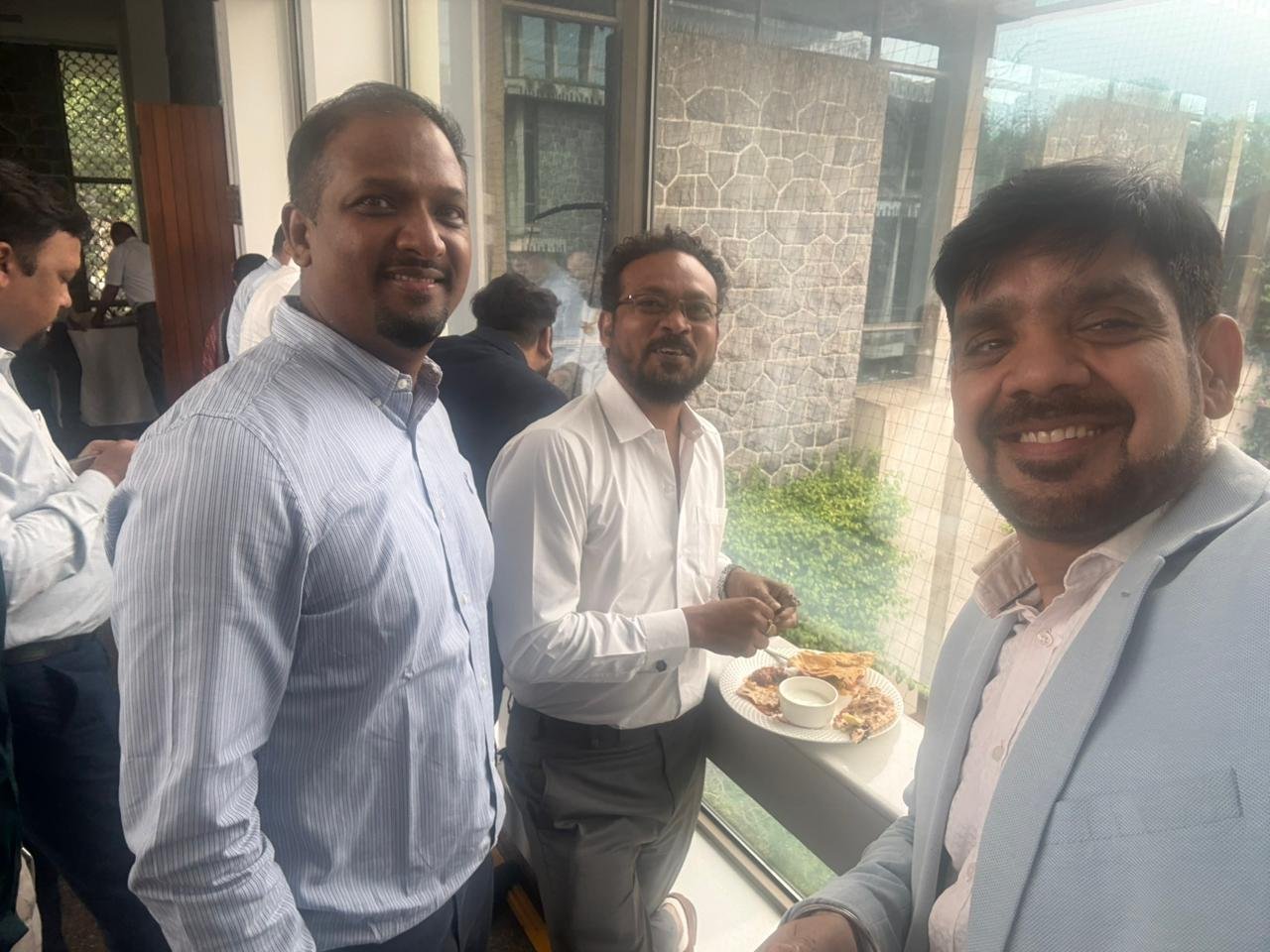
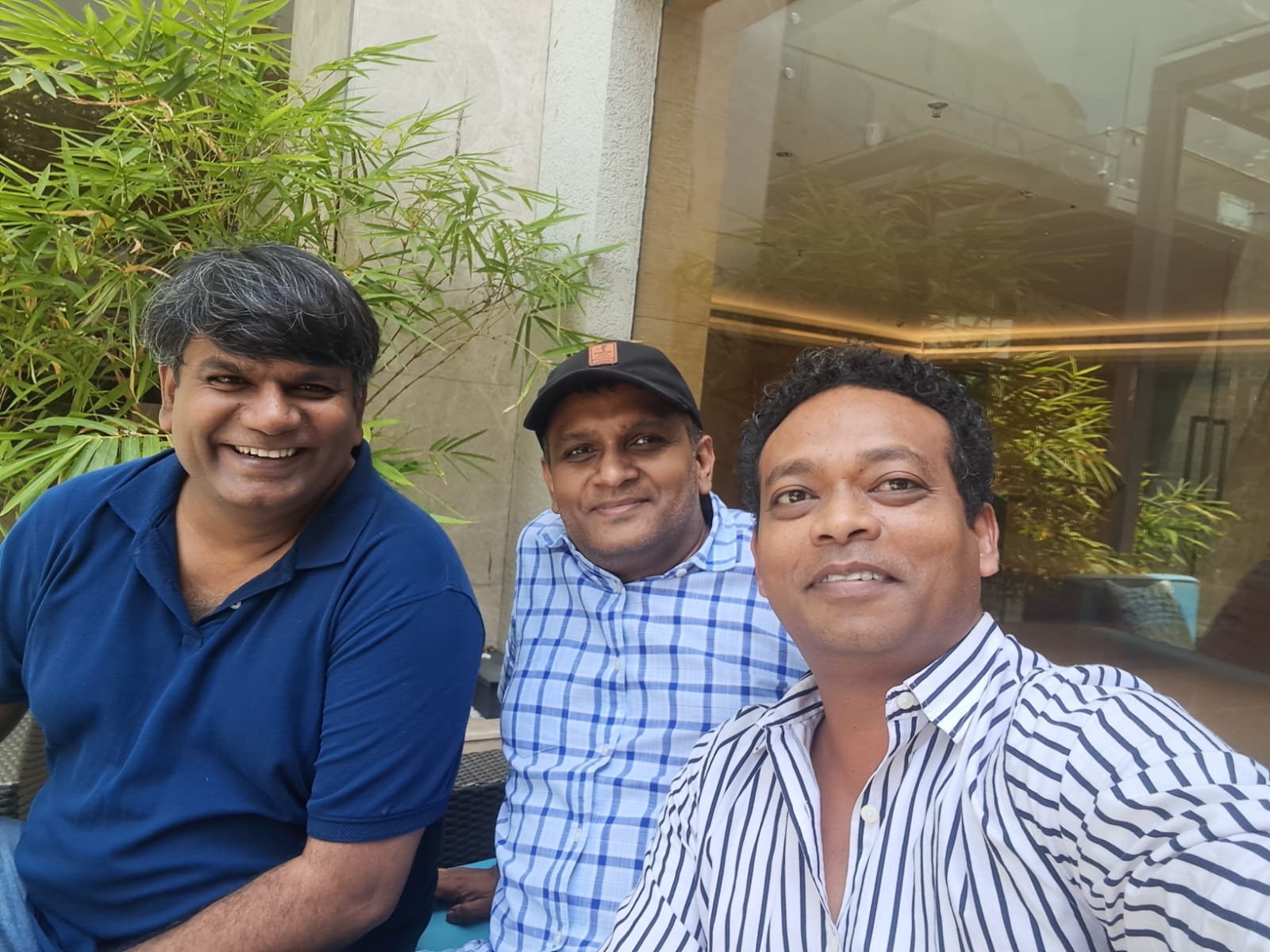
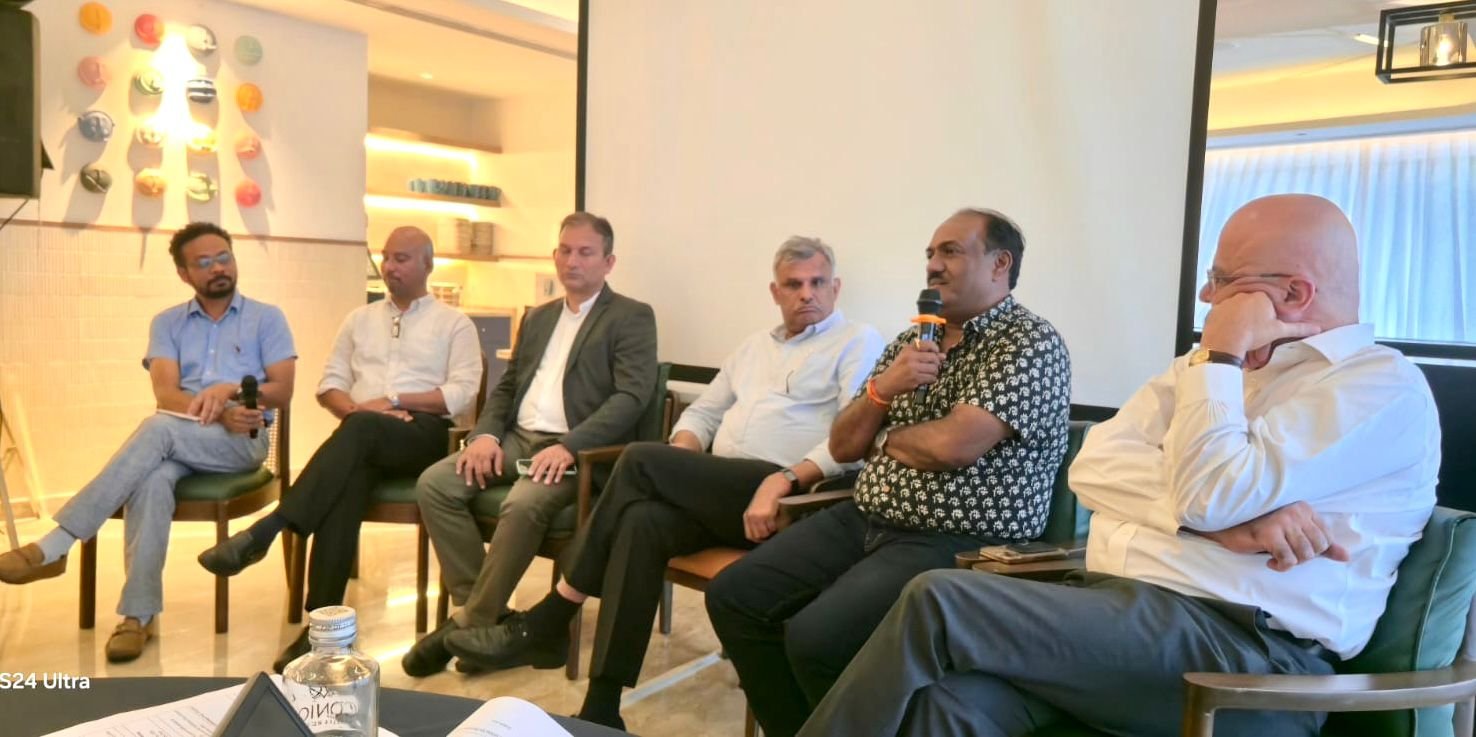
Q. How does your day look like while you are on a break?
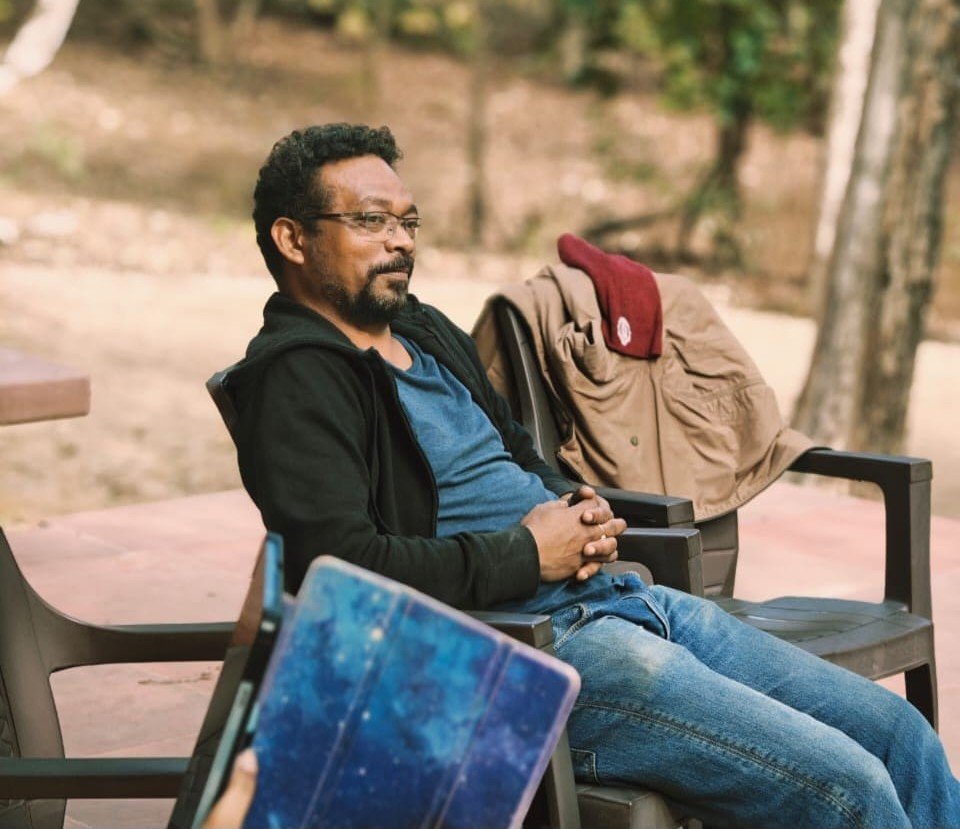
A. During my break, I like either going for a trek or nature walk. Other passion I try to keep up to is my guitar, skills are rusty but still there. When in a group, I can’t resist bragging about name of tree species (whatever I can recall now)!!

Q. IIFM is driven by alumni’s passion and commitments towards its goal. How would you like to contribute to IIFM or IIFM alumni, students?
A. Real life experiences to IIFM’ites are great teachers and this should be optimized as much as one can. IIFM’ites are contributing effectively across diverse sectors, private, international organizations, policy institutions, financial institutions and others. Many of us, I can commit, will be more than happy to come in for guest lectures, student interactions. Optimize on these expertise and experiences.
Q. What do you think is different at IIFM now vs when you studied there? When was the last time you visited IIFM?
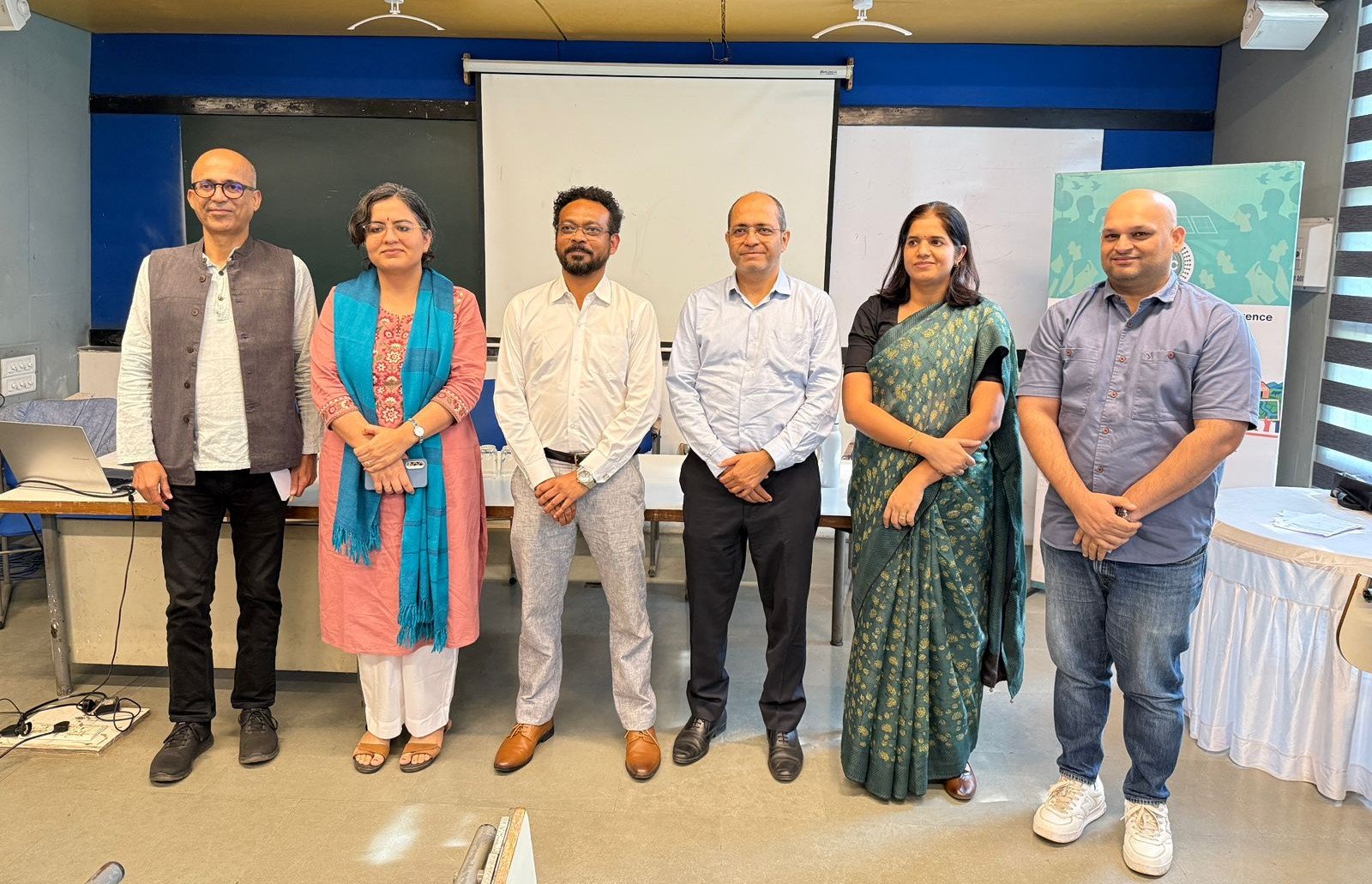
A. I last visited couple of years ago and was warmly welcomed and felicitated by Dr. Ravichandran, felt like home-coming and appreciated. Would have loved to interact with students but something was different. The surroundings have gone through a bit of transition, more concrete but the overall vibe still remains the same.
Q. Any suggestions on who you want to get profiled/interviewed here?
A. Try few international colleagues like from Srilanka and Nepal. Nishant E. from Srilanka is a senior forester in Sri Lanka. He can provide a great insight into how IIFM is recognized and valued outside the borders.