
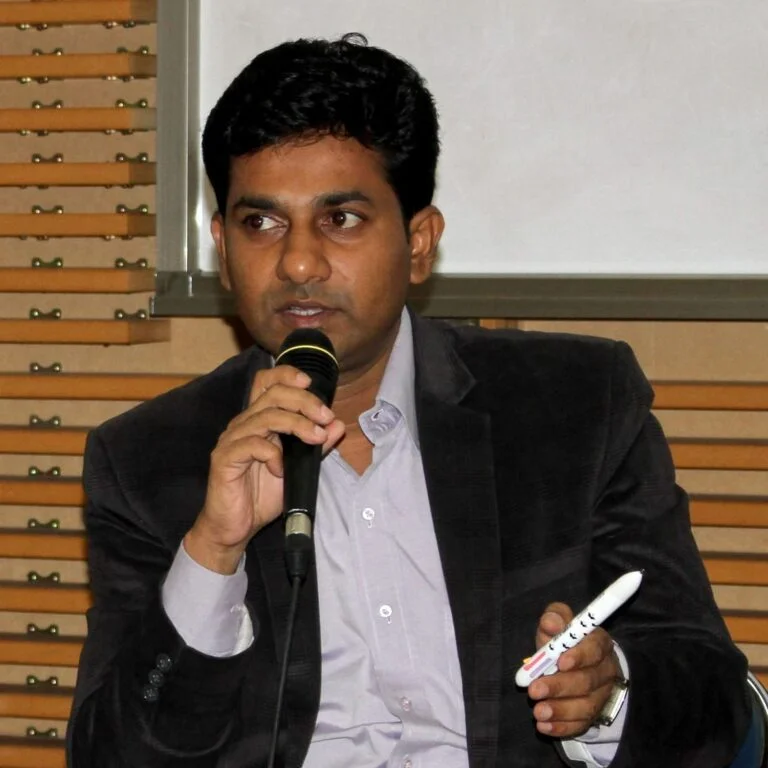
I am a tourism professional, academician and policy expert with over 22 years of experience in ecotourism, sustainable tourism development, and natural resource management. I hold a PhD from TISS, Mumbai, and an M.Phil from IIFM, Bhopal, and my work lies at the intersection of conservation, community development, and tourism planning.
I have worked extensively with leading national and international organizations such as the Asian Development Bank (ADB), NITI Aayog, World Bank, USAID, JICA, and state tourism departments across India.
My professional journey spans over 22 years playing varying roles in policy formulation, project management, consulting, academia, and on-ground implementation. I have contributed to major tourism development initiatives, including policy design, PPP projects, and community-based tourism models in different parts of India. As an academician, I teach at IITTM and TISS, mentoring students across levels. My work is driven by a strong commitment to sustainable and regenerative tourism practices that create measurable ecological and socio-economic impact.
Location: Thiruvananthapuram, Kerala, India
LinkedIn: MUHAMMED NAHAR, PhD | LinkedIn
Q. Tell us about your College before you came to IIFM. How was your experience there? And how did IIFM happen?
A. I finished my Master’s in History from Jawaharlal Nehru University (JNU), New Delhi. I consider my education to have been a highly enriching academic and intellectual experience. JNU exposed me to critical thinking, interdisciplinary perspectives, and a vibrant academic culture. In JNU, I conducted my research in the area of Environmental History. Alongside this, I enrolled in a Diploma in Environmental Law from WWF-India. It was during this phase that I became interested in environmental issues and was introduced to IIFM and its unique programs in natural resource management, which eventually led me to join the institute.
Q. How has been your journey from IIFM so far?
A. Joining IIFM was a turning point in my life. The MRM course exposed and enabled me to gain deeper insights on a range of conservation and development related issues. My work with the Madhya Pradesh Forest Department, which led to the preparation of an ecotourism-based management plan for the Chhindwada Forest Circle, laid the foundation for my career. This early exposure has shaped my professional journey across consulting, policy-making, project implementation, and academia in the tourism and conservation sectors.
Q. Kindly share some Key milestones/learning in your journey.
A. IIFM introduced me to interdisciplinary domains such as natural resource management, sustainable forestry, livelihoods, and ecotourism. Key milestones in my journey include working with government bodies, international organizations like ADB, the World Bank, USAID, UNDP and JICA. Also private sector firms such as Ernst & Young, Mahindra Hotels and Resorts India Limited, Evoke Experiences Pvt. Ltd leading varied tourism projects, contributing to policy frameworks, and completing my PhD focusing on tourism and community well-being.
Continuous learning and field engagement have been central to my journey.
4.How has been your experience in your current Organization? What all areas have you been working here?
A. As an expert in tourism sector planning and development, I work actively with public and private sector organizations. My work includes tourism planning, policy advisory, project design, climate-resilient tourism strategies, and community-based tourism development. Currently I am involved with the Asian Development Bank as an Ecotourism Planning Specialist and as a consultant for multiple public and private sector assignments. Alongside, I am actively involved in academia as an adjunct faculty and domain expert at Indian Institute of Tourism and Travel Management and have been associated with Tata Institute of Social Sciences, teaching courses across graduate, postgraduate, and PhD levels.
Q. What is the most satisfying part of your career?
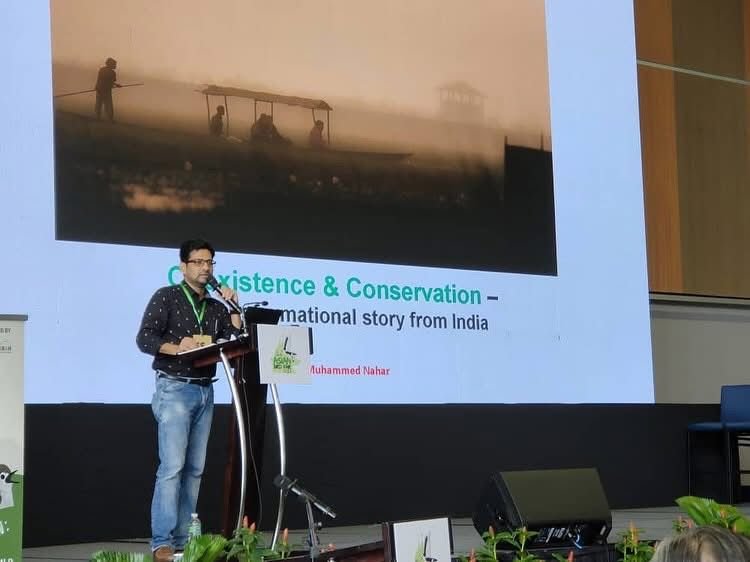
A. The diversity of my career has been deeply fulfilling—spanning wildlife lodge management, tourism policy, community engagement, destination management, infrastructure planning, and academia. Working across diverse landscapes—from the Himalayas and Western Ghats to coastal, wetland, and desert ecosystems—has given me a nuanced understanding of the natural and cultural dimensions of these regions, while contributing to their sustainable development. Creating tangible impact on livelihoods, conservation, and long-term sustainability remains the most rewarding aspect of my journey.
Recognizing my expertise in the sector, I have been appointed in the NITI AYOG Expert committee constituted for formulating a planning and architectural framework for the development of hill regions of India. In addition I served in the drafting committee mandated to prepare the North Eastern Region Vision 2047 document.
Q. Has your learning at IIFM shaped your professional approach?
A. Yes, my learning at IIFM has strongly shaped my professional approach. My time at IIFM instilled a systems-thinking approach to sustainable development—balancing ecology, equity, and governance rather than relying only on technical solutions. It taught me to focus on inclusive outcomes, stakeholder engagement, and field-based validation. This foundation enables me to work effectively across governments, international agencies, and communities, ensuring solutions are practical, participatory, and impactful.
This shapes every project, whether in ecotourism or conservation, where I consistently ask “who benefits?” and “how do we ensure inclusive outcomes?” IIFM’s emphasis on field validation and participatory methods has anchored my professional practice in ground-truthing, stakeholder engagement and adaptive management.
Q. What would be your advice to freshers and IIFM graduates who are looking to choose similar sectors/roles.
A. To freshers and fellow IIFM graduates interested in sustainable forestry, ecotourism, or environmental policy, my advice is to start with passion, but support it with adaptability and a commitment to continuous learning. Choose your field not just for its appeal, but for the opportunity it offers to work at the intersection of conservation, livelihoods, and development.
Begin with internships or entry-level roles in government, the private sector, or NGOs to build practical experience. While the theoretical knowledge from IIFM is valuable, real-world exposure to implementation challenges and stakeholder dynamics is equally important.
Also, focus on developing strong communication skills to work effectively in multi-stakeholder environments, and build resilience to handle policy changes and uncertainties. Make use of the IIFM alumni network and seek opportunities to learn from wider professional platforms.
Finally, measure success by the impact you create rather than by titles. Focus on work that contributes to livelihoods, conservation, and long-term sustainability, and always maintain ethical practices in your professional journey.
Q. How did you decide to go for higher studies post IIFM? And how was the experience?
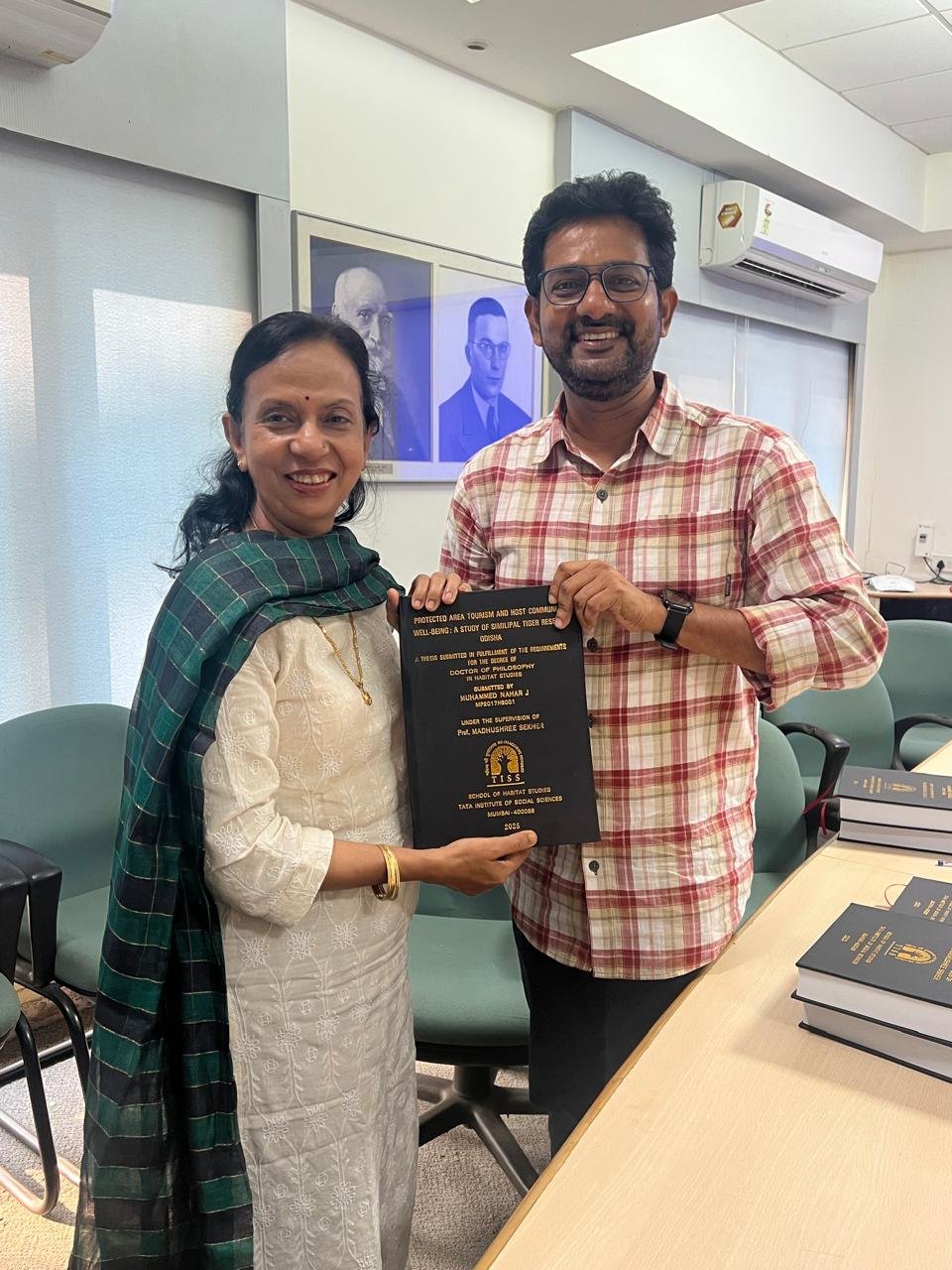
A. I believe in continuous learning, which led me to pursue higher studies after IIFM. My academic journey includes advanced studies in tourism and management, followed by a PhD from TISS focusing on tourism and community well-being.
This interdisciplinary progression helped me connect ecological understanding with business, policy, and research, and strengthened my ability to design sustainable and scalable solutions.
Q. What are your favorite memories during IIFM days?
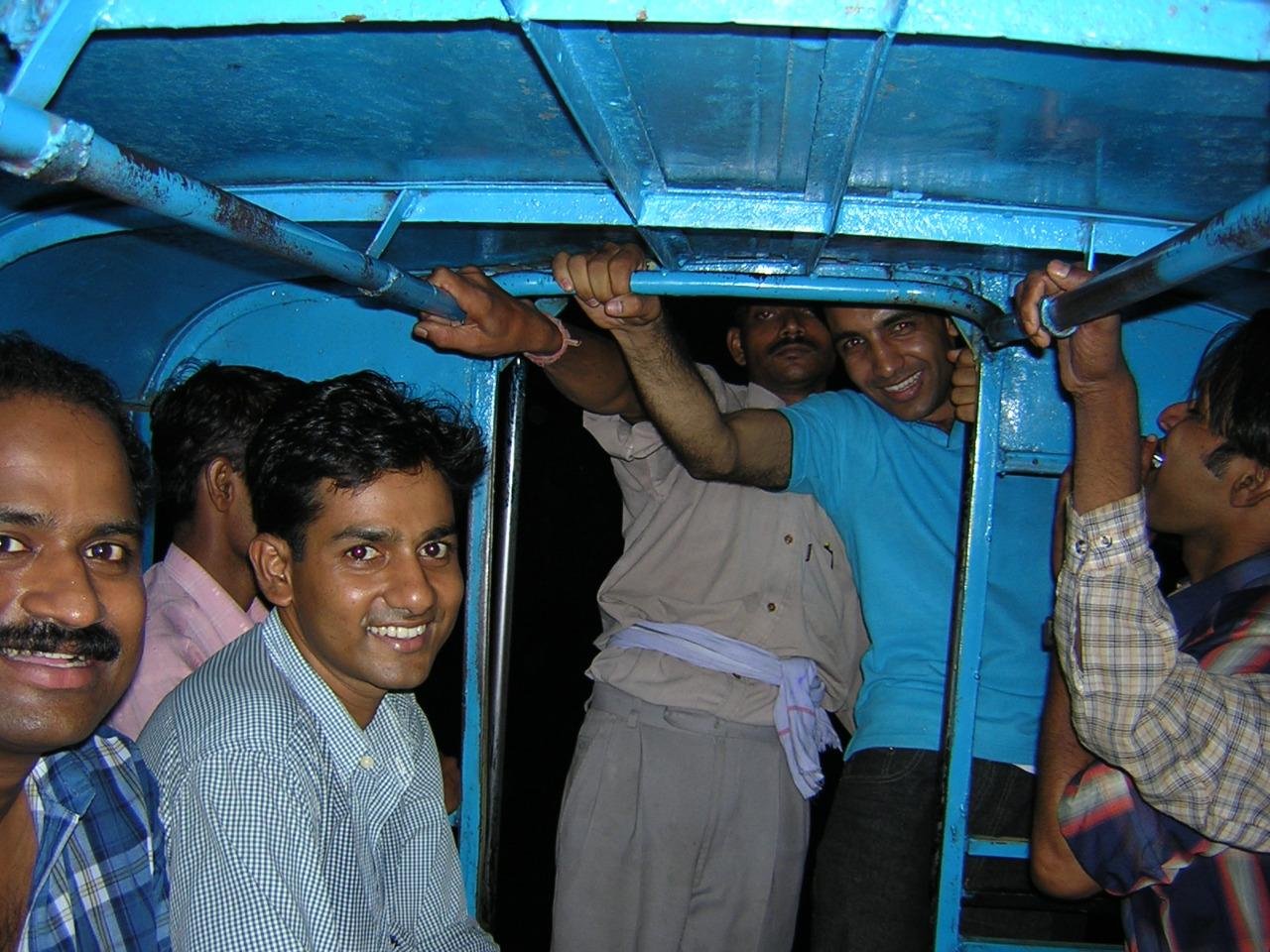
A. Field visits to biodiversity hotspots, late-night discussions, vibrant campus life, cultural festivals and hostel life, and my field research to Patalkot region in Chhindwada forest circle were among my most cherished memories. These experiences shaped both my professional outlook and personal growth.
Q. In hindsight, what was the biggest contribution or take away from IIFM that you think played a critical role in shaping you as an individual or professional?
A. The holistic learning environment—combining academics, field exposure, peer learning, and cultural experiences—was transformative. IIFM gave me perspective, empathy, and the ability to navigate complex sustainability challenges.
Q. The best buddies/seniors/faculty at IIFM?
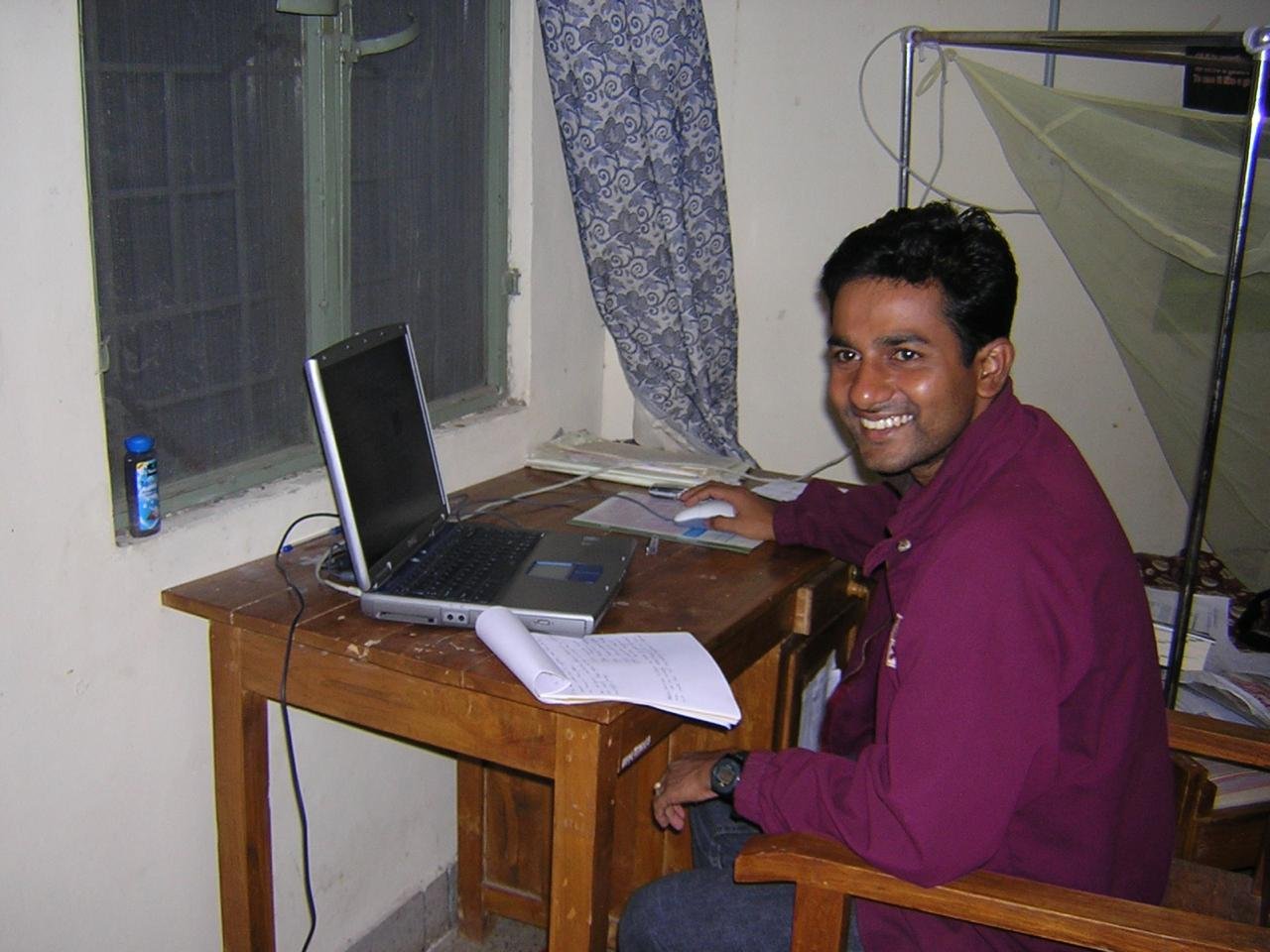
A. I fondly remember my batchmates, contemporaries, and faculty who played a significant role in shaping my campus life and beyond. Among faculty, I maintained a special connection with Prof Yogesh Dubey and Prof Suprava Patnaik. It was during my stay in the campus I got connected with two of my long time friends Dr Rupesh Bhomia and Parvaiz Parry, who later become close friends of mine. The collaborative environment and lifelong friendships built at IIFM remain invaluable.
Q. As an alumni, what’s your advice to freshers or those are joining IIFM to get best out of the 2 years there?
A. Make the most of field visits and internships, engage deeply with faculty and peers, build interdisciplinary understanding, use the library and resources extensively, and network actively within the alumni ecosystem.
Q. What would be your advise for recent graduates who look for changing their sector after working for couple of years?
A. Transitioning sectors requires clarity, upskilling, and patience. Build domain knowledge, leverage transferable skills and start your career with roles that allow learning. Networking and continuous learning are critical.
Q. What is your typical day at the work? And how does it look like while you are on a break?
A. My workday involves project planning, stakeholder consultations, research, teaching, and mentoring.
When on a break, I prefer traveling, reading, and engaging with nature, which also inspires my professional work.
Q. How about weekends, hobbies, family?
A. Weekends are usually spent with family, reading, traveling, or engaging in nature-based activities. I enjoy exploring destinations, observing biodiversity, and reflecting on sustainability practices.
Q. What are your favorite books/movies/authors?
A. The Hungry Tide by Amitav Ghosh remains one of my favorite books, when it comes to movies I am very choosy and prefer watching slow bur real-life movies from different languages.
Q. IIFM is driven by alumni’s passion and commitments towards its goal. How would you like to contribute to IIFM or IIFM alumni, students? Your engagement with IIFM Placement or OT/SI?
A. I would be keen to contribute through guest lectures, mentoring students, supporting placements, and engaging in collaborative research and knowledge-sharing initiatives.
Q. What do you think is different at IIFM now vs when you studied there? When was the last time you visited IIFM?
A. IIFM has evolved with greater global exposure, updated curriculum, and stronger industry linkages. However, its core values remain intact.
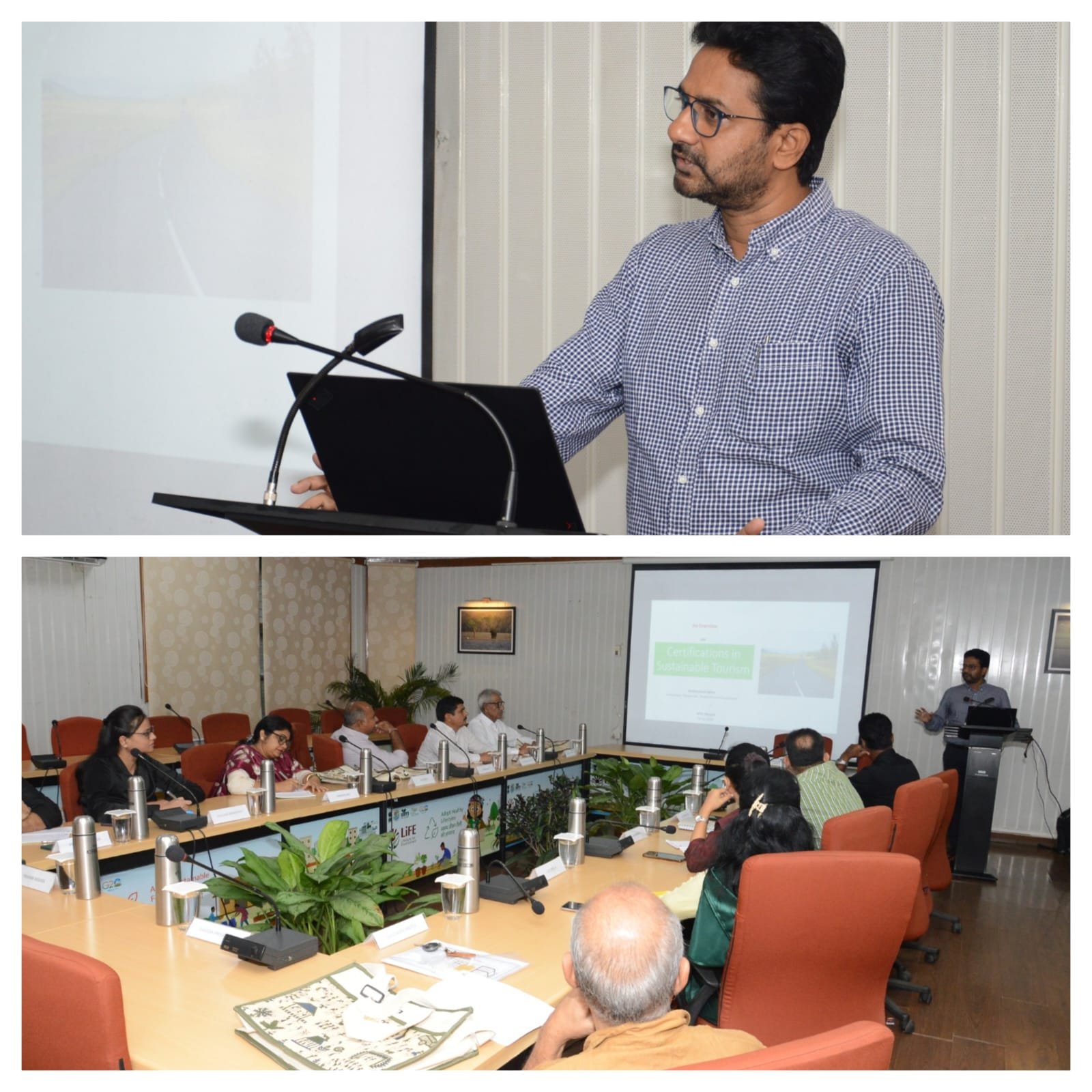
I visited the campus few months ago on an invitation from Prof Yogesh Dubey as Resrouce Person, to take part in an MDP on Sustaianble Tourism, which he was coordinating. In addition, I am in regular touch with faculty, my peers and other batch students from the institution.
Q. Any suggestions on who you want to get profiled/interviewed here?
A. I would recommend profiling alumni who are working in emerging areas such as climate finance, biodiversity conservation, and regenerative development, as they represent the future direction of the sector.
Few names: Govind Kumar ( PFM 2005), Aseem Hasnain (PFM 2001), Shashi Ranjan (PFM 2005) Ajit K (PFM 2005) Battula Janaki Rao (MRM 2004) Chandrakant Deokar (MRM 2005).