
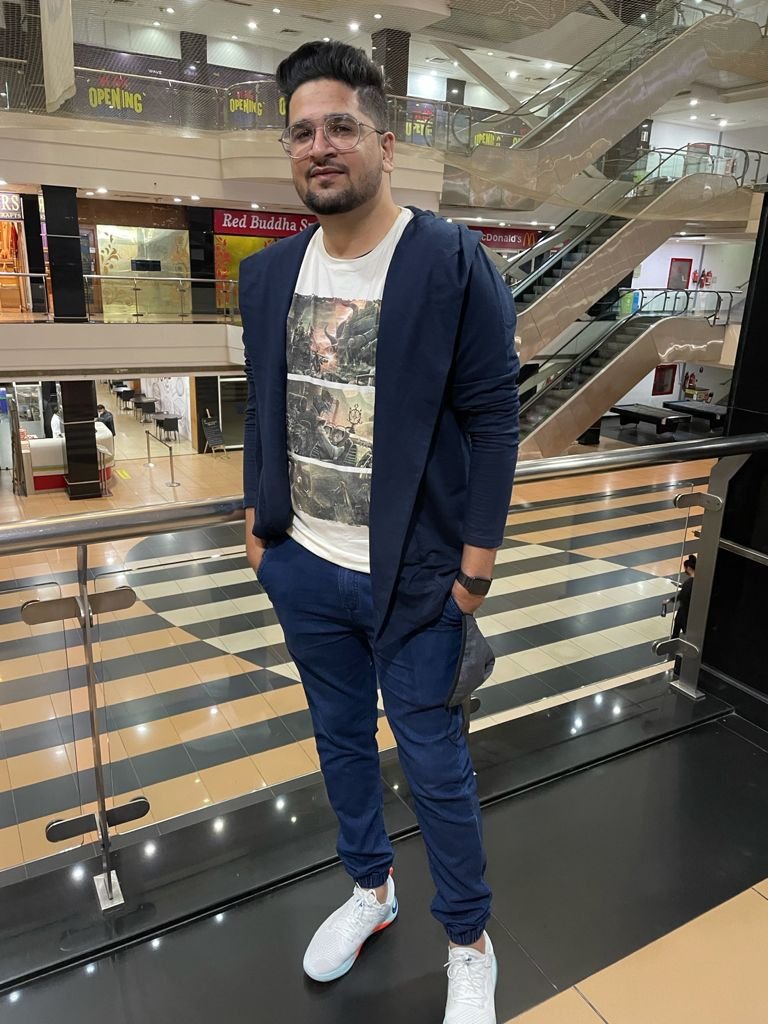
Over the past 13+ years, I’ve been working in the space of CSR, ESG, and sustainability—partnering with communities, driving social initiatives, and building programs that create real impact on the ground. It’s been a rewarding journey of learning, collaborating, and contributing towards people and the planet.
Location: Delhi, India
Linkedin : https://in.linkedin.com/in/ashish-bhambhani-csr
Q. Tell us about your College before you came to IIFM. How was your experience there? And how did IIFM happen?
A. I had a pretty regular education journey—I did my engineering in Computer Science. But when it came to IT jobs, somehow they just didn’t excite me enough. I was looking for something more challenging, so I took CAT, did well, and suddenly had two great choices in front of me: IMT Ghaziabad and IIFM Bhopal. Since Bhopal was home for me—and with a senior, Ms. Akansha Tiwari, already at IIFM—the decision felt natural, even though I wasn’t exactly sure what I was signing up for. In hindsight, that leap of faith turned out to be one of the best choices I ever made!
Q. How has been your journey from IIFM so far?
A. The journey from IIFM has been nothing short of special. What began with uncertainty about “what exactly I would be doing there” turned into a life-shaping experience. The two years at IIFM gave me not just management lessons, but also friendships, confidence, and a strong sense of purpose. Since then, my career in CSR, ESG, and sustainability has been a rewarding one—working on projects that make a real difference to communities and the environment. I often look back and realize how much of my approach and outlook were shaped by those days at IIFM, and I feel grateful for the foundation it gave me.
Q. What were some of the key milestones/learning in this journey that you would like to share with us?
A. Looking back, a few milestones really stand out. Early in my career, I got the chance to work on rural education and healthcare projects where I saw first-hand how even small interventions—like setting up a school library or supporting a medical camp—could bring big changes to communities. That was a powerful learning: CSR is not just about funds, it’s about building trust and partnerships.
Another milestone was leading CSR initiatives that aligned with global frameworks like the UN Sustainable Development Goals. For example, when we worked on sustainable agriculture programs with farmers, I realized how local action in livelihoods and environment directly contributes to global priorities like zero hunger and climate action.
And perhaps the most meaningful learning has come from working closely with people—whether it’s community members, NGO partners, or corporate leadership. These interactions taught me patience, empathy, and that impact is always greater when it’s co-created.
Q. How has been your experience in your current Organization? What all areas have you been working here?
A. My experience in my current organization has been very enriching. At UPL, CSR is seen not just as a compliance requirement but as an integral part of the company’s philosophy, which makes the work all the more meaningful. I’ve had the opportunity to lead projects across multiple areas—education, healthcare, livelihoods, environment, and skill development—impacting communities both in India and globally.
One of the highlights has been driving large-scale, high-impact programs such as UPL University of Sustainable Technology and farmer livelihood initiatives, while also aligning our efforts with the UN Sustainable Development Goals. Beyond project implementation, I’ve also been involved in policy development, impact assessments, and strengthening stakeholder engagement, which has added depth to my role. Overall, it’s been a rewarding journey of creating shared value for both business and society.
Q. What is the most satisfying part in your career?
A. The most satisfying part of my career has been seeing the real difference our work makes in people’s lives. Whether it’s a girl continuing her education because of a scholarship, a farmer improving his income through sustainable practices, or a community gaining access to healthcare—those small but powerful stories of change give me immense satisfaction.
What makes it even more meaningful is knowing that the work we do not only supports communities today, but also contributes to long-term, sustainable impact. For me, that sense of purpose—of being able to connect corporate resources with community needs—is the most fulfilling part of this journey.
Q. Has your learning at IIFM helped in shaping how you approach your professional roles?
A. Absolutely! My learning at IIFM has been a huge influence on how I approach my professional roles. The institute was much more than academic – it gave me a perspective of looking at problems holistically and balancing development with responsibility.
I still remember the way Prof. Dharni brought forestry concepts alive, Prof. C.S. Rathore’s structured approach to database management, Prof. Madhu Verma’s deep insights on environment and valuation, Prof. Amitabh Pandey’s way of simplifying complex ideas, and Prof. Biswas’s engaging sessions that always pushed us to think beyond the classroom. Each of them left a lasting imprint on how I analyze, communicate, and solve challenges today.
Beyond the classroom, clubs and conclaves—like Enviro Conclave—added another dimension to learning, giving us space to explore interests, experiment, and collaborate. And of course, the personal assessment exercises and field visits were eye-openers, grounding our theoretical knowledge in real community experiences.
All these learnings have stayed with me and continue to guide my work in CSR and sustainability even today. More than just skills, IIFM shaped my mindset and approach—and that has been invaluable throughout my career.
Q. Who (or what) are the biggest influences or drivers in your careers? What would be your advice to freshers and IIFM graduates who are looking to choose similar sectors/roles.
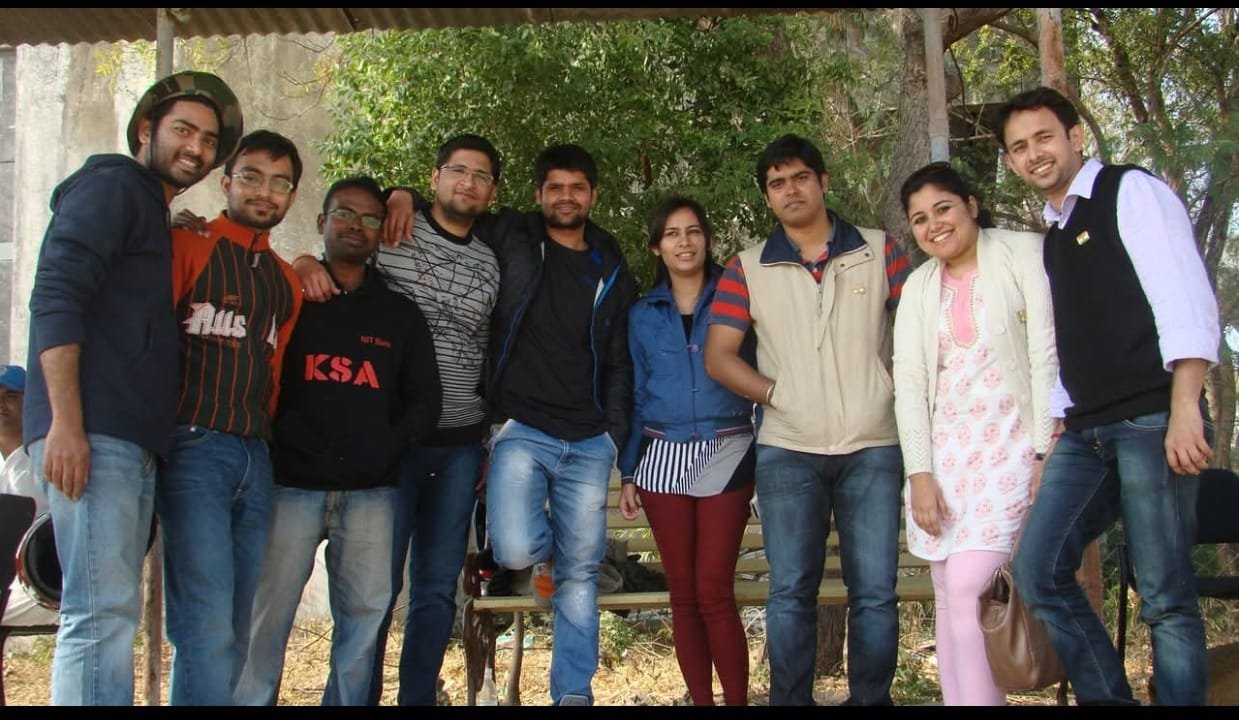
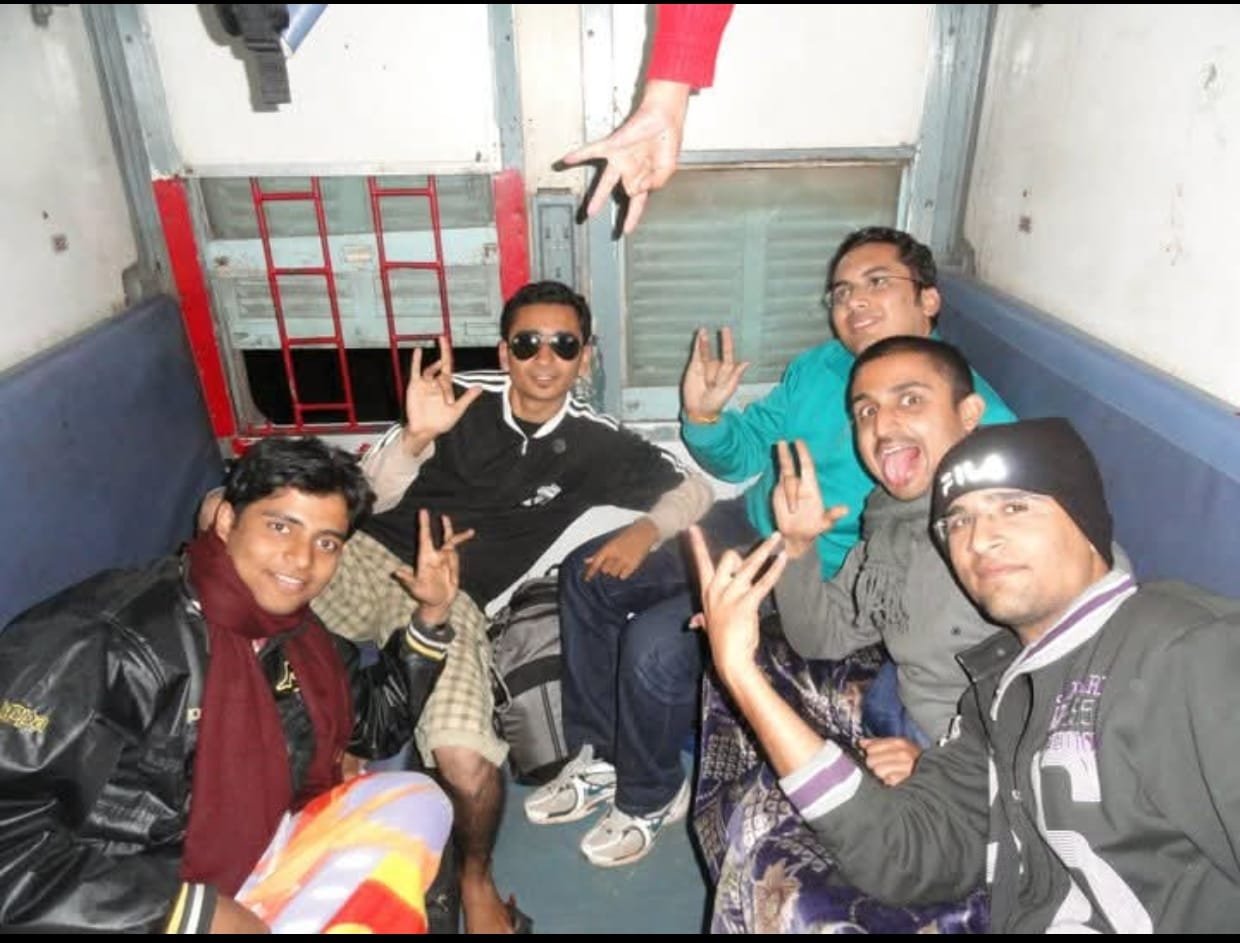
A. When I look back, a big part of what shaped my career wasn’t just academics, but the people around me. My roommate, Arun—our batch’s gold medalist—was a constant inspiration with his discipline and focus. Bharghu Var Jangid was like an elder brother, always guiding and supporting me. My senior, Ms. Akansha Tiwari, was truly a guiding force and someone I looked up to when I first entered IIFM. Then there was the ever-energetic gang—Praveen, Ashish Gautam, and Rishi—who kept life vibrant and adventurous.
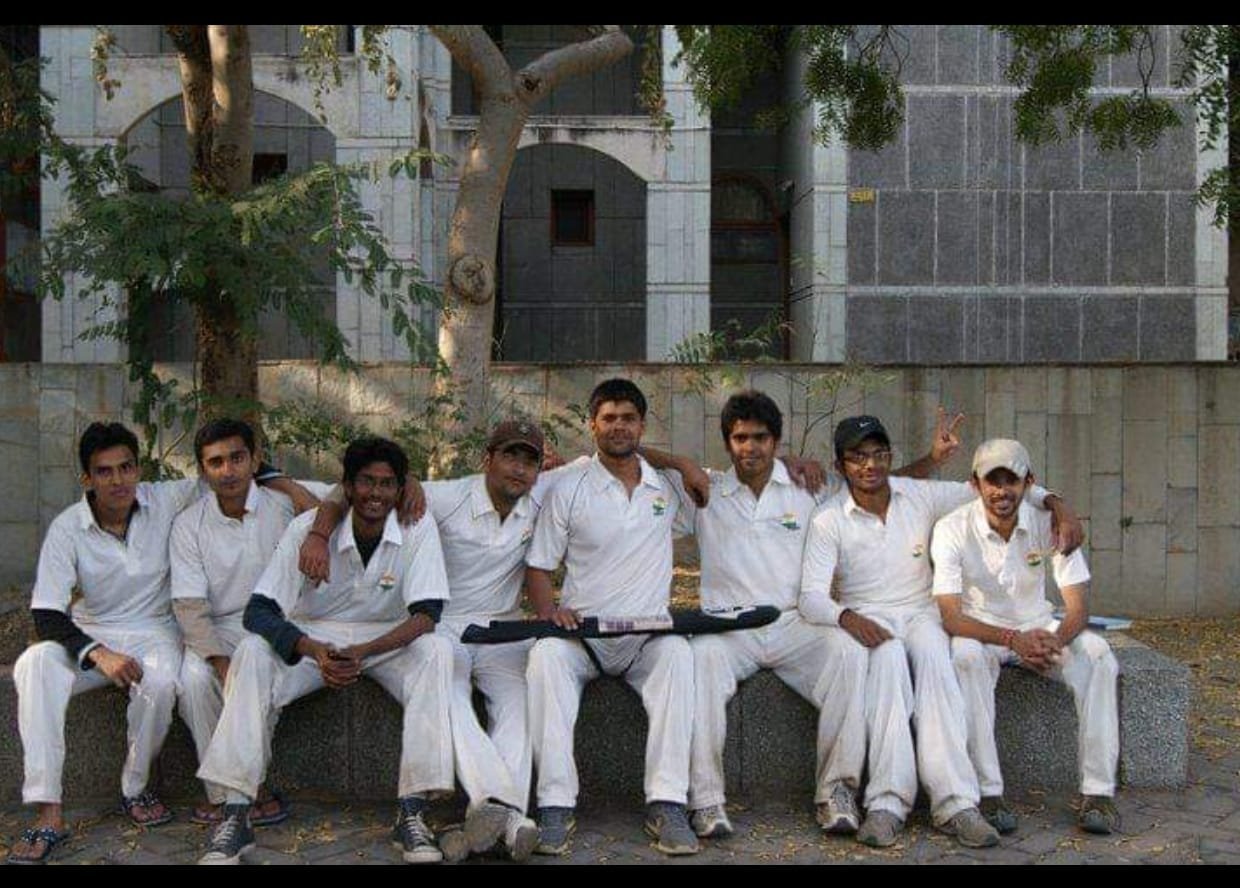
The 29-card playing group with Ankit, Akshat, and Deepak gave us some of our most fun and bonding moments, while the Counter-Strike gang (PFM 10–12, undefeated!) brought out our team spirit in its own way. And of course, the cricket gang—Shubham, Nishant, Lovesh, Darshan, Kunal, S. Deepak, Varun, and others—made sure our days were filled with energy, competition, and camaraderie.
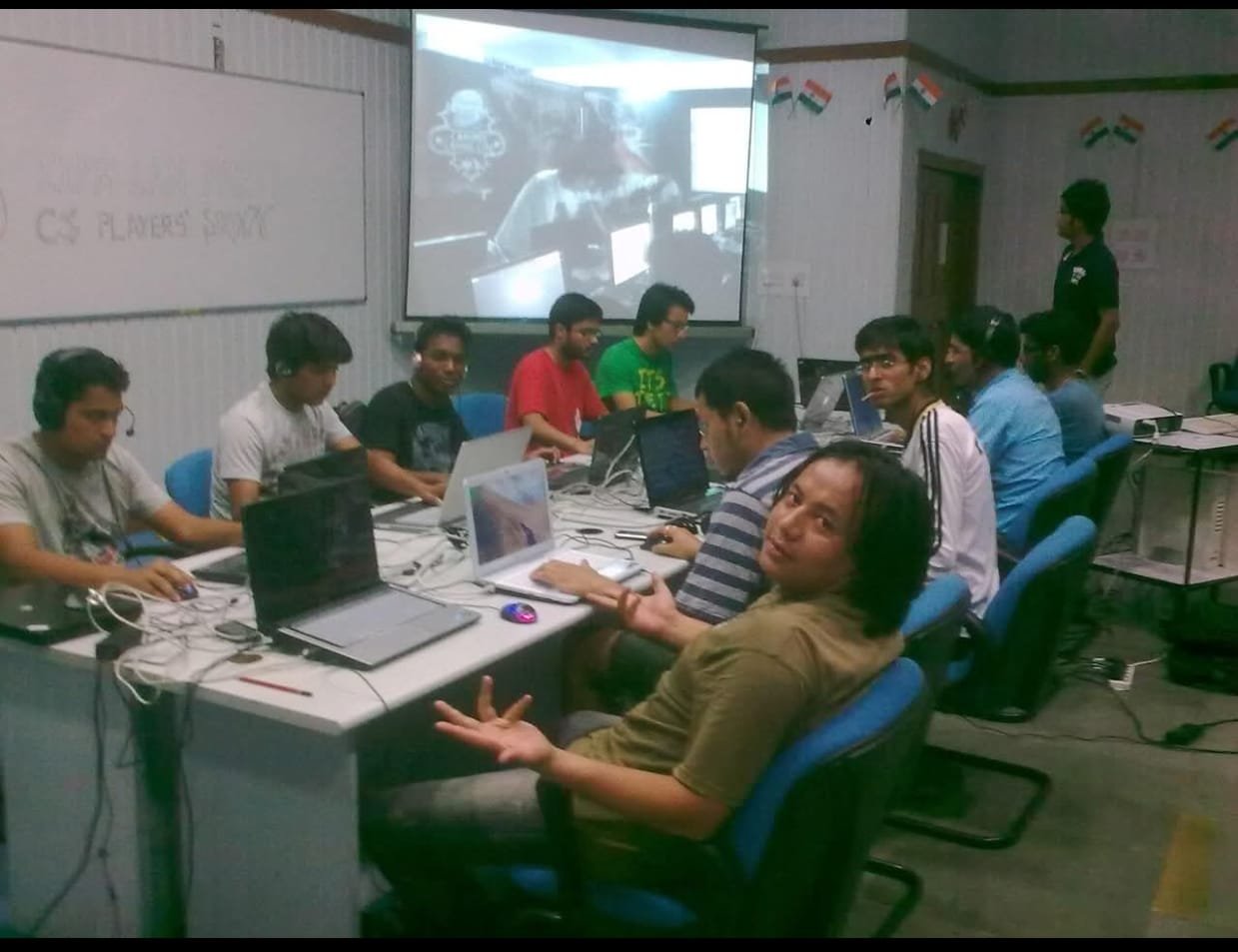
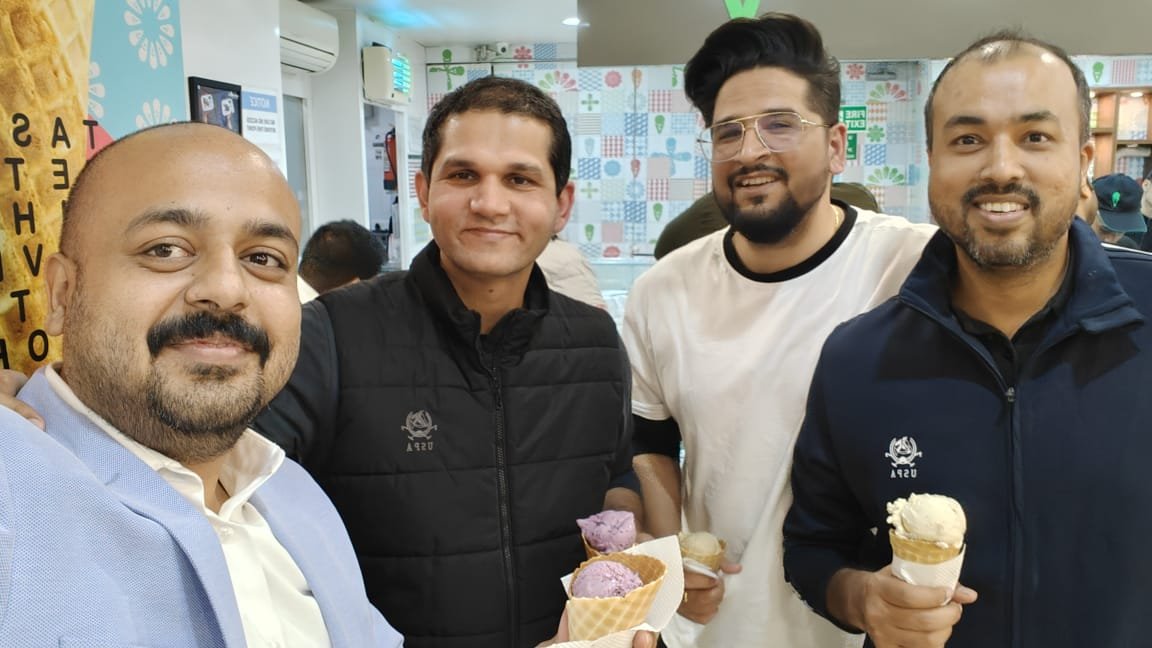
All of these friendships, experiences, and memories shaped my personality and approach to life. They taught me the importance of teamwork, resilience, laughter, and balance—lessons that go way beyond the classroom and continue to help me in my career today.
My advice to freshers and IIFM graduates would be this: treasure the friendships and networks you build here, because they will shape you more than you realize. And when it comes to careers in CSR, ESG, and sustainability—be curious, stay grounded, and don’t just chase titles. Focus on creating impact, keep learning from people and communities, and the journey will always be fulfilling.
Q. Did you think about going for higher studies post IIFM?
A. I didn’t go for any higher studies after IIFM. For me, the real classroom was the workplace, and I’ve been learning on the job ever since. Every role, every project, and every interaction has taught me something new—whether it’s about communities, business expectations, or just how to navigate challenges.
In many ways, this continuous, hands-on learning has been more valuable than any formal degree could have been. The beauty of working in CSR and sustainability is that no two days are the same, and the learning curve never really ends.
Q. What are your favorite memories during your IIFM days?
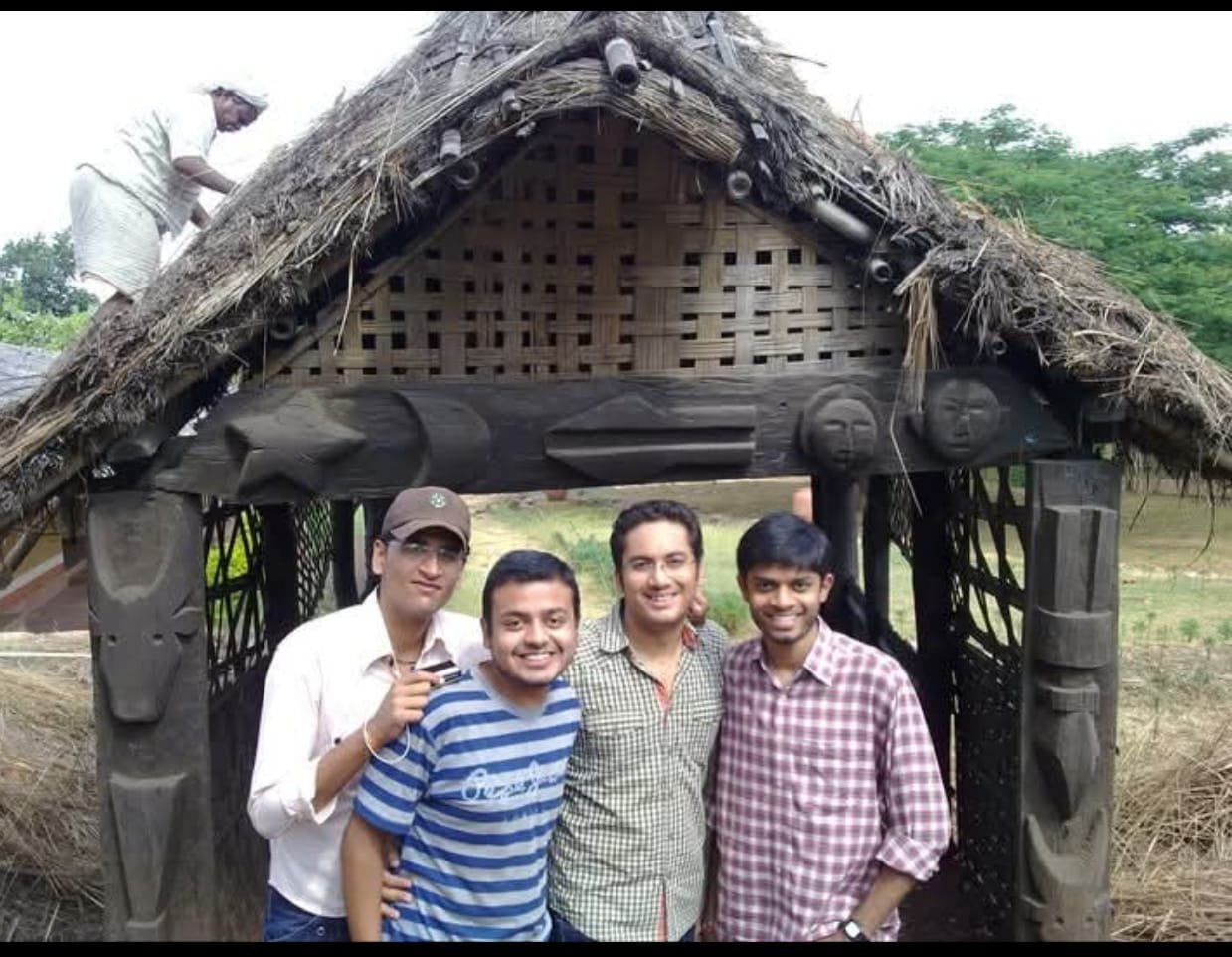
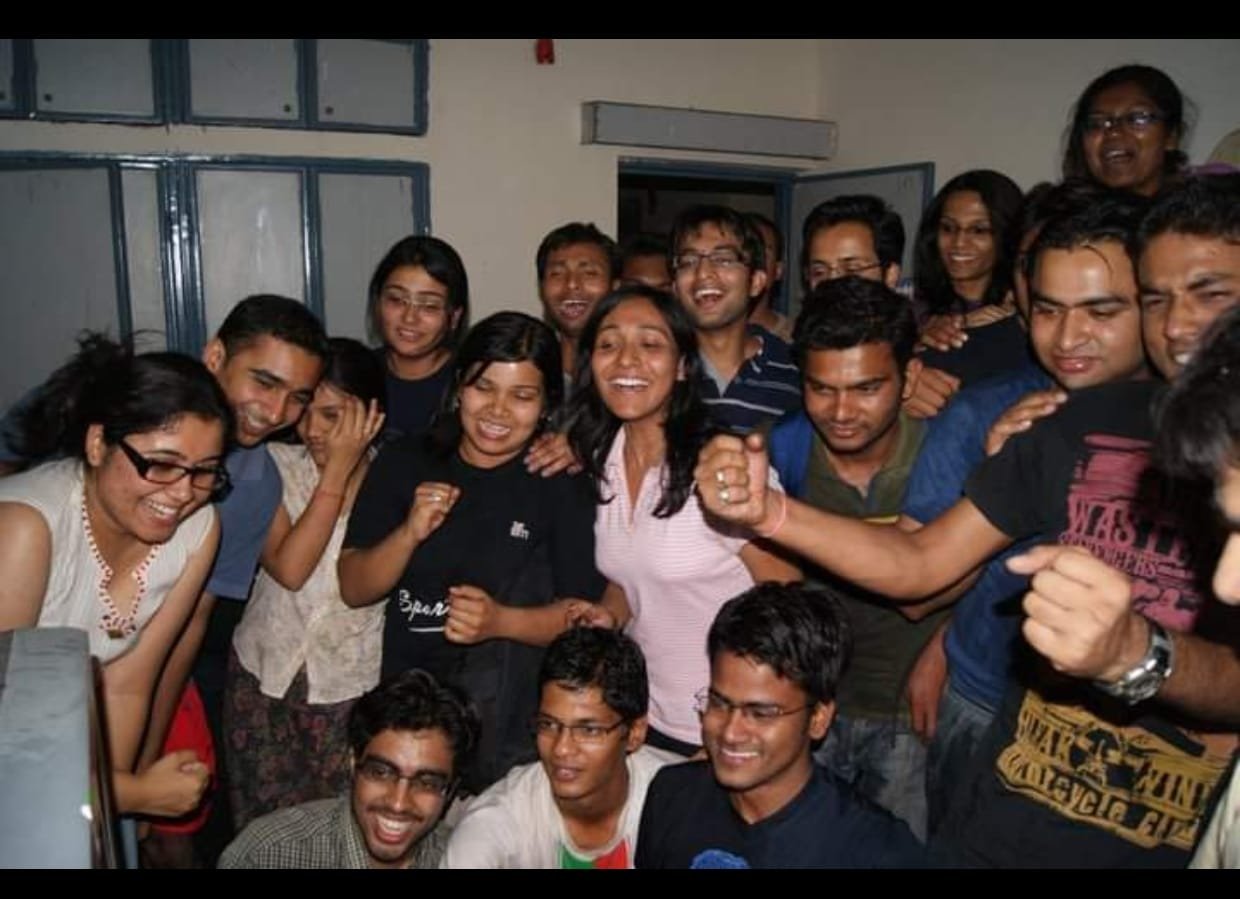
A. There are countless memories from IIFM that I’ll always carry with me. Non-stop Counter-Strike marathons with our unbeatable team were legendary, and on the cricket field, I still remember hitting one of the longest sixes and hosting the first-ever gully cricket–style tournament. Winning the Kalpataru Cup two years in a row was the icing on the cake—it made those cricketing moments even more special.
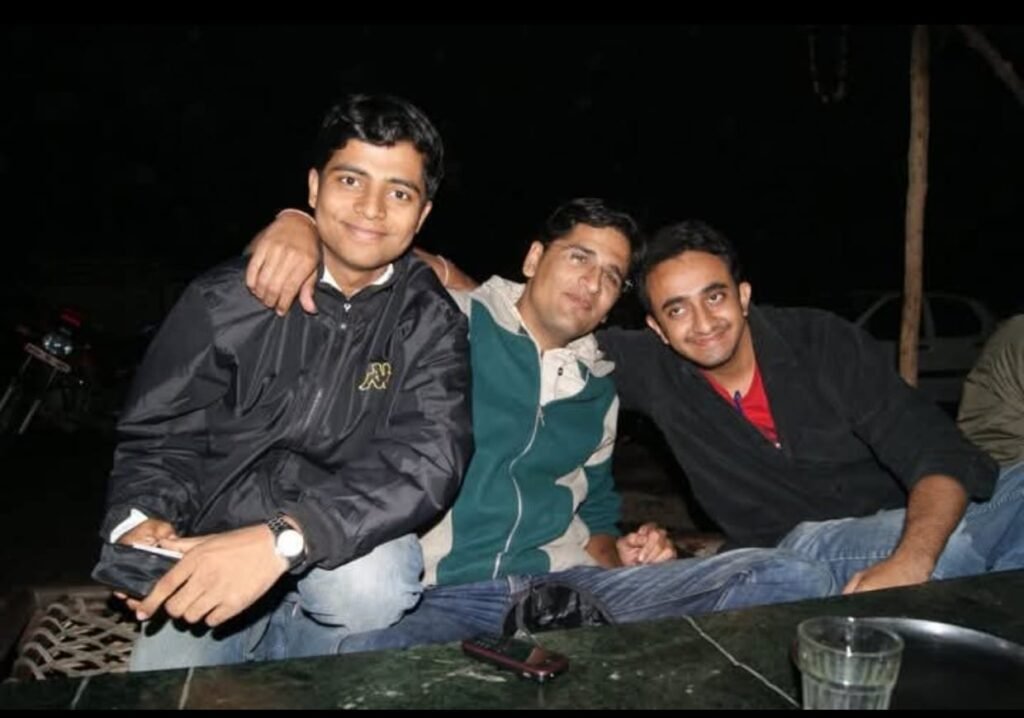
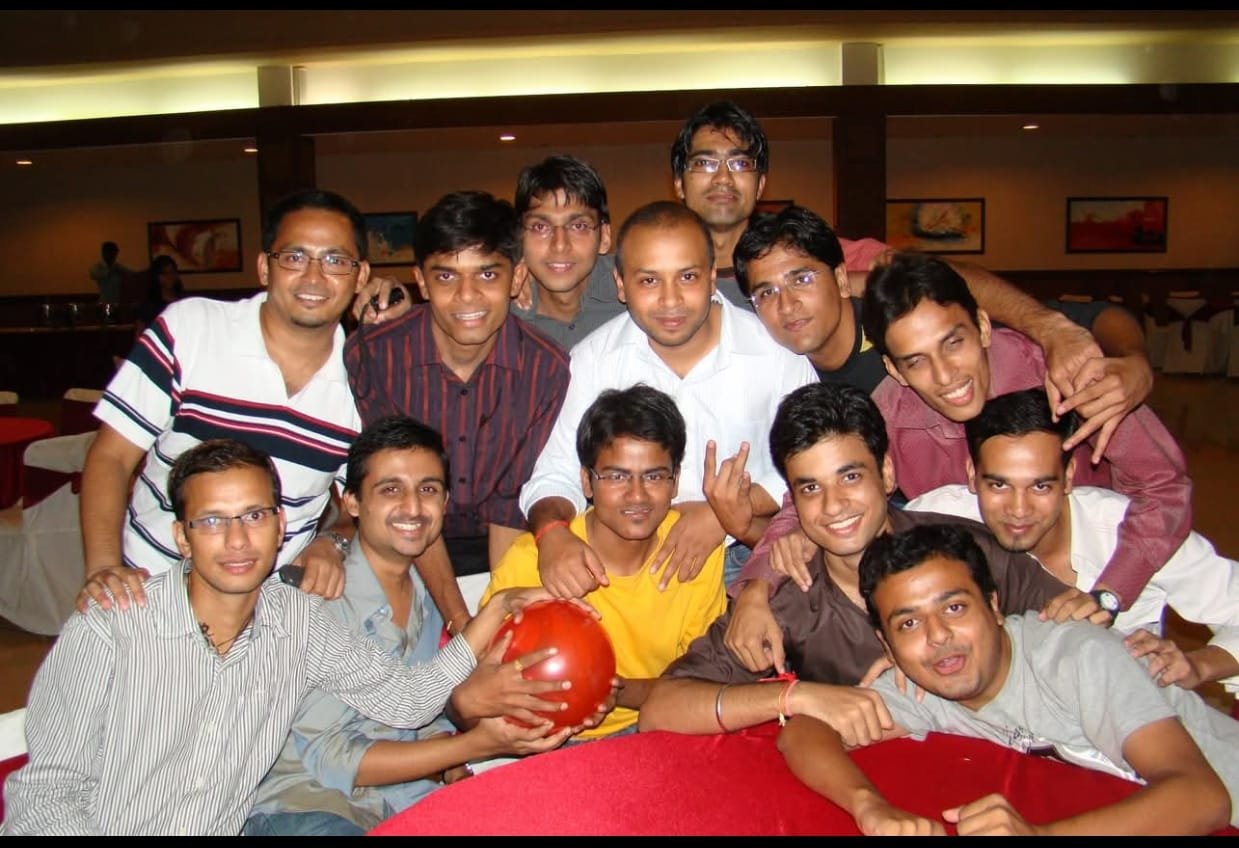
Off the field, the late-night parties and hostel fun built bonds for life. And being part of organizing the CSR Conclave and Enviro Conclave gave us the thrill of putting together meaningful events and learning beyond classrooms.
Those two years were the perfect blend of fun, friendships, and growth—and truly some of the best days of my life.
Q. In hindsight, what was the biggest contribution or take away from IIFM that you think played a critical role in shaping you as an individual or professional?
A. In hindsight, the biggest takeaway from IIFM was the combination of things that came together to shape me—academics, faculty, friends, and experiences outside the classroom. The courses gave me a solid grounding in management with a sustainability lens, and the faculty—like Prof. Dharni, Prof. Madhu Verma, Prof. Amitabh Pandey, Prof. Biswas, and many others—left a lasting impact not just with their teaching, but with the way they connected theory to real life.
The library was a quiet powerhouse—it pushed us to read, research, and explore beyond what was taught. But equally important were my friends and batchmates—whether it was learning teamwork on the cricket field, strategizing over 29 cards, or pulling all-nighters for case studies and conclaves. Alumni interactions also gave us clarity on where this degree could take us.
If I had to sum it up, IIFM gave me perspective: the ability to look at problems holistically, the courage to step into the unknown, and the friendships and values that continue to guide me both professionally and personally.
Q. The best buddies / seniors /faculty at IIFM? Some memorable tidbits that you like to share?
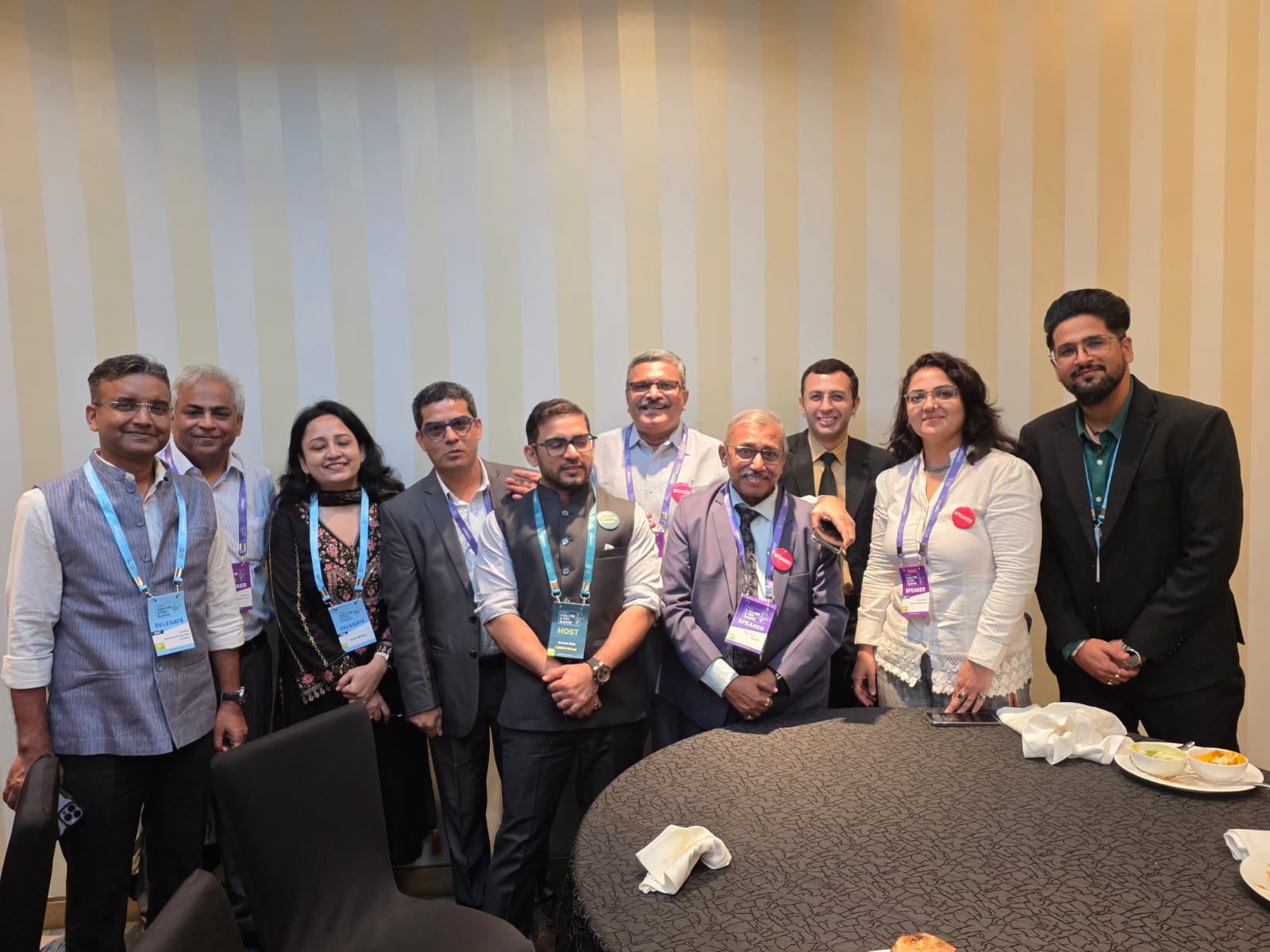
A. There are so many incredible people from my IIFM days who made the experience unforgettable. A special mention goes to Akansha Tiwari, my senior and guiding force, and Anubhav Sogani, whose energy and insights were always inspiring. Bharghu Jangid was like an elder brother, and my friends—Praveen, Ashish, Abhishek Gautam, Arun, Ankit, Rohit Singh, Rishi Khare, Nandita Mathur, and Akshat Nagar—made every day memorable, whether it was over cricket, card games, Counter-Strike battles, or late-night discussions.
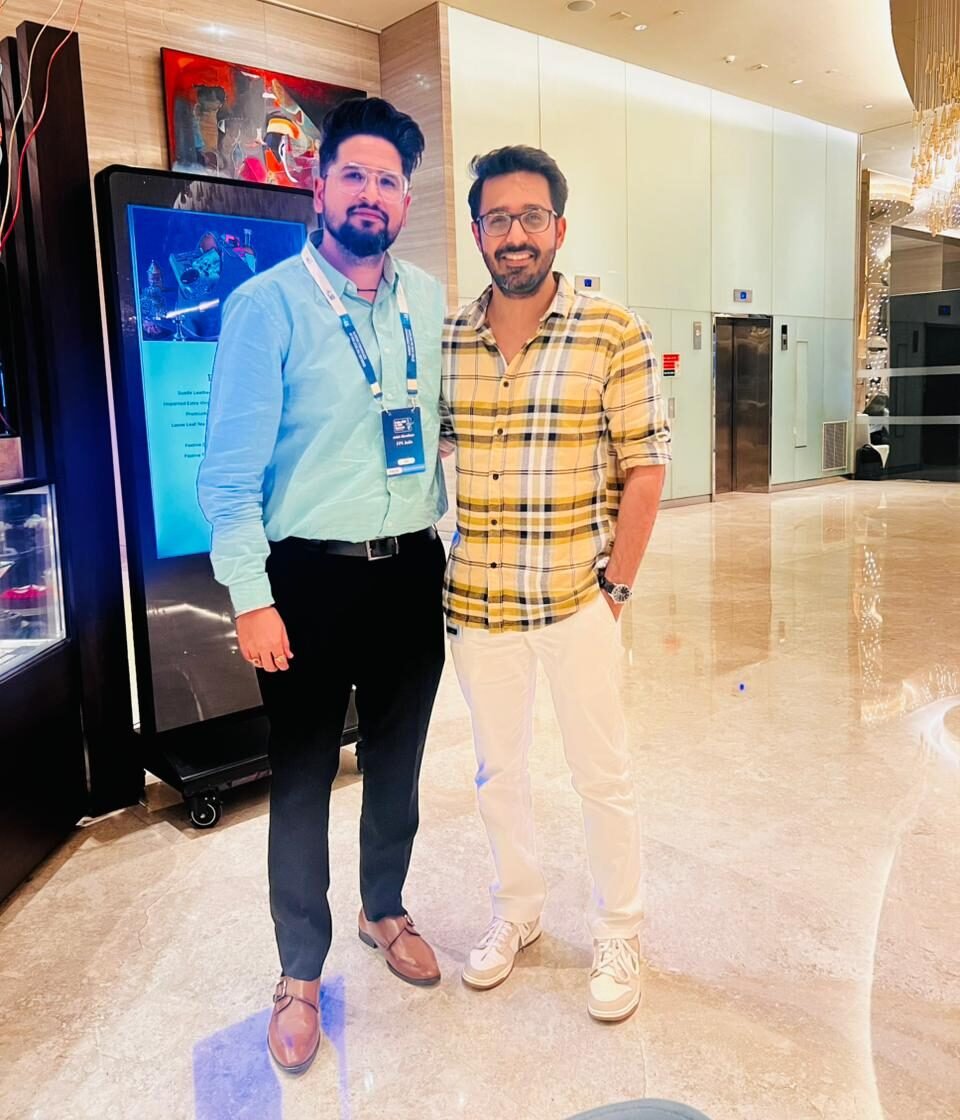
Equally impactful were the professors who shaped our learning and perspective: Prof. Dharni, Prof. C.S. Rathore, Prof. Madhu Verma, Prof. Amitabh Pandey, and Prof. Biswas. Their teaching, guidance, and encouragement left a lasting imprint.
Q. As an alumni, what’s your advice to freshers or those are joining IIFM to get best out of the 2 years there?
A. My advice to freshers joining IIFM would be to make the most of every aspect of these two years—academics, extracurriculars, and relationships. Focus on learning from your professors and courses, but also step out of the classroom to participate in clubs, conclaves, and events like CSR or Enviro Conclave—they give you exposure and confidence that textbooks can’t.
Build genuine friendships and networks—they’ll support you, challenge you, and stay with you long after IIFM. Don’t shy away from taking initiatives, whether it’s organizing an event, leading a project, or even hosting a gully cricket tournament! Balance hard work with fun—play games, enjoy late-night chats, and make memories.
Lastly, stay curious and open-minded. These two years are not just about a degree; they’re about shaping your perspective, building a mindset for lifelong learning, and creating experiences that guide your personal and professional journey.
Q. What would be your advise for recent graduates who look for changing their sector after working for couple of years?
A. For graduates looking to change sectors after a few years, my advice would be to approach it with curiosity, planning, and patience. First, understand why you want to switch—what excites you, what aligns with your values, and where you see yourself growing. Next, invest time in learning the new domain—through courses, reading, networking, or volunteering—so you can build credibility and confidence.
Don’t hesitate to leverage your existing skills and experiences—they are often transferable in ways you might not realize. Finally, be patient and persistent; sector switches can take time, but if you focus on learning, building relationships, and demonstrating value, the transition can be smooth and incredibly rewarding.
Q. What was your typical day at the work? And how does it look like while you are on a break?
A. A typical day at work is a mix of planning, execution, and collaboration. I usually start by following up with internal teams and project partners to track ongoing activities, ensure timelines are being met, and address any roadblocks. A significant part of the day involves meetings with external stakeholders, from NGOs and community partners to government officials, to align on project goals and progress. Documentation, reporting, and analyzing project impact also take a good chunk of time, ensuring that every initiative is tracked and outcomes are measurable.
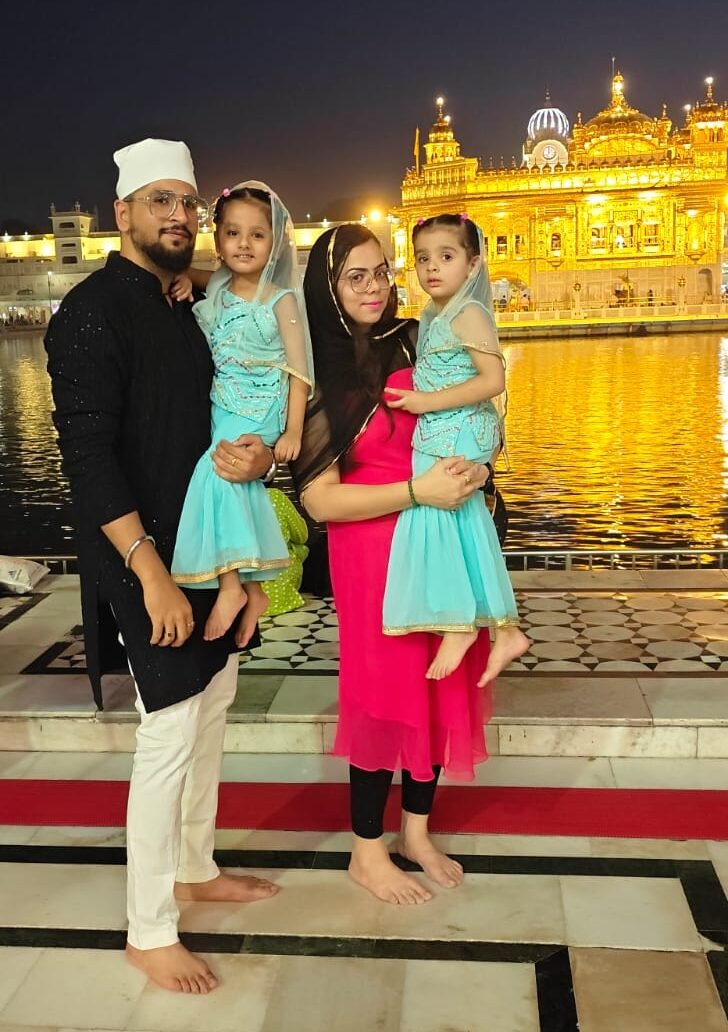
On a break, the pace slows down and I focus on spending quality time with my family. My twin girls, who are 3 years old, are twice the trouble and twice the fun—they keep life lively and full of surprises! Breaks also give me space to reflect on projects, plan for upcoming initiatives, and recharge before jumping back into work.
Q. And how about weekends, hobbies, family and anything else you want to add?
A. Weekends for me are all about family and recharging. My mornings start early, around 5 AM, because I play cricket from 5:30 to 9 AM—a great way to stay active and clear my head. After that, it’s back home to take care of household chores and spend quality time with my wife and twin girls, who are always full of energy and fun.
Evenings are usually reserved for family dinners, outings, and just enjoying some masti together. Weekends are the perfect balance of staying active, bonding with family, and catching up on life outside work. It’s hectic, joyful, and absolutely worth it!
Q. Favorite Books, movies, authors?
A. I’m not much of a reader, but I’m a big fan of movies and series on OTT platforms. I’ve watched The Big Bang Theory at least 7 times and am currently catching up on Seinfeld—a bit late, but loving it! Some of my favorite movies include Never Back Down, Zindagi Na Milegi Dobara, Andaz Apna Apna, and a mix of action, comedy, and feel-good films.
Q. IIFM is driven by alumni’s passion and commitments towards its goal. How would you like to contribute to IIFM or IIFM alumni, students? Your engagement with IIFM Placement or OT/SI?
A. I would love to stay actively engaged with IIFM and its alumni network. One way I already contribute is by posting career opportunities on the official group and helping out juniors and seniors with references or guidance whenever needed. I’m also open to coming down to IIFM for guest lectures, small sessions, or mentorship, sharing my experiences in CSR, sustainability, and professional growth.
For me, it’s all about giving back—supporting students in their journey, staying connected with alumni, and helping the institute continue to thrive through guidance, knowledge sharing, and opportunities.
Q. What do you think is different at IIFM now vs when you studied there? When was the last time you visited IIFM?
A. For me, IIFM will always be my alma mater, no matter how much time passes. The last time I visited in 2016/17, it felt almost the same—the greenery, our “own India Gate,” the boys’ hostel—it all brought back so many memories. I even met Arun bhaiya from the mess, and to my delight, the menu was still the same!
Of course, there may be new additions and changes over the years, but the essence—the spirit of the campus, the friendships, and the memories—remains unchanged. Visiting IIFM always feels like going back home.
Q. Any suggestions on who you want to get profiled/interviewed here?
A. I would love to see Rishi Khare, Ashish, Abhishek Gautam, and Praveen (all from PFM 10–12) profiled or interviewed. I’d also suggest Anubhav Sogani and Mansi Diwan—all of them have interesting journeys and experiences that would be inspiring for current students and alumni alike.